
Free written scope consultation - allowances, timeline, and change-order rules on paper before a single trade is scheduled
What ADU Site Prep & Utilities in Sandy Valley actually involves
ADU Site Prep & Utilities in Sandy Valley is the groundwork phase that comes before any structure goes up: clearing and grading the pad, testing and siting a well, installing a septic system, running power from an off-grid solar array or generator setup, and pulling the Clark County permits that cover it all. On a rural Sandy Valley parcel this phase typically runs 6 to 14 weeks and costs between $45,000 and $130,000 depending on how much self-sufficiency you’re building in. Call (844) 320-6757 for a free on-site estimate.
How the work happens, from first dig to final inspection
Site prep on a rural parcel is not a single weekend of scraping dirt. It’s a sequence, and each stage unlocks the next one. Here’s how a job usually moves in Sandy Valley.
Stage 1: Site walk and utility feasibility (days 1 – 5)
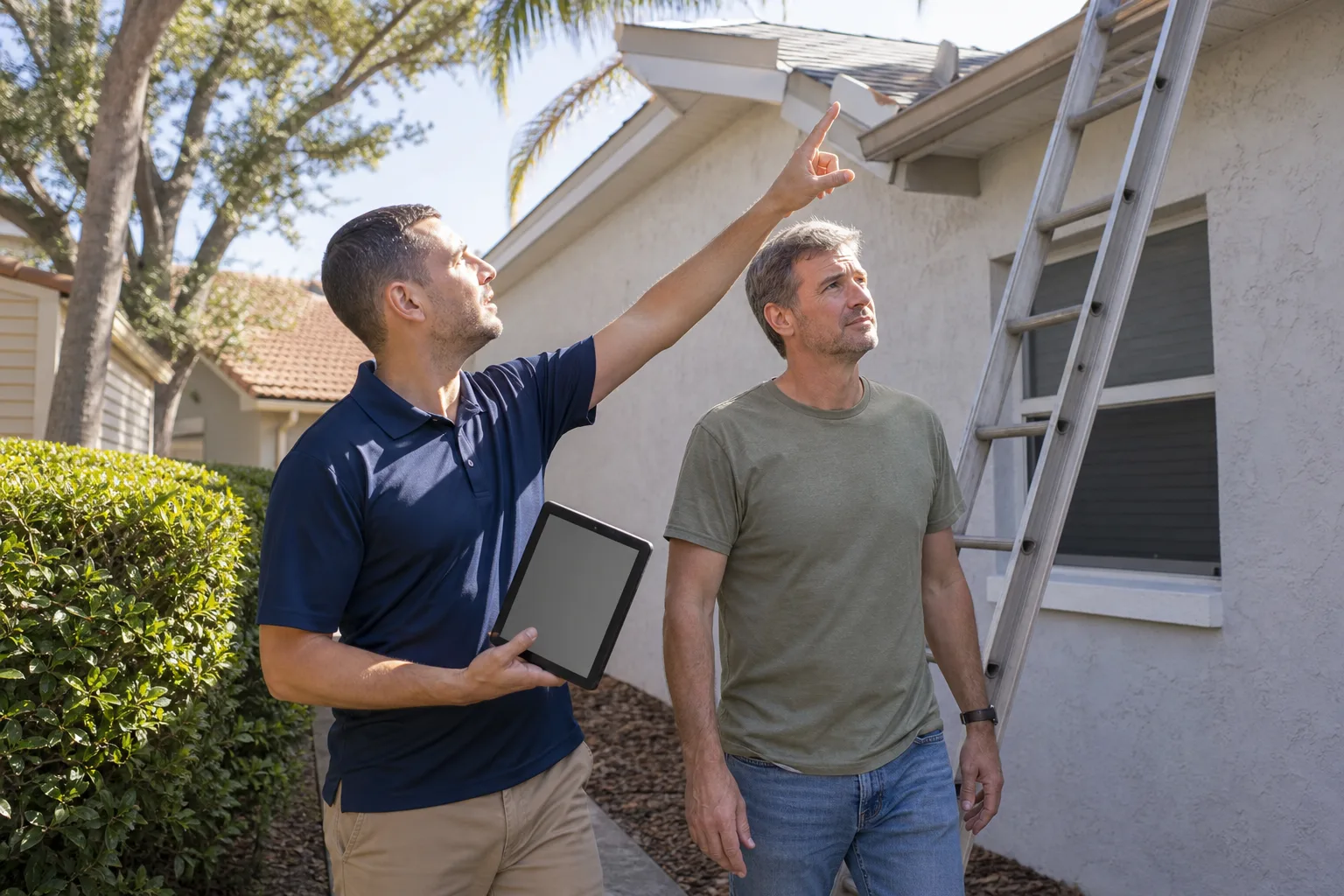
We walk the parcel with you and map what’s already there: existing well casing, the older septic tank (or where one should go), any overhead or buried power, and where a new structure can realistically sit. On Sandy Valley parcels this is the stage where we answer the hard question first: can a well and septic field coexist here without fighting the setbacks and the slope. You’ll decide the general footprint location by the end of this stage.
Stage 2: Percolation testing, well siting, and county pre-application (weeks 1 – 3)
Before we touch a blade of soil, we schedule a percolation test on the proposed drainfield area and test the existing well’s yield and water quality if there is one. Both feed the Clark County pre-application. On parcels without municipal water or sewer, this stage is the one that can stretch the schedule if the soil surprises us, so we build in a buffer. You’ll decide the septic system type (conventional vs. engineered) after the perc results land.
Stage 3: Grading, drainage, and pad construction (weeks 2 – 5)
We clear the footprint, cut and fill to grade, and build the pad with drainage that respects the flash-flood-prone washes on the property. Desert drainage is not optional here; a pad that sheds water toward the structure or toward an unpaved access road creates problems the county will flag and that you’ll live with for years. You’ll sign off on the final pad elevation before anything gets poured or framed.
Stage 4: Utility installation (weeks 3 – 8)
This is the heavy lift: drilling or tying into the well, running water lines to the pad, installing the septic tank and drainfield, trenching power conduit from the solar array or generator setup, and running any propane line if the unit will use it. We coordinate the trades so the trenching happens once, not twice. You’ll decide water storage capacity (cistern size) and power configuration at this point, since both affect the equipment pad.
Stage 5: Inspections and handoff (weeks 8 – 14)
Clark County inspects the septic, the electrical, and the structural pad separately. We schedule those inspections, correct anything flagged, and deliver a clean set of as-builts so you have documentation for future work. You’ll do a final walkthrough, and the pad is ready for the ADU to land on it. If you’re also pairing the pad with a new approach, homeowners often pair this with Concrete Driveways & Concrete Work in Sandy Valley so the site has a paved access path before construction trucks arrive.
Styles & brands we work with
- Kitchen remodeling
- Bathroom remodeling
- Home additions & ADU
- Roofing
- Windows & doors
- Driveway & pavers
- Fence
What you’ll actually be choosing between
The options below are the ones that come up on nearly every Sandy Valley site prep job. Each choice has a real cost and a real trade-off.
- Septic system type. A conventional gravity system is the cheapest and simplest, running toward the low end of the range, but it needs the right soil and slope. An engineered or mound system handles tighter lots and poorer soil but pushes cost up noticeably and adds a pump.
- Water storage capacity. A small cistern works if the well yield is strong. A larger cistern (or a pair) gives you days of backup for a dry well or a power outage, which matters in a community with no municipal water to fall back on.
- Power source. An expanded solar array with battery storage is the higher upfront investment but eliminates fuel logistics. A generator-or-solar hybrid lowers the initial cost but adds ongoing fuel and maintenance. Mighty Buildings and Plant Prefab prefab units ship with their own electrical needs already spec’d, which helps us size the array correctly the first time.
- Pad construction. A simple graded gravel pad is the low-cost option. A poured concrete slab or a pier-and-beam foundation is more but performs better on the desert’s shifting soils and gives the ADU a solid anchor against wind uplift.
- Access road. An unpaved approach is fine until a storm turns it into a wash. Graded and stabilized gravel is a middle option. Paved or paver access, which homeowners often pair with Paver Driveways in Sandy Valley, is the most durable and holds up best to the summer heat cycles.
What ADU Site Prep & Utilities costs in Sandy Valley, NV
Expect $45,000 to $130,000 for full site prep and utility installation for an ADU in Sandy Valley. That range covers the pad, well, septic, power, and the permitting and inspection coordination that goes with them, but the spread is wide because the parcel conditions here vary so much.
Here’s what moves a job to the low or high end:
- Perc results and soil. Good-draining soil supports a conventional system; poor percolation means an engineered system and a higher number.
- Well status. Tying into an existing, productive well is the low-cost path. Drilling a new well and adding a storage cistern pushes toward the top of the range.
- Power distance. Running conduit from a solar array or generator pad that’s 250 feet from the ADU site costs more (more wire, more trench) than a short run.
- Site access. If equipment can’t get to the pad easily, more time and more money go into clearing, grading, and road work before any utility trench begins.
- Permit and inspection scope. A straightforward single-property application on good soil is the low end. Multiple inspections, engineered designs, and setbacks that force layout work add cost and weeks.
A written estimate from us is line-item: every yard of gravel, every foot of trench, every inspection, itemized. We don’t do change orders once work starts unless you ask for a scope change. A typical estimate usually doesn’t include the unit itself or finish materials, and it doesn’t cover landscaping or fencing (those come after the ADU is set). To get your exact number, call (844) 320-6757.
See the difference
 Before
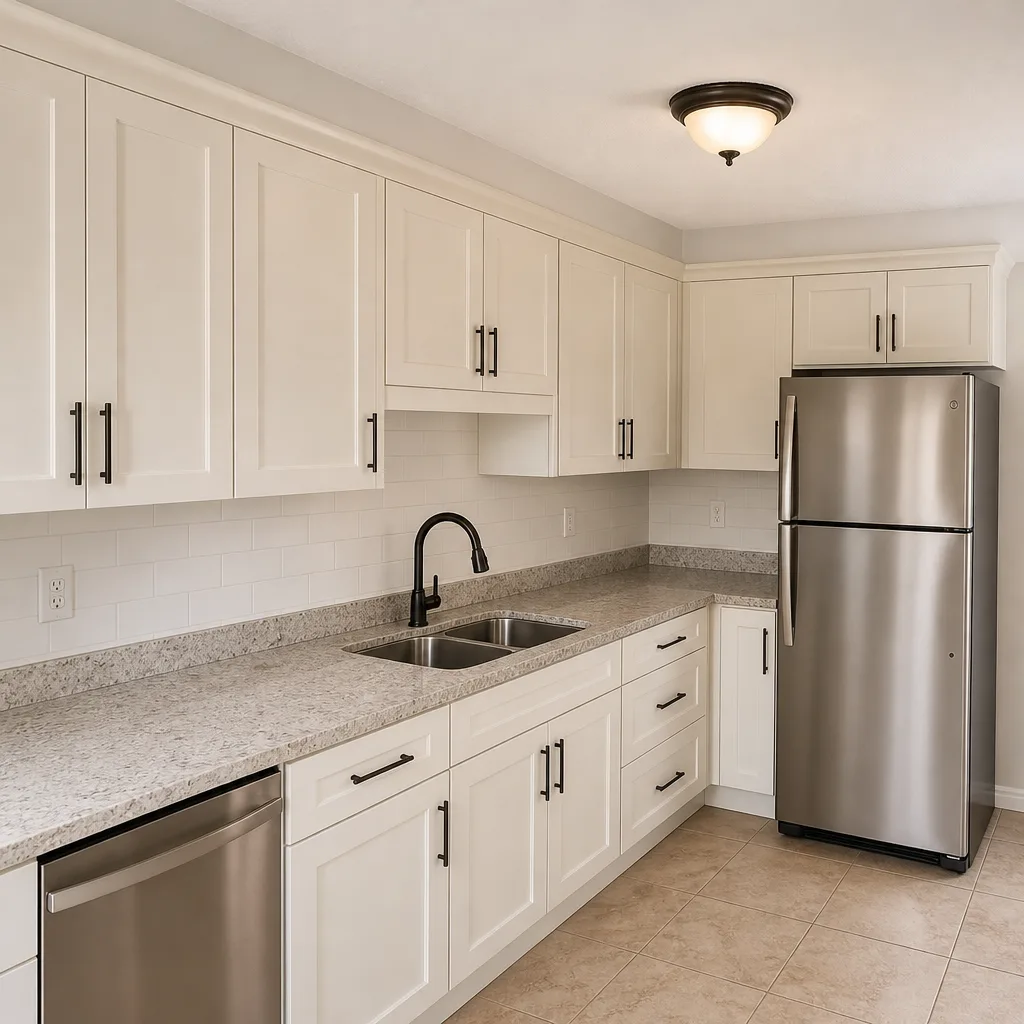 After
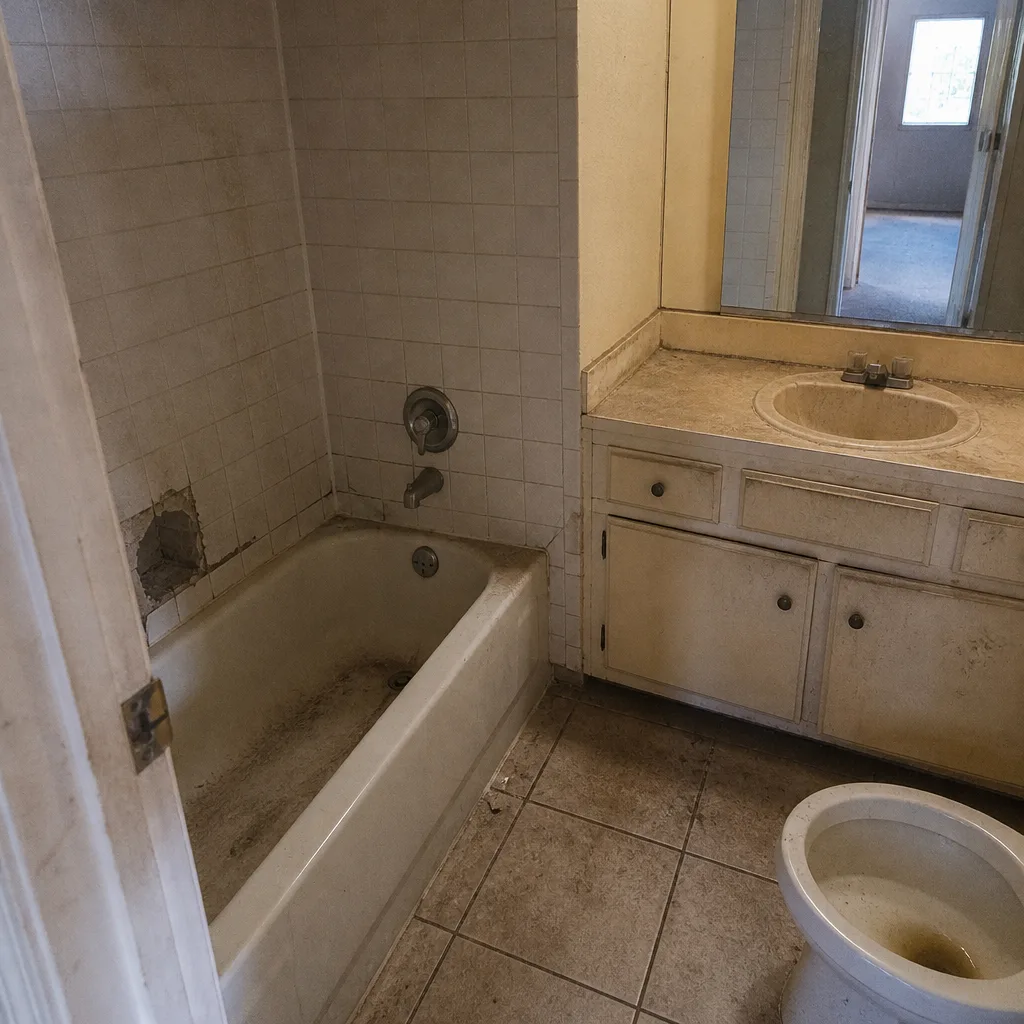 Before
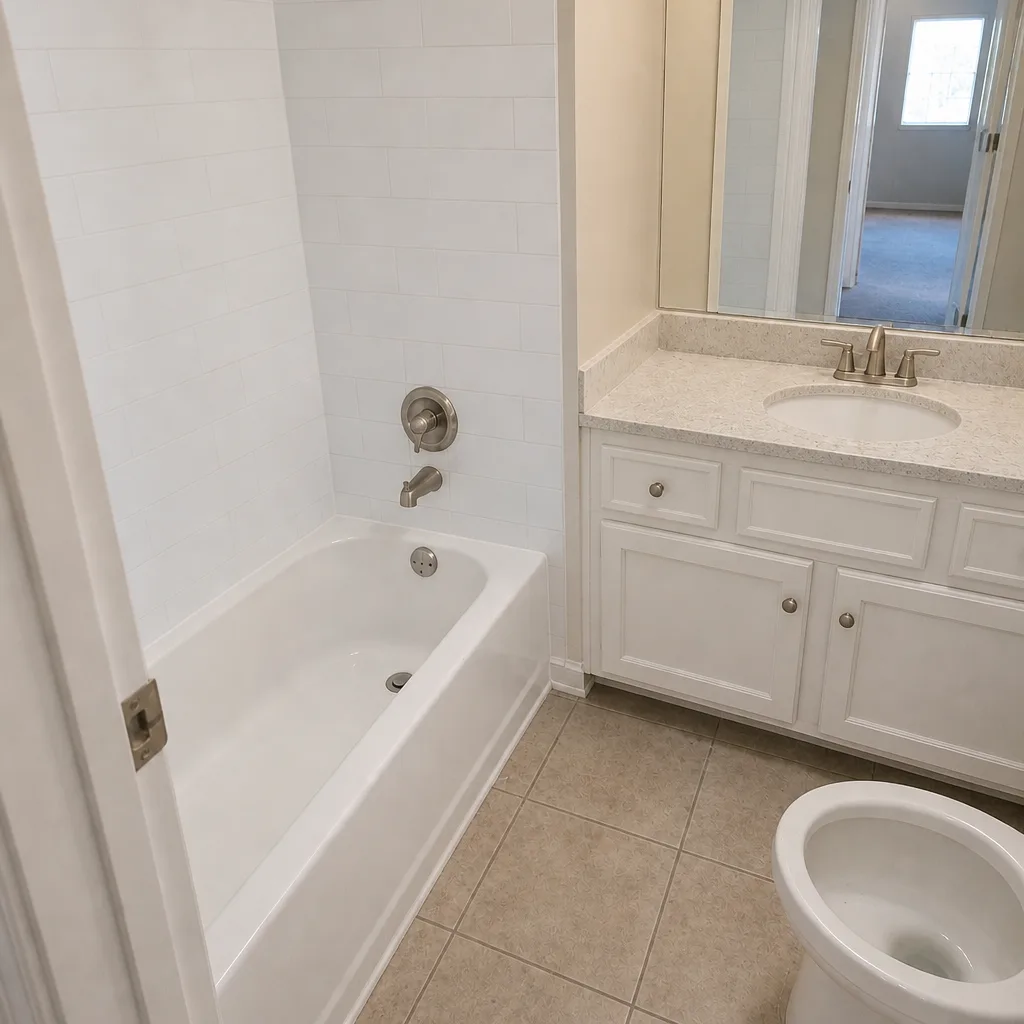 After
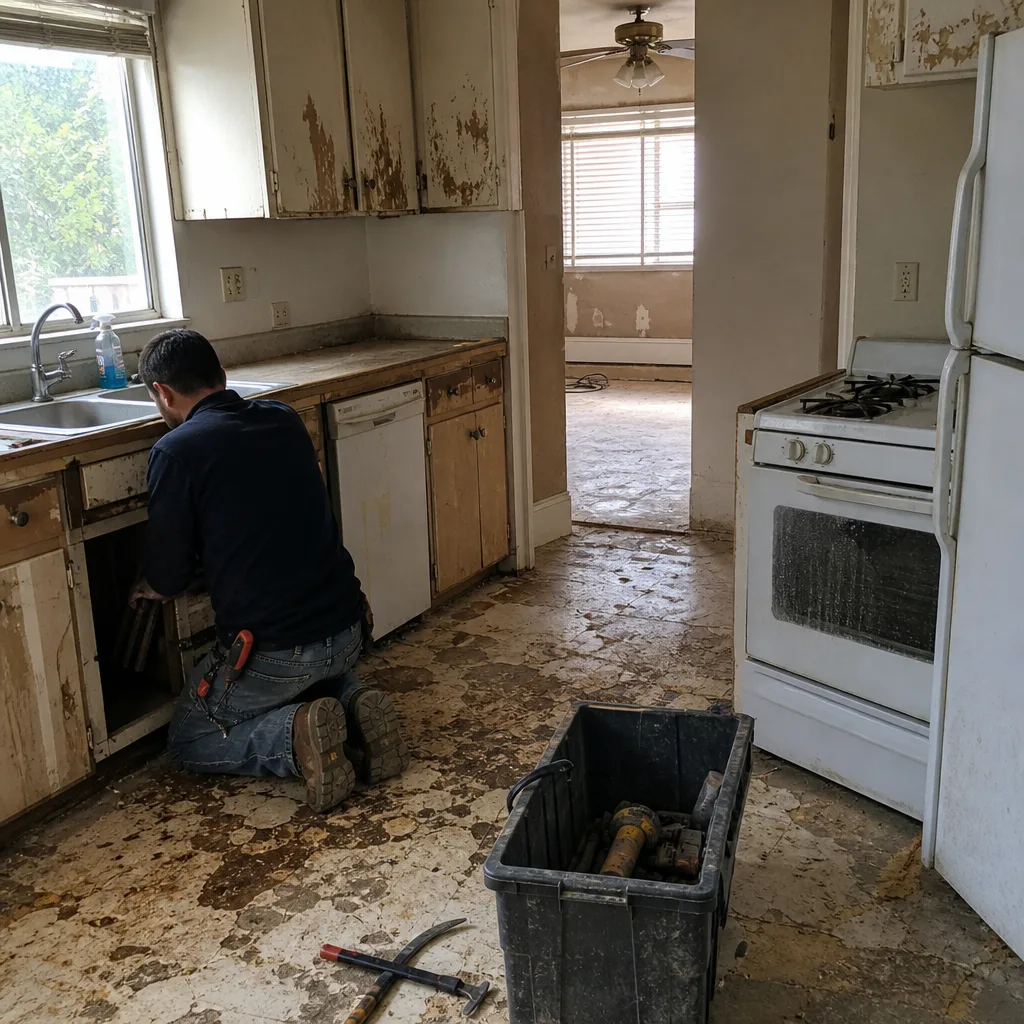 Before
 After
What Sandy Valley homes specifically do to this job
Sandy Valley shapes this work in ways it wouldn’t in a subdivision. The community is unincorporated Clark County with no local building department, so permits, plans, and inspections all run through the county, and a big chunk of our job is coordinating that paperwork while we’re still on the parcel. Many of the parcels here are large and rural, and a lot of them lack paved access – the gravel road washes out in storms, which affects when we can move equipment and where we can stage materials.
Because there’s no municipal water or sewer here, the design has to be self-sufficient before we frame anything. Homes in this community rely on private wells, septic, and either solar or generator power, so site prep means siting the well and septic field correctly, sizing the cistern, and running power from an off-grid system. The high-desert climate adds its own demands: intense summer heat, high winds, and flash-flood-prone washes mean wind uplift anchoring and drainage matter as much as the utilities. We work across Sandy Valley and know the access roads and the soil conditions that turn a simple job complicated. This is all part of the wider Home Additions & ADU in Sandy Valley project if you’re building the whole unit, not just the pad.
Serving Sandy Valley, NV – Our Local Coverage Area
We serve Sandy Valley and nearby communities. Use the map below to see the area we cover. If you’re nearby, we can almost certainly help.
Frequently asked – ADU Site Prep & Utilities in Sandy Valley
Plan on 6 to 14 weeks from the first site walk to the final inspection. The wide range comes from the perc test and county pre-application stages: good soil and a strong existing well keep you at the short end, while an engineered septic system or a new well pushes toward the high end. Call (844) 320-6757 and we’ll give you a realistic schedule for your parcel.
Yes – since Sandy Valley is unincorporated Clark County, the county handles the septic, electrical, and structural pad permits and inspections. There’s no local building department, so all of that runs through the county. We manage the permitting and coordinate every inspection, so you’re not chasing paperwork.
Sometimes, but it depends on where the existing well, septic, and power sit relative to the ADU footprint. If the footprint clears those by the required setbacks, we can often keep what’s there and extend from it. If not, relocating or adding is unavoidable. The site walk is where we find out which situation you’re in.
The full range is $45,000 to $130,000. A simple pad with an existing well and conventional septic lands near the bottom; a new well, engineered septic, and expanded off-grid power push toward the top. Call (844) 320-6757 for a line-item estimate – the first site visit and quote are free.
Every job is backed by our 730-Day Done Right Promise – if it’s not done right, we make it right. That’s one of the longest workmanship guarantees in residential construction, and it covers the work we install, not just the first week after we leave.
Ready to price your ADU site prep in Sandy Valley?
We’ll come out to your Sandy Valley parcel, walk the site, check the well and soil, and give you a line-item estimate in writing. The site visit and estimate are free. Call (844) 320-6757 and a live person will answer, any time, any day. If the wider project is on your mind, you can also start with our Home Additions & ADU service to see the full scope before you commit to a build.
Written by the team at Groundwork Construction Co.