Last updated November 18, 2026
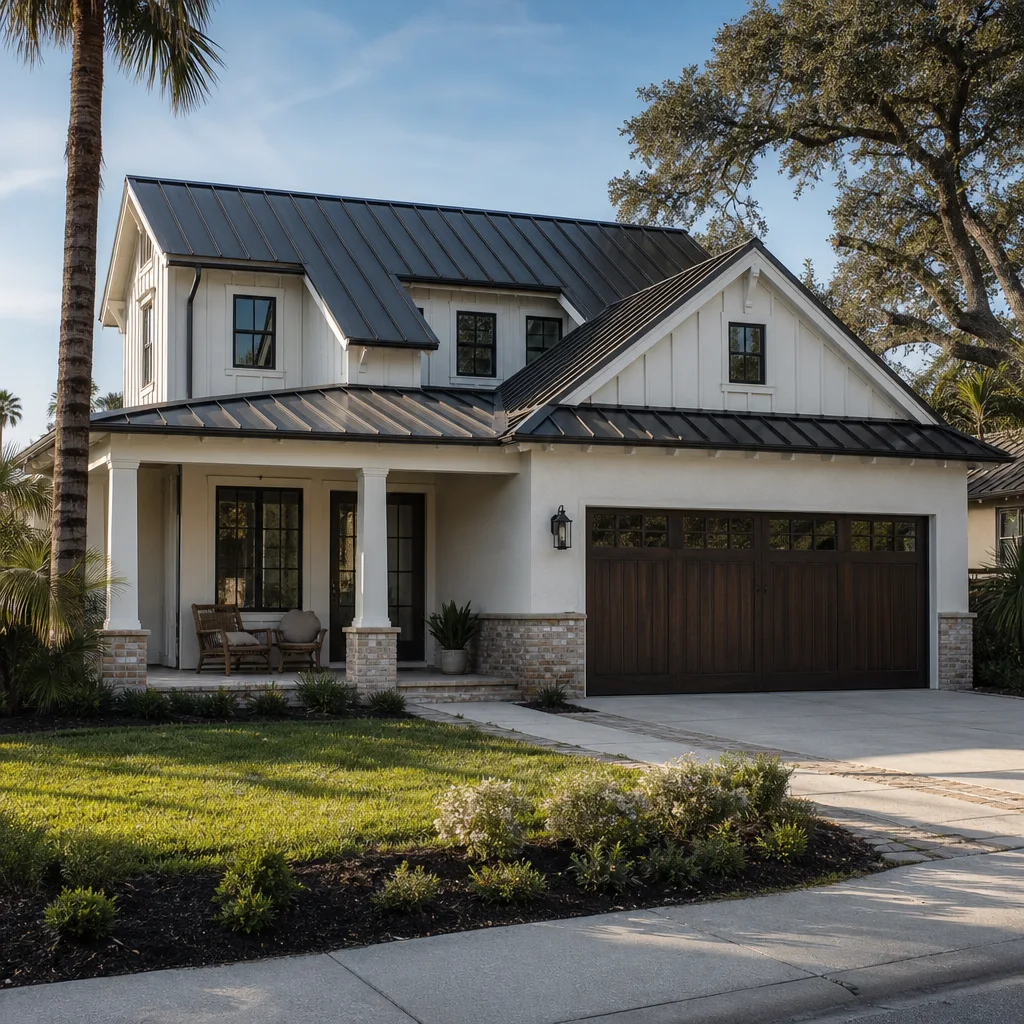

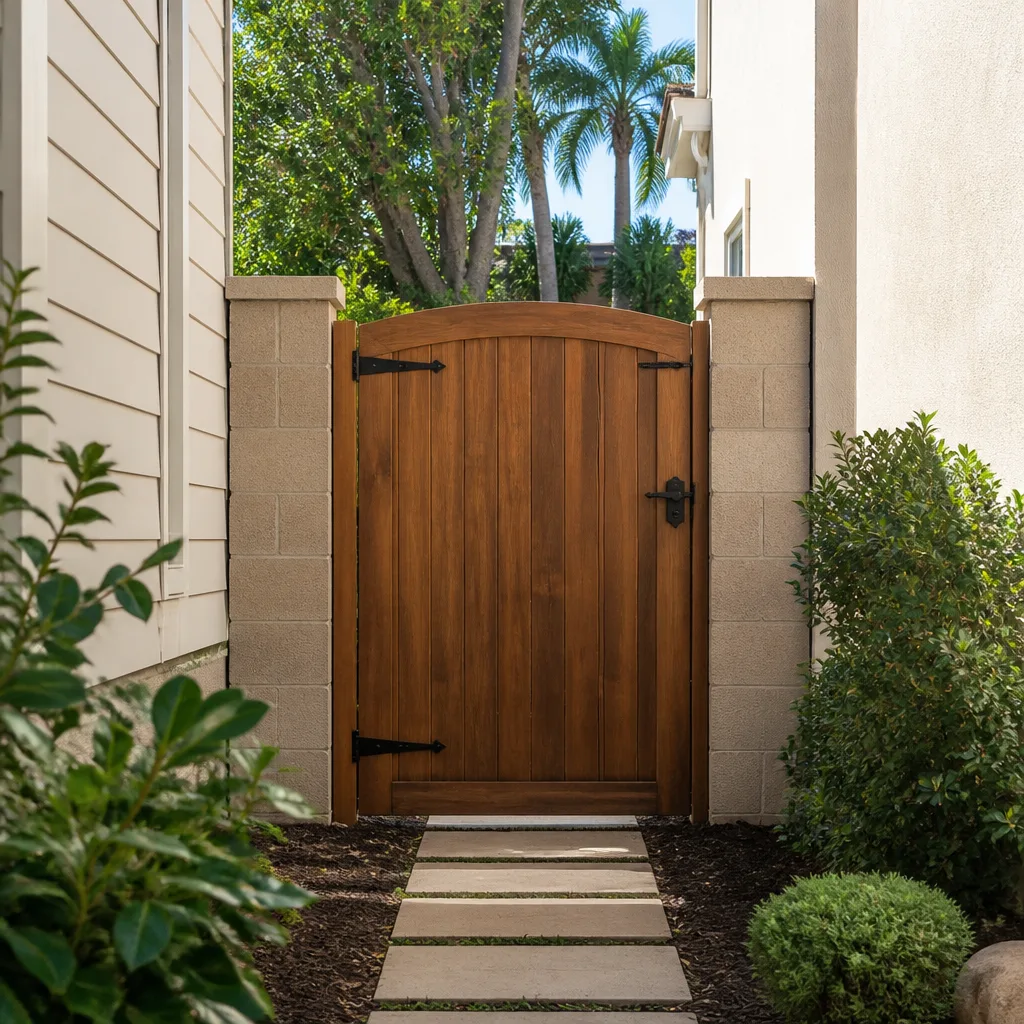
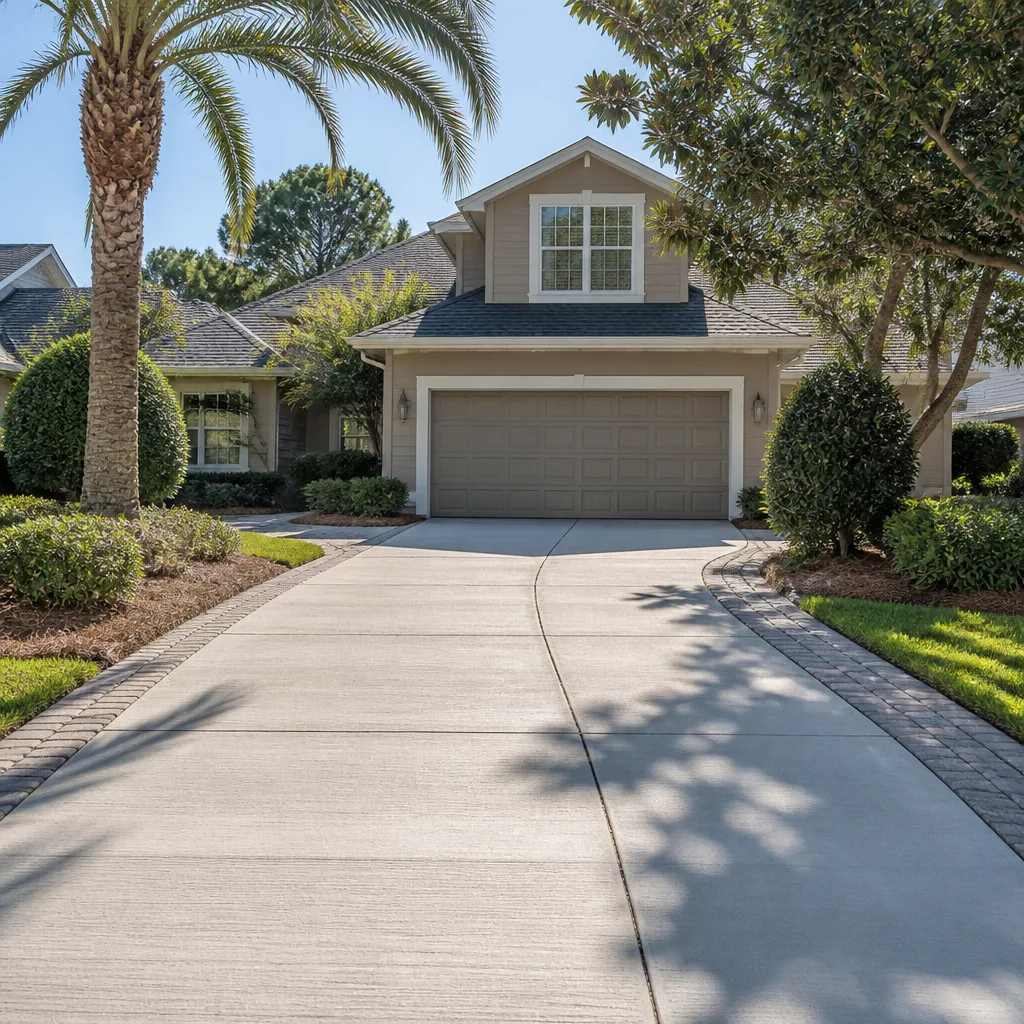
Free written scope consultation - allowances, timeline, and change-order rules on paper before a single trade is scheduled
DIY vs Professional Construction: The Henderson Homeowner’s Decision Guide
In Henderson, a DIY concrete pour that fails isn’t just an eyesore in the driveway. It can trigger an HOA violation, put your homeowner’s insurance coverage for related damage in question, and create a disclosure obligation the day you list the house. That reframes the whole DIY debate. Most homeowners weigh materials and labor against a contractor’s bid and call it a money question. In Henderson it’s a liability question first, and the money math only works once you’ve accounted for permits, covenants, our clay-heavy desert soil, and what happens when a self-performed project goes wrong. This guide walks through which jobs you can genuinely take on, where the legal and structural lines sit, and how to compare a real pro bid against the true cost of doing it yourself.
Quick Answer
In Henderson, DIY is genuinely viable for cosmetic and non-structural work like interior painting, swapping light fixtures, installing a fence on an existing line with HOA approval, or building raised garden beds. Anything that touches structure, grading, drainage, electrical, gas, or roofs should go to a licensed contractor, and Nevada law sets a dollar threshold above which a licensed contractor is legally required regardless of your skill. HOA covenants in many Henderson communities restrict self-performed exterior work, and our clay-heavy soil makes DIY flatwork fail at a disproportionate rate. The deciding factor isn’t whether you can swing a hammer. It’s who carries the liability when the work fails.
Styles & brands we work with
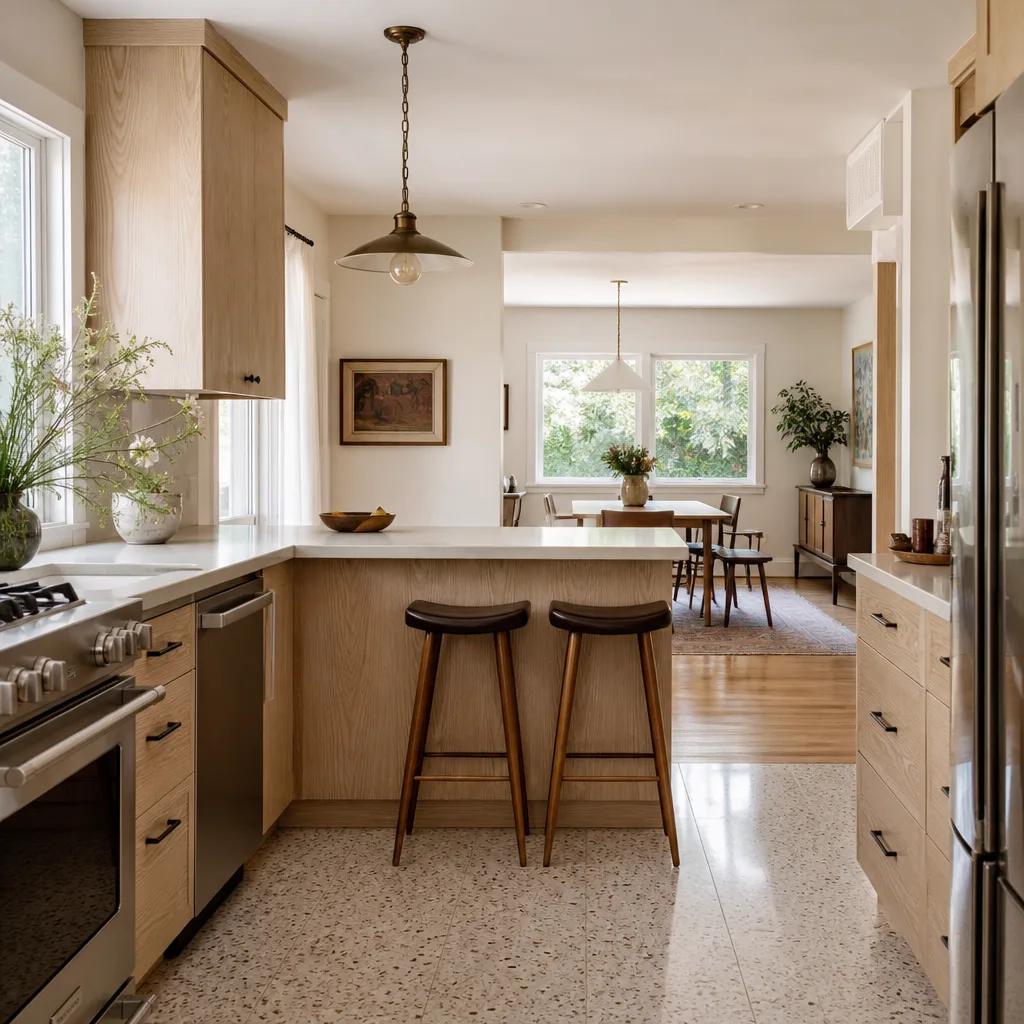
- Kitchen remodeling
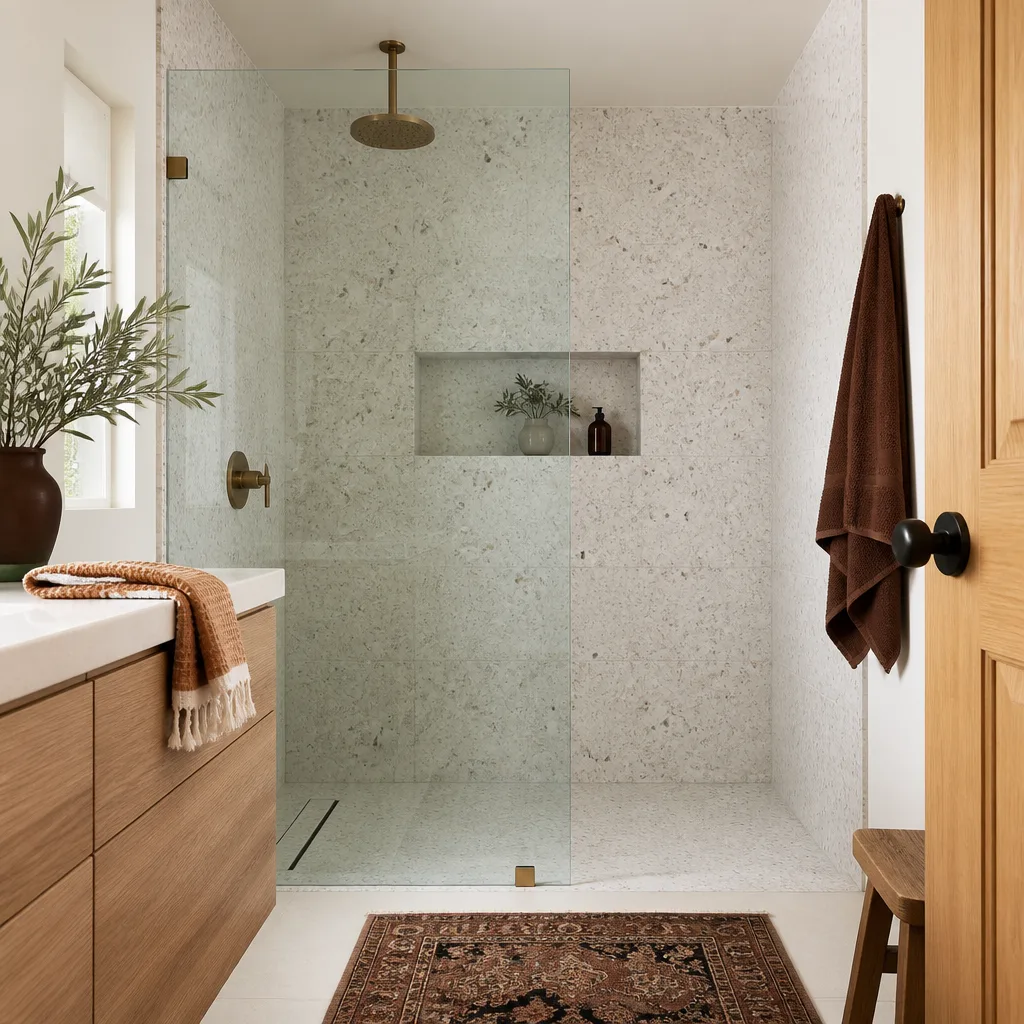
- Bathroom remodeling
- Home additions & ADU
- Roofing
- Windows & doors
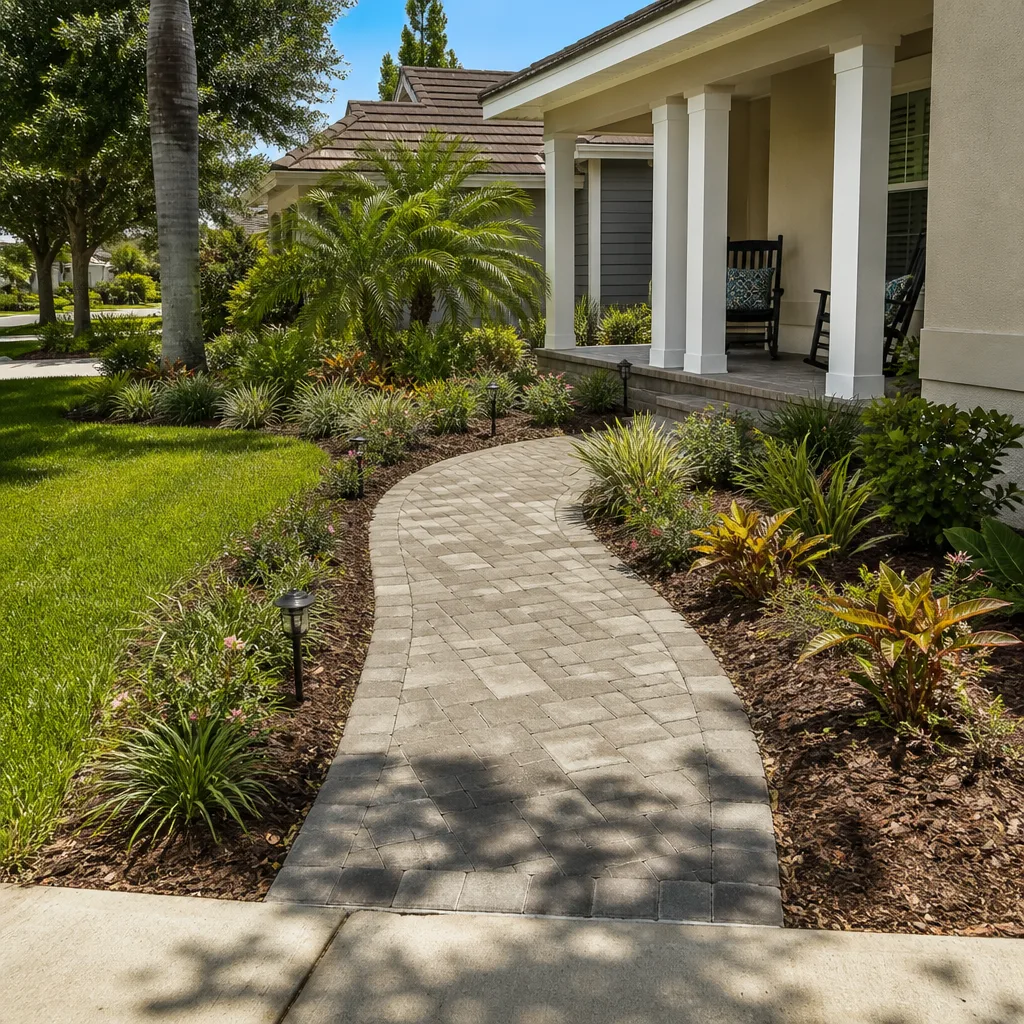
- Driveway & pavers
- Fence
Table of Contents
- The Henderson Liability Lens: Why This Isn’t a Money Question
- Which Projects Are Genuinely DIY-Viable in Henderson
- Nevada Contractor Licensing: Where DIY Crosses the Legal Line
- Reading Your HOA Covenants Before You Pick Up a Tool
- The Soil Compaction Problem: Why DIY Flatwork Fails Here
- The Honest Cost Comparison, Warranty Included
- Common Mistakes to Avoid
- When to Call a Professional
- Frequently Asked Questions
The Henderson Liability Lens: Why This Isn’t a Money Question
Start with what a failed DIY project actually costs, because it’s rarely the project itself. When a self-poured slab cracks and heaves, the repair is one line item. The cascade is another: an HOA fine for an unapproved or non-compliant improvement, an insurance adjuster who questions whether the damage stems from unpermitted work, and a future buyer’s inspector who flags it in the disclosure. In Henderson, where a large share of homes sit inside planned communities with recorded covenants, that cascade is more likely than in a rural county with no association and looser oversight.
A pro bid prices the work. A DIY project prices the work plus the risk you’ve just accepted onto your own balance sheet. Those aren’t the same number, and the gap widens fast on anything structural or exterior. The question worth asking isn’t “can I build this?” It’s “can I carry what happens if it fails?” We’ve walked Henderson homeowners through the aftermath of both answers, and the second one is almost always cheaper.
What “liability” actually means for a homeowner
Three concrete exposures drive the reframe:
- HOA enforcement. A recorded covenant violation can require removal and rebuild at your cost, sometimes with fines accruing while you sort it out.
- Insurance gaps. Carriers can deny or reduce a claim when damage traces to unpermitted or improperly performed work, and a cracked slab that undermines a foundation is exactly the kind of claim they scrutinize.
- Disclosure duty. Nevada sellers must disclose known defects. An unpermitted addition or a failing self-built structure becomes a negotiating chip for the buyer or a reason a sale falls apart.
None of this means never touch your own house. It means the decision deserves a liability filter before a cost filter. That’s the lens this whole guide runs through, and it’s the difference between a weekend project and a five-figure problem.
Which Projects Are Genuinely DIY-Viable in Henderson
Plenty of work around a Henderson home is fair game for a careful homeowner. The pattern is simple: if the project is cosmetic, reversible, doesn’t touch structure or utilities, and doesn’t require a permit, you can usually take it on with confidence. The moment you’re cutting into the envelope, changing grades, or moving water and power, the calculus flips.
Reasonable DIY in Henderson
- Interior painting. Low risk, no permit, fully reversible. Prep and primer matter more than the brush.
- Swapping fixtures and hardware. Replacing a light fixture on an existing circuit, changing cabinet pulls, or installing a ceiling fan with the power off at the breaker is homeowner territory.
- Landscaping and planting. Desert-appropriate planting, mulch, drip-line additions on an existing spigot, and raised beds are all low-stakes.
- Fence repair on an existing, approved line. Replacing a few pickets or a gate latch is fine. A full new fence run is a different story once HOA approval and property lines enter the picture, which is why we treat fence installation in Henderson as a permit-and-covenant question as much as a build.
- Cosmetic tile and backsplash. A kitchen backsplash over sound substrate is a genuine DIY win. Tearing out and rebuilding a shower pan is not.
Where DIY becomes a legal or structural risk even when done correctly
These jobs can look right and still fail the liability test:
- Anything requiring a permit. Permitted work must be inspected, and a homeowner pulling a permit to self-build a structural element puts the inspection burden and the warranty gap squarely on them.
- Roof work. Height, heat, and the risk of a leak that shows up months later make this a professional call. A roofing failure in the desert sun compounds fast.
- Electrical panel work and any gas line. Genuinely dangerous. These are not homeowner projects at any skill level.
- Additions and ADUs. Structural, permitted, inspected, and often HOA-reviewed. A home addition or ADU in Henderson touches foundation, framing, utilities, and covenants at once.
- Driveways, patios, and pavers. The failure here is invisible for a season and then obvious. More on the soil below.
The honest test: if the job needs a permit, an inspection, or a structural sign-off, the DIY savings are usually a loan against future risk, and the interest is steep.
Nevada Contractor Licensing: Where DIY Crosses the Legal Line
Here’s what most DIY guides skip. Nevada doesn’t just regulate contractors, it regulates the point at which work legally requires a licensed contractor, and that threshold applies to homeowners too. In broad terms, once a construction project crosses into the range where a permit is required and the contract value reaches Nevada’s statutory threshold (commonly framed around the $1,000 mark for regulated work), a licensed contractor is required for that work, regardless of whether you’re paying someone or doing it yourself on a project that falls under the permitting rules. The exact dollar figure and how it applies to owner-builder exemptions is defined in Nevada Revised Statutes and administered by the Nevada State Contractors Board, and it’s worth confirming your specific project against current rules before you start.
We’re being deliberately precise about the framing because the details matter and they change. What we can tell you plainly: Nevada takes the owner-builder exemption seriously but narrowly. It covers a homeowner building on their own primary residence for their own use, not for resale, with the understanding that the homeowner accepts the inspection and disclosure consequences. The moment you’re building to sell, building for someone else, or crossing into permitted structural work, the licensed path is the legal one.
How to check where your project lands
- Call the City of Henderson building department and ask whether your specific project requires a permit.
- If a permit is required, ask whether an owner-builder permit is allowed for that scope or whether a licensed contractor must pull it.
- Confirm the current dollar threshold and owner-builder rules with the Nevada State Contractors Board before committing.
- Get the answer in writing, and keep it. It’s your protection if a question comes up at resale or in an insurance review.
The pattern we see: homeowners assume the permit is about paperwork. It’s actually about who carries liability for the finished work. That’s the whole point of the licensing threshold, and it’s why “I’ll just do it myself to save the permit” so often backfires.
Reading Your HOA Covenants Before You Pick Up a Tool
Many Henderson communities, especially the master-planned ones, carry recorded covenants that restrict or prohibit self-performed exterior work. That’s not a rumor or a myth, it’s black-and-white language in the CC&Rs (covenants, conditions, and restrictions). A covenant might require licensed-contractor installation for fences, hardscape, roofs, or additions, or it might require architectural review and written approval before work begins. Either way, the covenant can override your assumption that “it’s my property, I can build it.”
This is where the liability reframe gets very concrete. If you self-perform work your covenants prohibit, the association can require you to tear it out and rebuild to spec, at your cost, sometimes with fines accumulating while you sort it out. A perfectly good fence built without the required approval is still a violating fence.
How to check yours before you start
- Pull your CC&Rs from your closing documents or request them from your HOA management company.
- Search for the words “licensed contractor,” “architectural review,” “approval,” and the specific project type (fence, roof, hardscape, addition).
- Submit an architectural review request even if you’re unsure. Approval is cheaper than removal.
- Ask your association directly whether self-performed work is allowed for your project, and get the answer in writing.
When we install fencing or pavers in Henderson, the covenant review is part of the job. Materials like Belgard pavers for a Henderson driveway and Bufftech or Jerith fencing are common in planned communities for exactly this reason: they meet covenant specs associations already recognize, which removes a whole category of approval friction. It’s not a sales pitch, it’s why those brands show up again and again in these neighborhoods.
The Soil Compaction Problem: Why DIY Flatwork Fails Here
Henderson’s ground is clay-heavy, and clay behaves very differently from the sandy soil DIY videos are usually shot on. It swells when wet, shrinks when dry, and moves under a slab that isn’t properly compacted and base-prepped. A driveway, patio, or walkway poured on inadequately compacted clay subgrade will often crack and heave within a season or two, and the failure looks like a bad pour when the real culprit is the base underneath it.
The professional difference is equipment and process, not muscle. Compaction is a machine job. Plate compactors, jumping-jack rammers, and proper moisture conditioning during compaction are what prevent the settlement that cracks DIY flatwork. A homeowner with a hand tamper and a rented mixer can produce a slab that looks fine on day one and fails by the second summer. We’ve seen that pattern repeat across Henderson driveways and patios enough times that we treat base prep as the whole ballgame.
What good flatwork actually requires
- Excavation to proper depth for the base course, not just scraping the surface.
- Mechanical compaction in lifts with the right moisture content, done in stages, not one pass.
- A compacted aggregate base thick enough to spread load and isolate the slab from clay movement.
- Proper reinforcement and control joints placed to direct cracking where it’s harmless.
- Drainage graded away from the structure so water doesn’t pond against the foundation.
Each of those steps is invisible in the finished product and decisive in whether it holds up. That’s the structural reason flatwork is on the “call a pro” list in Henderson, separate from any legal question. The ground here simply doesn’t forgive shortcuts the way a sandier market might.
The Honest Cost Comparison, Warranty Included
Most DIY-vs-pro comparisons stop at materials and labor. That’s the wrong ledger. The honest comparison includes the value of a transferable workmanship warranty, the cost of permits and inspections you’d carry yourself, and the risk-adjusted cost of failure. When you line those up, the pro bid often closes much of the apparent gap, and sometimes it wins outright once you price the risk you’re taking on.
Line-item comparison
| Cost category | DIY | Professional |
|---|---|---|
| Materials | Retail pricing, often higher without trade accounts | Trade pricing passed through or built into a fixed bid |
| Labor | Your time, plus rental equipment | Included in the bid |
| Permits & inspections | Pulled by you, inspection risk on you | Pulled by the contractor, inspections passed as part of the job |
| Equipment | Rented, often under-specified for the job | Professional-grade, correct for the soil and scope |
| Workmanship warranty | None | Backed in writing, transferable in many cases |
| Risk of failure | You carry it | Contractor carries it |
| Resale/disclosure impact | Unpermitted work becomes a negotiating chip | Permitted, inspected, documented |
The warranty line is the one homeowners undervalue most. A written workmanship guarantee means that if the work fails, someone else fixes it. That’s a real transfer of risk, and it has a dollar value. Groundwork Construction Co. of Henderson backs all projects with a 730-Day Done Right Promise: if it’s not done right, we make it right. That’s two full years of standing behind the work, which is a very different proposition from a handshake and a hope.
The financing angle that changes the math
One more number most DIY comparisons ignore. Groundwork offers no-hassle upfront pricing, 0% financing for 18 months, and $1,000 off projects over $10,000. Those offers don’t shrink the underlying cost, but they change what’s actually reachable for a household planning a meaningful remodel. A pro project you can finance at 0% over 18 months with a $1,000 credit is often more accessible than the pile of retail material receipts and rented equipment a big DIY job runs up, without the warranty gap. For a full-scope project, the pro path also means one contractor from foundation to finish line instead of you coordinating every trade. You can see the full range of what that covers on our Groundwork Construction Co. of Henderson home page.
Common Mistakes to Avoid
- Skipping the covenant check. Building a fence or hardscape without architectural approval can mean removal and rebuild at your cost, no matter how good the work looks. Pull the CC&Rs first.
- Assuming “my land, my rules.” In a Henderson planned community, the recorded covenant can restrict self-performed exterior work. The association’s rules ride along with your deed.
- Under-compacting flatwork on clay. A hand tamper and a rented mixer aren’t enough for Henderson’s clay-heavy ground. The slab looks fine on day one and heaves within a season or two.
- Pulling an owner-builder permit for structural work. You absorb the inspection burden and the warranty gap, and the work can become a disclosure item at resale. Confirm the licensing threshold before you commit.
- Treating “no permit needed” as “no risk.” Unpermitted work that causes damage can complicate an insurance claim and surface in a buyer’s inspection. The paperwork is your protection.
- Comparing only materials and labor. Ignoring the value of a transferable workmanship warranty makes DIY look cheaper than it is. Price the risk you’re accepting.
- Starting an exterior project in peak summer. Henderson heat makes concrete cure too fast and turns roof work hazardous. Season and schedule are part of the plan, not an afterthought.
When to Call a Professional
Call a licensed contractor when the project touches structure, the building envelope, electrical, gas, or grading; when a permit or HOA architectural review is required; when the work is flatwork on Henderson’s clay soil; or when the failure of the job could surface in an insurance claim or a future sale. Those are the scenarios where the liability transfer is worth more than the DIY savings. Groundwork Construction Co. of Henderson offers free estimates in Henderson, with upfront pricing and no surprises, so you can compare a real bid against the true cost of doing it yourself. Call (844) 320-6757 to schedule yours, and we’ll walk you through the permit, covenant, and soil questions specific to your project before you commit to either path.
Frequently Asked Questions
Yes, for work that doesn’t require a permit or cross Nevada’s licensing threshold, and that your HOA covenants permit. Nevada’s owner-builder exemption allows a homeowner to build on their own primary residence for their own use, but permitted structural work and projects above the statutory threshold generally require a licensed contractor. Confirm your specific scope with the City of Henderson building department and the Nevada State Contractors Board before you start. Call (844) 320-6757 if you want a professional read on whether your project needs a license.
Nevada sets a statutory threshold, commonly framed around the $1,000 mark for regulated work, above which a licensed contractor is required, with owner-builder exemptions defined in statute. The exact figure and how it applies to your project change with scope and permitting, so confirm current rules with the Nevada State Contractors Board. Crossing that line without a licensed contractor can cost far more than the bid you were trying to avoid. Call (844) 320-6757 for a free estimate that prices the licensed path accurately.
Many Henderson planned communities restrict self-performed exterior work and require architectural review and written approval before work begins. Check your CC&Rs for the words “licensed contractor,” “architectural review,” and the specific project type, then submit an approval request even if you’re unsure. Approval is always cheaper than removal. If your association requires a licensed installer, call (844) 320-6757 and we’ll handle the covenant-compliant materials and documentation.
Henderson’s clay-heavy soil swells and shrinks with moisture, and a slab on inadequately compacted subgrade will crack and heave within a season or two. Proper mechanical compaction, correct base depth, reinforcement, and control joints are what prevent it, and those need professional equipment and process. The finished slab hides every shortcut until it fails. Call (844) 320-6757 for a free estimate on flatwork built for this soil.
It can. Carriers may deny or reduce a claim when damage traces to unpermitted or improperly performed work, and Nevada sellers must disclose known defects, so unpermitted work can become a negotiating chip or a reason a sale stalls. Permitted, inspected work with a written warranty avoids the whole category of problem. Call (844) 320-6757 for a free estimate that includes permits pulled and inspections passed.
Often yes, once you account for the transferable workmanship warranty, permits and inspections, and the risk of failure you’d otherwise carry yourself. Materials and labor alone can make DIY look cheaper, but the honest comparison prices the risk too. Groundwork backs every project with a 730-Day Done Right Promise, so if it’s not done right, we make it right. Call (844) 320-6757 for a free estimate and a straight comparison.
The Bottom Line
The DIY-vs-pro decision in Henderson comes down to liability first and money second. Cosmetic, reversible, permit-free work is fair game. Anything structural, exterior, permitted, or flatwork crosses into territory where Henderson’s HOA covenants, Nevada’s licensing rules, and our clay-heavy soil make the DIY savings a loan against future risk. A pro bid looks more expensive on the material-and-labor line and often closes the gap once you price the warranty, permits, and failure risk you’d otherwise carry. Groundwork Construction Co. of Henderson offers free estimates with upfront pricing and no surprises, backed by a 730-Day Done Right Promise. Call (844) 320-6757 to schedule yours and compare the real numbers before you commit.
Written by the team at Groundwork Construction Co. of Henderson.
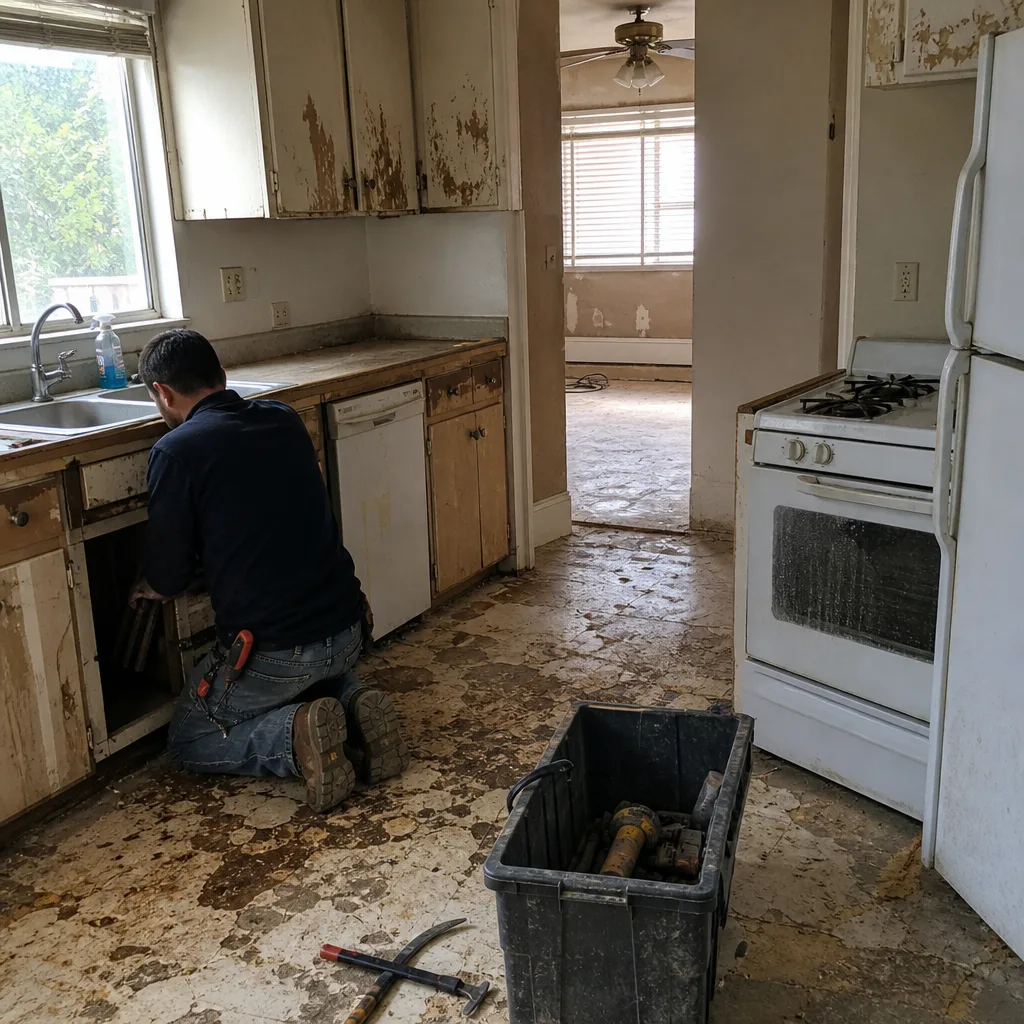
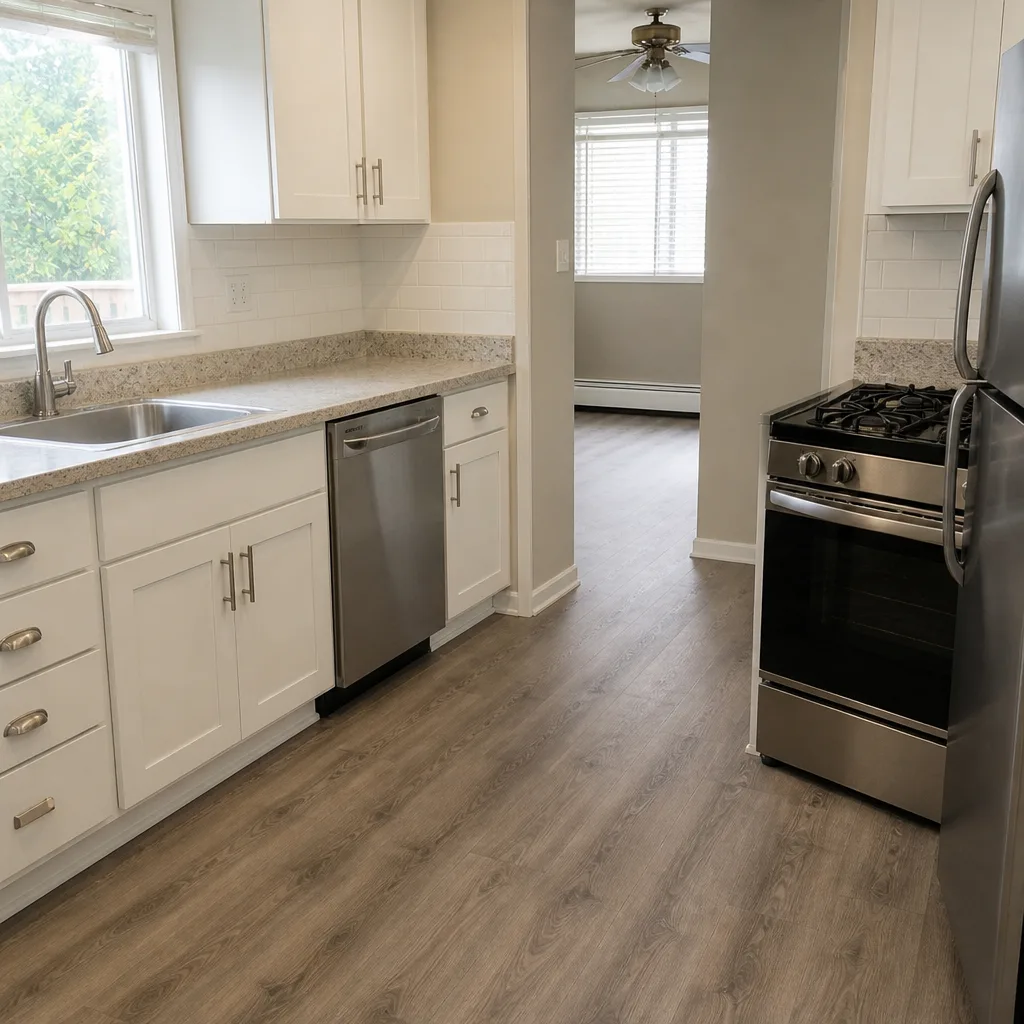
See the difference
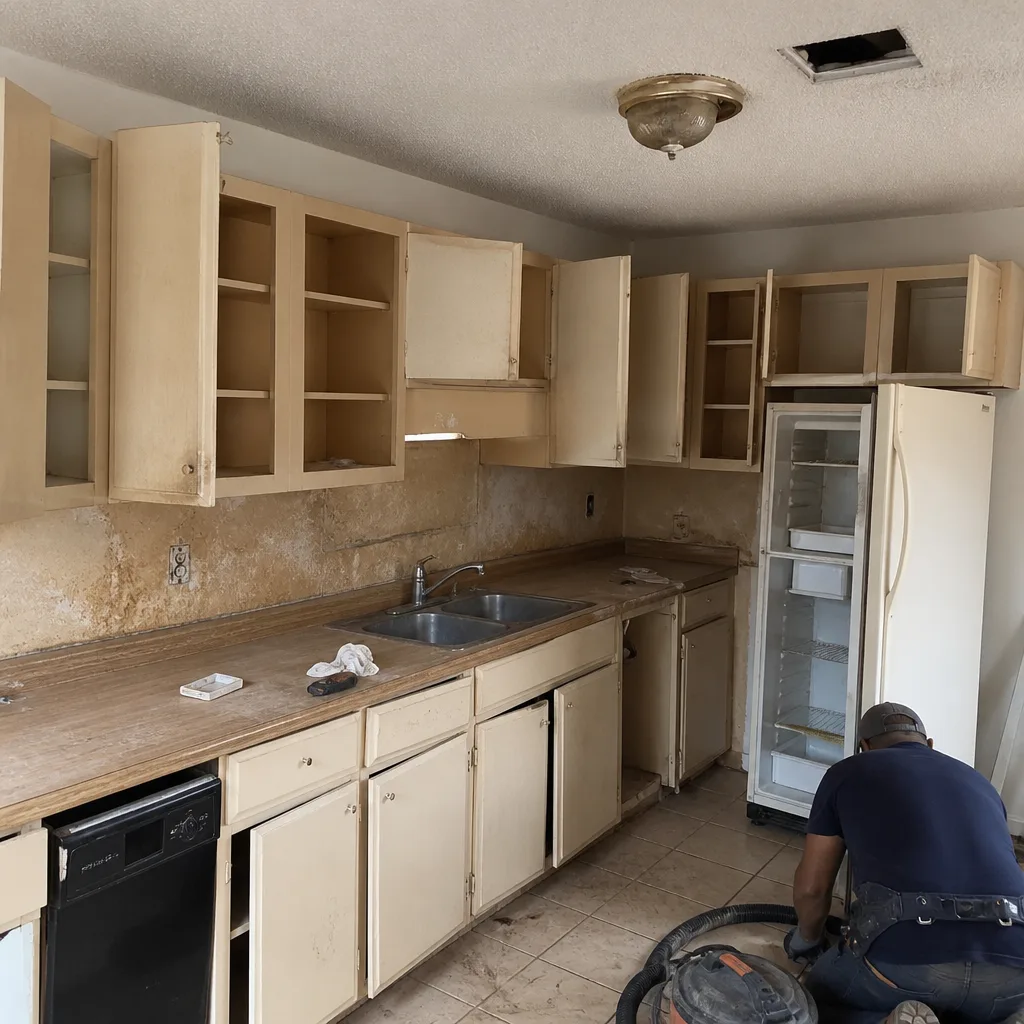 Before
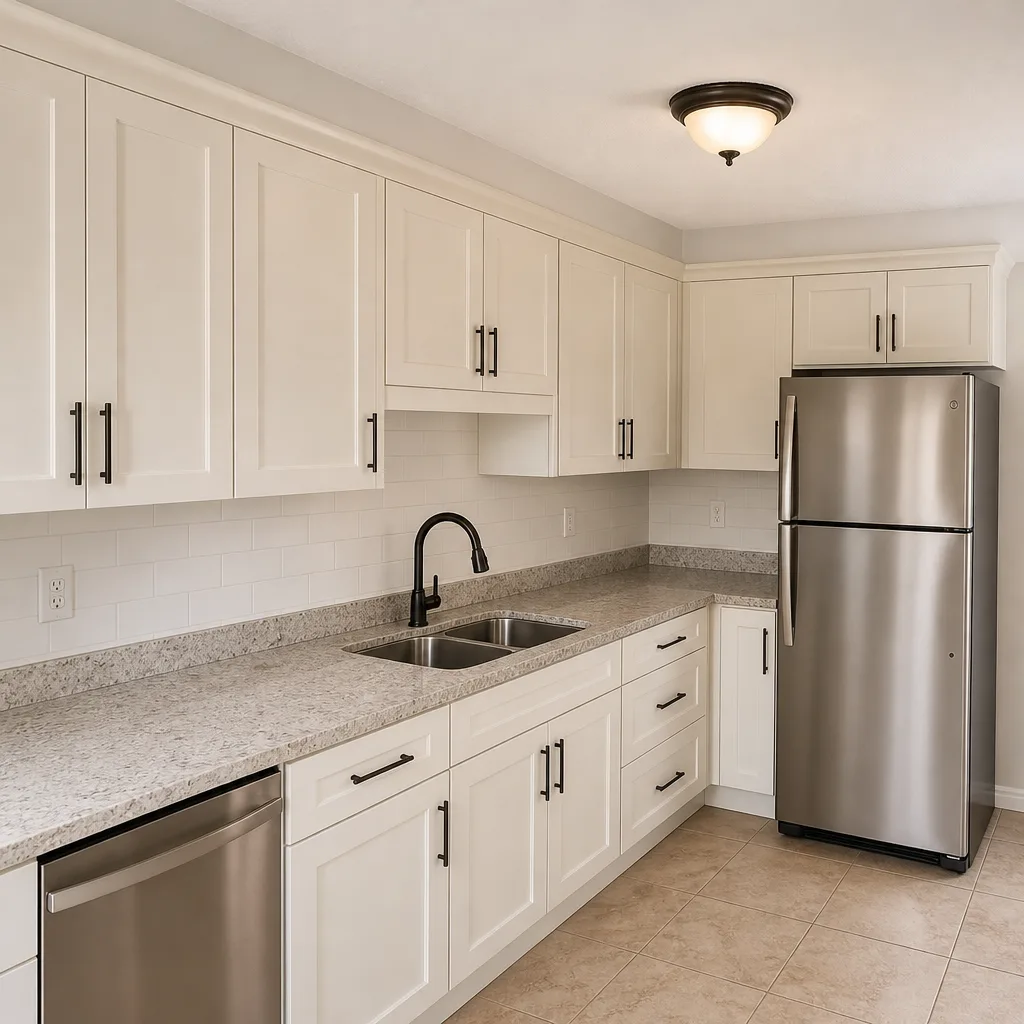 After
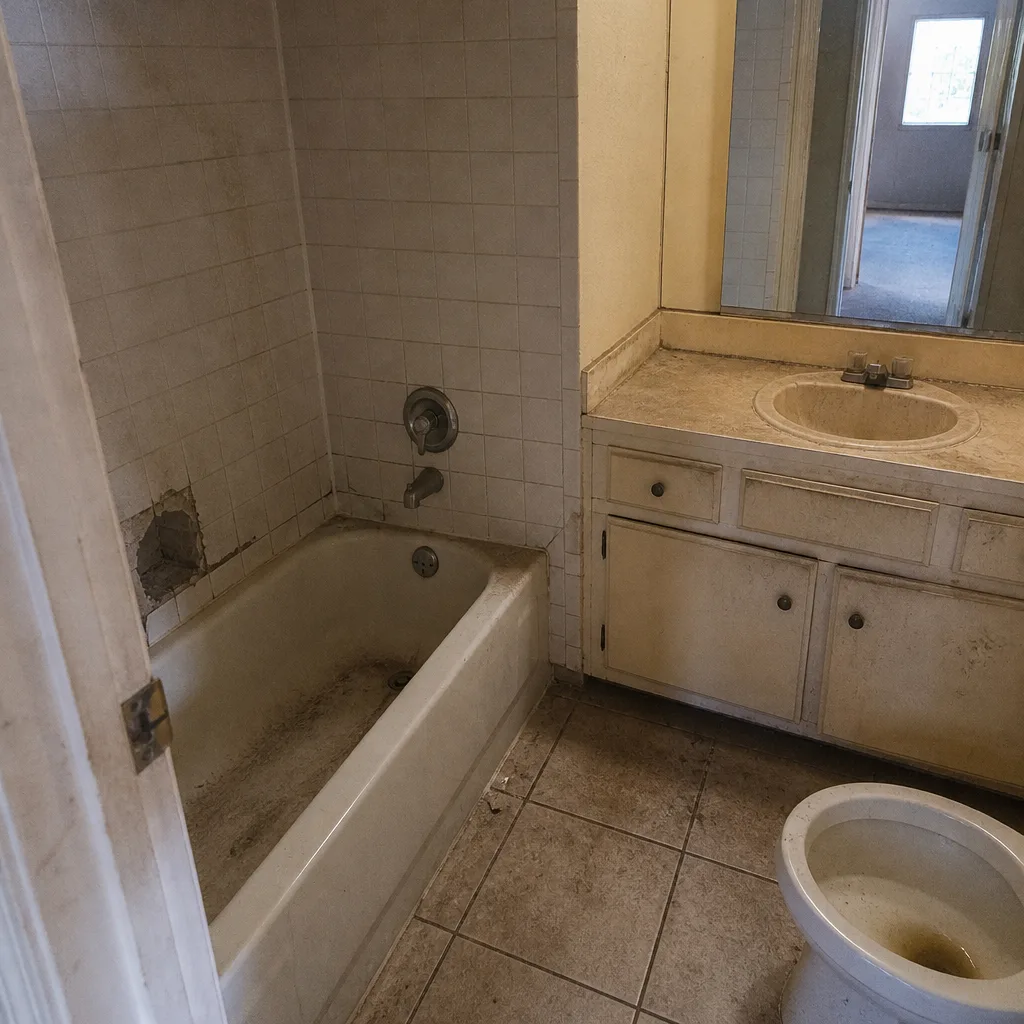 Before
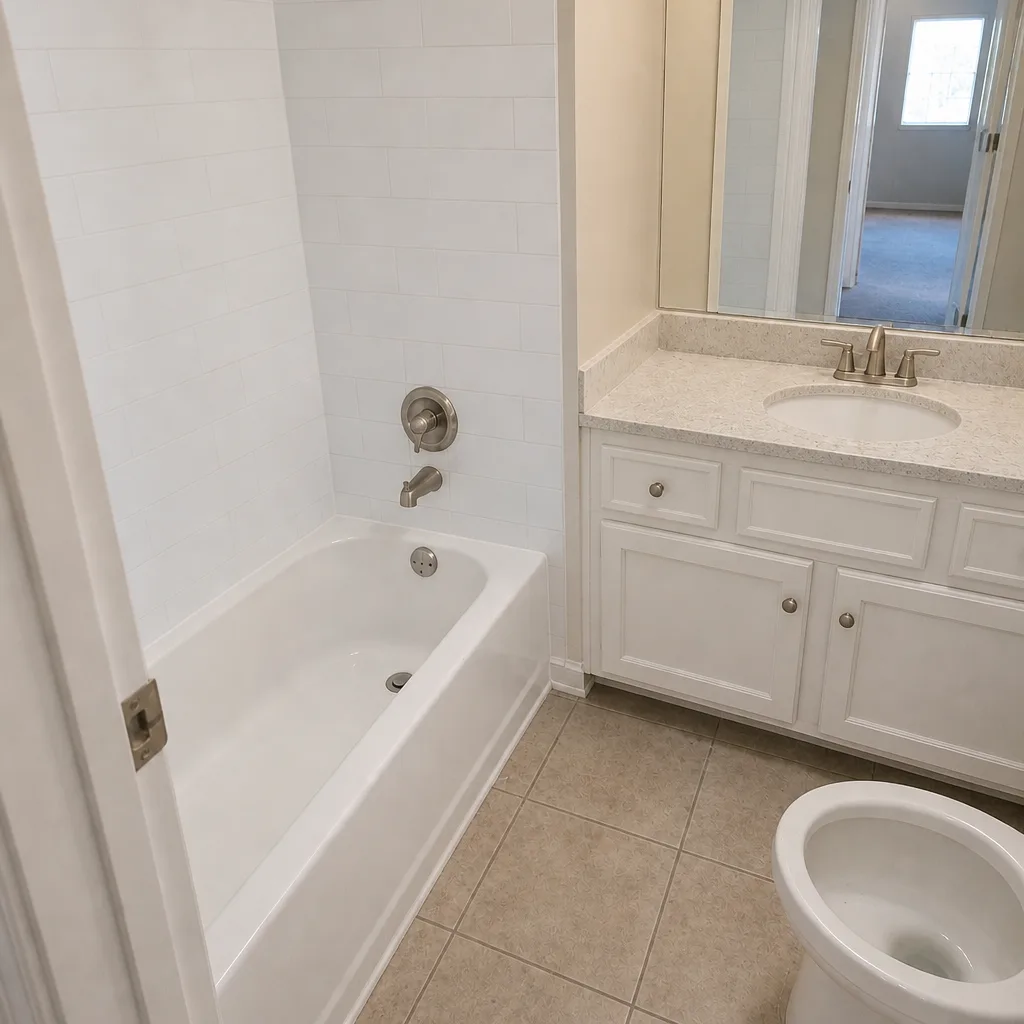 After
 Before
 After