Last updated November 18, 2026




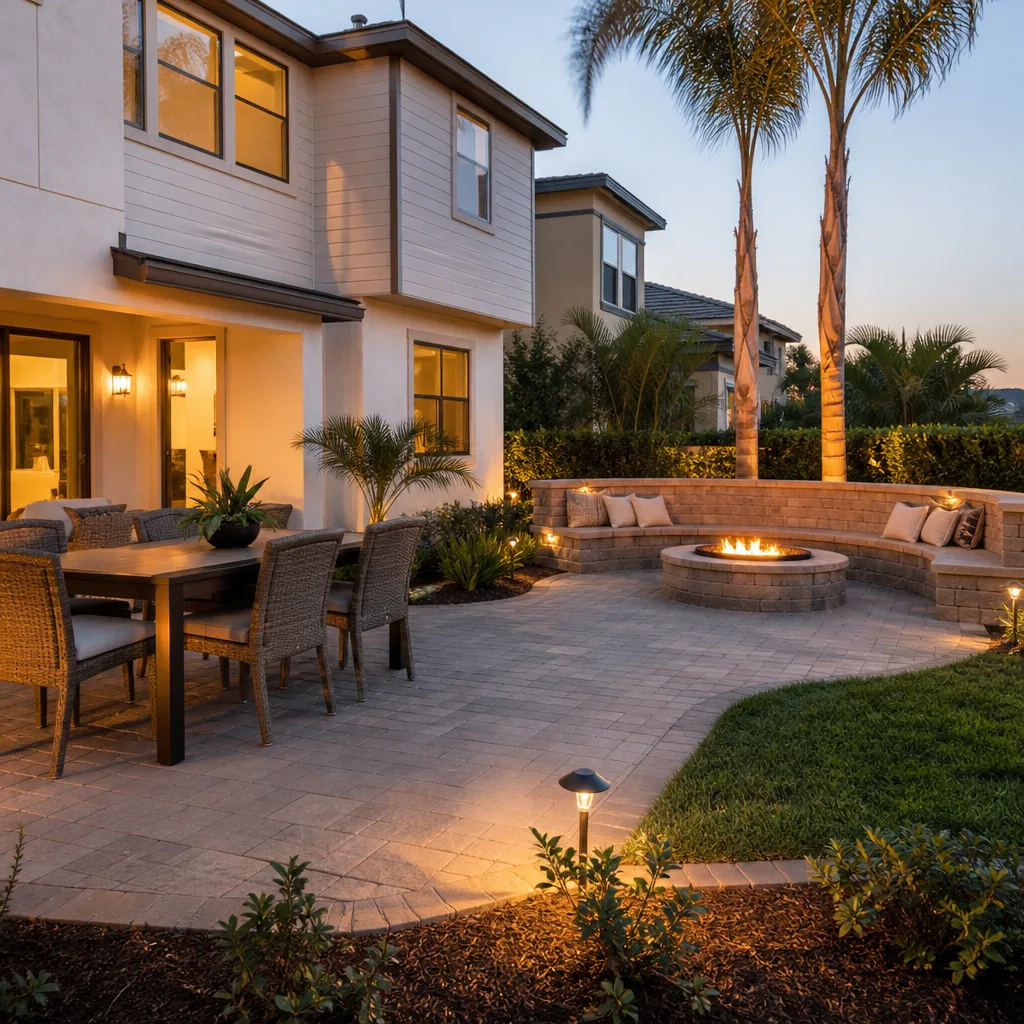

Free written scope consultation - allowances, timeline, and change-order rules on paper before a single trade is scheduled
Construction Emergency Preparedness Guide for Henderson Homes
A retaining wall with a hairline crack in May can be a collapsed wall by August in Henderson. The desert heat cycle loads concrete and masonry every single day, and when monsoon season arrives, saturated clay soil pushes against structures that were never built for that kind of pressure. Most homeowners here prepare for power outages and water shortages. Far fewer prepare for the slow-motion structural emergencies that escalate between a contractor’s first inspection and their next available appointment. This guide covers the emergencies most likely to hit a Henderson home, how to document them so a contractor or insurer can act immediately, what you can safely shore up yourself, who to call first, and how a written workmanship warranty works when the clock is running.
Quick Answer
The most common construction emergencies in Henderson are retaining wall failure, flatwork heaving, monsoon drainage backup, and foundation cracking in expansive clay soil. Your first move is always to document the damage with dated photos and video, stop using or evacuate any structurally compromised area, then call the right party in the correct order: contractor first for stability and scope, insurer second for coverage, city building department third for permits and code enforcement. Never try to prop up a failing retaining wall or pour your own structural repair without an engineer’s input.
Styles & brands we work with
- Kitchen remodeling
- Bathroom remodeling
- Home additions & ADU
- Roofing
- Windows & doors
- Driveway & pavers
- Fence
Table of Contents
- Why Henderson Homes Face Unique Construction Emergencies
- The Four Failures Most Likely to Escalate in Henderson
- How to Document Structural Concerns the Right Way
- Emergency Triage: What You Can Shore Up vs. What Means Evacuate
- Who to Call First: Contractor, Insurance, or City
- What a 730-Day Warranty Covers in an Emergency
- Seasonal Prep Calendar for Henderson Homeowners
- Before, During, and After: A Numbered Response Plan
Why Henderson Homes Face Unique Construction Emergencies
Henderson sits on ground that shifts. The expansive clay soils common in neighborhoods from Green Valley to Anthem swell when wet and shrink when dry, and the swing between a 110-degree July and a 45-degree January is enough to open hairline cracks that let water into places it should never reach. Add the fact that most of the valley’s housing stock was built during rapid growth spurts where drainage was engineered to minimum standards, and you get a recipe for failures that look sudden but have actually been developing for years.
We’ve seen this pattern repeatedly. A homeowner in MacDonald Ranch notices a crack in the garage slab in spring, ignores it because it’s only a quarter-inch, and by the time the first monsoon dumps an inch of rain in an hour, water is under the slab and the crack is three-quarters of an inch with a visible step. The heat cycle and monsoon saturation don’t wait for your contractor’s next appointment slot. This is why construction emergency preparedness in Henderson has to start long before the emergency.
Three local factors drive nearly every sudden failure we respond to:
- Expansive clay soils that expand up to 30 percent when saturated, pushing against foundations, driveways, and retaining walls with thousands of pounds of force.
- The monsoon window from roughly July through September, when 15 to 20 percent of the valley’s annual rain can fall in just a few storms, overwhelming drainage systems engineered for average flows.
- Thermal cycling on flatwork and masonry, where daily expansion and contraction opens joints and cracks that let moisture penetrate and freeze-thaw cycles are absent but thermal shock is not.
Understanding these mechanisms is what separates a homeowner who catches a problem in May from one who files a major insurance claim in August. It’s the same reason a Groundwork Construction Co. of Henderson home inspection looks at grading and drainage before it looks at anything cosmetic.
The Four Failures Most Likely to Escalate in Henderson
1. Retaining Wall Failure
Retaining walls in Henderson fail in a predictable sequence. First, a hairline crack appears along the face or at a corner. Then the wall begins to lean – even a fraction of an inch is a warning sign. Then the drainage behind the wall clogs, water pressure builds, and the wall either bulges or shears off entirely. Walls in older Henderson neighborhoods like Lake Las Vegas and parts of Green Valley were often built with inadequate weep holes or no drainage aggregate, and after a decade of monsoon saturation, they’re primed to go.
If you see a lean, a crack wider than a quarter-inch, or soil pushing through the face, stop parking near the wall and keep kids and pets away. A failing retaining wall can move fast once the soil behind it is saturated. We’ve seen walls that looked fine on a Friday and were on the ground by Monday. A proper repair means rebuilding the drainage, not just patching the face, and that’s an engineered job, not a weekend project.
2. Flatwork Heaving and Settlement
Driveways, patios, and walkways heave when the soil beneath them expands, then settle when it dries and contracts. In Henderson, this shows up as lifted panels at expansion joints, trip hazards that appear overnight, and water that pools against the foundation because the slab has titled away from the house. Pavers installed over a poorly compacted base are especially vulnerable, which is why the base prep matters more than the paver itself. Our Driveway & Pavers in Henderson work starts with soil assessment and drainage before a single paver goes down.
3. Monsoon Drainage Backup
The most expensive water damage in Henderson doesn’t come from plumbing – it comes from stormwater that has nowhere to go. When a storm drops an inch of rain in an hour, water sheets across yards, backs up against fences and walls, and finds the lowest point, often a patio slab or a foundation stem wall. If your yard has a low spot near the house, a clogged swale, or a fence that blocks the natural flow, you have a monsoon backup risk. Fence lines matter here: a poorly set fence in a drainage path becomes a dam. Our Fence Installation in Henderson approach accounts for grading and water flow, not just property lines.
4. Foundation Cracking in Clay Soil
Not every foundation crack is a crisis. Vertical cracks in concrete are usually cosmetic; horizontal cracks, stair-step cracks in block walls, and cracks wider than an eighth of an inch that run through the slab are the ones that demand immediate attention. In Henderson’s clay soils, foundation movement is common, but progressive movement – cracks that widen over weeks – is the signal to act. If you can fit a nickel into a foundation crack and it was a dime last month, call a professional, not a handyman.
How to Document Structural Concerns the Right Way
When a contractor or an insurance adjuster opens your file, they need evidence they can use. A blurry phone photo with no scale and no date helps no one. Good documentation is the difference between a fast repair and a months-long dispute. Here’s how to do it right the first time.
- Photograph wide to tight. Start with a wide shot that shows the whole structure in context – the whole wall, the whole foundation corner, the whole yard drainage path. Then move in for medium shots showing the relationship between damage and surroundings. Finish with close-ups that include a scale reference: a coin, a tape measure, a pen.
- Record the date and time in the photo itself. Use your phone’s timestamp feature, or place a piece of paper with the date written on it in the frame. Timestamped photos carry weight with insurers and contractors alike.
- Capture video with narration. Walk the problem slowly and describe what you see and when you first noticed it. “This is the south retaining wall, the crack was quarter-inch wide on May 3rd and it’s now three-eighths on June 15th.” Verbal narration gives a contractor context they can’t get from stills.
- Document water paths after a storm. Photograph standing water, staining, and debris lines on walls, fences, and garage floors. These show the high-water mark and the direction of flow, which is critical for drainage diagnosis.
- Keep a paper log. Write the date, the observation, and any changes in a notebook. A chronological log with dates is far more persuasive than a folder of untitled photos, and insurers love it.
- Save every receipt for temporary repairs. Sandbags, tarps, pumps, and emergency mitigation costs are often reimbursable and prove you took reasonable steps to prevent further damage.
Send this documentation to your contractor before the visit when possible. The team at Groundwork Construction Co. of Henderson uses documentation to arrive prepared and to give a written line-item quote on the first visit, not a verbal estimate that shifts after work begins.
Emergency Triage: What You Can Safely Shore Up vs. What Means Evacuate
Here’s the honest answer most contractors won’t give you: most “emergency” repairs should not be done by a homeowner. But there are limited, genuinely safe steps you can take to prevent further damage while you wait for a professional. The line is clear – if a task requires lifting, propping, or altering a load-bearing or retaining structure, stop and call.
Safe for you to do:
- Move vehicles and belongings away from a failing wall, settling slab, or water path.
- Place sandbags or a rolled tarp to redirect surface water away from the foundation – not to stop it.
- Turn off the water supply to a leaking fixture and mop up standing water inside.
- Photograph and document everything before and after any temporary measure.
- Clear debris from exterior drains and swales if you can do so without climbing or entering a ditch.
Stop and call a professional immediately:
- Any retaining wall that has moved, leaned, or lost soil from behind it. A saturated wall can fail without warning, and propping one is how people get crushed.
- Foundation movement with stair-step or horizontal cracking. Do not attempt to lift, level, or underpin a slab.
- Roof or ceiling sag, or water intrusion during rain. Roof work involves height and structural risk; this is not a homeowner task, and the same is true for electrical and gas lines.
- Any structure with a bowing wall, a sagging beam, or a door that suddenly won’t close.
If you’re unsure, evacuate the affected area and call. Our team at Groundwork Construction Co. of Henderson answers with a live person, 24/7, so you can describe what you’re seeing and get a real answer about whether it’s safe to stay put.
Who to Call First: Contractor, Insurance, or City
The order depends on the emergency type. Getting this wrong wastes hours, and in a construction emergency, hours matter. Here’s the sequence we recommend for Henderson homeowners, sortable by situation.
Structural failure or imminent collapse (retaining wall, foundation, roof):
- Call a licensed contractor first. You need to know if the structure is safe to occupy before anything else. A contractor can assess stability and recommend evacuation or shoring.
- Call your insurer second. Report the damage and open a claim once you know the scope. Have your documentation ready.
- Call the City of Henderson building department third. If the repair requires a permit – and most structural repairs do – get the process started and confirm any code enforcement concerns.
Water intrusion or monsoon drainage backup:
- Stop the water source if you can do so safely, then document the damage.
- Call your insurer. Water damage claims have tight timelines, and mitigation receipts matter.
- Call a contractor for drainage diagnosis and repair, and confirm whether site grading changes require permits.
Gas or electrical emergency:
- Evacuate and call 911 and the utility, not a contractor. Never attempt to shut off or repair a gas line or electrical panel yourself.
- Call a licensed professional only after the utility has cleared the scene.
In Henderson, structural repairs and grading changes almost always need a permit, and pulling the permit correctly is part of the job, not an add-on. Groundwork Construction Co. of Henderson pulls permits and passes inspections on code-driven repairs, and every project carries the 730-Day Done Right Promise – if it’s not done right, we make it right.
What a 730-Day Warranty Covers in an Emergency
A 730-Day Done Right Promise is exactly what it sounds like: a two-year workmanship guarantee that holds even when something goes wrong. But how you invoke it in an emergency matters. The warranty protects the workmanship, not natural disasters or damage from outside causes, and understanding the difference keeps you from expecting coverage that isn’t there – or missing coverage that is.
How to invoke a 730-day workmanship warranty:
- Document the failure the same way you’d document a new problem. Photos, dates, a written log, and a clear description of what changed and when.
- Gather your original contract and scope of work. The warranty covers the work described in writing, so the paper trail matters.
- Call the company directly and describe the issue. A live answer 24/7 means you’re not waiting until Monday to start the process.
- Expect an inspection and a written plan. A reasonable response time for an emergency assessment is within hours, not weeks, and the plan should be in writing before repair work begins.
What the warranty doesn’t cover: damage from a monsoon flood that no one could have prevented, failures caused by someone else’s later work, or normal wear on materials that were installed correctly. What it does cover: workmanship that fails under normal conditions, the recurring crack that was supposedly fixed, the wall that leans again. That’s the distinction the 730-Day Done Right Promise is built around, and it’s one of the longest workmanship guarantees in the residential construction space. For larger structural questions, a Home Additions & ADU in Henderson consultation often starts with warranty and inspection records for exactly this reason.
Seasonal Prep Calendar for Henderson Homeowners
The single best defense against a construction emergency is a seasonal routine. Henderson’s climate has two dangerous windows – the intense heat load of summer and the monsoon saturation of late summer – and preparing for each keeps small issues from becoming August catastrophes.
- Spring (March to May): Walk the property and photograph every wall, slab, foundation, and fence line. Note any new cracks or movement. Clear winter debris from drains and swales. Schedule any needed repairs before the heat sets in, when contractor availability is better and materials are easier to source.
- Early summer (June to early July): Inspect retaining wall drainage, weep holes, and downspout discharge points. Confirm that soil grades slope away from the foundation. Test any sump pumps or drainage systems. This is the window when you can still get a non-emergency estimate and avoid emergency pricing.
- Monsoon (July to September): Keep sandbags on hand. Watch for pooled water after each storm and photograph it. Check foundation cracks for changes after each significant rain. Clear gutters and scuppers, and make sure your yard drains away from the house, not toward it.
- Fall (October to November): Repair anything the monsoon revealed. Have retaining walls and slabs re-inspected before the winter temperature swings. Schedule fence and paver work while the weather is mild and the ground is stable.
- Winter (December to February): Address any settling or heaving that appeared over the season. Plan next year’s drainage improvements and confirm any repairs are documented for warranty purposes.
Most of the emergencies we respond to in Henderson could have been prevented with a single seasonal inspection and a quick call in spring. That’s the whole premise of construction emergency preparedness, and it’s cheap compared to the repair.
Before, During, and After: A Numbered Response Plan
When something fails, panic is the enemy. This is the plan we recommend every Henderson homeowner keep saved on their phone. Print it, text it to yourself, and read it before you act.
Before an emergency (set this up now):
- Save the number of a trusted contractor and your insurer in your phone. Groundwork Construction Co. of Henderson answers with a live person, 24/7, and offers free estimates.
- Photograph your entire property now, room by room and wall by wall. Pre-damage photos are gold for insurance claims.
- Know where your main water shutoff, gas shutoff, and electrical panel are. Label them.
- Keep a basic emergency kit: sandbags, a tarp, a flashlight, a notebook, and a marker.
During an emergency:
- Get people and pets away from the danger first. Nothing in your yard is worth a trip to the ER.
- Stop the water or power if you can do so safely. If not, evacuate and call the utility.
- Document immediately, while the evidence is fresh. Photos, video, and a written log.
- Call the right party in the order we covered above. Contractor first for structural safety, insurer second, city third for permits – except for gas and electrical, where you call 911 and the utility first.
- Do only the safe temporary measures. Sandbag, tarp, mop, move belongings – never prop or alter structure.
After the immediate crisis:
- Get a written line-item quote for the repair, not a verbal estimate. Confirm permits will be pulled.
- Ask what the workmanship warranty covers. Groundwork Construction Co. of Henderson backs every project with the 730-Day Done Right Promise.
- Schedule the permanent repair during a mild season if possible, and keep all documentation for your file.
Common Mistakes to Avoid
- Waiting until the problem looks serious. A hairline crack in May is your warning shot. In Henderson’s heat and clay, waiting for it to get worse means the repair gets dramatically more expensive.
- Trying to prop or level a failing retaining wall yourself. Saturated clay behind a wall can push thousands of pounds. A homeowner who props a wall is one rainstorm from an injury and a full rebuild.
- Skipping photos before cleanup. Once you move the sandbags and mop the water, the evidence is gone. Document first, clean up second.
- Calling a handyman for structural work. Foundation, retaining wall, and roof work need licensed, insured, and permitted professional work. A cheaper repair that fails in a year costs more than the right repair now.
- Ignoring the permit process. Henderson structural and grading repairs require permits, and an unpermitted repair can complicate insurance claims and future home sales.
- Assuming the warranty covers everything. Workmanship warranties cover the work, not floods or third-party damage. Know what you’re covered for before you need it.
- Not checking drainage before installing a fence or pavers. A fence or paver job that blocks a drainage path becomes a monsoon dam. Base prep and water flow matter more than finish color.
See the difference
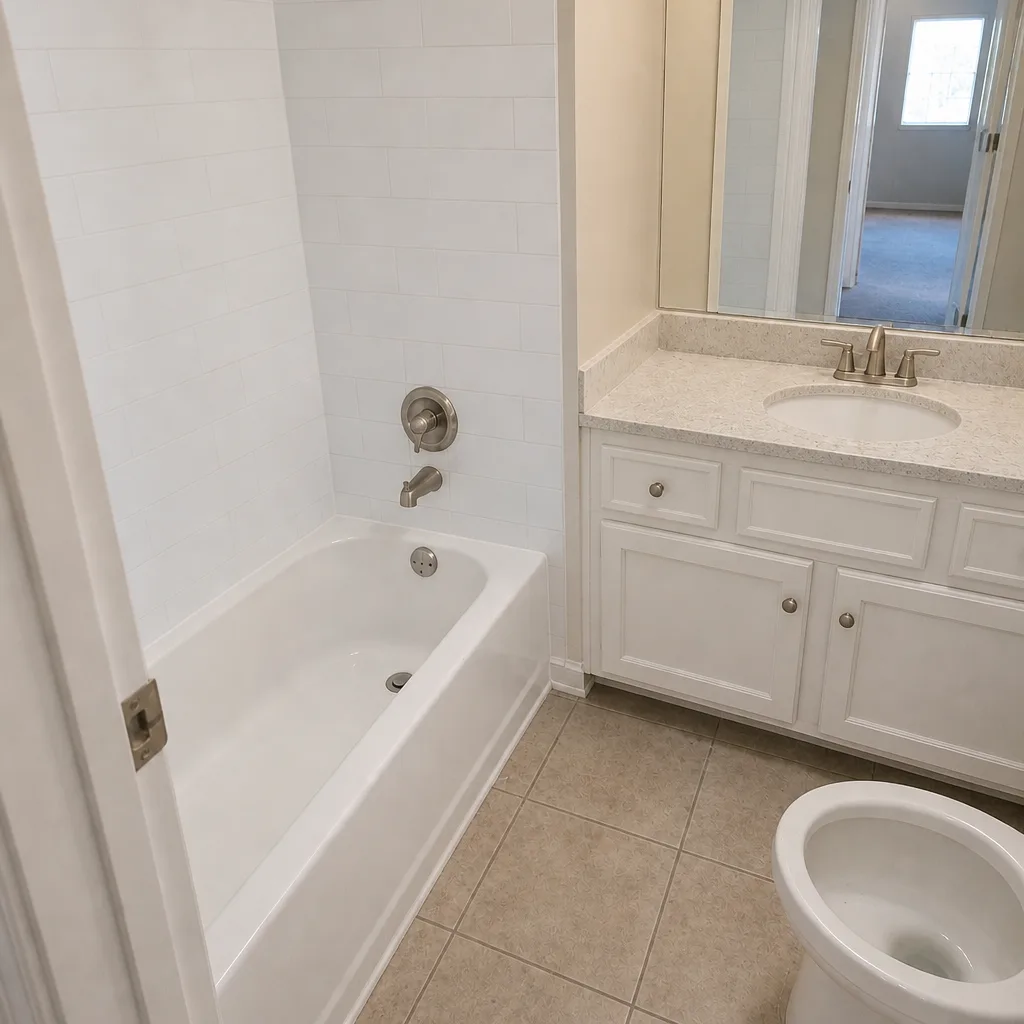
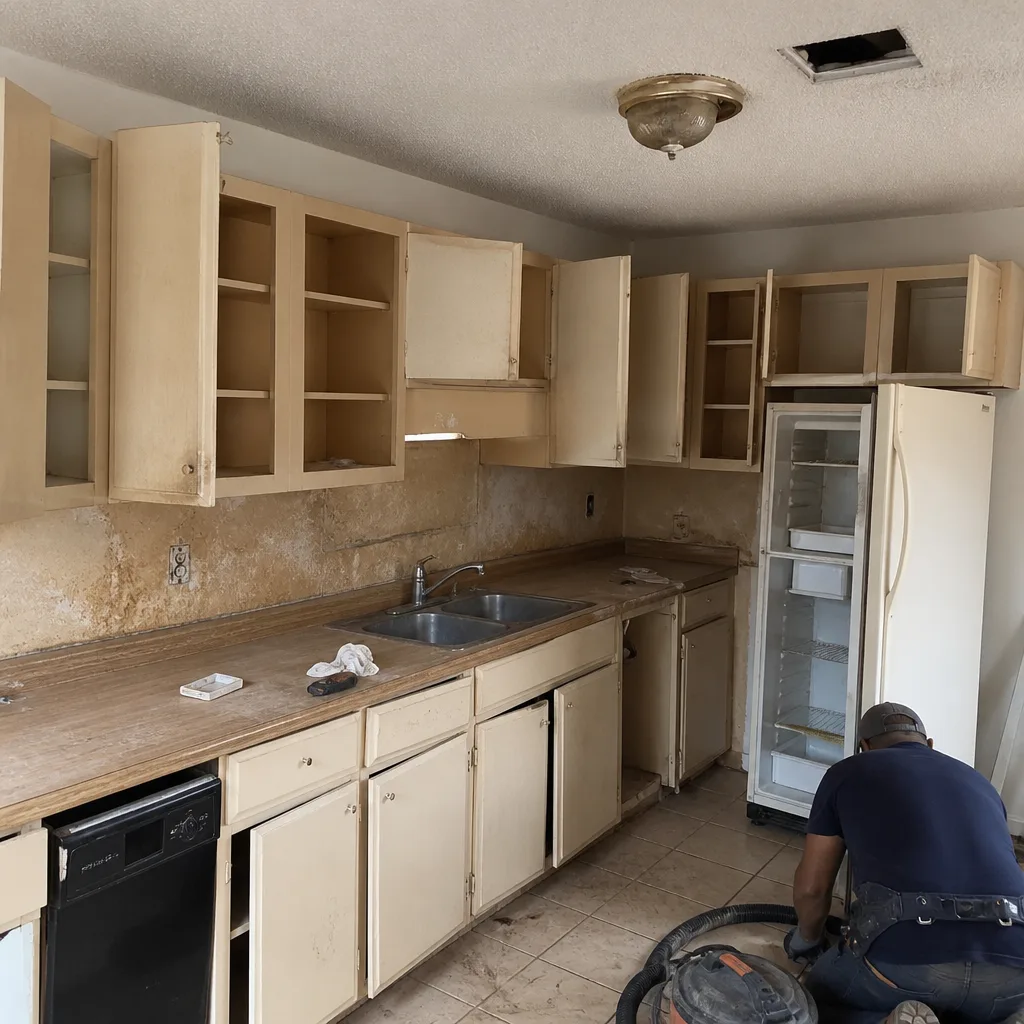 Before
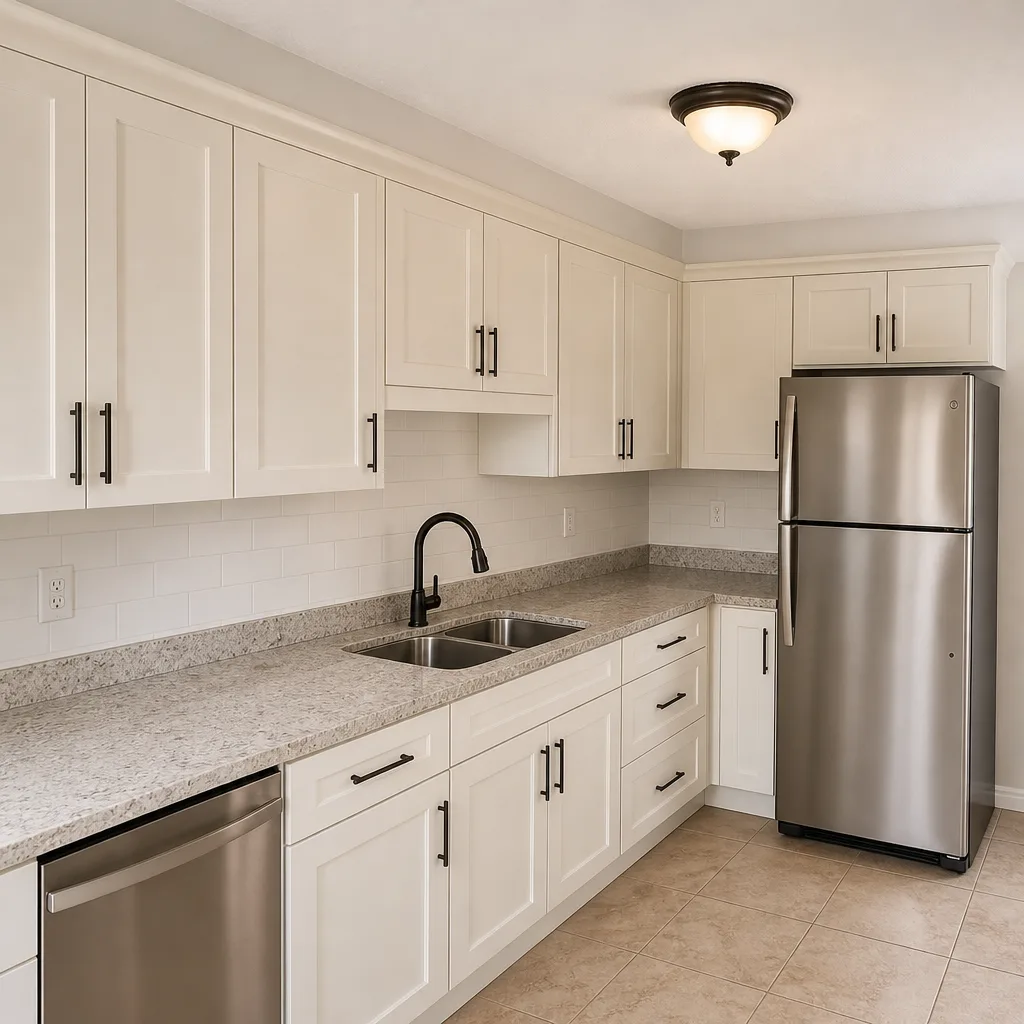 After
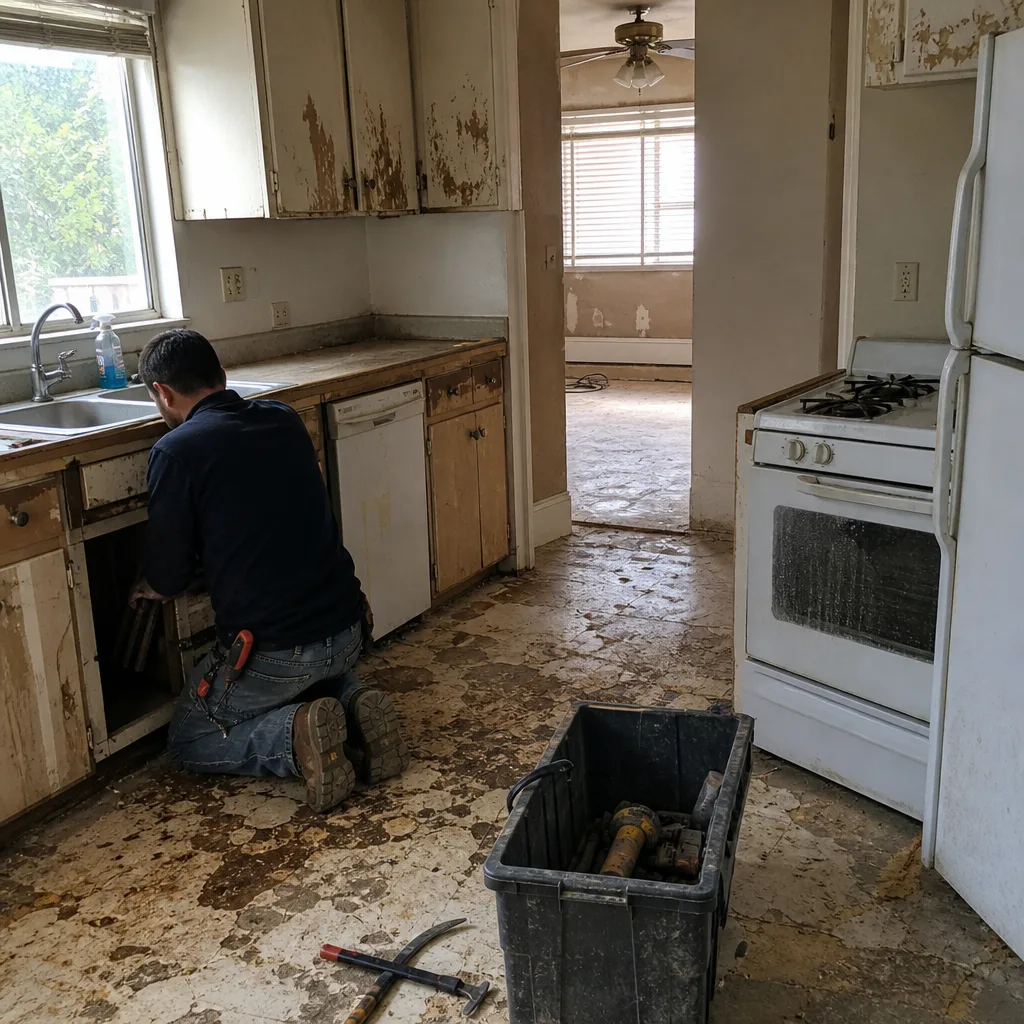
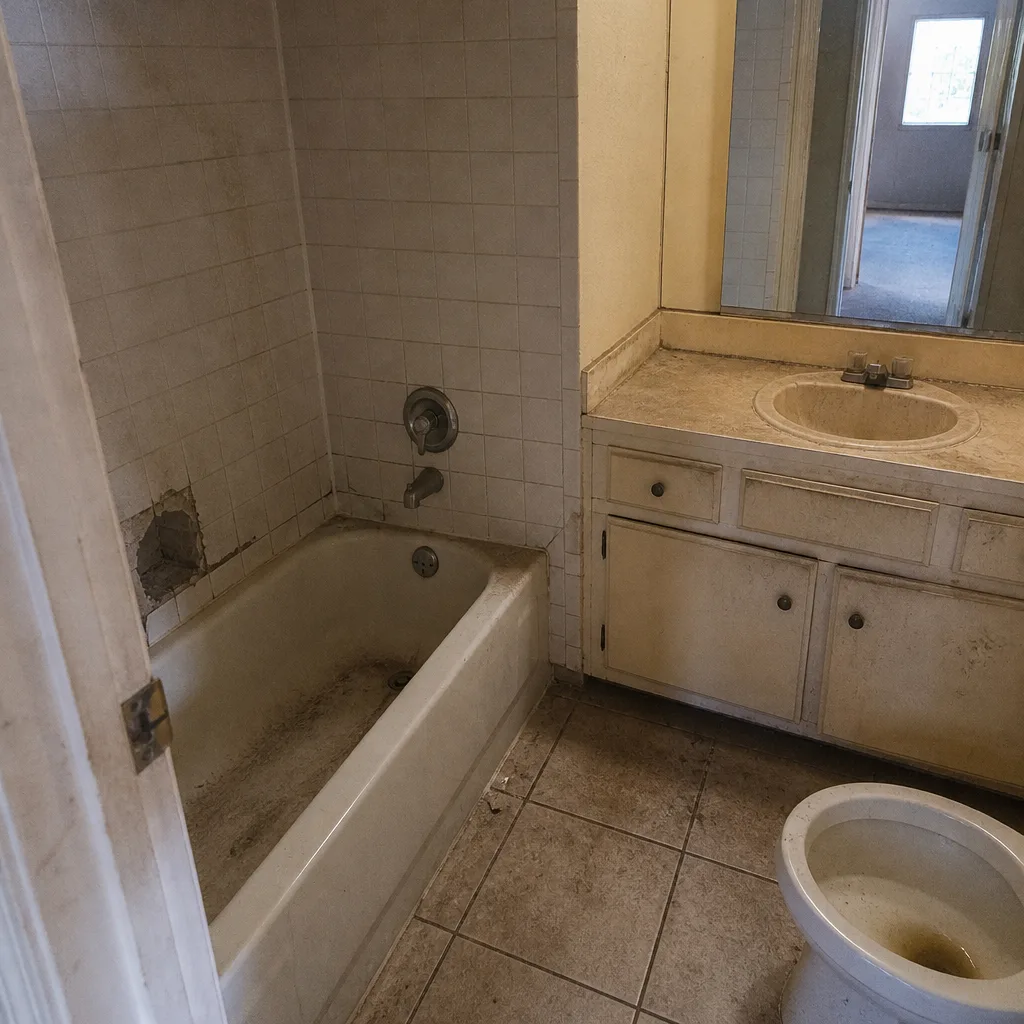 Before
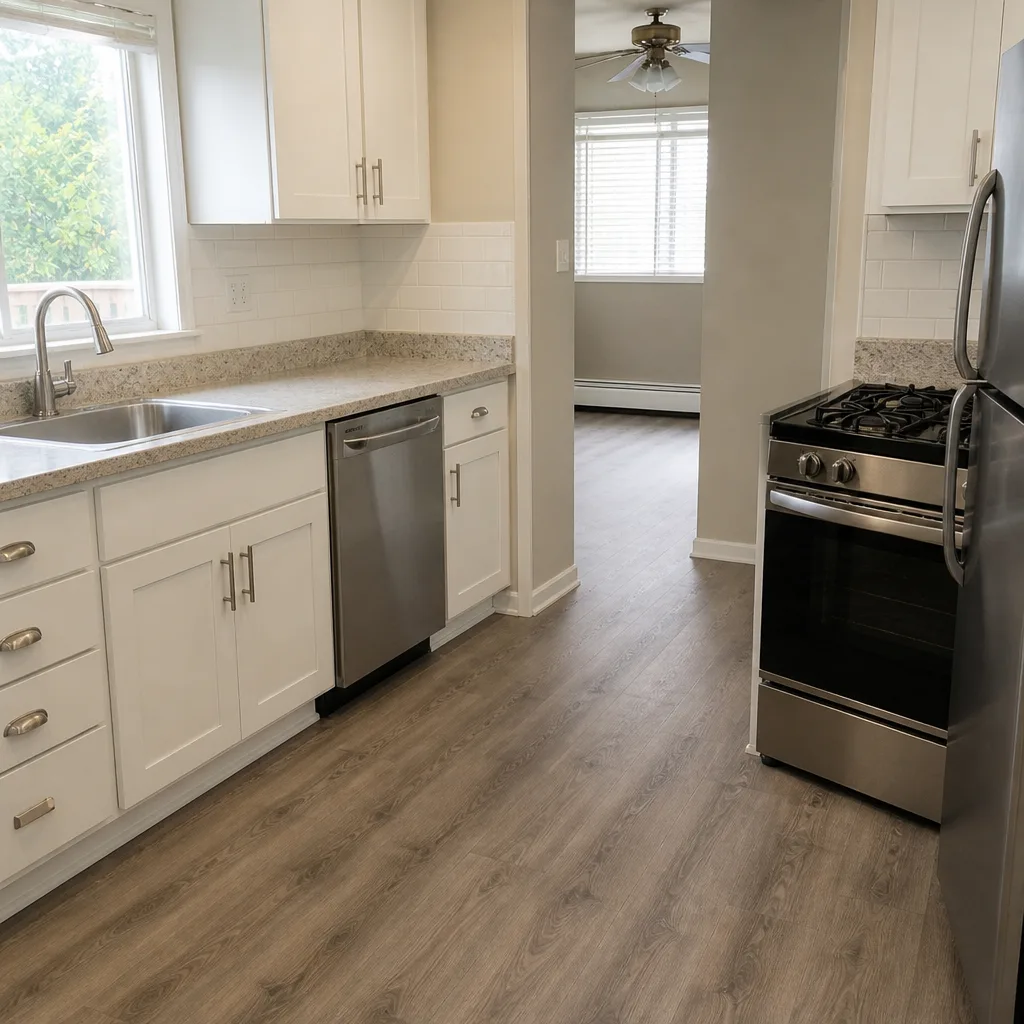
 After
 Before
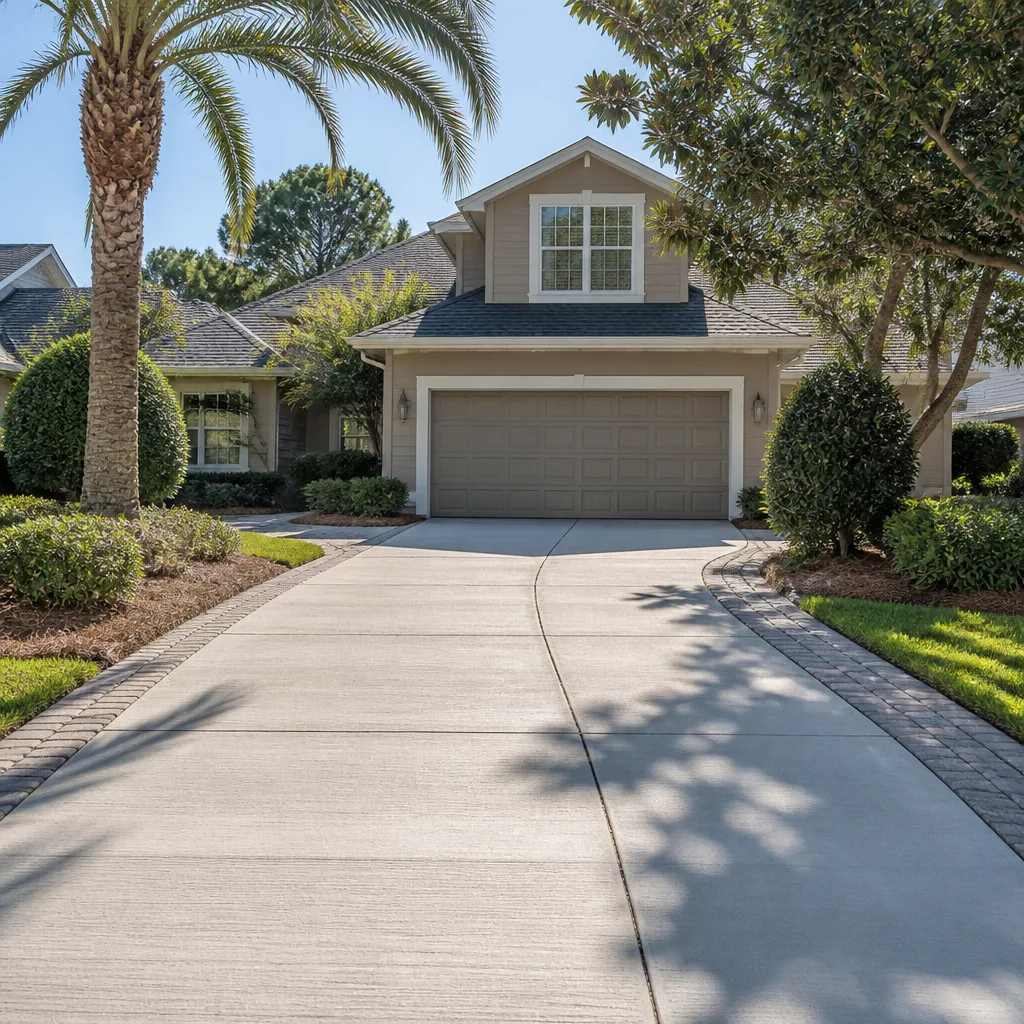
 After
When to Call a Professional
Call a professional the moment you see a retaining wall lean, a foundation crack widening, water pooling against the house, or a slab lifting at a joint. Don’t wait for the next contractor appointment slot – by then, the heat and monsoon can turn a manageable repair into an emergency rebuild. Groundwork Construction Co. of Henderson offers free estimates in Henderson, and a live person answers the phone 24/7, so you can talk through what you’re seeing before you decide. With upfront pricing and a written line-item quote, you’ll know the scope and the number before any work begins – the number you see is the number you pay. Every project is backed by the 730-Day Done Right Promise, and the team pulls permits and passes inspections on every code-driven repair. Call (844) 320-6757 to schedule your free estimate.
Frequently Asked Questions
Retaining wall failure and monsoon drainage backup are the two most common construction emergencies in Henderson, followed by flatwork heaving and foundation cracking in clay soil. The heat cycle and monsoon saturation work together to turn minor cracks into structural failures between contractor visits, which is why documentation and early repair matter so much.
No. A retaining wall holds back soil and water pressure, and a saturated wall can fail without warning. Even a small crack can mean the drainage behind the wall has failed, and propping or patching the face doesn’t address the cause. Call a licensed professional for an assessment – Groundwork Construction Co. of Henderson offers free estimates and can tell you whether the wall is safe to keep using.
For structural failures, call a contractor first to assess whether the structure is safe to occupy, then call your insurer to open a claim. For water intrusion, stop the source, document the damage, and call your insurer early because water claims have tight timelines. For gas or electrical emergencies, evacuate and call 911 and the utility before anyone else.
Photograph wide shots, medium shots, and close-ups with a scale reference, capture video with spoken narration, record the date and time in the frame, and keep a written log of what you saw and when. Save every receipt for temporary mitigation like sandbags, tarps, and pumps. Send the file to your contractor before the visit so they arrive prepared and can give a written quote on the first visit.
A 730-Day Done Right Promise covers workmanship failures for two years – if it’s not done right, we make it right. It does not cover flood damage, failures caused by other people’s later work, or normal material wear on correctly installed products. To invoke it, gather your contract and scope of work, document the failure, and call directly. A reasonable response time for a warranty-related emergency assessment is hours, not weeks.
Cost depends on the failure. A retaining wall rebuild typically runs into the thousands because it requires drainage correction, engineered design, and permits, while a foundation crack evaluation and mitigation is often a few hundred to a couple thousand. Groundwork Construction Co. of Henderson gives free estimates with written line-item pricing, plus $1,000 off projects over $10,000 and 0% financing for 18 months. Call (844) 320-6757 for an exact quote – estimates are free and the price you see is the price you pay.
The Bottom Line
Construction emergencies in Henderson rarely happen overnight. They develop through a heat cycle and a monsoon season, and the homeowners who catch them early are the ones who photograph their property in spring, watch their retaining walls and foundations, and call a professional at the first sign of movement. Document everything, evacuate anything unsafe, never prop a retaining wall yourself, and call contractor first, insurer second, city third – except for gas and electrical, where 911 comes first. Know what your 730-day workmanship warranty covers before you need it. Groundwork Construction Co. of Henderson answers with a live person 24/7 and offers free estimates backed by upfront pricing, verified brand partners like Unilock, Tremron, and Techo-Bloc on hardscape and paver work, and a 730-Day Done Right Promise on every repair. Call (844) 320-6757 today.
Written by the team at Groundwork Construction Co. of Henderson.