Last updated November 18, 2026
Free written scope consultation - allowances, timeline, and change-order rules on paper before a single trade is scheduled
How Long Does Driveway & Pavers Take? Timelines and What to Expect
A 600 sq ft paver driveway takes 2 – 3 days of physical work. Getting to those 2 – 3 days can take 4 – 6 weeks, and almost nobody tells you that upfront. The gap between signing a contract and parking your car has very little to do with how fast a crew can lay pavers. It’s permits, base curing, and material lead times. In Henderson, summer heat above 110°F reshapes the whole schedule on top of that. This guide breaks down every phase of a paver driveway project, with realistic day counts, a permit timeline for Henderson, and the waiting periods you can’t skip without paying for it later.
Quick Answer
A typical residential paver driveway in Henderson takes 3 – 6 days of active construction, but the full calendar time from contract to drivable surface usually runs 4 – 8 weeks. That window covers permit review (1 – 4 weeks in Henderson), base curing (24 – 72 hours, non-negotiable), and material lead times (as little as 3 days for locally stocked concrete pavers, as long as 5 – 6 weeks for imported travertine or porcelain). Summer projects in Henderson can add another week because workable hours shrink when temperatures climb past 110°F.
Styles & brands we work with
- Kitchen remodeling
- Bathroom remodeling
- Home additions & ADU
- Roofing
- Windows & doors
- Driveway & pavers
- Fence
Table of Contents
- Phase-by-Phase Timeline for a 500 sq ft Paver Driveway
- The Henderson Permit Timeline Nobody Explains
- Why Base Curing Time Is Non-Negotiable
- Material Lead Times: Imported vs. Locally Stocked Pavers
- How Henderson Summer Heat Affects Your Schedule
- What Changes Your Timeline: 7 Real Factors
- Sealing and Curing: The Final Stretch
- Your Pre-Contract Scheduling Checklist
Phase-by-Phase Timeline for a 500 sq ft Paver Driveway
Here’s the honest breakdown for a 500 sq ft Henderson driveway, assuming permits are already in hand and materials are on site. We’ve run this sequence hundreds of times, and these day counts hold up across most flat, accessible residential driveways in the valley.
- Demolition and haul-off (1 day). Breaking out the old concrete or asphalt, loading it, and hauling it to a recycling yard. A 500 sq ft slab typically produces 6 – 8 tons of debris.
- Excavation and grading (1 day). Digging to subgrade depth, usually 8 – 12 inches below finished grade for a driveway that has to hold vehicle loads. Grading sets the drainage slope, 1 – 2% away from the garage.
- Base installation and compaction (1 day). Laying and compacting 4 – 6 inches of crushed aggregate base in 2-inch lifts. This is the phase where skipping compaction shows up later as settling.
- Base curing and inspection (1 – 3 days). See the dedicated section below. This is not optional time.
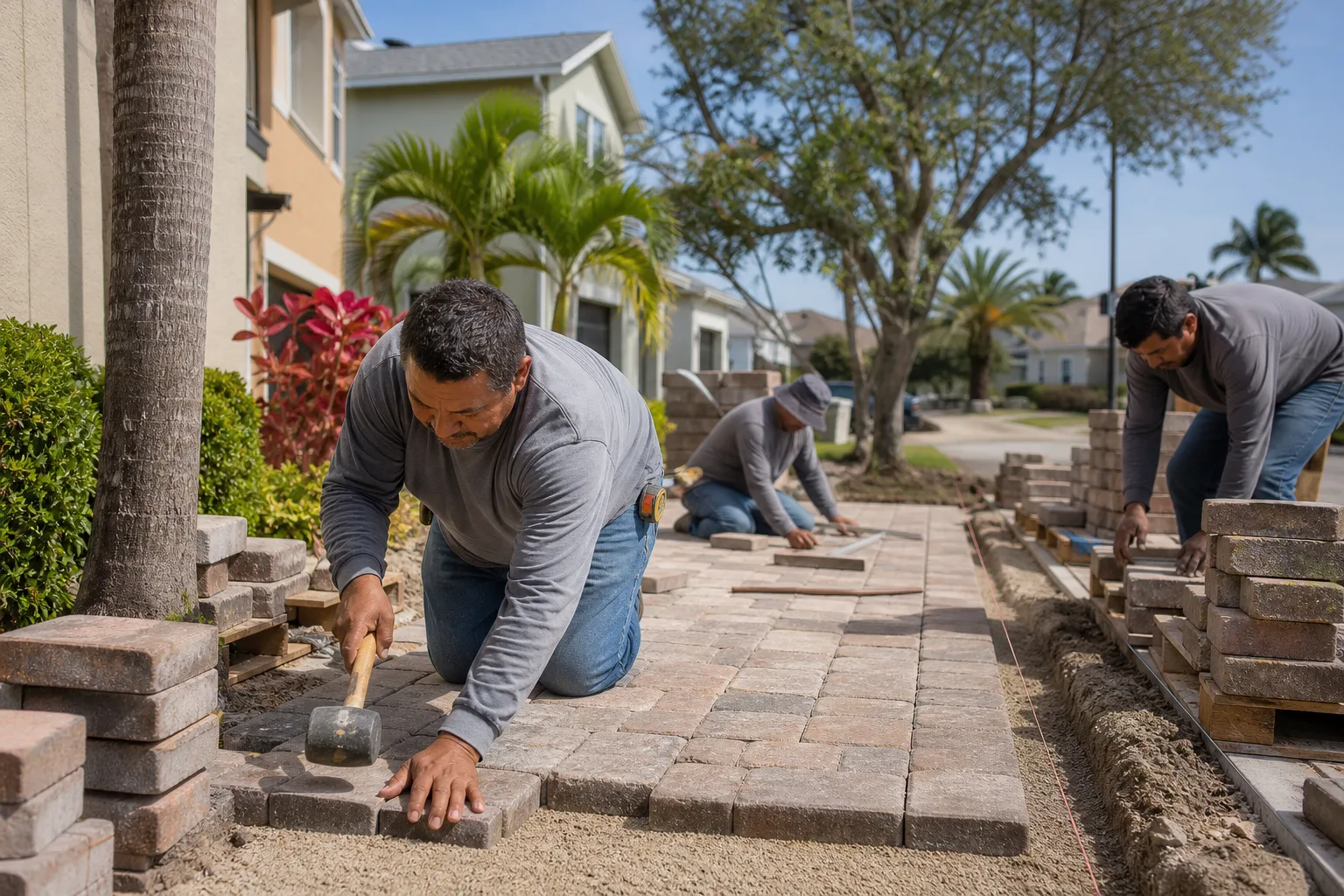
- Bedding sand and paver laying (1 – 2 days). A 1-inch bedding layer, then the pavers themselves. Two installers lay roughly 300 – 400 sq ft per day once they’re in rhythm.
- Edge restraints and joint sand (half day). Edge restraints get pinned every 8 – 12 inches, then polymeric joint sand goes in.
- Compaction and cleanup (half day). Final plate compaction over the pavers, sweeping, and site cleanup.
- Sealing (3 – 12 months later, or after 30 days minimum). See the sealing section for the real timing rules.
Add it up and you’re at 4 – 6 active workdays. A larger 800 – 1,000 sq ft driveway in neighborhoods like Green Valley or Anthem pushes to 7 – 9 days. The calendar time is longer than the work time because of everything in between. If you’re comparing that effort against a concrete pour, our Driveway & Pavers in Henderson page covers the material trade-offs directly.
The Henderson Permit Timeline Nobody Explains
Henderson requires a permit for any new driveway construction, driveway replacement that changes the footprint, or widening that touches a public right-of-way. That last category is where most surprises live. If your driveway apron opens onto a city street, the right-of-way portion may need separate review, and that adds time.
Here’s the realistic Henderson permit sequence:
- Application submission to intake review: 3 – 5 business days. Incomplete applications restart this clock, which is the single most common delay we see.
- Plan review: 1 – 2 weeks for a straightforward residential driveway. Add 1 – 2 weeks if the grade changes affect drainage or stormwater flow to a neighboring property.
- Corrections cycle (if needed): 1 – 2 weeks. Missing drainage calcs or unclear property-line info triggers this more often than design flaws.
- Permit issuance: 1 – 3 business days after approval.
Put those together and you’re looking at 2 – 4 weeks from application to issued permit, sometimes 5 in a busy season. Any contractor who promises you a start date inside two weeks without knowing your permit situation is guessing. We handle the permit submission as part of the free estimate process, so the clock starts the day you approve the design instead of two weeks later. That alone is worth asking about when you’re comparing bids.
One more Henderson-specific note: because the city has grown so fast, some of the older parcels near Water Street have plat issues or right-of-way dedications that aren’t obvious from the assessor’s map. If your property sits in that part of town, budget an extra week for a records check.
Why Base Curing Time Is Non-Negotiable
The base layer is the entire driveway. Pavers are the wear surface, but the aggregate base is what carries the load, and that base has to reach proper moisture and compaction before any paver goes down. When a crew skips this, you get settling, rocking pavers, and joint sand that washes out with the first monsoon rain. We’ve seen driveways in Henderson’s older neighborhoods that were laid over a rushed base and are already showing rutting within three years, and the only repair is tear-out and redo.
What base curing and inspection actually involves:
- Moisture conditioning. Crushed aggregate gets watered to optimum moisture content before compaction. Dry aggregate won’t compact to spec no matter how many passes you make.
- Compaction in lifts. Each 2-inch lift has to hit dense compaction before the next lift goes on. That means a plate or roller, and a real check.
- Inspection. Henderson inspectors want to see the base and any drainage work exposed before the pavers cover it. Scheduling that inspection takes 1 – 3 business days, and it can’t happen until the base is staged.
- Weather drying window. If the base got rain-soaked, it needs time to dry before pavers or bedding sand go down. Rushing this traps moisture under the pavers.
For a residential driveway this waiting period is 1 – 3 days in most cases, plus inspection scheduling. It feels like dead time on a calendar. It’s the difference between a driveway that’s still flat in 15 years and one that’s rocking in five. Our 730-Day Done Right Promise exists because we’d rather build it right than come back and fix it, and skipping base curing is the most common reason a paver driveway fails early. Built to last, backed in writing starts at the bottom, not the top.
Material Lead Times: Imported vs. Locally Stocked Pavers
This is where project calendars blow up. Material lead time is the number nobody thinks to ask about until week three of waiting.
Locally stocked concrete pavers: Belgard and comparable lines are stocked at Nevada and Southern California yards. Standard colors and profiles ship in 3 – 7 business days. Some popular styles are on hand in Henderson next day. A concrete paver driveway can be scheduled and built inside 3 weeks when permits move cleanly.
Semi-custom concrete pavers: 2 – 4 weeks. Special order finishes, unusual colors, and large-format profiles fall here. Worth the wait when you’re matching an existing paver apron or a new home exterior.
Imported travertine: 4 – 6 weeks. Travertine comes out of Turkey and Mexico with container shipping and customs on the front end. A short container adds another 1 – 2 weeks.
Porcelain pavers: 5 – 8 weeks. Porcelain for driveways is still largely a European product, and the lead times reflect that. Beautiful material, and it holds its color in Henderson’s sun better than almost anything, but the schedule reality is real.
The play here is to commit to your material before you apply for the permit. If your heart is set on porcelain, that’s fine. Just know the six-week clock starts at order, not at contract, and plan a temporary surface if the old driveway has to come out in the meantime.
How Henderson Summer Heat Affects Your Schedule
Henderson summers are a genuine scheduling factor, not an excuse. Once the temperature climbs past 110°F, and it does routinely from late June through August, the workable window each day shrinks.
What changes above 110°F:
- Work window. Most crews work roughly 6 a.m. to 1 or 2 p.m. in July and August. That’s a 6 – 8 hour window instead of 8 – 10, meaning a 1-day phase can stretch to 1.5 days.
- Base and sand temperatures. Crushed aggregate and bedding sand on a sun-exposed Henderson driveway can hit 140°F or more. Bedding sand that’s too hot dries out too fast, and pavers laid over dry sand don’t settle properly.
- Mortar and polymeric joint sand. Polymeric sand and any mixed materials have a working window. Above 110°F that window can shorten by half, so joint work often shifts to early morning.
- Compaction quality. Plate compaction is fine in the heat, but crews have to keep pace so the base doesn’t dry out between lifts.
- Crew fatigue. Real crews rotate and hydrate, and that means slightly fewer production hours per person. Any contractor who says their crew works 12 hours in 115°F heat is telling you something about their standards.
For a 500 sq ft driveway, summer heat adds roughly 1 – 2 calendar days, not weeks. For an 800+ sq ft driveway in a full-sun exposure like Anthem or Seven Hills, expect an extra 2 – 3 days. Spring and fall are the sweet spot for paving work in Henderson, which is why getting on the schedule in March or April pays off.
What Changes Your Timeline: 7 Real Factors
Two driveways of identical square footage can land weeks apart on the calendar. These are the variables that move the needle.
- Site access. A driveway with a clear path for equipment and a dumpster beats a narrow lot with a side yard surrounded by fence. Tight access adds half a day to a day in extra hand carry.
- Drainage and grading complexity. Flat lots are simple. Sloped lots, or lots that drain toward a neighbor’s property or a garage door, need more engineering and sometimes a channel drain, adding 1 – 2 days.
- Existing surface. Concrete demo is slower and heavier than asphalt. A 4-inch concrete slab is 1 day of demo; a reinforced 6-inch slab can be 1.5 days.
- Utility conflicts. Old irrigation lines, gas stubs, or a poorly mapped water line under the path add digging time and coordination.
- Paver pattern. A running bond lays fast. Herringbone or a basket-weave pattern takes 20 – 30% longer to install. Worth it if you love the pattern, but budget the time.
- Commercial vs. residential loading. If a homeowner wants the driveway to handle a heavy truck or RV, the base gets deeper and thicker. That’s a real structural change, not a marketing pitch.
- Sealing timing. Sealing has to wait at least 30 days after installation for the new pavers to release moisture and for efflorescence to clear, and often 90 days is better. Do it in a cooler month, not the middle of July.
Add up your risk factors before comparing bids. A contractor who skips these questions in the estimate is preparing a price for the driveway they wish you had. Our bids start with a walk-through that includes every one of these seven factors, because upfront pricing means pricing the real project, not the dream.
Sealing and Curing: The Final Stretch
Sealing isn’t part of the install calendar, but it belongs in the timeline because it affects when the driveway is fully finished. In Henderson specifically, sealing is worth doing, for two reasons: UV exposure (this is one of the harshest sun environments in the country, and unsealed pavers fade faster) and dust (sealing helps joints and surfaces resist the dust that comes with living near desert landscaping and open lots).
The timing rules:
- 30-day minimum before the first sealing on new pavers. Efflorescence, that whitish haze that shows up on new pavers, needs to work itself out. Sealing too early traps it.
- 90-day sweet spot in most Henderson cases. That gives the pavers time to fully cure and let any efflorescence surface so it can be cleaned off before sealing.
- Never in the heat of the day. Sealing above 90°F or in direct afternoon sun can flash-dry and leave lap marks. Early morning sealing is standard.
- Touch-up cycles. Expect to reseal every 3 – 5 years in Henderson, more often if the driveway is in full sun all day.
One honest note: not every paver driveway needs sealing. Some high-density concrete pavers perform beautifully unsealed, and sealing over a poorly installed base won’t fix underlying settling. Sealing is the finish, not the foundation.
Your Pre-Contract Scheduling Checklist
Before you sign with any paver contractor in Henderson, run through this list. It’s the difference between a realistic calendar and a sales pitch.
- Confirm the permit status. Who pulls the Henderson permit, and has the contractor already checked your parcel for right-of-way or plat issues?
- Verify material availability in writing. Ask for the specific paver line, color, and profile, and get a confirmed ship date. “In stock” means nothing unless it’s on paper.
- Get a phase schedule. Ask what happens on each day. A good contractor can hand you a one-page phase schedule that shows demo, excavation, base, inspection, laying, and jointing.
- Ask about base depth and curing. If a contractor doesn’t walk you through base curing time, that’s a red flag.
- Confirm the season. If your project window is July or August, ask how the crew adjusts their workday for heat.
- Lock the payment schedule. Upfront pricing means a fixed number and a clear schedule of payments, not “we’ll bill time and materials.”
- Check the warranty term. Ask for it in writing and read the fine print on workmanship versus material coverage.
If you want the full checklist applied to your specific driveway, our paver driveway service page walks through each step, and our Groundwork Construction Co. of Henderson home page shows everyone we work with across the trades. For a driveway that also needs a new approach apron and a matching fence line, we handle it as one scope, not two, so the timeline doesn’t get rescheduled around another contractor. Our fence installation work frequently runs alongside driveway projects in Henderson for exactly that reason. And if the driveway project is part of a bigger yard or garage transformation, home additions and ADUs in Henderson often tie into the same grading permit and drainage planning.
Common Mistakes to Avoid
- Assuming the contractor’s crew can start the day you sign. Without the permit in hand, nothing legal or scheduled can happen on the right-of-way side. Ask what the permit timeline looks like before you sign.
- Picking imported pavers after the contract is signed. Travertine and porcelain can add 4 – 6 weeks to the calendar. Pick the material first, then price and schedule the job.
- Letting a contractor skip base curing. If they want to lay pavers the same day as compaction, walk away. The base needs 1 – 3 days plus inspection in almost every residential case.
- Scheduling installation in peak July. Henderson heat above 110°F shortens workdays and slows joint material handling. If your calendar allows, target March through May or October through November.
- Not asking about drainage direction. A driveway that drains toward the garage door or a neighbor’s property is a problem in any Henderson monsoon. Confirm the grade plan in writing.
- Sealing too soon. Sealing new pavers before 30 days traps efflorescence and can leave a hazy finish. Wait 30 days minimum, 90 for the best result.
- Paying in full upfront. A deposit is normal. Full payment before materials deliver is not. Hold payment against scheduled phases.
See the difference
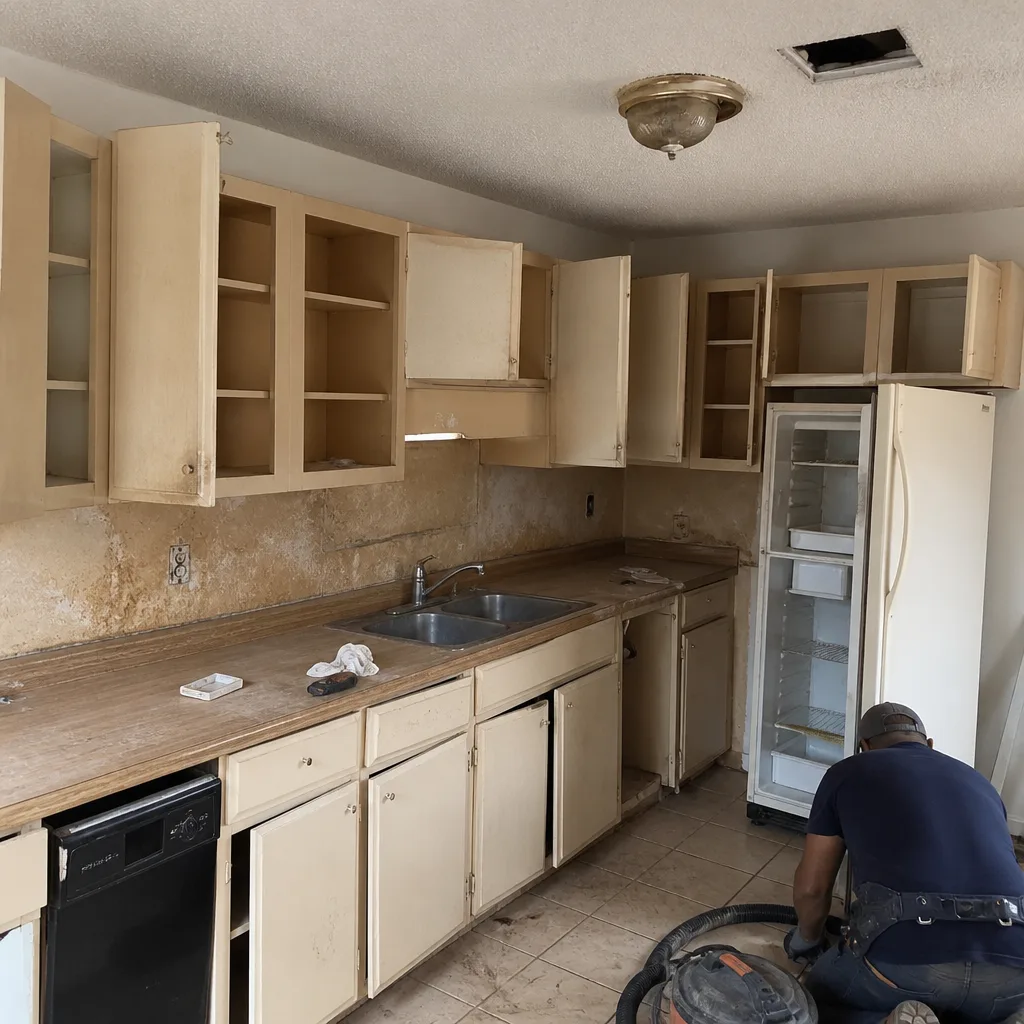 Before
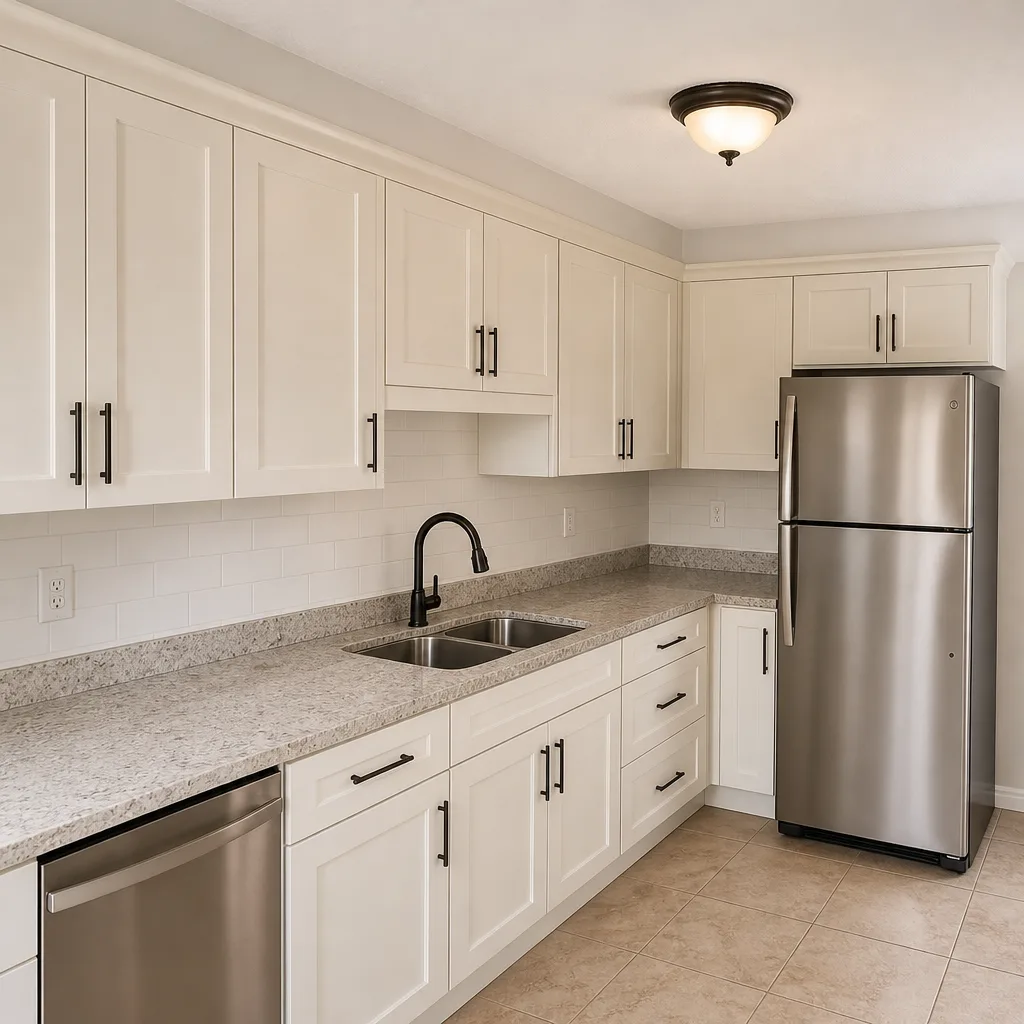 After
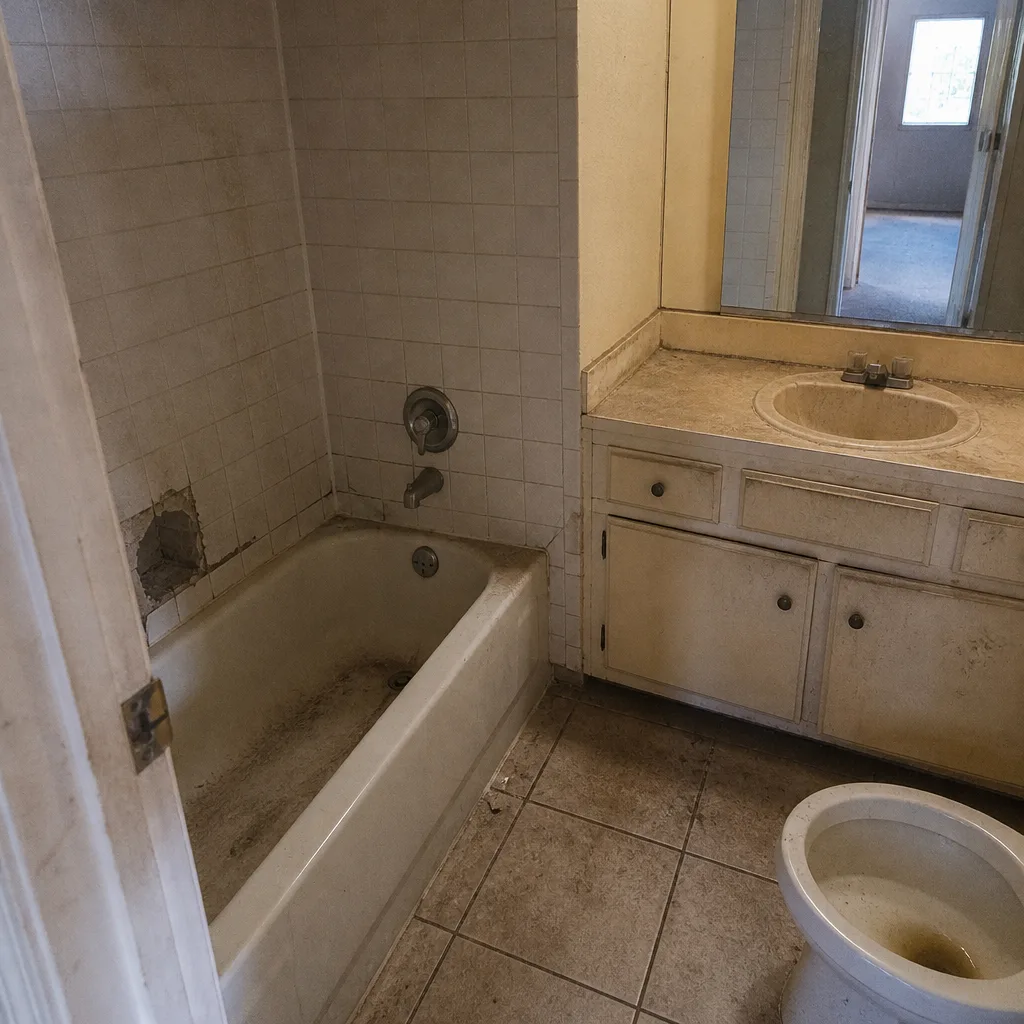 Before
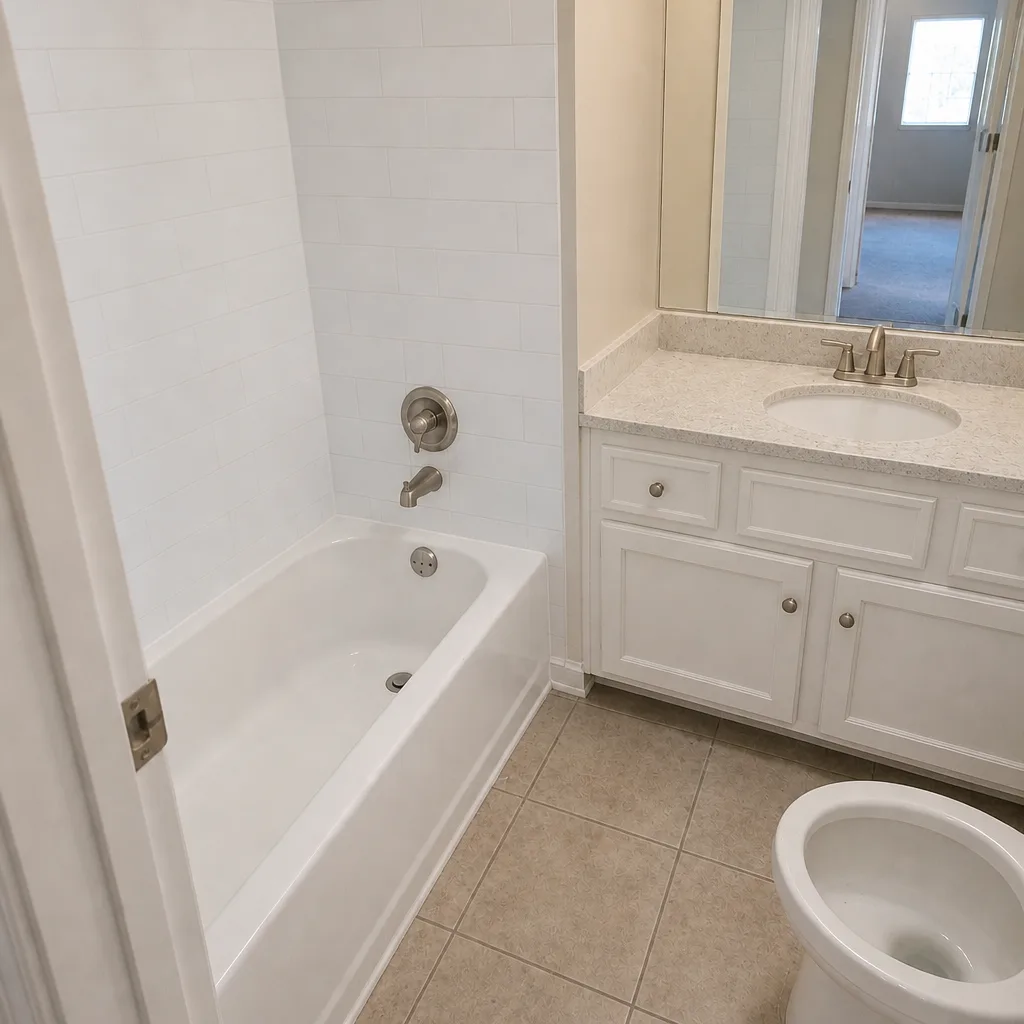 After
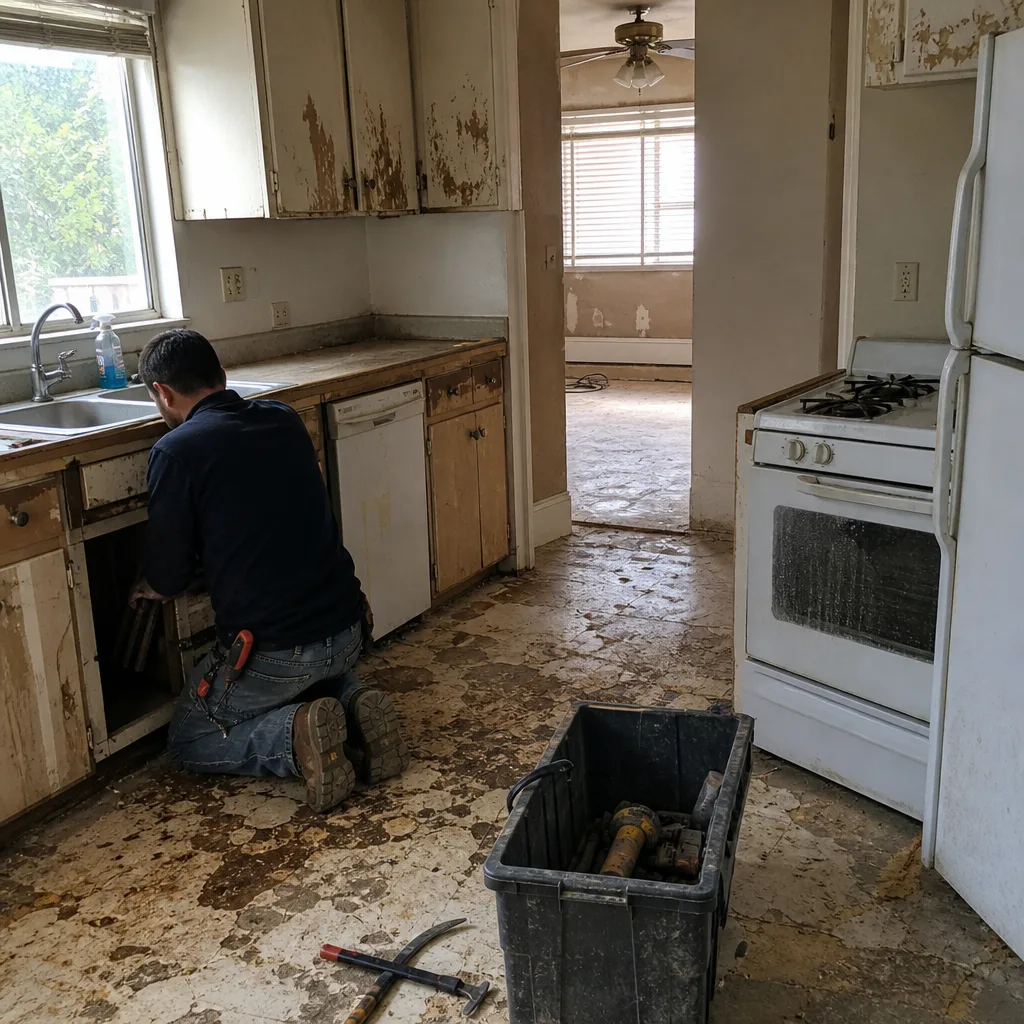 Before
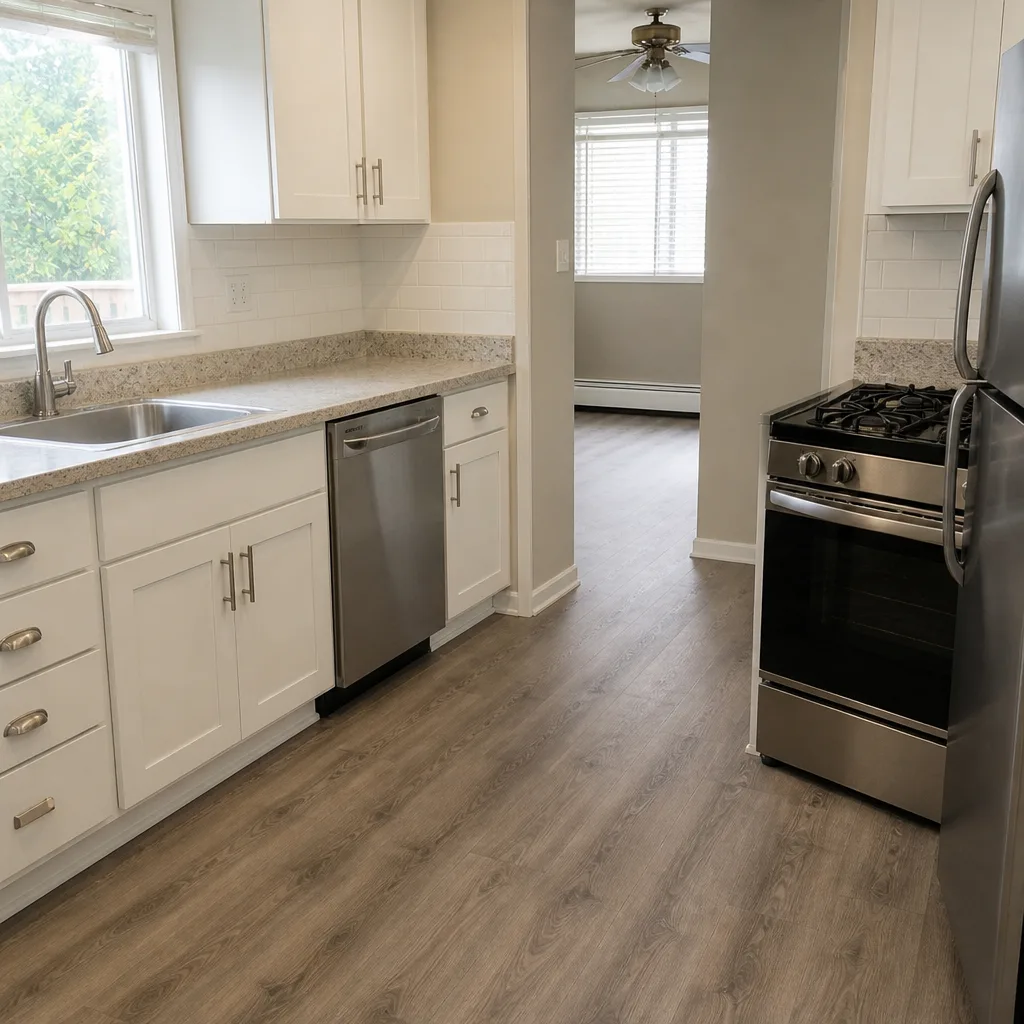 After
When to Call a Professional
Some driveway projects are weekend-appropriate. A paver patio, sure. A paver driveway that has to hold vehicles, meet Henderson code, drain correctly, and stay flat through monsoon season and 110°F summers is not a weekend project. Call a professional when: the driveway footprint is changing (permit territory), the lot has any drainage or grading question, the existing surface is reinforced concrete, the project involves imported or special-order pavers, or the driveway ties into any other structure like a fence, garage, or addition. Groundwork Construction Co. of Henderson offers free estimates in Henderson, and every estimate comes with a written phase schedule and upfront pricing, so you know what’s happening on each day before you commit. Call (844) 320-6757 to schedule yours.
Frequently Asked Questions
The physical installation for a typical 500 sq ft paver driveway in Henderson takes 4 – 6 working days. The full calendar time from signed contract to drivable surface is 4 – 8 weeks once you account for permit review, base curing, and material lead times. Call (844) 320-6757 for a project-specific timeline on your driveway, free of charge.
Yes, in almost every case. Henderson requires a permit for new driveway construction and for any replacement that changes the footprint or touches the public right-of-way. The permit adds 2 – 4 weeks to your timeline, and incomplete applications restart the review clock, so it’s worth having a contractor who submits clean packages handle it. Call (844) 320-6757 for help getting permit review started.
Yes, and it’s done all the time. The catch is that crews work 6 a.m. to early afternoon above 110°F, so a 500 sq ft project may stretch from 4 days to 5 – 6. Joint work and sealing typically move to early morning. Plan for slightly longer calendar time between late June and August. Call (844) 320-6757 to talk through a summer schedule for your driveway.
Imported travertine typically ships in 4 – 6 weeks once ordered, and porcelains can run 5 – 8 weeks. That’s container shipping and customs on the front end, not local availability. Locally stocked concrete pavers ship in 3 – 7 business days. Pick your material before you sign if you care about the calendar, and call (844) 320-6757 for help confirming lead times on a specific paver.
You can drive on new pavers the same day as final compaction and joint sand sweep-off, once the edge restraints are set. Sealing is a separate step, and you’ll want to wait at least 30 days before the first seal, sometimes 90 for the best result. Call (844) 320-6757 if you want to know the drive-on timing for a specific project.
In our experience, rushed base prep is the cause almost every time. When the aggregate base doesn’t get watered, compacted in lifts, and inspected, it can’t hold up to vehicle loads in Henderson’s heat. That leads to rocking pavers and joint sand washout. Proper base curing time at install is the single biggest factor in a driveway that stays flat. Call (844) 320-6757 for a free estimate that covers base depth and curing time in writing.
The Bottom Line
Paver driveway installation is 3 – 6 days of physical work wrapped inside a 4 – 8 week calendar. The calendar is the story. Henderson permits, base curing, imported material lead times, and summer heat are the four levers that decide whether your driveway project runs on schedule or slides weeks. Every one of those is manageable with a contractor who schedules them in on the front end instead of discovering them at week two. Groundwork Construction Co. of Henderson builds the schedule around those realities, prices it upfront, and backs the work with the 730-Day Done Right Promise. For a free estimate on your driveway project, call (844) 320-6757. Estimates are free, calls are answered by a live person 24/7, and the number you see is the number you pay.
Written by the team at Groundwork Construction Co. of Henderson.