Last updated November 18, 2026
Free written scope consultation - allowances, timeline, and change-order rules on paper before a single trade is scheduled
DIY vs Professional Fence Installation: What’s Safe to Do Yourself
The most common DIY fence mistake in Henderson isn’t the fence itself. It’s discovering after two full days of digging, setting posts, and hanging panels that the layout drifted eighteen inches and the fence now crosses a property line. That single error can turn a $2,500 weekend project into a $6,000 problem involving a surveyor, a lawyer, and a neighbor who used to be friendly. The truth is that fence installation has a wide, genuinely DIY-safe middle ground – basic wood privacy fences and vinyl panel kits are well within reach for a careful homeowner. But there are hard limits on both ends, and the two steps that ruin most DIY projects (layout and post footing) are exactly the two steps people rush. This guide covers what’s actually safe to build yourself, what isn’t, what Henderson permits require, and an honest time estimate for a first-timer.
Quick Answer
Basic wood privacy fences up to 6 feet and vinyl panel kits are genuinely DIY-achievable for a patient homeowner with the right tools and a proper survey. Ornamental iron, block walls, retaining walls, and automated gates should always be professionally installed – they require engineered footings, welding, or electrical work that void manufacturer warranties and fail inspection when done by hand. The two steps that cause the most DIY failures are accurate layout (get a survey) and proper post footing depth (Henderson’s caliche soil and summer heat both punish shortcuts).
Styles & brands we work with
- Kitchen remodeling
- Bathroom remodeling
- Home additions & ADU
- Roofing
- Windows & doors
- Driveway & pavers
- Fence
Table of Contents
- Why a Property Line Survey Is the Highest-Risk Decision
- Which Fence Types Are Safe to DIY and Which Aren’t
- Tool Requirements for a Proper DIY Post Installation
- Henderson Permit Requirements and What an Unpermitted Fence Costs You
- Honest Time Estimate for a 150 Linear Foot DIY Project
- Post Footing Depth, Caliche, and Henderson’s Summer Heat
- Common Mistakes to Avoid
- When to Call a Professional
Why a Property Line Survey Is the Highest-Risk Decision in Any DIY Fence Project
If you skip one step, skip the fence. Not the survey. A boundary survey in the Henderson area typically runs $450 to $850 for a standard residential lot, and in older neighborhoods like Downtown Henderson or the tract homes off Lake Mead Parkway, it can push toward $1,000 because of accumulated lot-line quirks and additions made by previous owners. That number feels steep when you’re staring at a $2,000 pile of lumber. It’s also the cheapest insurance you’ll ever buy on a fence project.
Here’s what happens without one. You build to what looks like the property line based on the old fence, or the neighbor’s fence, or the curb line. Nine times out of ten you’re close. The tenth time, you’re not – and in Henderson, the tenth time tends to happen in neighborhoods with irregular lot shapes, cul-de-sac pie lots, or older subdivisions where a previous fence was installed slightly off and every subsequent owner just matched it. It’s easy to inherit a mistake that’s been quietly compounding for twenty years.
The consequences are real and expensive. If the fence crosses the line, your neighbor can legally demand you remove it – at your cost. If you’ve already set concrete footings, that means demolition. If a boundary dispute lands in court, the survey you skipped becomes the survey you’re now paying an attorney to argue about. And here’s the part most DIY guides don’t mention: in Nevada, adverse possession and prescriptive easement rules mean a fence that sits over the line for years without objection can create a legal mess for whoever sells the property next.
The path forward is simple:
- Order a boundary survey from a licensed Nevada land surveyor before you buy a single post.
- Ask the surveyor to stake or flag the corners and any line you’ll be building along.
- Walk the line with your neighbor before construction starts. Get their acknowledgment in writing if you can.
- Set your fence a few inches inside the staked line. That buffer protects you from small survey tolerances.
If you’re hiring out the work instead, a reputable contractor will insist on the survey as part of the process. When we quote fence installation in Henderson, layout verification is built into the scope – not because we’re being cautious, but because we’ve seen what happens when it isn’t.
Which Fence Types Are Safe to DIY and Which Aren’t
“Fence” covers a huge range. Some of it is genuinely within reach for a homeowner with a free weekend. Some of it is a bad idea that will cost you more in the long run than hiring out. Here’s the honest breakdown.
Genuinely DIY-achievable:
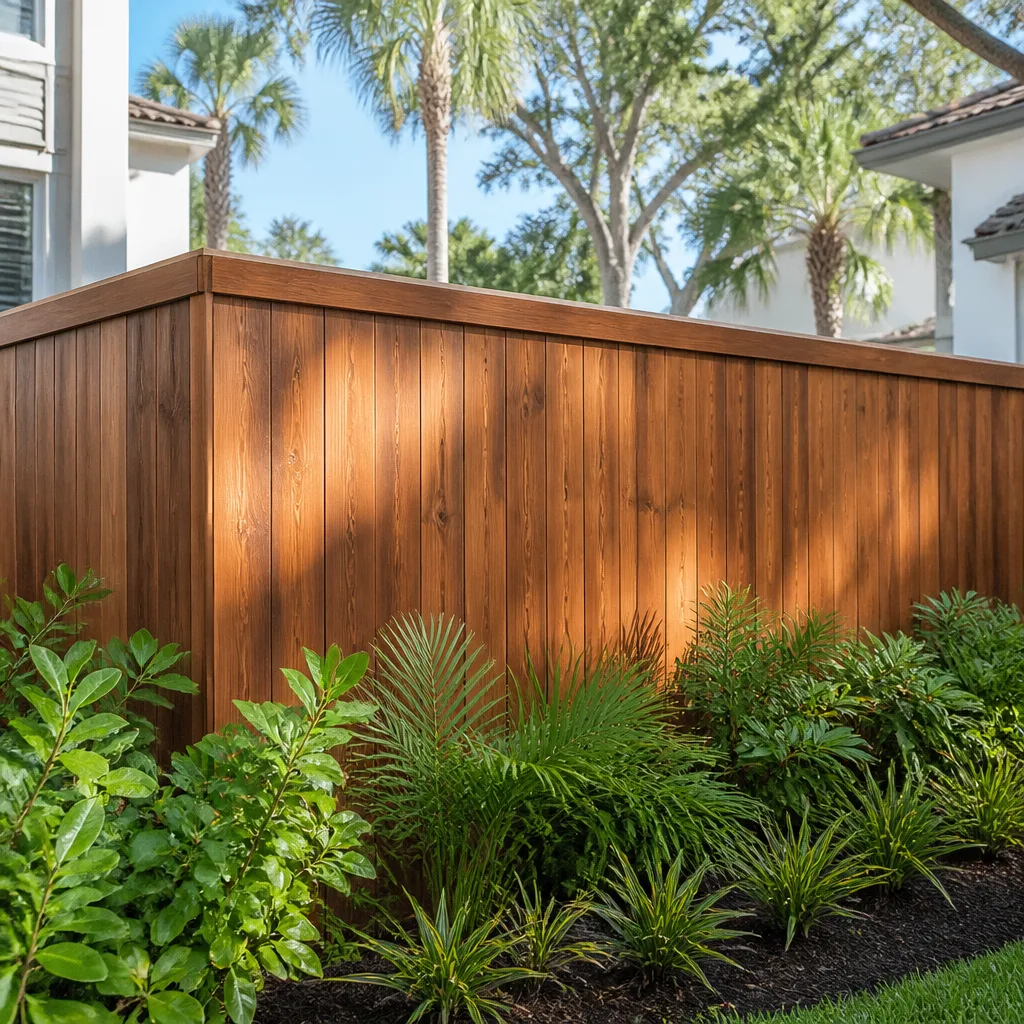
- Basic wood privacy fence (dog-ear or flat-top, 6 feet or under): This is the classic DIY project and it’s achievable. Posts, rails, pickets, done. The work is heavy but not technically difficult, and mistakes are recoverable.
- Vinyl panel kits from manufacturers like certain Weatherables or ActiveYards lines: These are designed for homeowner install, with pre-cut panels and interlocking posts. Tolerances are forgiving and the finished product looks professional when the posts are set correctly.
- Wire mesh or welded wire field fence for garden enclosures or pet containment: Lightweight and quick. Fine for non-structural use.
Not DIY-safe:
- Ornamental iron and aluminum: Welding, powder coat touch-up, and engineered footings are all professional skills. Most manufacturers void the finish warranty on self-installed panels.
- Block walls and retaining walls: Henderson has specific structural requirements for masonry walls, especially retaining walls over 4 feet, and getting the footing or drainage wrong can lead to wall failure within a season. Most block manufacturers won’t honor warranties on DIY work.
- Automated gates: Motor installation, low-voltage wiring, safety sensor placement, and code compliance all fall well outside DIY territory. A gate that fails safe isn’t a gate.
- Anything over 6 feet tall in most Henderson zones: Height triggers permit requirements (see below), and the engineering that goes into a tall fence isn’t something to improvise.
There’s a modern wrinkle, too. Prefab and panelized systems from companies like Dvele, Plant Prefab, and Boxabl have pushed the boundary of what ships ready to install. Some prefab fence lines are genuinely homeowner-friendly. Others present as panels but require engineered anchoring that isn’t a weekend job. Read the manufacturer’s install manual before you buy, not after.
Tool Requirements for a Proper DIY Post Installation
Here’s where a lot of DIY fence projects go sideways before the first post goes in. Most tutorials list tools as if you already own them. You probably don’t. Here’s the honest list, separated by what you can rent, what you should buy, and what almost everyone forgets.
What you can rent (and should):
- Two-person auger (about $70-$110 per day): Digging 20-30 post holes by hand in Henderson’s caliche-heavy soil is not a weekend feat. It’s a punishment. Rent the auger.
- Rotary hammer with clay spade bit (about $60-$90 per day): If you hit hardpan or caliche (you will), the auger stalls out. The rotary hammer breaks it up.
- Trailer-mounted cement mixer (about $60-$100 per day): Only worth it if you’re mixing more than 20 bags of concrete. Otherwise, hand-mix in a wheelbarrow.
What to buy (one-time cost, useful after):
- String line and line level ($15-$30): Non-negotiable for keeping posts in a straight line and consistent height.
- 4-foot level and 2-foot torpedo level ($40-$80 combined): Both. You’ll use both on the same post.
- Post-hole digger ($30-$60): For cleanup after the auger and for tightening the bottom of holes.
- Heavy rubber mallet and a dead blow hammer ($25-$50): For driving stakes and setting pickets.
- Safety glasses, work gloves, kneepads ($40-$70): This is the tool most often forgotten and the one you’ll want most by day two.
- Wheelbarrow and long-handled shovel ($80-$150): You probably have one. If not, buy one – you’ll use it every project after.
What most homeowners don’t realize they’re missing:
- A laser level ($80-$200): The single tool that saves a first-timer hours. Get a cheap self-leveling cross-line laser and thank yourself later.
- Post setting jig or brace system ($40-$100): Holds posts plumb while concrete cures. You can build your own with scrap 2x4s and stakes, but the pre-made versions save an hour per post on a first build.
- Concrete calculation app or a printed bag chart: You will underestimate how much concrete you need. Most post holes at 24 inches deep and 10-12 inches wide take about 1.5 to 2 bags of 50 lb fast-set. Multiply by 25 posts and you’re looking at a serious material run.
- A helper. Not a tool, but the single most important thing on the list. Plumb posts don’t stay plumb while you’re holding the level, the post, and the concrete bag at the same time.
Total tool and rental budget for a first-time fence project: $400 to $700, depending on what you already own. That’s a real number most DIY guides never mention, and it should factor into any fence-vs-pro decision.
Henderson Permit Requirements and What an Unpermitted Fence Costs You
Henderson has real rules about fences, and the rules aren’t all intuitive. The broad strokes: fences under 6 feet in most residential zones typically don’t require a permit. Fences over 6 feet usually do. Retaining walls over 4 feet require engineering and permitting. Corner lots have sight-triangle restrictions at intersections. Front yard fences have setback rules that vary by zone. And HOA approval is a separate, additional layer in most Henderson neighborhoods – Cadence, Lake Las Vegas, Seven Hills, and Inspirada all have their own design review processes on top of city code.
What happens if you skip the permit? At the time, nothing. Years later, when you sell, it’s a problem. During escrow, a buyer’s inspector will note an unpermitted structure. Some lenders won’t close on a property with unpermitted improvements. Some buyers will walk. The ones who don’t walk will ask for a price reduction. And the fix – retroactive permitting – requires either proof of code compliance (which may mean removing sections and redoing footings) or full demolition. A $400 permit you skipped can cost you $3,000 in closing equity.
Here’s the playbook:
- Call Henderson’s Community Development department before you build and confirm the rules for your specific zone, lot type, and fence height.
- Confirm HOA requirements separately if your neighborhood has one.
- If the fence needs a permit, apply before you dig. Post inspections often happen after footings but before pickets.
- Keep all documentation – survey, permit, inspection sign-off – in your home records file.
What we’ve seen in the field: most Henderson fence violations come from corner-lot sight triangles (built too close to the intersection) and from fences on hillside properties in Seven Hills or Anthem that exceed height without the engineering that tall fences on slopes require. Neither of those problems gets discovered until someone’s trying to sell. If you’re not sure of your zone, or you’re planning anything unusual, it’s worth a phone call to us at (844) 320-6757 – we can talk through the scope before you spend money on materials.
Honest Time Estimate for a 150 Linear Foot DIY Project
A 150-foot fence is roughly 20-25 posts and 25-30 panels. Under perfect conditions – flat lot, soft soil, all materials on site, two capable adults, no permit complications – that’s a 3-day project. Under real-world conditions for a first-time installer in Henderson, it’s 5 to 7 days of actual work spread across two to three weekends. Here’s the honest breakdown.
Day 1: Layout and material staging (4-6 hours)
String out the line, mark post positions (typically 8 feet on center), verify the survey stakes, lay out materials near their installation points. This sounds like a short day. It isn’t. It’s the day that determines whether the rest goes well. Slow down. Walk the line twice.
Day 2: Digging post holes (6-9 hours)
With a rented auger and a helper, expect to dig, clean, and prep about 6-8 holes in a normal working day. In Henderson caliche, closer to 5-6. If you hit rock or hardpan and have to break it up with a rotary hammer, cut that number in half for whatever sections are affected.
Days 3-4: Setting posts (8-10 hours, plus cure time)
Each post takes about 20-30 minutes to set right: position, plumb from two angles, brace, mix concrete, pour, check plumb again. Concrete needs 24-48 hours to cure before you put any weight on it. Don’t rush this. Attempting to hang panels at 6 hours is how posts go out of plumb. Plan for a cure day between setting and paneling.
Days 5-6: Rails and panels (10-14 hours)
Now it starts to feel like a fence. Rails first, then panels top to bottom. Expect mistakes on the first three panels and then to settle into a rhythm. Buy 10% extra material for cutting waste – you’ll need it.
Day 7: Cleanup, hardware, gate (4-6 hours)
Install the gate (which takes longer than you think), touch up cuts, final walkthrough, haul away construction debris. Total project time: 5-7 working days across 2-3 weekends. Add 25% if you’re working alone.
For comparison, a professional crew installing a comparable 150-foot wood privacy fence typically completes it in 2-3 days. We say that not to make DIY sound like a bad idea – it’s your call – but so that “DIY saves money” comes with the honest time cost attached. Our team’s technicians have up to 12 years of experience on fence installs, and experience is what turns a 7-day project into a 2-day one.
Post Footing Depth, Caliche, and Henderson’s Summer Heat
Henderson is a tough place to set fence posts. Two things make it tough: soil and heat.
On soil: much of the Henderson Valley has caliche – a calcium-carbonate hardpan that forms a rock-hard layer a few inches to a few feet below the surface. It doesn’t yield to a shovel. It stops an auger cold. When you hit caliche, the answer isn’t “dig deeper with more effort.” The answer is to break it up with a rotary hammer and clay spade bit, then re-dig. Budget an extra hour per post for the holes that hit caliche, and note that caliche holes often need slightly wider diameters so the concrete can form the bell that actually anchors the post rather than sliding into the void.
On heat: fast-set concrete cures too quickly in Henderson’s summer sun if you mix and pour it in direct midday heat. Pour early morning, shade the fresh pours with cardboard or a tarp, and mist cure for 24 hours. Concrete that cures too fast turns brittle and cracks – and a cracked post footing is a post that will lean within two seasons.
The standard rule for DIY wood posts:
- Post depth: one-third of the above-ground height below grade. A 6-foot fence needs posts set 2 feet deep minimum. Frost line is not the concern here; anchoring is.
- Hole diameter: three times the post width. A 4×4 post needs a 12-inch hole.
- Concrete: a full footer under the post, not just around the base. Dome the top slightly so water runs off. In Henderson’s monsoon season, that dome matters.
- Drainage: around 5 bags of 50 lb fast-set per post for a 12-inch hole at 2 feet deep is the standard. Don’t half-pour and hope.
If your project includes grading, retaining, or a paver apron where the fence meets the driveway, that’s a different scope. Our guide to driveway and pavers in Henderson covers the related groundwork, and the two projects often run together on the same lot.
Common Mistakes to Avoid
- Skipping the survey. Covered above, but it’s the biggest one. A $500 survey saves $5,000 of problems. Any fence over a property line is a fence you’ll eventually remove.
- Setting posts without checking plumb from two angles. A post that looks plumb front-to-back can be out of level side-to-side and you won’t notice until the panels don’t line up. Use a level on both axes every time.
- Digging in the middle of a Henderson summer day. Heatstroke territory. Start at 6 AM, stop by noon, resume after 5 PM. Concrete that cures in direct midday heat cracks; so do people.
- Buying exactly enough material. Every fence project needs 10% over for cuts, warps, and mistakes. Trucking back to the supplier on Sunday afternoon when you’re three panels short is how a weekend project becomes a two-weekend project.
- Ignoring the HOA. In Inspirada, Cadence, Lake Las Vegas, and Seven Hills, HOA approval can take 2-3 weeks and can dictate color, material, and height. Build before approval and you may be rebuilding.
- Hanging panels before posts cure. Twenty-four hours is a minimum. Forty-eight is safer. Panels hung on green concrete put lateral load on the footing before it’s ready, and posts go out of plumb within weeks.
- Forgetting the gate. The gate is the hardest part of the fence. It needs a beefier post, a heavier hinge, and careful swing alignment. Homeowners routinely finish the fence, install a sagging gate, and spend the next two years adjusting it. Plan for it up front.
When to Call a Professional
Call a professional if any of these apply: your fence is over 6 feet tall, involves masonry or block walls, has a retaining wall component, includes an automated gate, runs on a slope with more than 2 feet of grade change, needs to be built through caliche-heavy soil, or spans a property line you’re not 100% sure of. Call a professional if the fence is going in front of a property the buyer will inspect during a home sale, or if the HOA has any history of tightening restrictions mid-project. And call a professional if “I’ll build it myself to save a few thousand” has already turned into “I’ve been digging for two weeks and I’m four posts in.” Groundwork Construction Co. of Henderson offers free estimates in Henderson – call (844) 320-6757 to schedule yours. We walk the property, verify the layout against survey, and quote a fixed price you can hold us to.
See the difference
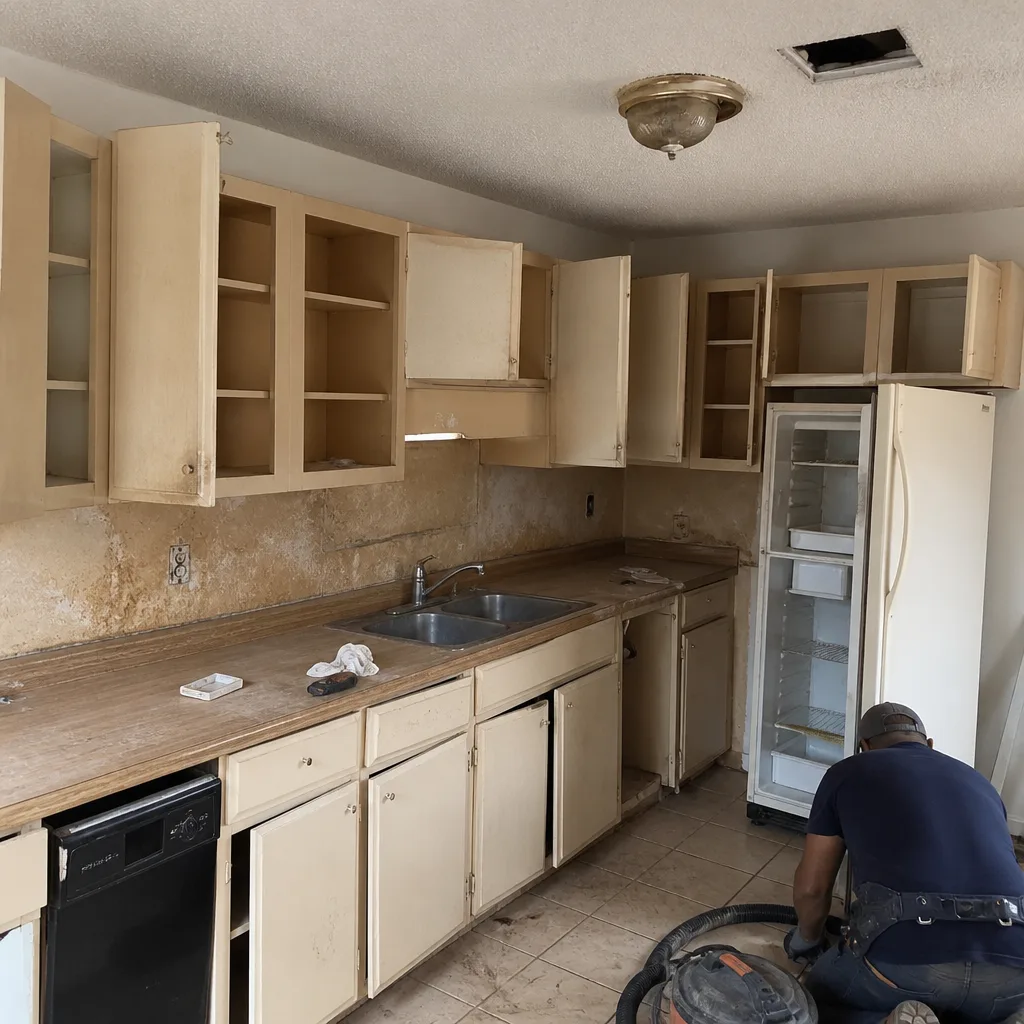 Before
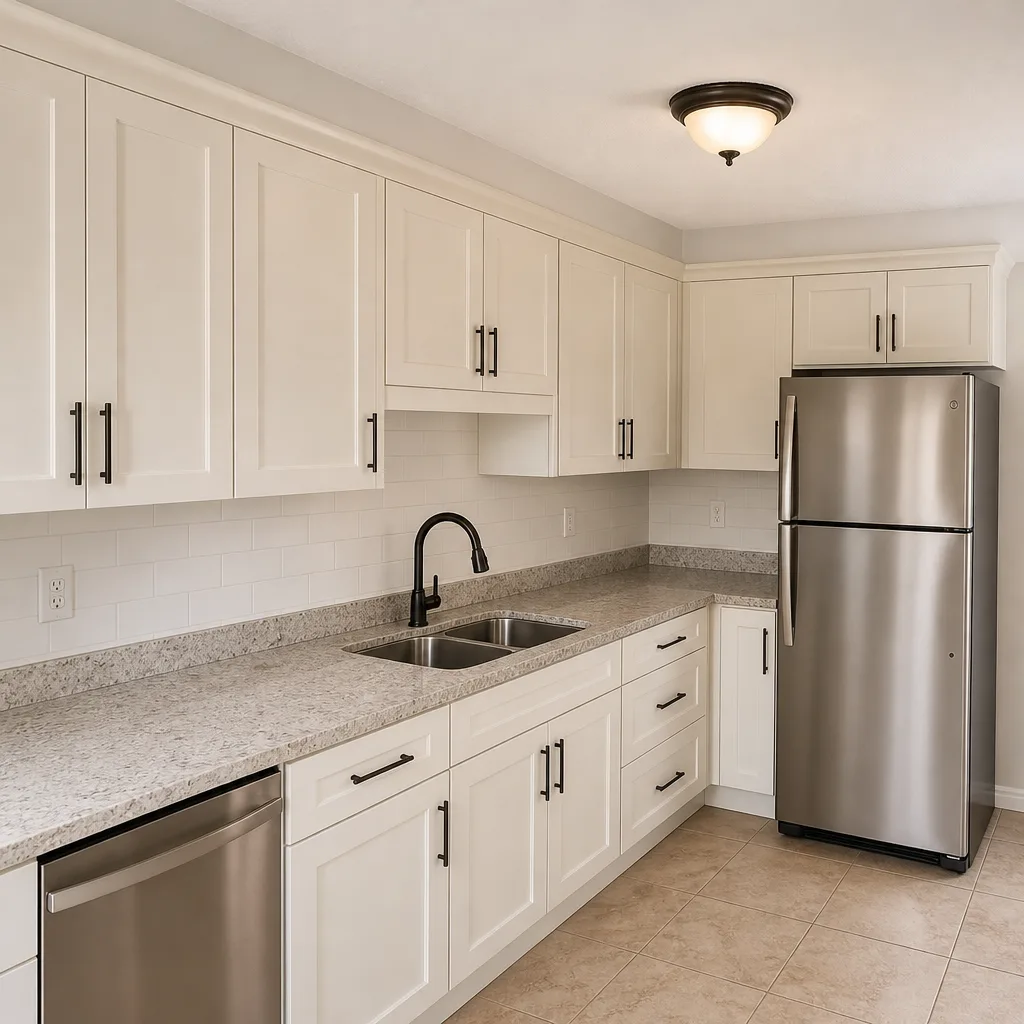 After
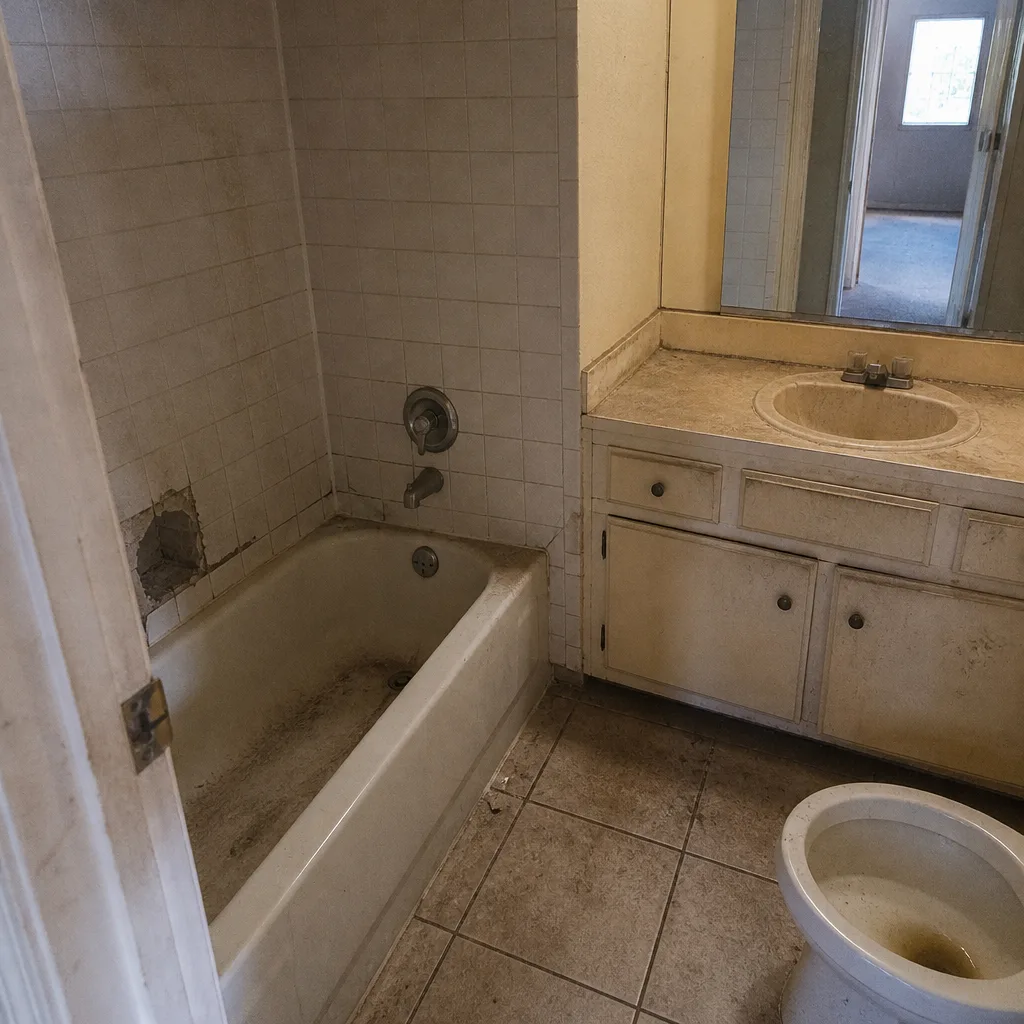 Before
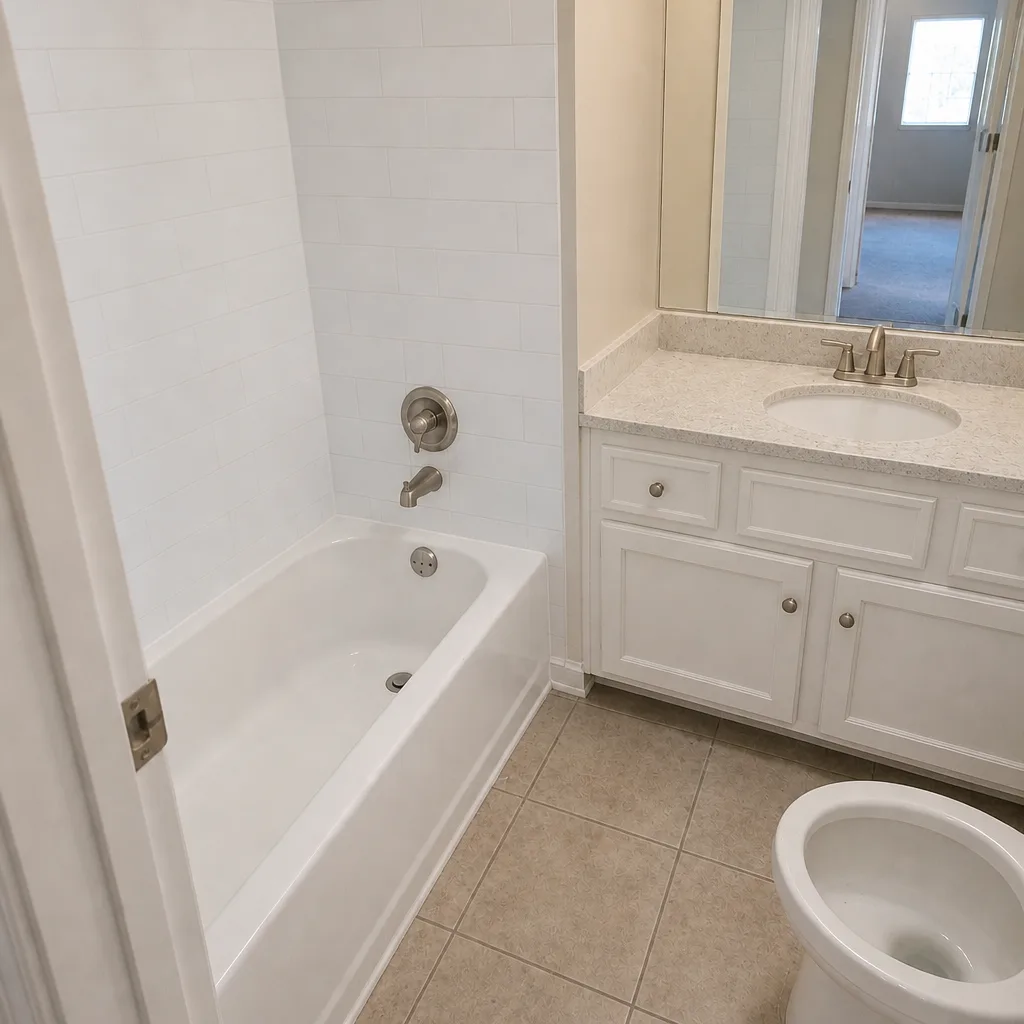 After
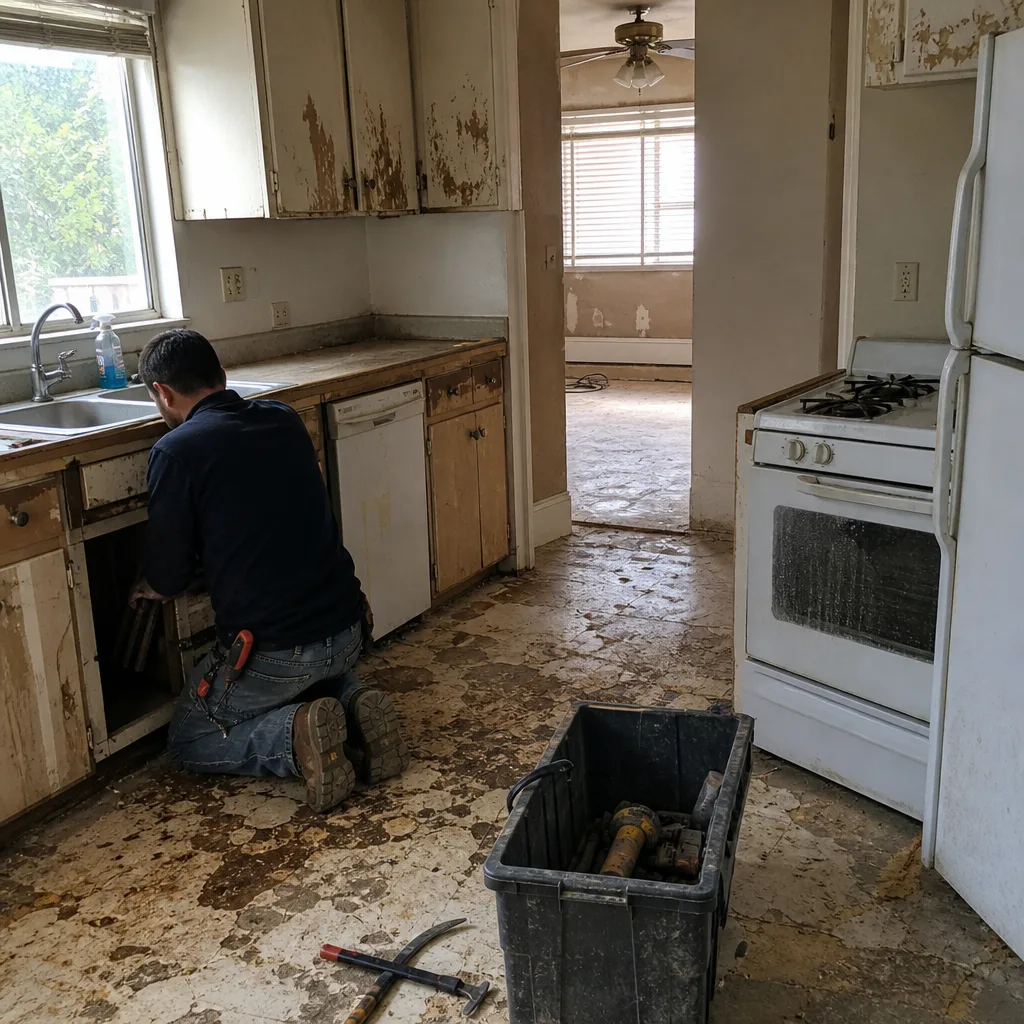 Before
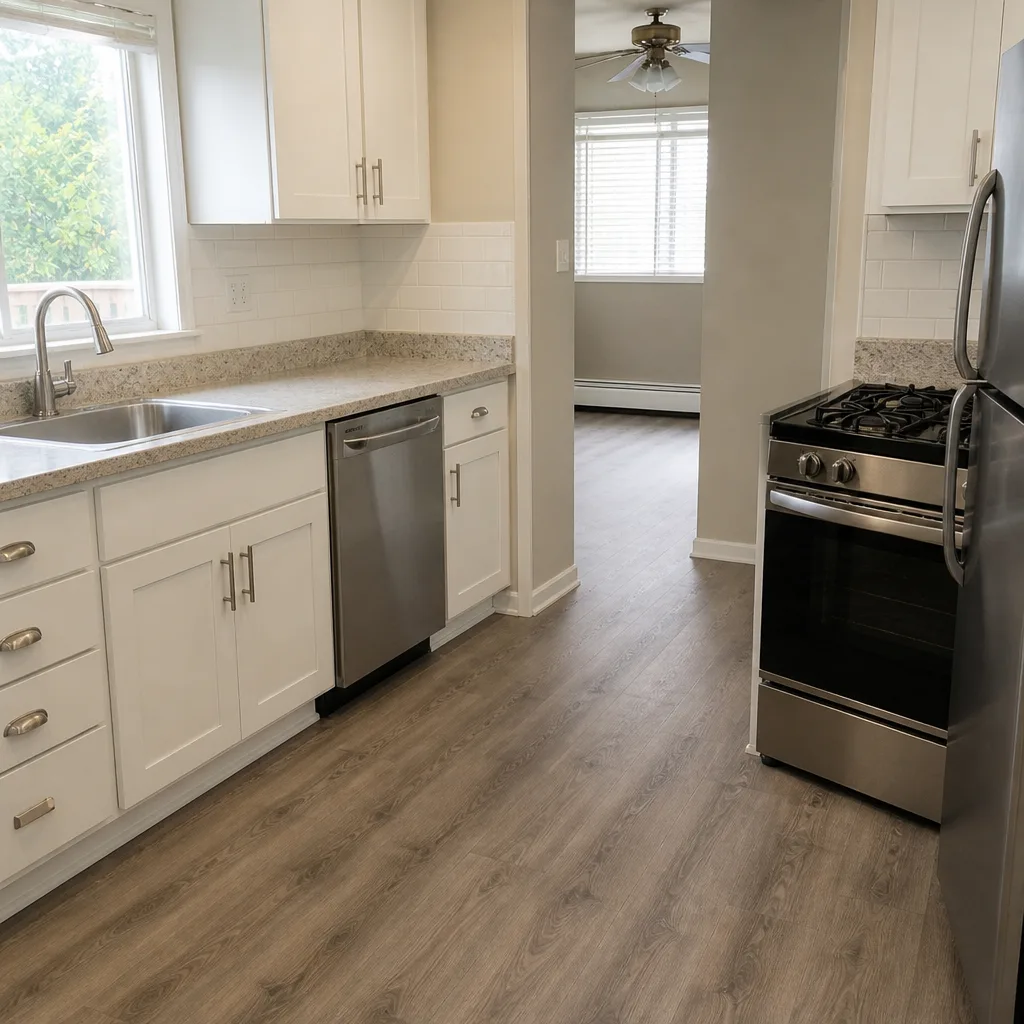 After
Frequently Asked Questions
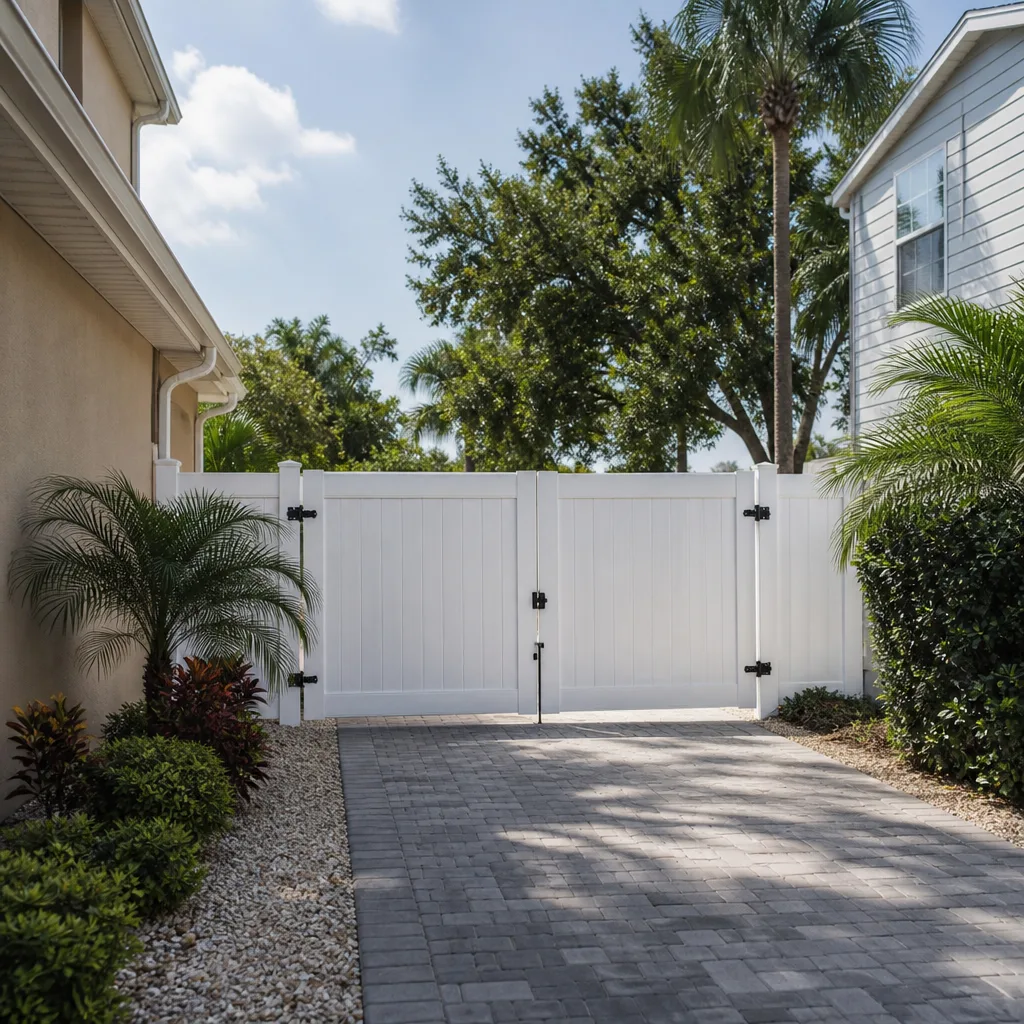
A basic wood privacy fence in Henderson runs roughly $28-$45 per linear foot installed, so a 150-foot project lands around $4,200-$6,750. Vinyl panel fences run $35-$55 per linear foot. Ornamental iron installed runs $55-$95 per linear foot. DIY material cost for the same 150-foot wood fence is typically $2,200-$3,200, plus $400-$700 in tools and rental. Call (844) 320-6757 for an exact quote on your property – our estimates are free.
Fences 6 feet or lower in most residential zones don’t require a city permit, but fences over 6 feet, retaining walls over 4 feet, and corner-lot fences within sight triangles typically do. HOA approval is a separate additional requirement in most Henderson neighborhoods. Confirm with Henderson’s Community Development before you dig. Unsure? Call (844) 320-6757 and we’ll talk through your zone.
You can, but you shouldn’t. A survey costs $450-$850 and is the only way to know exactly where your property line is. Fences built over a line become a legal and financial problem during home sale, and retroactive fixes require demolition of any portion that’s off. Get the survey first – it’s the cheapest step in the project. Need help interpreting your survey or laying out a safe fence line? Call (844) 320-6757.
Posts for a 6-foot fence should be set 24 inches deep in holes roughly 12 inches in diameter for a 4×4 post, filled with concrete to a domed top. In Henderson’s caliche-heavy soil, you may need to break through hardpan with a rotary hammer before the auger will dig. Deeper isn’t better if the hole is too narrow – diameter and concrete volume matter as much as depth. For a site-specific recommendation on your lot, call (844) 320-6757.
Generally no. Most homeowner policies exclude faulty workmanship, and a fence that fails because of improper footing, inadequate concrete, or below-code post depth falls under that exclusion. A professionally installed fence backed by a workmanship warranty fills that gap. Every Groundwork fence install is covered by our 730-Day Done Right Promise – if it’s not done right, we make it right – which goes far beyond what any DIY job can offer. Call (844) 320-6757 to talk through your project.
A 150-foot wood privacy fence is typically a 2-3 day professional installation, weather permitting. Vinyl panel installs run similar. Ornamental iron takes longer because of footings and finish work. Scheduling lead time is usually 1-3 weeks out depending on season. Call (844) 320-6757 to check current availability and get a fixed quote.
The Bottom Line
DIY fence installation is genuinely achievable for basic wood privacy and vinyl panel projects – under 6 feet, on a surveyed line, with the right tools and the patience to do the layout and the footings correctly. Skip those two steps and the savings evaporate. For ornamental iron, block walls, retaining structures, and any fence that needs a permit, the risk math tips quickly toward professional installation. If your project is part of a wider yard or lot improvement – a new fence alongside home additions and ADU construction in Henderson or a paver driveway – the sequencing matters, and one contractor managing the whole scope is usually cleaner than three. You can explore everything we do from our Groundwork Construction Co. of Henderson home page. Every job we take on is backed by the 730-Day Done Right Promise, quotes are fixed and in writing, and our technicians have up to 12 years of experience across fence, paver, and addition work.
Schedule Your Free Fence Estimate
If you’re on the fence about whether to build it yourself, the right next step isn’t a decision – it’s a free estimate. We’ll walk the property, verify the layout against your survey, and quote a fixed price you can compare against the DIY cost of materials, tools, permits, and weekends. No pressure, no high-press sales tactics, no vague numbers. Combined with $1,000 off projects over $10,000 and 0% financing for 18 months, a professionally installed fence is often closer to DIY cost than most homeowners expect. Lines are answered 24/7 by a live person. Call (844) 320-6757 to schedule your free estimate with Groundwork Construction Co. of Henderson. Background-checked, uniformed technicians on every job. Upfront pricing, no surprises. Built to last, backed in writing.
Written by the team at Groundwork Construction Co. of Henderson.