Free written scope consultation - allowances, timeline, and change-order rules on paper before a single trade is scheduled
ADU Site Prep & Utilities in Spring Valley, NV: What It Takes and What It Runs
Site prep and utilities for an ADU in Spring Valley usually land between $45,000 and $130,000 once you add up excavation, grading, drainage, the water and sewer or septic tie-in, the electrical service run, and the slab or pier foundation. Figure six to ten weeks for this phase alone, and longer on the larger lots in 89113 where a private well or septic system is part of the equation. Call (844) 320-6757 and we’ll walk your lot and put real numbers on it.
How a Site Prep & Utilities Package Actually Gets Built
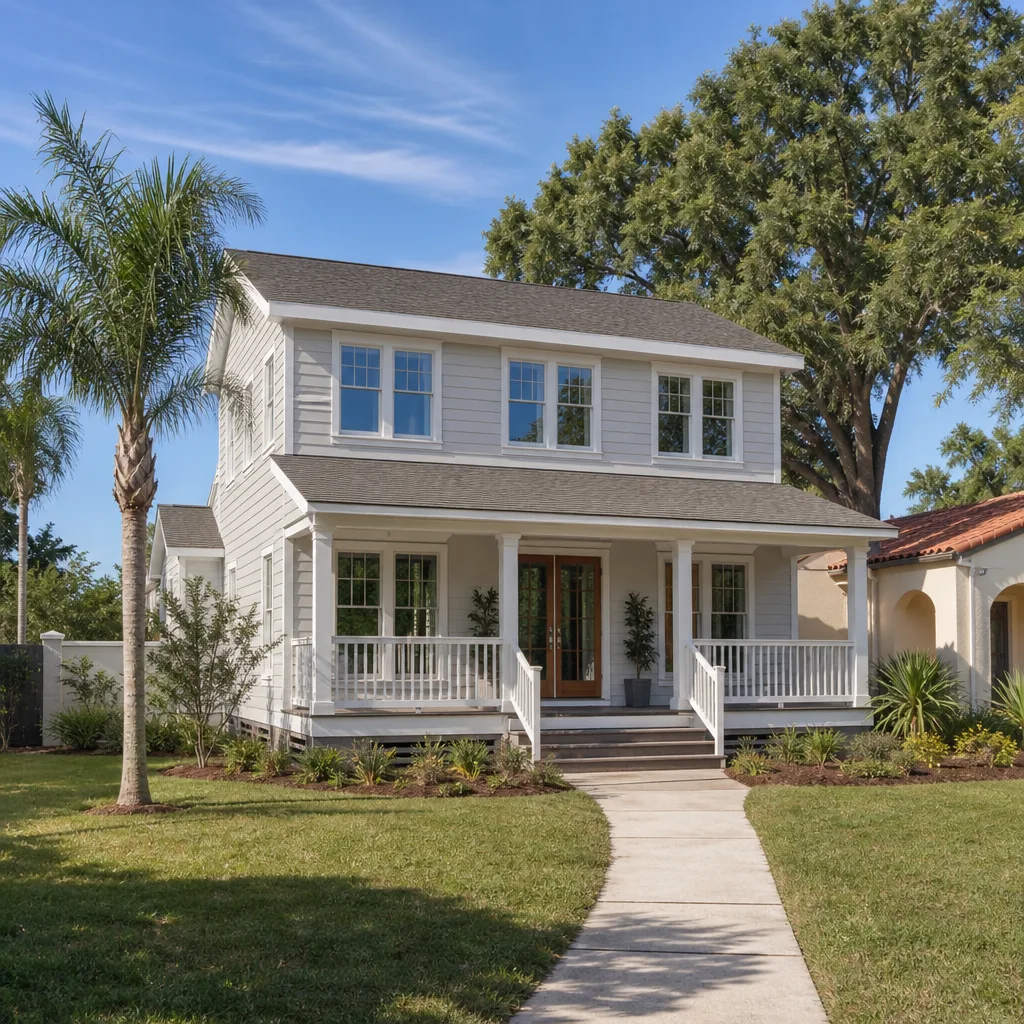
People picture this stage as a guy on a machine pushing dirt for a few days. It’s more choreographed than that, and the order matters because each step locks in decisions the next one can’t undo. Here’s the sequence we run, and what you’re on the hook to decide at each point.
Stage 1: Utility locate and survey (days 1 – 2)
Before any machine moves, we call 811 for the free utility locates and confirm the setback lines from your plot plan. On the foothill lots toward the Spring Mountains, this is also when we look at where the natural drainage runs, because a wash that’s dry in April can be a river by July. You decide nothing here except to hand over the survey and any HOA-approved plans; we handle the locate tickets and staking.
Stage 2: Excavation and rough grading (days 3 – 7)
We strip the surface, cut the pad to grade, and move stockpiles to a corner of the lot you can live with. Rough grading for a detached ADU typically takes three to five working days depending on how much cut-and-fill the lot needs. This is your first real decision: pad elevation. Set it too low and you fight runoff forever; set it too high and you need imported fill and a retaining edge. We’ll show you the grade stakes before we finalize.
Stage 3: Utility trenching and rough-in (days 5 – 10, overlapping grading)
Water, sewer (or the septic field), electrical conduit, and gas get trenched and laid while the pad is still open. If the ADU is going where a well and septic already exist, we test and tie in rather than re-drill. This stage is where a decision waits on you: whether to run a dedicated electrical service to the ADU or sub-panel off the house. A dedicated meter costs more up front but keeps the ADU separately metered.
Stage 4: Drainage, retaining, and foundation prep (days 10 – 20)
French drains, swales, and any retaining walls go in before the slab. We compact and proof-roll the subgrade, then set forms or piers. On sloped lots the retaining and drainage work can easily eat a week on its own. You approve the drainage plan here; skipping it is the mistake we see most on foothill property.
Stage 5: Inspections and handoff to the build (days 20 – 35)
Rough plumbing, electrical, and foundation get inspected before anything gets buried or poured. Once those stamps are on the card, the ADU build moves to framing and you’re out of the dirt phase. Typical all-in timeline: four to seven weeks for a standard tract lot, seven to ten weeks for a well-and-septic lot in the southwest foothills.
Styles & brands we work with
- Kitchen remodeling
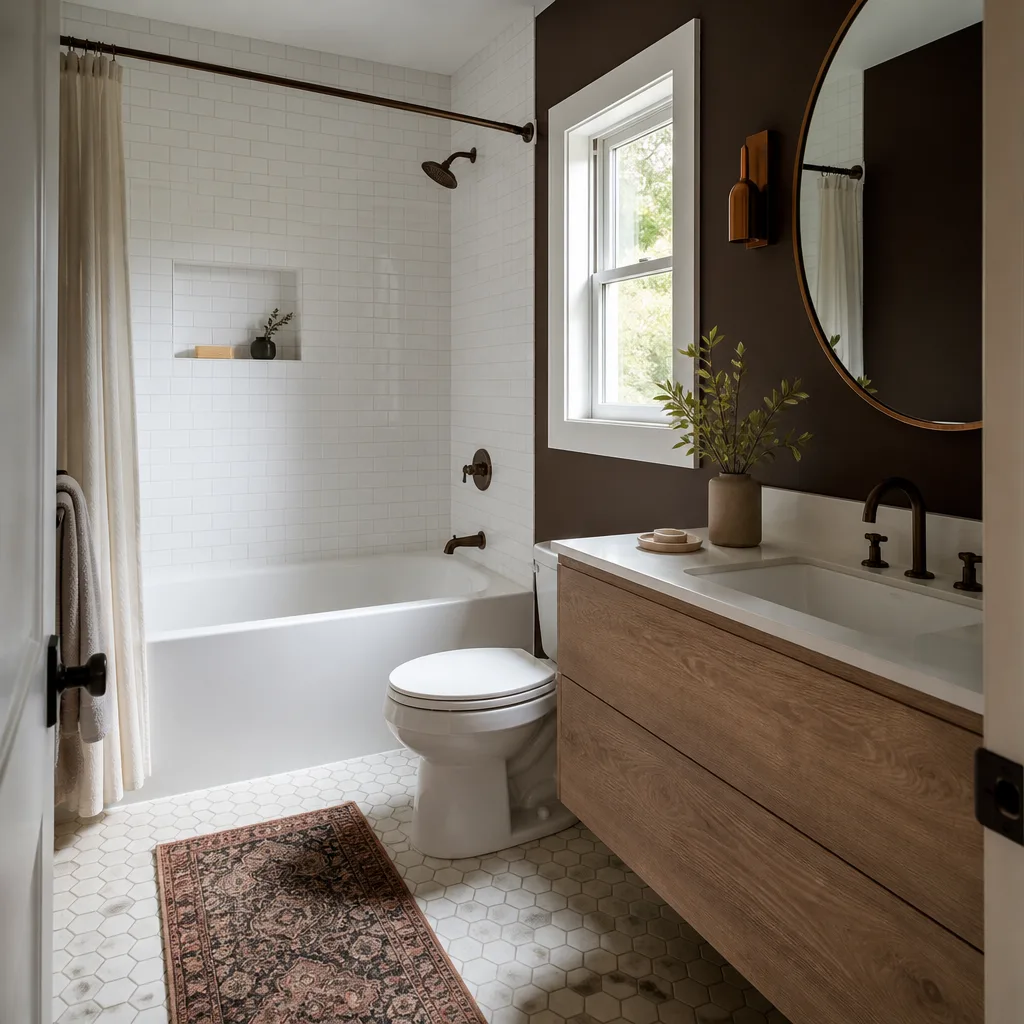
- Bathroom remodeling
- Home additions & ADU
- Roofing
- Windows & doors
- Driveway & pavers
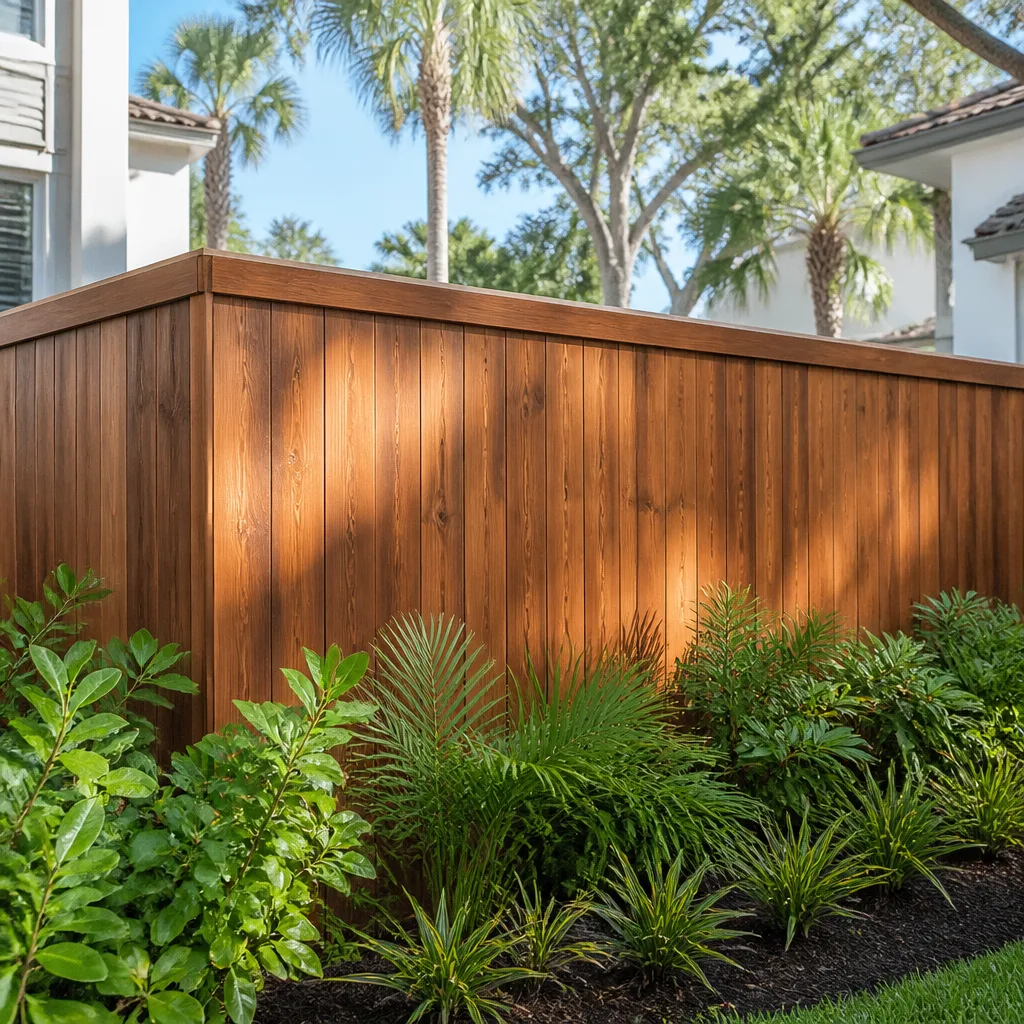
- Fence
The Choices That Shape Your Site Prep and Utility Package
Site work isn’t a commodity. The specs you pick change both the price and how the ADU behaves for the next thirty years. These are the ones that matter.
- Sewer tie-in vs. septic. A municipal sewer connection is the simpler, cheaper path where the line reaches the lot. A new or replacement septic system on a larger 89113 lot can add serious money and a longer county review. If you already have septic, tying into the existing drainfield is the smart financial move – but only after a percolation check.
- Water service: existing well vs. new tap. Tapping a municipal main is straightforward where it’s available. Rehabbing an existing private well is often less expensive than drilling a new one, and keeps you off the water bill. We test the well before we commit to it.
- Dedicated vs. sub-panel electrical. A separate service and meter costs more up front but avoids one bill covering two dwellings. A sub-panel off the house is cheaper and simpler to pull; it’s a fit for family ADUs where nobody’s keeping score.
- Slab-on-grade vs. raised pier foundation. A slab is the standard on flat lots. A raised pier foundation handles slope and drainage better and keeps the floor above the flood path of a foothill wash, at added cost.
- Grading and drainage allowance. Flat ground is cheap to grade. A lot that dumps water toward the ADU pad needs swales, french drains, or a retaining wall – all of it worth the money on the west side of the valley.
For the concrete flatwork around the pad and the access drive, homeowners often pair this with Concrete Driveways & Concrete Work in Spring Valley, and some choose a finished approach run with Paver Driveways in Spring Valley. We pour and lay both as part of the same footprint.
What ADU Site Prep & Utilities Costs in Spring Valley, NV
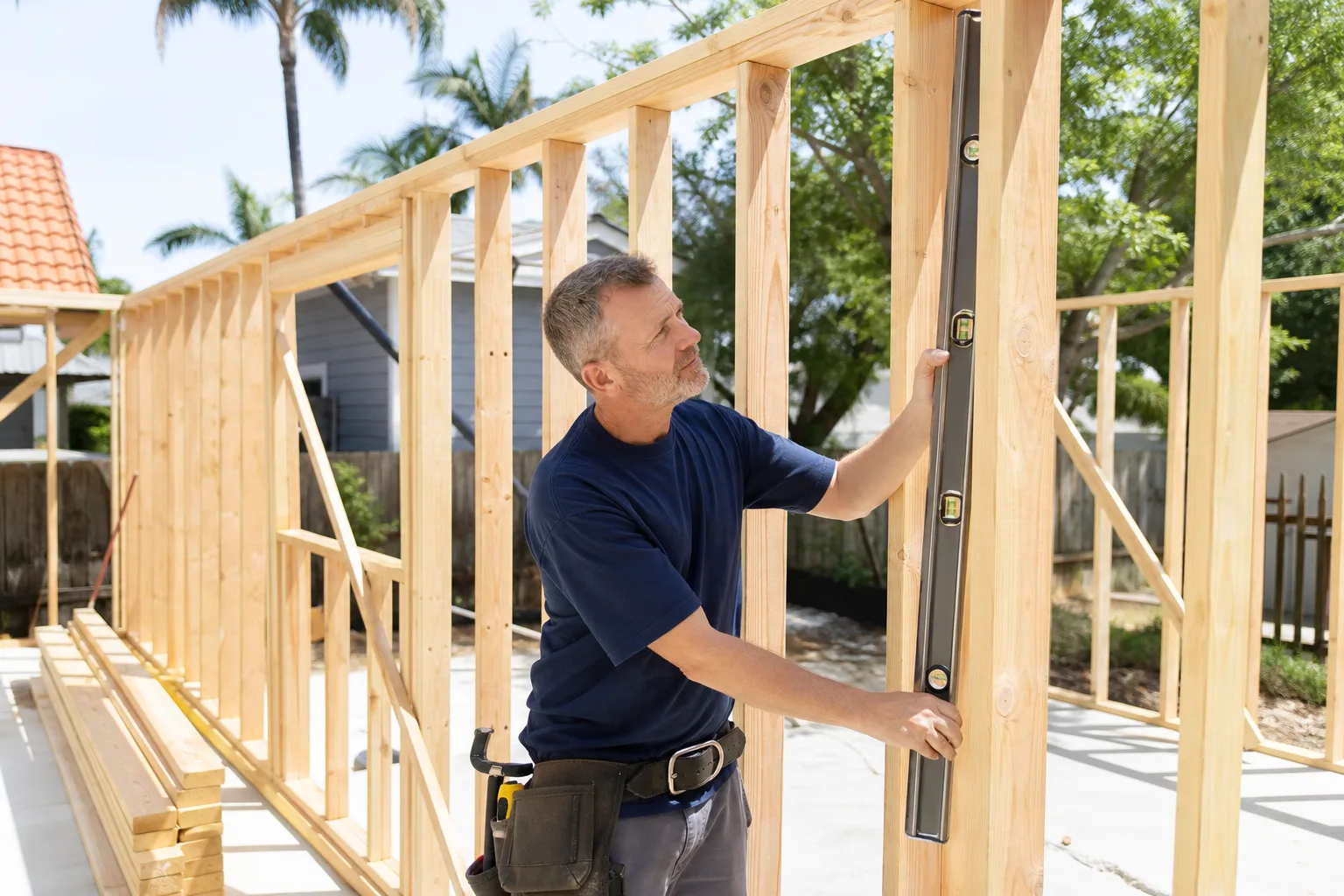
Plan on $45,000 to $130,000 for the site prep and utilities scope of an ADU in Spring Valley. That range is wide because the land is the wild card, not the labor.
- Excavation, rough grading, and haul-off: $6,000 – $22,000
- Drainage, swales, french drains, retaining: $3,000 – $18,000
- Water service or well tie-in: $3,500 – $25,000
- Sewer connection or septic system: $5,000 – $40,000
- Electrical service trench and rough-in: $4,000 – $18,000
- Gas line (where applicable): $1,500 – $6,000
- Foundation: slab, piers, or raised: $12,000 – $45,000
- Permits and inspection fees: $1,500 – $6,000
Five things push a job toward the top of that range: a lot that needs heavy cut-and-fill, a new septic system instead of a tie-in, a dedicated electrical service, retaining work on a slope, and a build pad that needs imported fill. A written, line-item estimate covers each of those as a separate line so you can see what you’re buying. What it won’t cover is landscaping restore or anything inside the ADU itself – that’s the build phase, covered on our Home Additions & ADU in Spring Valley page. Upfront pricing, no surprises: the number you see is the number you pay, and projects over $10,000 qualify for $1,000 off plus 0% financing for 18 months.
See the difference
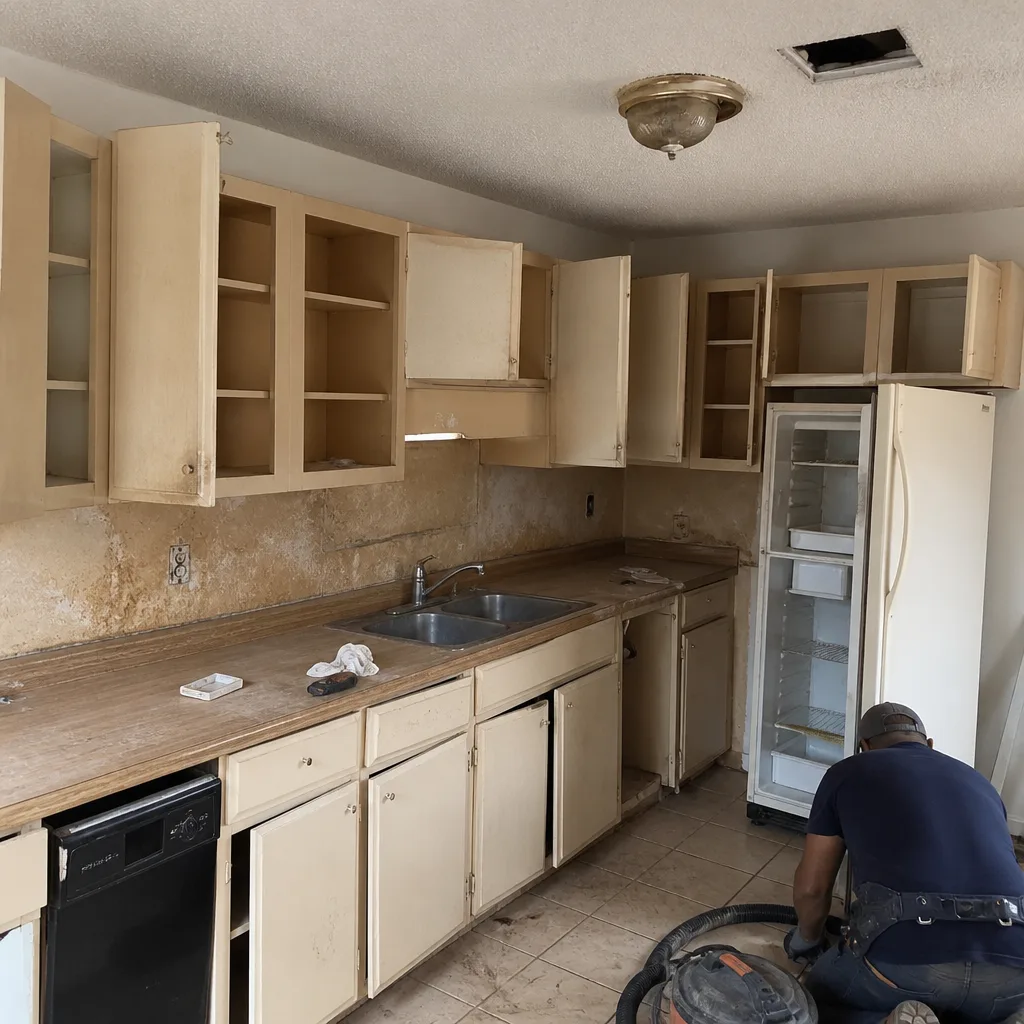 Before
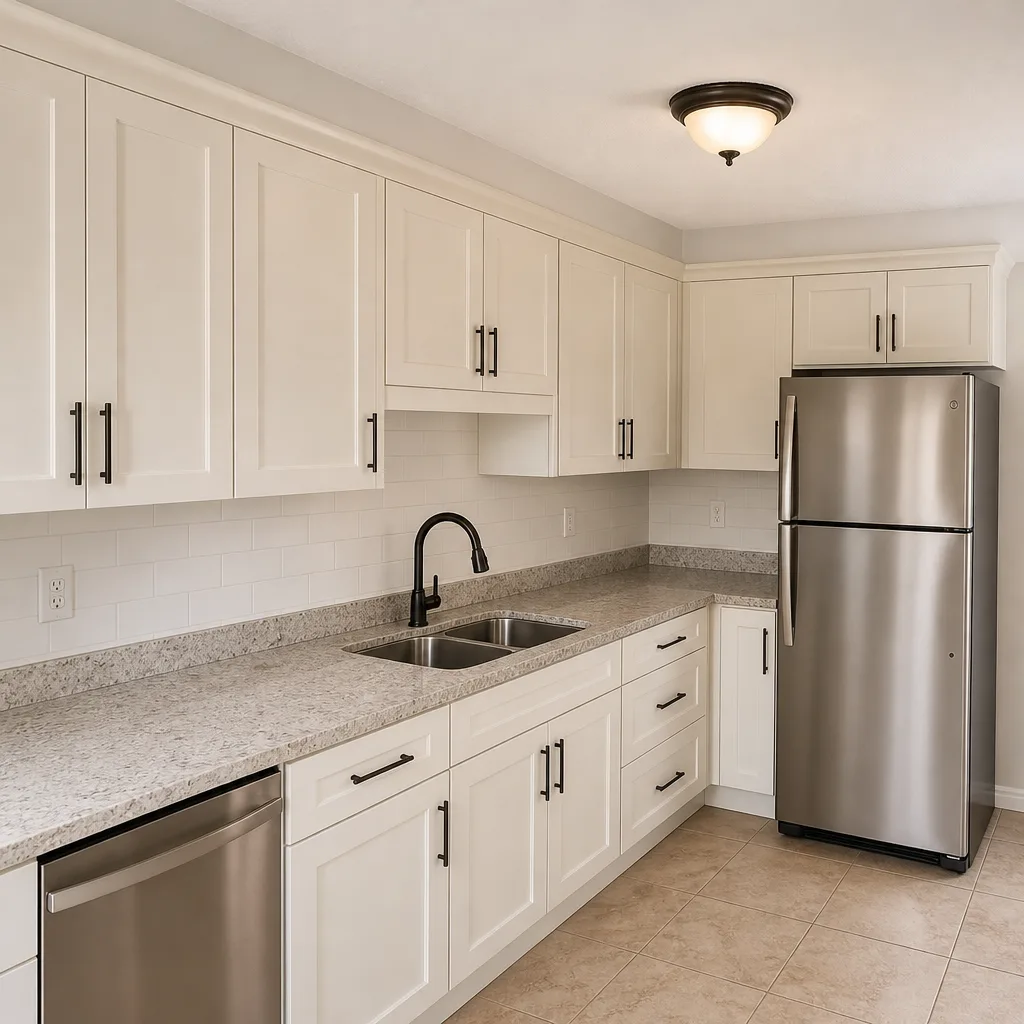 After
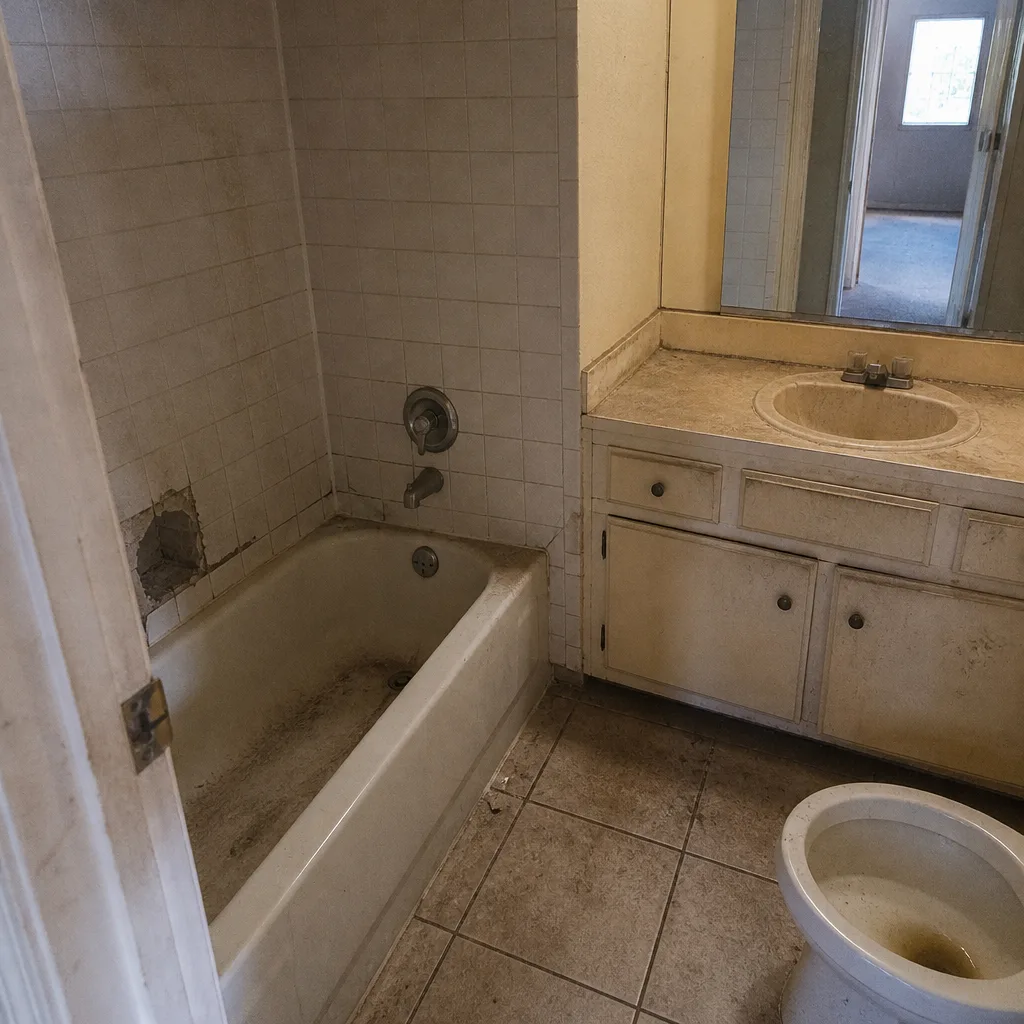 Before
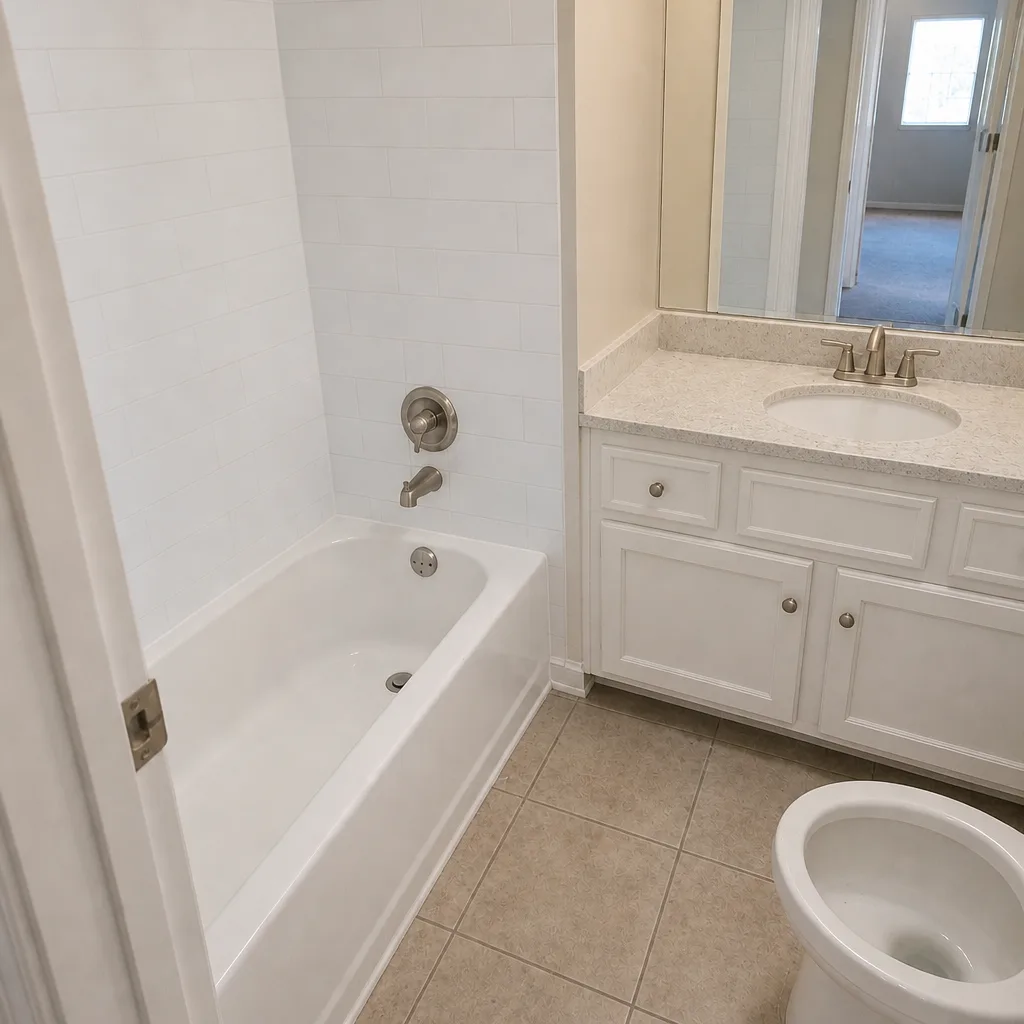 After
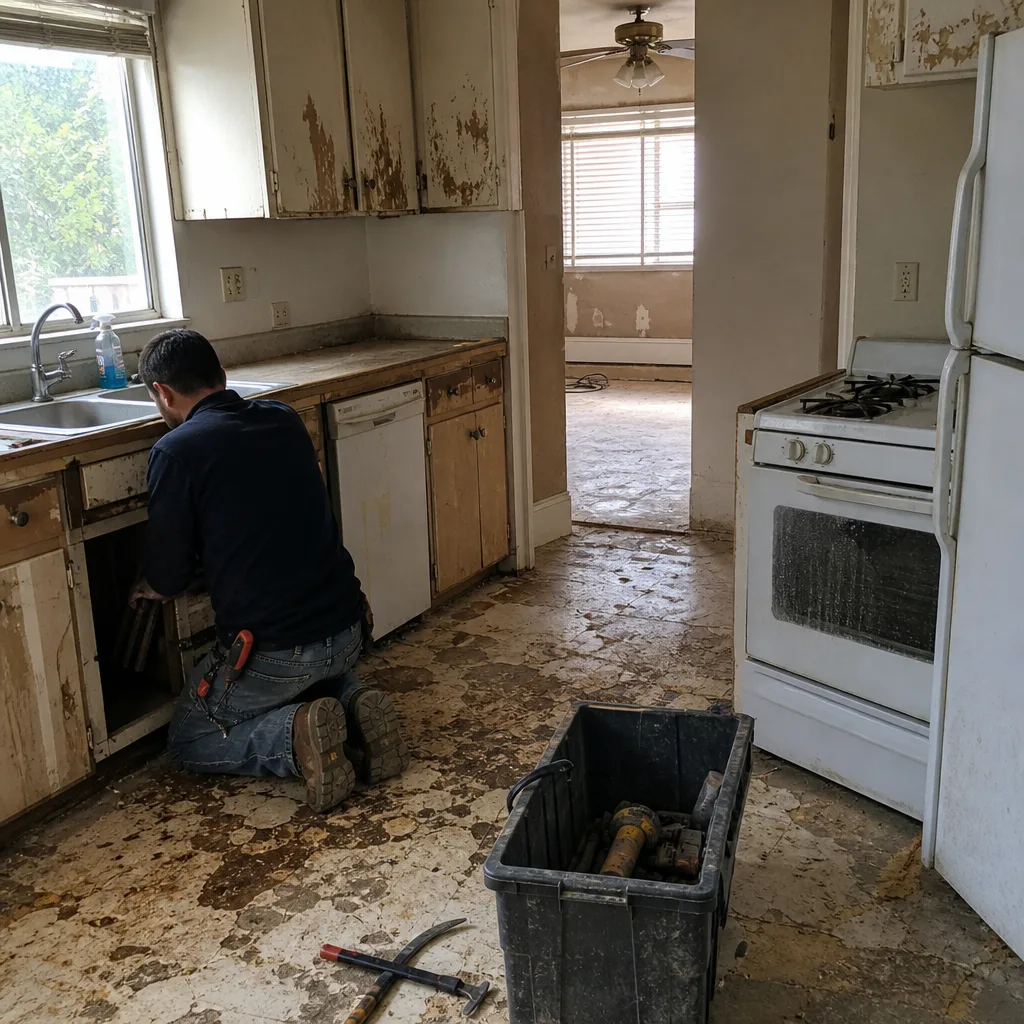 Before
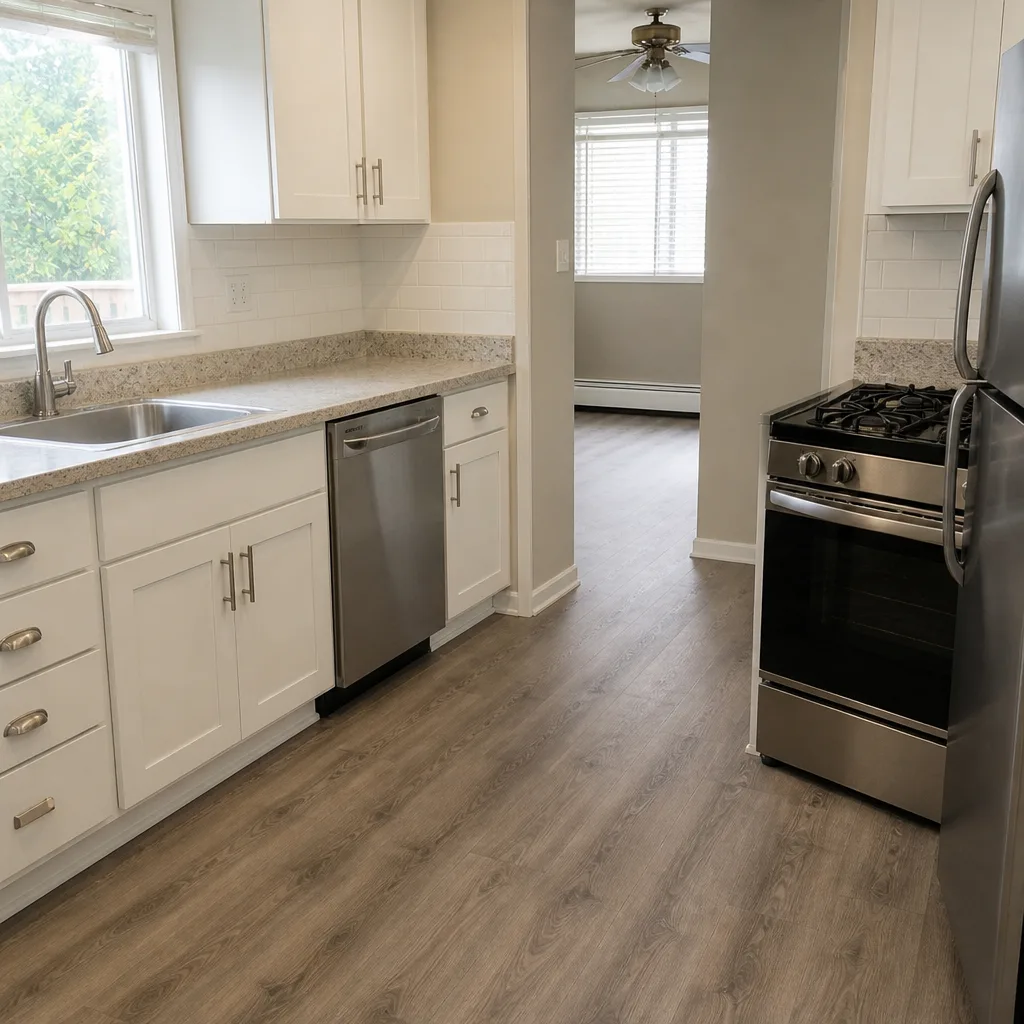 After
What Spring Valley’s Land Does to This Job
Spring Valley is a mix of built environments, and which one your lot sits in changes the entire scope. On the 1990s – 2000s tract-home streets, the ADU site work is predictable: tie into the city sewer and water, grade a flat cul-de-sac lot, run a sub-panel. On the newer custom lots climbing toward the Spring Mountains, and on the larger-lot properties in 89113 still running on private wells and septic, the same job means percolation testing, well rehab, and drainage engineered against foothill runoff.
The climate compounds it. Summer afternoons regularly run past 110°F, which shrinks the window for exterior concrete pours and stresses curing cycles, so we schedule flatwork early. Monsoon microbursts can turn a dry desert wash into a fast-moving muddy torrent in minutes on the western edge, which is why drainage and pad elevation matter more here than on the flatter east side of the valley. Contractors who skip the drainage plan are the ones back the next summer. Permits and inspections run through Clark County on the unincorporated parcels and through the local jurisdiction on the rest; we pull the permits and pass the inspections so the card is clean when the building phase starts. If the wider project comes up, our Home Additions & ADU service covers the scope from pad to finished unit, and you can see the full reach of our work on the Spring Valley service-area page.
Serving Spring Valley, NV – Our Local Coverage Area
We serve Spring Valley and nearby communities. Use the map below to see the area we cover. If you’re nearby, we can almost certainly help.
Frequently Asked – ADU Site Prep & Utilities in Spring Valley
Four to seven weeks on a standard tract lot, seven to ten on a larger lot with a well or septic system. The grading, trenching, and foundation work moves in overlapping stages, but inspections and county review add calendar time you can’t compress. Call (844) 320-6757 and we’ll map a schedule for your specific parcel.
Yes. Trenches, water and sewer connections, electrical service, and foundation all require permits and rough-in inspections. We pull the permits and pass the inspections as part of the job, and we won’t bury a line until the inspector signs off. Call (844) 320-6757 to get the permit scope for your lot.
Usually, yes. If the ADU sits away from the main house, the utility runs bypass the existing system and only tie in at the meter or the main. When the ADU crowds the house or the main line, some rerouting is unavoidable, and we show you that in writing before we touch a shovel. Estimates are free.
The site prep and utilities scope runs $45,000 to $130,000 in Spring Valley, with the difference driven mostly by septic versus sewer, well versus municipal water, and how much grading and drainage your lot needs. You’ll get a line-item written estimate, not a lump sum. Call (844) 320-6757 for an exact quote.
Everything we do here is covered by our 730-Day Done Right Promise – if it’s not done right, we make it right. That covers the flatwork, the drainage, and the utility rough-in we install. Calls are answered by a live person 24/7, and every technician on the job is background-checked and in uniform. Call (844) 320-6757 with any question about coverage.
Get a Site Prep & Utilities Estimate for Your Spring Valley ADU
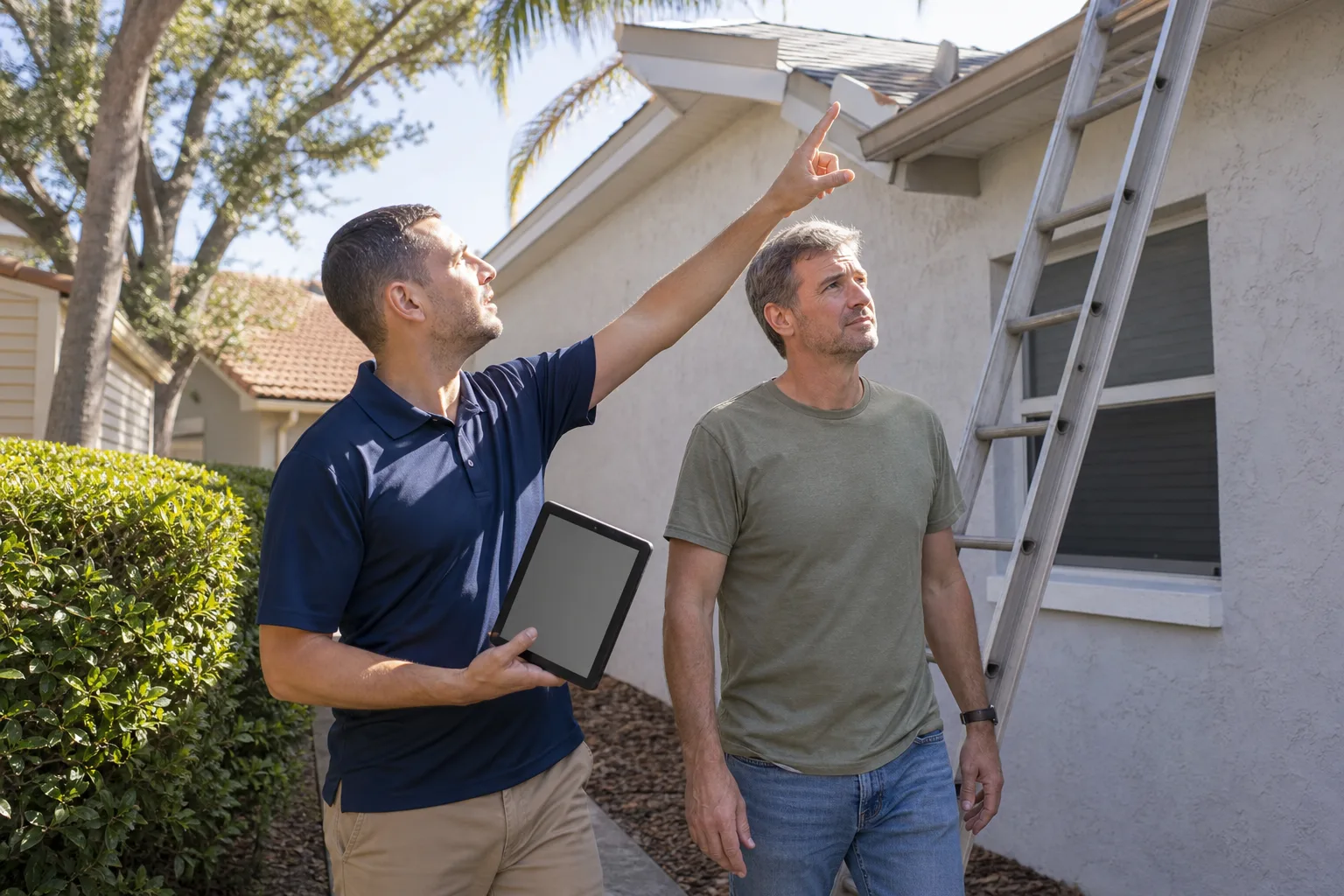
We’ll meet you at the lot, walk the grade and the utility routes, and put a line-item estimate in your hands – no vague lump sum. That first visit is a free project estimate and design consult. Call (844) 320-6757 and a live person picks up, day or night, and gets your site visit on the calendar. From foundation to finish line, one contractor on the whole ADU.
Written by the team at Groundwork Construction Co.