Last updated November 18, 2026

Free written scope consultation - allowances, timeline, and change-order rules on paper before a single trade is scheduled
Construction Cost Breakdown: The Henderson Homeowner’s Reference for 2026
In 2025, a Henderson homeowner collected three bids for the same concrete flatwork job. All three contractors were licensed. All three lived and worked in the Valley. The spread between the lowest and highest bid was $14,000. Without a framework for reading those numbers, there was no rational way to choose. That’s the problem this guide solves. Below you’ll find per-square-foot benchmarks for the projects Henderson homeowners actually build, a method for reading a line-item estimate, the local cost drivers most guides skip, and the real math behind why the cheapest bid usually costs more. It’s written for homeowners who want to know whether a number is fair, not just whether it’s low.
Quick Answer
Construction costs in Henderson in 2026 run roughly $18 to $40 per square foot for concrete flatwork, $22 to $45 per square foot for paver driveways, $55 to $95 per linear foot for retaining walls, and $200 to $400 per square foot for additions. The wide ranges reflect real 2026 conditions: material volatility, tight labor, and the local site work unique to the Valley. A fair bid is one you can read line by line and reconcile with a written scope, not the one with the smallest total.
Styles & brands we work with
- Kitchen remodeling
- Bathroom remodeling
- Home additions & ADU
- Roofing
- Windows & doors
- Driveway & pavers
- Fence
Table of Contents
- Per-Square-Foot Benchmarks for Henderson Projects
- How to Read a Line-Item Estimate
- Where Margin Hides in a Construction Bid
- The Henderson Cost Drivers Other Guides Skip
- What “Transparent Pricing” Actually Means Structurally
- The Real Cost of the Cheapest Bid
- A Step-by-Step Process for Comparing Bids
- Common Mistakes to Avoid
Per-Square-Foot Benchmarks for Henderson Projects
These are working ranges for Henderson in 2026, not national averages shoehorned into a local guide. They assume standard residential scope, normal site access, and licensed labor. Anything outside those conditions moves the number, and a good estimate will show you where.
- Concrete flatwork (driveways, patios, walkways): $18 – $40 per square foot, installed. A basic broom-finish patio sits near the low end; stamped, colored, or exposed-aggregate finishes push toward the top. Demolition and haul-off of an existing slab adds separately, typically $3 – $8 per square foot.
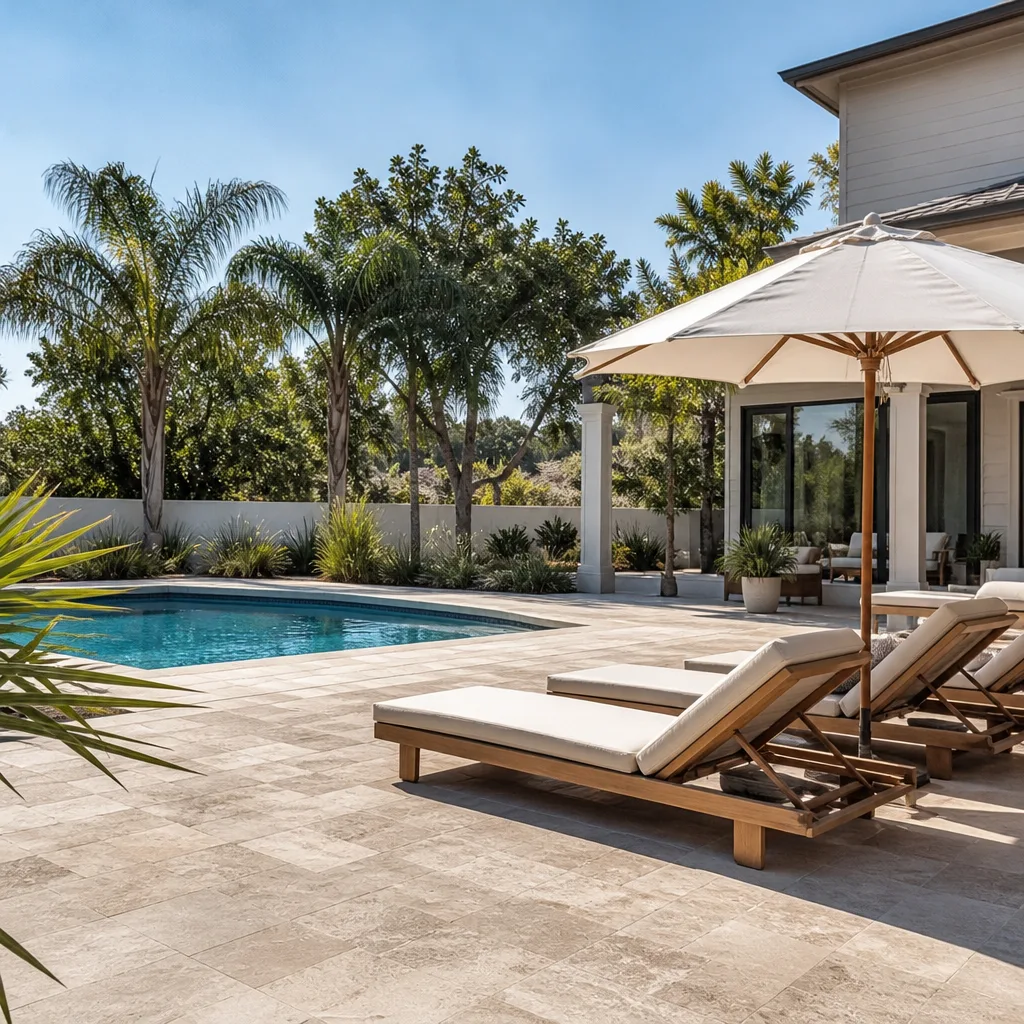
- Paver driveways: $22 – $45 per square foot. The material alone drives most of the spread. Belgard and comparable lines sit mid-to-upper; base prep, compaction, and edge restraint account for the rest. A paver driveway on a properly compacted base is a different product than one laid on a thin sand bed, and the price should reflect that.
- Retaining walls: $55 – $95 per linear foot depending on height and material. Engineered walls over four feet, block walls with reinforcement, and walls requiring a footing all trend higher.
- Home additions: $200 – $400 per square foot, finished. A straightforward primary-suite bump-out sits near the floor; a fully appointed ADU with its own kitchen and bath approaches the ceiling.
- Fence installation: $28 – $60 per linear foot installed, by material and height. Block walls and gates add cost.
For a deeper look at the paving and hardscape side, see our guide to Driveway & Pavers in Henderson. For the full additions picture, our Home Additions & ADU in Henderson page walks through scope and sequencing.
Two cautions on these numbers. First, they’re ranges, not quotes. A real number requires a site visit, because the single biggest variable in Henderson is what’s under the surface. Second, the ranges are wide because 2026 itself is volatile: lumber and concrete have both moved meaningfully in the last 24 months, and labor availability fluctuates by trade. When a contractor quotes a number with no explanation of which end of the range they’re targeting and why, that’s a signal.
How to Read a Line-Item Estimate
A line-item estimate is the difference between a contractor who’s done the math and one who’s guessing. A lump-sum bid tells you a total and nothing else, and you’ll have no way to check what changed if the job grows. Read every estimate with these five categories in mind.
- Scope lines. Each trade and each phase should appear as its own line with a quantity and a unit. “Concrete work: $18,000” is a lump sum. “Remove and haul 400 sq ft existing slab; form, pour, and finish 400 sq ft broom-finish concrete; reinforce with rebar” is a scope. You want the second.
- Materials. Brand and grade should be named, not generic. For roofing, that means a line that says Owens Corning or IKO, not “architectural shingles.” For a kitchen, that means KraftMaid, not “cabinetry.” Materials by name protect you when a substitution is tempting.
- Labor. Labor should be broken out by task, not rolled into a single percentage. A bid that shows you 30% labor across 40 different tasks is a bid that expects you not to look.
- Equipment and fees. Dumpsters, equipment rental, permits, and inspections should be their own lines with their own numbers. If they’re missing, they’ll reappear later as change orders.
- Contingency and exclusions. A written list of what’s excluded (rock excavation, unforeseen utility conflicts, HOA architectural review fees) tells you where risk sits. A bid with no exclusions and no contingency is a bid with hidden risk.
Ask each contractor to walk you through the estimate line by line. The response itself tells you something: a contractor who knows their own numbers can explain them in plain language. The one who says “it’s all in there” is telling you they don’t. Our Groundwork Construction Co. of Henderson home page outlines how our own estimates are structured and what we warrant.
Where Margin Hides in a Construction Bid
Every contractor marks up. That’s not the problem. The problem is markup you can’t see, because you can’t audit what you can’t read. In our experience reviewing hundreds of competitor bids across Henderson, margin tends to hide in four predictable places.
- Material markup split across lines. A contractor might mark materials up 10% on one line and 35% on another, then roll both into the total. Look for materials presented as a single percentage across categories. If lumber, concrete, and fixtures all show the same 30% spread, either the contractor is genuinely buying at scale or that number isn’t real.
- Labor classification. Apprentice, journeyman, and lead rates differ significantly. A bid that charges every labor hour at a lead rate, on a job that doesn’t require a lead for every task, exposes you to a cost you didn’t agree to. Good estimates specify the mix.
- Equipment fees that double as a profit center. A dumpster rental has a real market rate. So does a skid steer day rate. When those lines are inflated or consistently bundled with “miscellaneous equipment,” you’re paying for the contractor’s overhead without seeing it.
- The “other” line. Any lump-sum line labeled “other,” “allowance,” or “miscellaneous” without further definition is margin waiting to be collected. Allowances are legitimate, but they need a defined cap and a process for what happens if the actual cost exceeds it.
The antidote is boring: line-item estimates, brand names, a written exclusions list, and a contractor who’ll put their name on all of it. No-hassle upfront pricing means the number you see is the number you pay, and the only way that’s true is if the number is itemized enough to defend.
The Henderson Cost Drivers Other Guides Skip
National cost guides give you a national picture. Henderson has four local cost drivers that change the math in ways that won’t show up anywhere else.
Soil conditions and import/export
Large parts of Henderson sit on caliche and expansive clay soils. Caliche resists excavation and can require jackhammering where a contractor in a different market would just dig. Expansive clays need proper base prep and over-excavation; a paver driveway or concrete slab laid on inadequate base fails within a few summers. When a bid includes a line item for soil import, export, or base remediation, that’s a contractor who’s worked here. When it doesn’t, either they didn’t check or they’re planning to treat it as a change order.
HOA compliance fees
Henderson has a heavy HOA footprint, especially in the master-planned communities. Architectural review fees, submittal timelines, and design guidelines can add real cost and real time. A contractor who doesn’t ask about your HOA before quoting is a contractor who hasn’t done a lot of work in Henderson. Build the HOA timeline and fee into the estimate up front.
Inspection scheduling
Building department inspection windows affect schedule, and schedule affects cost. A job that loses two weeks to a missed inspection window is a job that pays for crew standby time somehow. Good contractors build their critical path around realistic inspection timelines rather than optimistic ones.
Extreme heat and seasonal windows
Concrete pours, paver installation, and exterior paint all have temperature-sensitive windows. Mid-summer work in Henderson often requires early-morning pours and adjusted cure schedules, both of which carry a premium. If you’re planning hardscape or exterior work, the difference between a February start and a July start is real money.
What “Transparent Pricing” Actually Means Structurally
Every contractor says their pricing is transparent. In practice, “transparent” means one of two contract structures, and the structure is what actually determines your exposure if prices move.
Fixed-price contracts
You agree to a total for a defined scope. The contractor absorbs material price movement and labor slippage, within the scope. Your exposure is low: the number you agreed to is the number you pay, provided the scope hasn’t changed. The contractor’s protection is the written exclusions list and a defined change-order process. Fixed-price pricing only works well when the scope is fully defined up front, which is why a proper design consult and site visit are not optional.
Cost-plus contracts
You pay for materials and labor, plus a stated markup. The contractor’s margin is fixed and the risk of price movement sits with you. Cost-plus has legitimate uses on major structural work where scope genuinely can’t be fully defined in advance, but on a straightforward kitchen or paver driveway, opening the door to cost overruns on materials isn’t a service to you. When you see cost-plus proposed on a defined-scope job, ask why.
At Groundwork Construction Co. of Henderson, we work fixed-price on defined-scope residential projects because it puts the price volatility on us, not on you. We also offer 0% financing for 18 months and $1,000 off projects over $10,000, which is how we make a large remodel budget-accessible without disguising a number behind a percentage.
The Real Cost of the Cheapest Bid
The cheapest bid is not typically the least profitable bid for the contractor. It’s the bid with the most room to recover margin later. The three most common mechanisms are warranty gaps, material downgrades, and subcontractor churn, and each costs real money 12 to 24 months after completion, which is exactly when you no longer have negotiating leverage.
- Warranty gaps. Read the warranty language before signing, not after. A one-year workmanship warranty sounds fine until the paver driveway settles at month 19 or a roof leak shows up after the first full spring rain following an install. Our 730-Day Done Right Promise exists specifically to cover the window where gaps typically appear: if it’s not done right, we make it right, with two years between install and warranty expiration.
- Material downgrades. The bid named GAF shingles and installed Arch-brand equivalents. The bid named KraftMaid cabinets and installed a house brand. The bid specified a 4-inch slab and poured a 3-inch pour over insufficient base. None of these show up in the first month; they show up in the second year, often after a hard summer or the first heavy winter rain. Named brands in the bid, brand-specific warranties, and an invoice that matches the bid are what protect you.
- Subcontractor churn. The contractor who quoted your job is not always the contractor who supervises your job. When crews churn, quality control thins, warranty claims get lost, and punch lists go unanswered. Background-checked, uniformed technicians on every project sounds like a branding point, but it’s a structural protection against the churn problem.
Run this exercise: take the lowest bid and add the cost of re-doing one component at year two. A paver driveway reinstallation, a roof section repair, or a slab replacement will each eat more than the difference between the cheapest and middle bid. That’s the real comparison, not the top-line totals.
A Step-by-Step Process for Comparing Bids
Three bids, three numbers. Here’s a process that turns them into a real decision.
- Confirm the scope is identical. Before comparing prices, compare scope line to line. If one contractor includes demolition and haul-off and another doesn’t, you’re not comparing the same job. Write down every line where the scope differs.
- Check brand and grade on materials. Named brands matter. If a bid names a brand on one line and goes generic on another, ask what grade is being quoted. Owens Corning, CertainTeed, and GAF, for example, are not interchangeable with unbranded equivalents on a roof that needs to last 25 years.
- Read the exclusions and contingency. An honest bid tells you what it won’t do. A bid with no exclusions is a bid that’s planning to charge you for whatever wasn’t in the scope.
- Ask each contractor to walk the estimate line by line. The conversation is as informative as the number. Does the contractor know why each line is priced where it is? Can they explain the labor mix and the material markup?
- Verify the warranty in writing. Not a verbal promise, not “our work speaks for itself.” A written warranty document you read before signing. Ask what the process is if a warranty claim is filed at month 20.
- Confirm who supervises the job. Ask the name of the person who will be on site at every major phase, and how the contractor handles punch lists. Subcontractor churn is where most post-completion complaints originate.
- Compare total cost of ownership, not total bid. Add the realistic cost of one repair at year two to the cheapest bid, and compare again. The cheapest bid is very rarely the cheapest job.
For the fence side, our Fence Installation in Henderson page covers what scope line items you should expect. And if you’re expanding the property, the additions and ADU page is the one to start with.
Answers on Financing and Timing
Cost isn’t the only variable that drives scope. Financing, timing, and the specific neighborhood matter too.
Financing
0% financing for 18 months changes what’s practical, especially for homeowners considering a large remodel that might otherwise be phased over several years. It doesn’t reduce the total cost of the project, but it reduces the cash impact at once, and that’s usually what determines whether a project moves forward or waits. Ask any contractor how their financing works and what the term structure is; if it’s vague, the offer probably isn’t real.
Timing
In Henderson, the seasons matter. Concrete and paver work is easier and cheaper in the milder months. Roofing is more comfortable in spring and fall, and shingle installations have a temperature window. Additions and interior remodels are less seasonal but still subject to inspection timelines and crew availability. A contractor who tells you timing doesn’t matter is a contractor who hasn’t worked through a July concrete pour here.
Neighborhood realities
Henderson isn’t uniform. A paver driveway in Green Valley Ranch sits in an HOA with well-defined guidelines. A retaining wall in Anthem may face engineered-wall requirements depending on height. A historic-area addition faces different review than a new-build addition in Inspirada. Local knowledge is real cost protection, and it’s what separates a contractor who’s done a hundred jobs here from one who’s done five.
See the difference
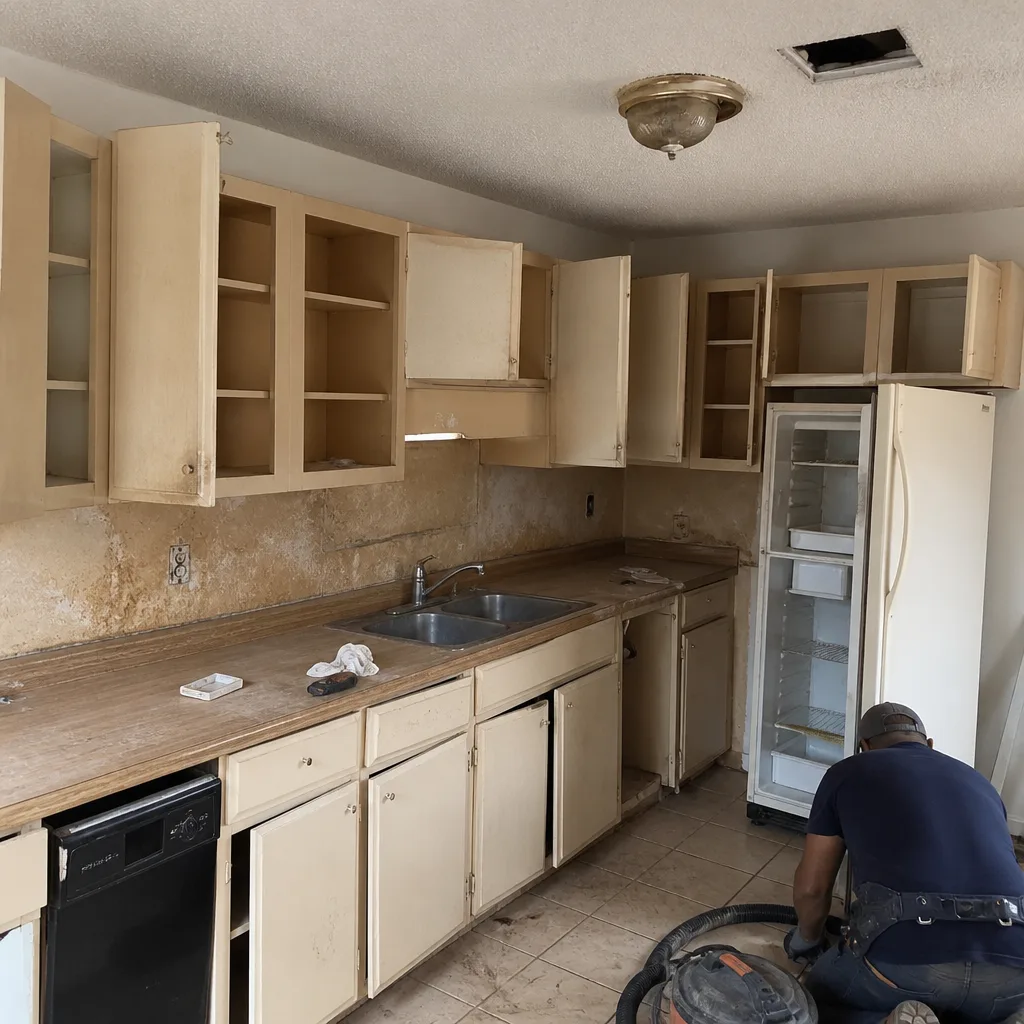 Before
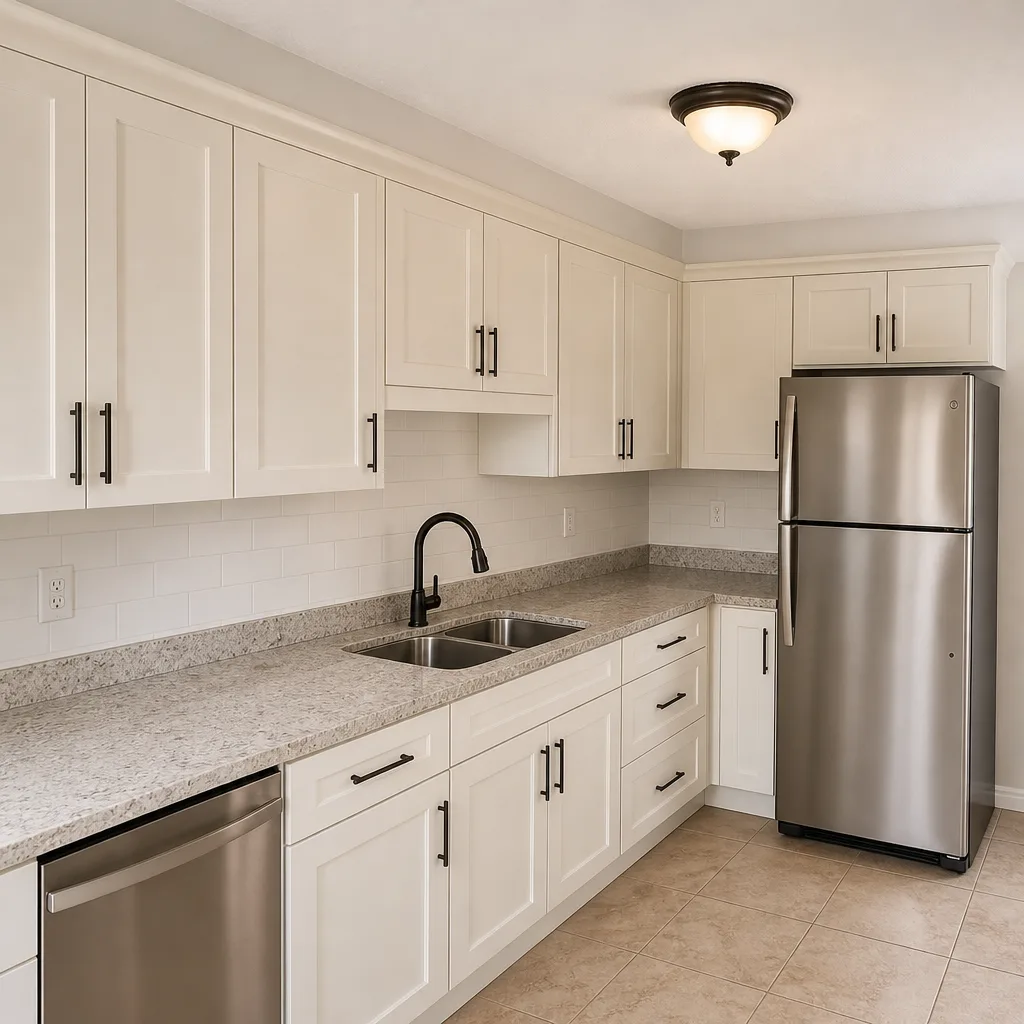 After
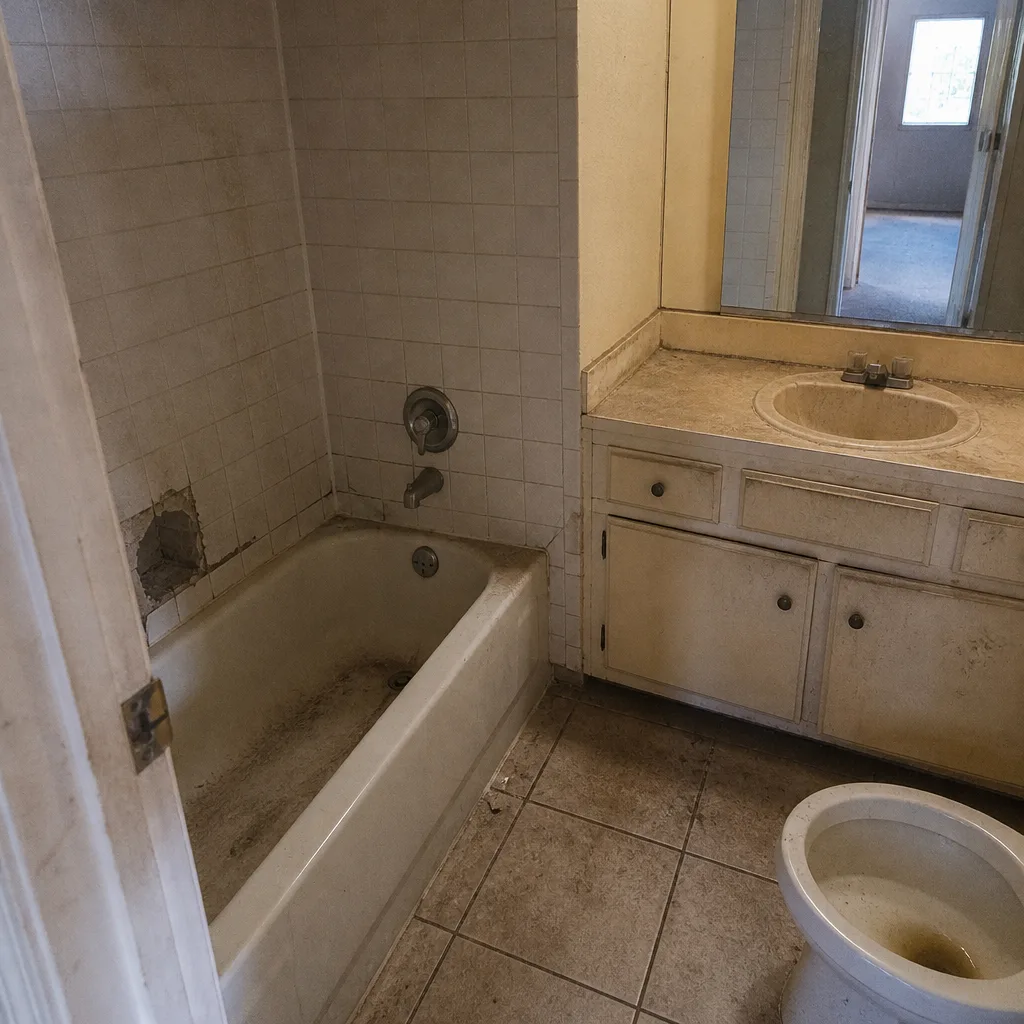 Before
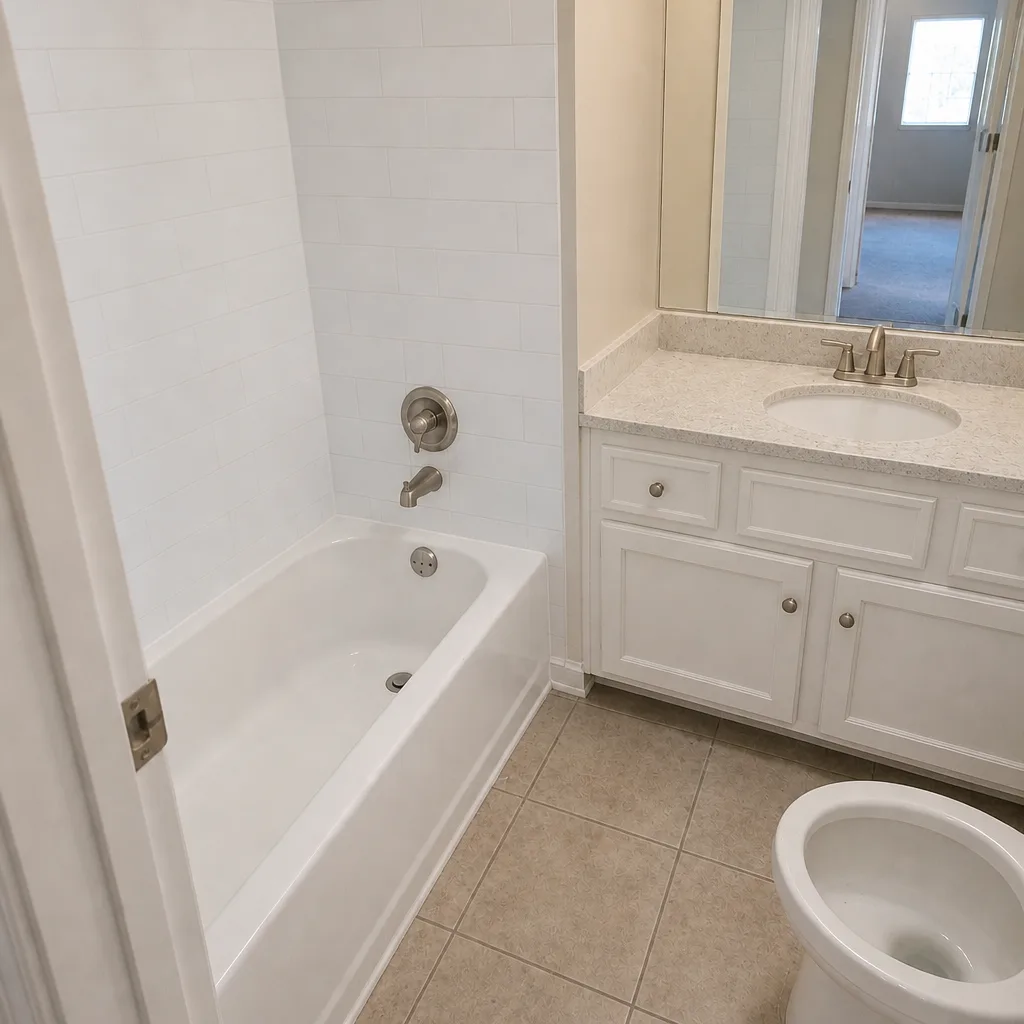 After
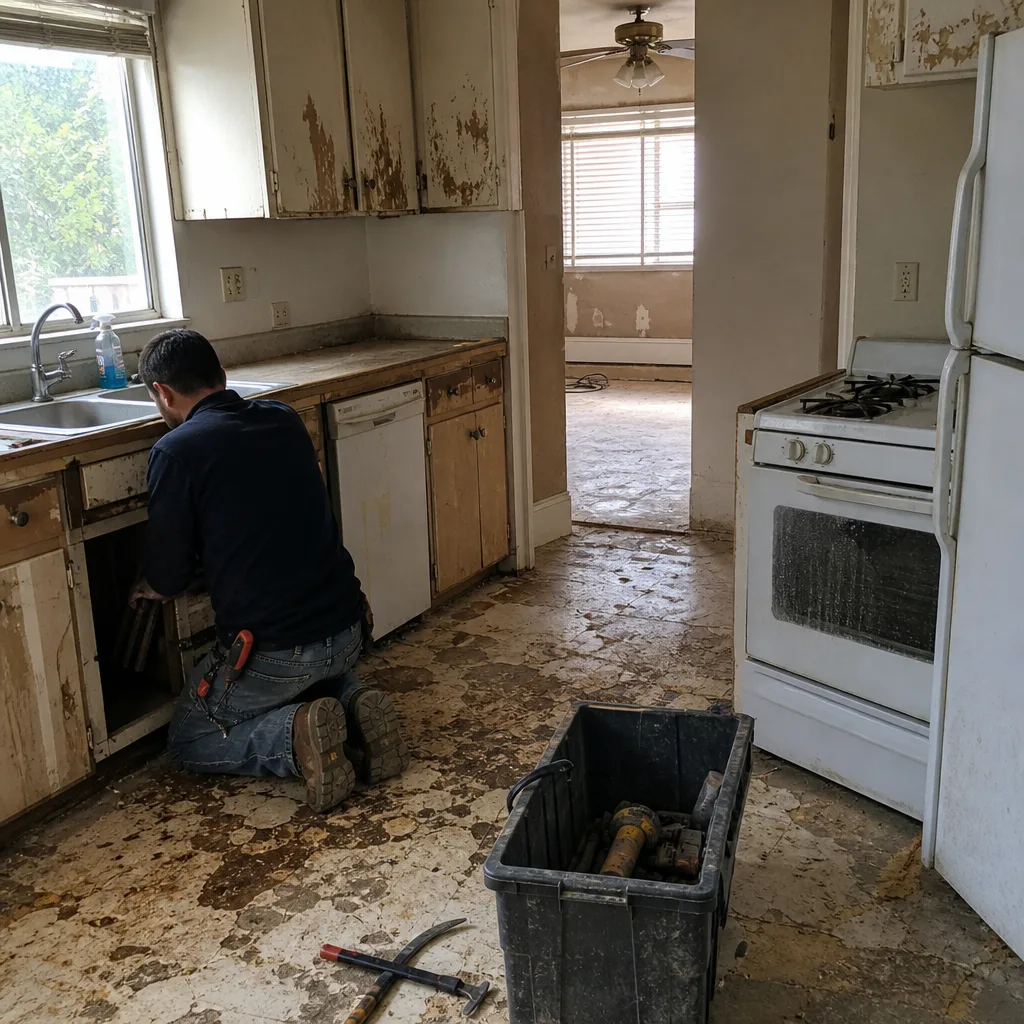 Before
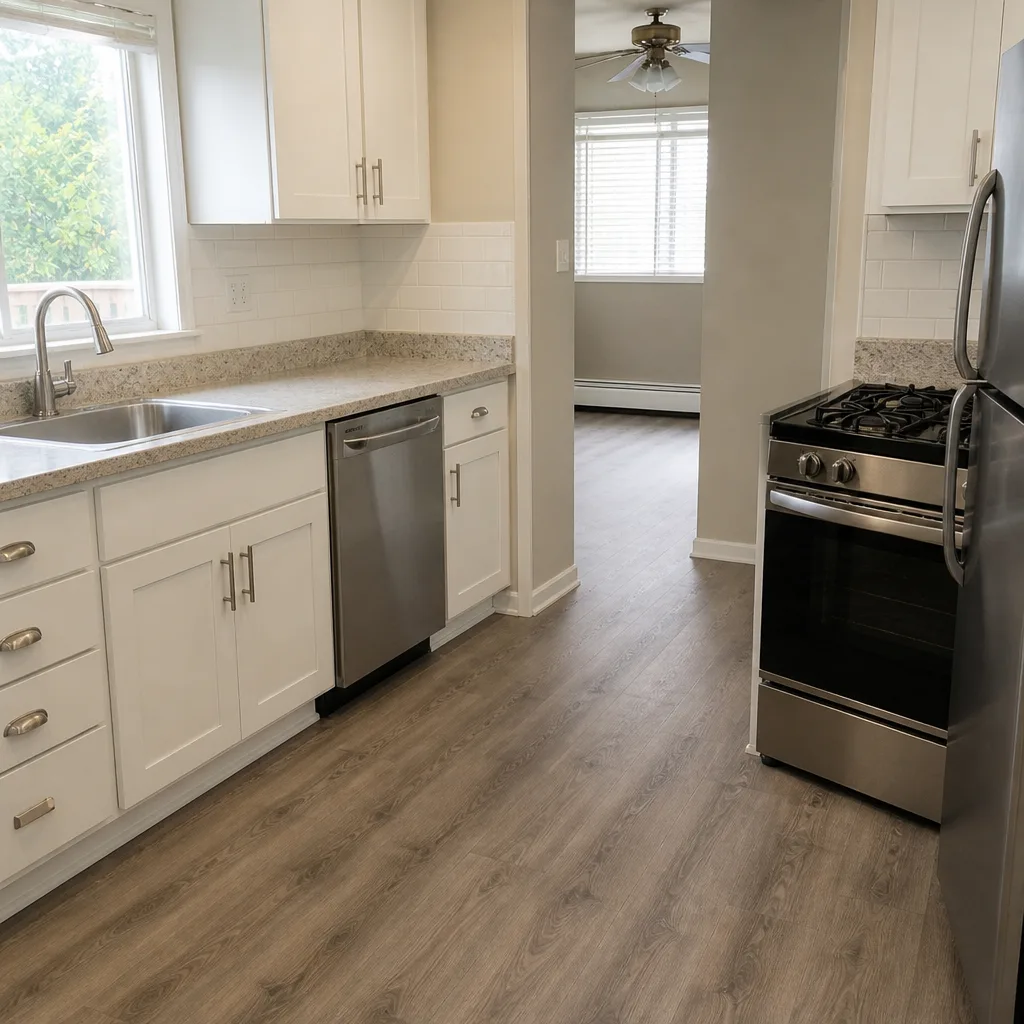 After
Common Mistakes to Avoid
- Comparing totals instead of scopes. A $14,000 spread usually reflects $14,000 of scope difference, not $14,000 of price difference. Compare line by line before comparing totals.
- Accepting a verbal warranty. A promise of “we’ll take care of you” is not a warranty. Get it in writing, with a defined period, and read the exclusions. The 730-Day Done Right Promise exists because the difference between a verbal warranty and a written one only becomes clear at month 19.
- Skipping the site visit. A phone bid in Henderson is a phone bid. Caliche, soil conditions, and access vary street to street. A contractor quoting without seeing the site is guessing, and you’ll pay for the guess.
- Ignoring the HOA timeline. Henderson’s HOA-heavy footprint means a project that starts without architectural pre-approval can lose weeks. Build the timeline in from day one.
- Choosing the cheapest bid and the largest allowance. The allowance-based bid is a price-fixing device: the low number gets them to the top of your list, the allowance gets them paid. Ask what the allowance covers and what happens if actual costs exceed it.
- Not asking who supervises the job. The person who quoted your job and the person who runs it may not be the same. If crew continuity matters to you (and it should), ask directly.
- Skipping the punch list in writing. Walk the job with a written punch list and sign-off before final payment. A verbal “we’ll come back” is worth less than a signed list, especially when you’re 60 days from moving into a remodeled kitchen.
When to Call a Professional
Some construction work is a genuine DIY project. Painting an interior wall, replacing a light fixture, or installing a fence gate with a helper on a weekend can work. But flatwork, retaining walls, roof replacement, structural changes, electrical, and plumbing are all places where the DIY cost savings disappear the first time something structural fails. A retaining wall on improper base fails in the first heavy rainfall; a roof installed without proper underlayment leaks in year two; a slab poured without reinforcement cracks in the first hot summer. And on any job involving high-tension garage springs, gas lines, electrical panels, or work at height, the honest answer is that the risk isn’t worth the savings – those call for a trained, licensed professional. If you’re in Henderson and want a line-item estimate you can actually read, Groundwork Construction Co. of Henderson offers free project estimates and design consults – call (844) 320-6757 to schedule yours.
Frequently Asked Questions
Paver driveways in Henderson typically run $22 to $45 per square foot installed, depending on material, base prep, and finish. A standard two-car driveway in Green Valley Ranch or Inspirada falls within that range, with Belgard and comparable lines trending toward the middle and upper end. Call (844) 320-6757 for an exact quote on your property – estimates are free.
The spread comes from scope differences and 2026 volatility, not just pricing differences. Contractors quoting the same “job” may be including or excluding demolition, haul-off, base remediation, and HOA timeline, and material prices have moved meaningfully in the last two years. A $14,000 spread on a flatwork project is not unusual. Reading estimates line by line reveals where the spread actually lives.
On a fixed-price contract with a fully defined scope, the price shouldn’t change unless the scope changes. That’s why the site visit, the written exclusions, and the pre-pour base inspection all matter. On a cost-plus contract, price can change with material movement. Ask which structure the bid is in and get the answer in writing before signing.
Yes. Permitted work on a Henderson project requires pulling the permit and passing inspections, and any reliable contractor handles both. Permits and inspections are line items in your estimate, not hidden costs. If a bid doesn’t mention them, ask why – and expect a straight answer.
Most additions and ADUs run four to eight months from design to final inspection, depending on size, HOA timeline, and inspection scheduling. A primary suite bump-out can land at the shorter end; a fully appointed ADU trends toward the longer. Building in the HOA review and permit timeline up front is the single biggest schedule saver. For scope details, see our home additions and ADU page.
The 730-Day Done Right Promise covers workmanship for 730 days from completion: if it’s not done right, we make it right. That’s one of the longer workmanship guarantees in the residential space, and it’s deliberately chosen because most workmanship issues surface between month 12 and month 24. Ask any contractor you’re considering to show their warranty language in writing – the comparison usually tells you what you need to know.
The cheapest bid typically costs more within 24 months, once warranty gaps, material downgrades, and subcontractor turnover surface. Add the realistic cost of a single repair at year two – a paver re-install, slab replacement, or roof section repair – to the lowest bid and compare again. That’s the honest number.
The Bottom Line
Getting a fair number in Henderson in 2026 comes down to a framework, not a gut check. Read line-item estimates, not lump sums. Compare scope before totals. Insist on named brands and written warranties. Ask which contract structure you’re in. And treat the site visit and HOA timeline as real cost drivers, not paperwork. The bids spread wide because the scopes do, and the contractor who’s willing to itemize their number and put their warranty in writing is the one worth hiring. Groundwork Construction Co. of Henderson works that way on purpose: from foundation to finish line, with brand partners like Owens Corning and KraftMaid behind every install, and a fixed-price estimate you can read line by line. Call (844) 320-6757 to schedule your free estimate and design consult today. Calls are answered by a live person around the clock, and every project is backed by our 730-Day Done Right Promise.
Written by the team at Groundwork Construction Co. of Henderson.