Last updated November 18, 2026


Free written scope consultation - allowances, timeline, and change-order rules on paper before a single trade is scheduled
Home Additions & ADU Troubleshooting: Common Problems and How to Fix Them
Water intrusion in a new addition is almost never bad luck. It’s the downstream result of a flashing decision, a foundation joint, or a drainage slope that was set wrong during framing, often months before the first drop appears on your wall. The same is true of most problems that surface after an addition or ADU is finished: the symptom shows up late, but the cause took root early. That’s why patching the symptom rarely holds. In this guide we’ll walk through how to trace six of the most common post-build problems back to their real source, how to tell cosmetic cracking from structural movement, what your workmanship warranty actually covers, and where the line falls between a contractor callback and an insurance claim. We’ve put it together from what we see on Henderson additions and ADUs, where desert heat, monsoon rain, and clay-heavy soil each write their own rules.
Quick Answer
Most post-construction problems with additions and ADUs trace back to five root causes set during design and framing: the connection zone between new and existing structure, drainage slope and flashing at penetrations, HVAC load calculations done for the wrong conditions, foundation and framing movement, and building systems tied into existing service without a load review. Diagnosing which root cause is at work before you patch anything saves thousands and is the difference between a fix that lasts and a repair you repeat every season.
Styles & brands we work with
- Kitchen remodeling
- Bathroom remodeling
- Home additions & ADU
- Roofing
- Windows & doors
- Driveway & pavers
- Fence
Table of Contents
- Tracing Water Intrusion To Its Actual Source
- Why HVAC Comfort Complaints Point Back To Load Calculations
- Cosmetic Cracking vs. Structural Movement: A Visual Guide
- Electrical And Plumbing Issues Unique To Additions
- Henderson-Specific Problems: Heat, Monsoon Rain, And Clay Soil
- What’s Covered Under Workmanship Warranty vs. An Insurance Claim
- How To Document Issues To Protect Both Options
Tracing Water Intrusion To Its Actual Source
When water shows up on a wall or ceiling inside a new addition, the instinct is to blame the roof flashing directly overhead. Most of the time the leak is entering somewhere else and traveling along framing before it finds a way out. The highest-risk zone on any addition, and the last place most people look, is the connection point where the new structure meets the existing house.
That’s a fundamentally different detail from anything on a standalone building. The junction between a new roofline and an old one, the seam where new siding meets old, and the valley where the two roofs meet all have to shed water that arrives from two directions. If the flashing sequence was wrong, the water doesn’t appear in the day the mistake was made. It appears after the first serious rain, sometimes the first monsoon season in Henderson, and it shows up inside the addition, not at the joint.
Here’s how we trace water intrusion on a Henderson addition, in order:
- Start at the connection point, not the roof. Look at the new-to-old wall and roof intersection. That’s where most of these start.
- Check every penetration above the wet spot. Plumbing vents, roof jacks, exhaust flues, and skylight curbs. Any of those can wick water into framing that carries it ten feet from the visible leak.
- Look at grade and drainage on the exterior. Water standing against the addition’s foundation on the downhill side will find its way in through a foundation joint or the sill plate.
- Check window and door heads. A missing or wrongly lapped head flashing is a slow, quiet leak that shows up inside a wall after a season of rain.
- Test with a hose before you open a wall. A controlled water test in the right spot confirms the source without demolition.
The reason this diagnosis matters is that a water leak inside an addition almost always rots the framing it touches, and the interior patching costs more the longer it sits. If a leak has already damaged drywall or insulation on a Henderson build, our Home Additions & ADU in Henderson team can trace it and put the repair on record. It also pays to be honest that some of these are the responsibility of the roofer who flashed the tie-in and some fall on the framer, so knowing which detail failed is what lets you hold the right party accountable.
Why HVAC Comfort Complaints Point Back To Load Calculations
If the new addition runs hot in the afternoon, cold at night, or the existing house starts misbehaving after you switch the addition on, the equipment usually isn’t the problem. HVAC comfort complaints that start the day the addition goes live almost always point back to load calculations made at design.
A load calculation, sometimes called a Manual J, estimates how much heating and cooling the space actually needs based on square footage, insulation, window size and orientation, and how the space is used. On a Henderson addition, that calculation is unforgiving. Afternoon sun on a west-facing wall of glass drives load way up. A south-facing window without shade can add hundreds of BTUs you didn’t plan for. If the contractor at design time used a rough rule-of-thumb, straight-sized the unit by square footage, or ran a calculation tuned for a milder summer, the addition will be uncomfortable even with a properly installed system – and no amount of balancing will fully solve a wrong load number.
There are two other failure points unique to an addition versus a standalone build:
- Ductwork zoned into an existing system. The existing air handler may have enough equipment capacity but not enough static pressure, so ducted air shortchanges the addition every time.
- Return air path. A new room with a supply vent but a poor return path builds pressure, gets cell-shutoff, and stays warm. This one shows up as “the addition never feels like the rest of the house.”
What fixes it is diagnosis before equipment. Someone with actual numbers at hand should measure the supply and return, check the static pressure at the air handler, and confirm the original load calc. If the equipment itself is fine and the design load was wrong, options range from added ducting and return air to a ductless mini-split in the addition, which is often the practical solution for a Henderson room that only trips up in summer.
Cosmetic Cracking vs. Structural Movement: A Visual Guide
Every new addition cracks. Wood shrinks as it dries, drywall shrinks as it cures, and the joint between new framing and old framing will always move slightly more than the rest. The hard part for a homeowner is telling the cosmetic cracking you should ignore from the cracking that signals foundation or framing movement you shouldn’t.
The two questions that matter most are where the crack is and whether it’s changing. Cosmetic cracks show up where materials of different ages or different flex meet, and they settle in. Structural cracks appear at openings, corners, and the connection zone, and they move.
Cracks that are usually cosmetic:
- Hairline cracks radiating from the corners of a doorway or window opening in a new wall, especially in the first year
- Cracks along the seam where new drywall meets old drywall, at the tie-in point
- Cracks at ceiling joints in a room where trusses and rafters cross
- Small cracks and settling at mortar joints in brick or block right where new meets old
Cracks that indicate movement worth investigating:
- Stair-step cracking through the mortar joints of a block or brick wall, always in the same pattern across multiple courses
- Diagonal cracks from the corner of a door or window that run thirty inches or more and keep growing
- Vertical cracks wider at one end than the other, or any crack wider than a pencil line
- Cracks that appear with a door that won’t close, a floor that feels bouncy or springy where it didn’t used to, or a new gap at a baseboard
- Cracks circling the connection point where the new slab meets the existing house, coupled with water coming in
The clay-heavy soil common on a lot of Henderson parcels expands and contracts with moisture swings. That movement made a difference to foundation design when the addition was engineered, and it may make a difference to the crack you’re looking at now. Anything in the second group is worth a callback, and a structural engineer’s opinion belongs in writing before repair work starts. The cosmetic set is usually a drywall touch-up and patching that can wait for the next painting pass.
Electrical And Plumbing Issues Unique To Additions
The most expensive surprises in an addition are the ones that show up slowly over years. Electrical and plumbing tied into your existing systems without a proper load review is the classic example.
On the electrical side, an addition draws a new kitchen, a bath, a laundry, or an ADU’s worth of load onto an existing panel. If the contractor sized the electrical service before adding the load, the signs come on slowly: repeated breaker trips that get more frequent over a season, warm panels, flickering lights when a big appliance kicks on, and receptacles that don’t hold voltage under load. The original panel is rarely the villain on a Henderson home, so much as the missing load calculation. Fixing it after the fact means a service upgrade, which is a permit and inspection job, not a weekend project. Electrical panel and service work belongs to a licensed electrician, and this is not a job to DIY.
Plumbing brings its own version of the same story:
- Tying a new bath onto an undersized existing line creates low water pressure at the addition, and you notice it most when someone flushes a toilet across the house.
- Drain slope errors in a new run show up as slow drains or gurgling a year in, and the only fix is opening the wall or floor.
- No backflow prevention, or the wrong drain valve, means a new addition’s fixtures feed back into the existing supply.
- Water hammer and noise in an addition usually trace to a lack of air chambers or arrestors on the new branch, not the existing house.
The pattern is the same on both trades. An addition is not a standalone building with its own service; it’s an extension of your existing electrical, plumbing, and gas load. If that review was skipped at design, the problems show up slowly and the repair tends to be a permit-and-inspect job on the existing system. Gas line work is the one item on this list that should never be a homeowner project – it’s regulated, it’s dangerous, and it belongs to a licensed gas fitter.
Henderson-Specific Problems: Heat, Monsoon Rain, And Clay Soil
Additions and ADUs in Henderson face a climate that punishes shortcuts in specific ways. The summer runs over 100 degrees for weeks at a stretch. The monsoon season brings sudden, heavy rain after months of dry. The soil in many sprawling neighborhoods – and on lots around Anthem and Seven Hills – is clay-heavy and swells with moisture. Each one writes its own rule for how an addition was built, and each one creates a specific failure pattern when the rule was broken.
Heat. A poorly insulated roof deck or attic or a west-facing wall of glass raises the cooling load in the afternoon. In a Henderson addition, the first hot summer exposes every weak spot: inadequate attic ventilation, missing radiant barrier, or a bath exhaust fan dumped into an attic instead of run to the exterior. If the addition is hot in July but comfortable in March, that’s a build problem, not an HVAC problem.
Monsoon rain. Water arrives all at once, and it doesn’t drain away slowly the way it does in a wetter climate. Standing water against the addition’s foundation, a slope that drains toward the house rather than away, and a decorative landscape bed with no outlet all show up as water in the addition. We regularly see spring failures in Henderson where an addition was built before the drainage was corrected around the new footprint.
Clay soil. The expansion and contraction of clay can move a slab a fraction of an inch season to season. That’s why the crack guide above matters in Henderson specifically. A foundation or footing sized for sand but installed on swelling clay is the kind of problem that surfaces in year three, not year one.
The rule for additions in Henderson is that the build process should account for the local climate from the design phase, not be patched afterward. Our Groundwork Construction Co. of Henderson home page is where the full-scope picture starts.
What’s Covered Under Workmanship Warranty vs. An Insurance Claim
When something goes wrong in an addition, the first question is who pays. The answer hinges on whether the problem is a workmanship defect, a material failure, a maintenance issue, or a sudden event – and those are four different payers.
Here’s the short version:
- Workmanship warranty covers defects in how the work was done. A flashing detail that was installed wrong, a drain slope set the wrong direction, a joint sealed incorrectly, a crack that traces to a framing error. If it was done wrong, your contractor’s warranty should fix it. Our own work is covered by the 730-Day Done Right Promise – if it’s not done right, we make it right – one of the longest workmanship guarantees in the residential construction space.
- Material warranty covers the product itself. A window that fails to seal the way it should, a shingle that fails early, a fixture with a manufacturing defect. The manufacturer honors that, and the contractor is usually the one to file and handle it. Our portfolio of brand partners, from Andersen and Pella windows to GAF and CertainTeed roof systems, exists partly so the material warranty is a real thing and not an afterthought.
- Homeowner maintenance covers what weather does over time. Sealed joints that need re-sealing, landscaping slopes that have shifted, caulking, and minor cracking that follows curing. Every building on Earth has a maintenance list, and the addition has its own.
- Homeowner insurance covers a sudden event. Hail, a storm that tears off part of the roof, internal water damage from a burst line, fire or smoke. That’s a claim, not a callback.
The line between warranty and insurance is usually where homeowners get stuck. A monsoon storm that drives water through a correctly flashed roof is an insurance event. Water that finds its way in through incorrect flashing is a warranty issue, and the repair falls on the contractor even if a storm is what finally revealed it. That’s why documenting the issue carefully, before anyone repairs anything, protects both options at once.
How To Document Issues To Protect Both Options
Documenting an issue thoroughly the first time it appears does two things at once: it protects your warranty claim, and it preserves your ability to file an insurance claim later if the damage turns out to be sudden or wider than expected. Do this from the day the problem shows up, before any repair starts.
Here’s the documentation routine we recommend to any Henderson homeowner:
- Photograph and video the problem in place. Wide shot first to establish the room and the location, then close-up for detail. Add a coin or small object to the frame for scale on cracks.
- Date everything. Note the first time you saw it and any progression. Take another photo each time it changes so the pattern is recorded.
- Keep the original contract and any inspection records. The warranty lives in those documents, along with the permit and inspection records that show how the work was done.
- Don’t repair anything before speaking to the contractor. Patching a leak or filling a crack first can wipe out both the warranty claim and the insurance claim in one move.
- Put the callback request in writing. Email or text the contractor with photos and dates so there’s a record of when you reported it.
- Ask for the diagnosis in writing. A reputable contractor should tell you what they found, what caused it, and what they’re doing, so the record is clear.
The rule with insurance is that a claim generally needs to be filed quickly after a sudden event, so the earlier you document, the better protected both options are. Our team answers a live person, 24/7 – no voicemail, no delays – precisely because water coming in at 9pm on a Saturday is a situation that needs a person on the other end, not an automated callback list.
Common Mistakes to Avoid
- Patching the leak before finding the source. Water inside an addition travels along framing and appears far from where it enters. Sealing what you can see just moves the wet spot and lets the actual leak keep rotting the wall.
- Treating a small crack as “just settling” in year two. Hairline cracks in the first year are normal. Stair-step or diagonal cracking that keeps growing is not, especially on Henderson’s expansive clay soil.
- Running a hose or a sprinkler against the addition’s foundation and calling a leak the roofer’s fault. Landscape slopes that drain toward the addition are one of the most common causes of water intrusion we see in Henderson, and it’s not a warranty issue – it’s a drainage fix.
- Adding a bath or kitchen load without reviewing the existing panel and service. The load calculation isn’t optional, and an electrical panel upgrade after the fact is a permit and inspection job you don’t want to discover in January.
- Blocking the addition’s exterior maintenance access. A landscape wall, a pool, or a shed built tight against the new foundation eliminates the walking access you’ll need for every future inspection, and it can trap water against the structure.
- Filing an insurance claim before the contractor has a chance to diagnose. If the cause is workmanship, the warranty should handle it. Filing first can complicate the claim and leave you with a deductible you didn’t need to spend.
- Waiting until the last month of the warranty to raise a small issue. A 730-Day Done Right Promise protects you throughout, but the earlier a problem is raised the easier it is to trace and fix without a major repair.
See the difference
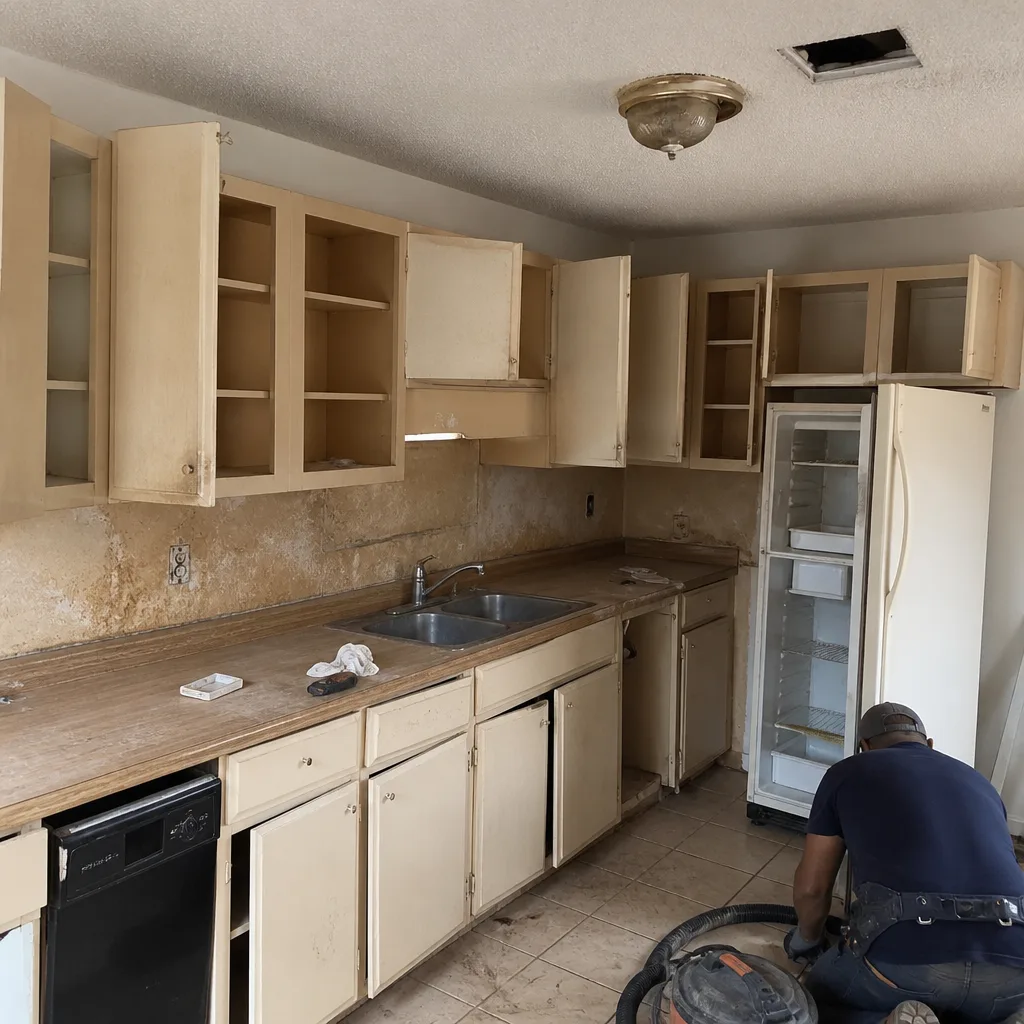 Before
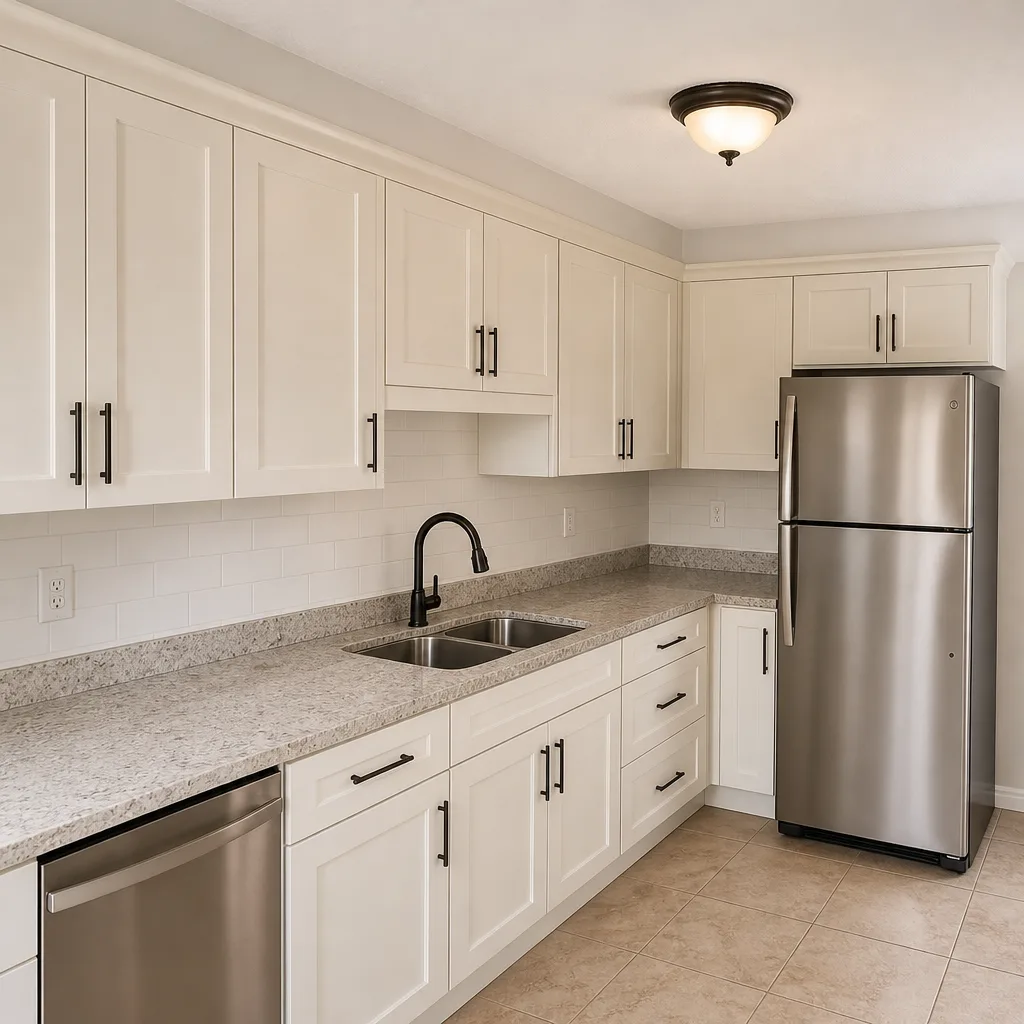 After
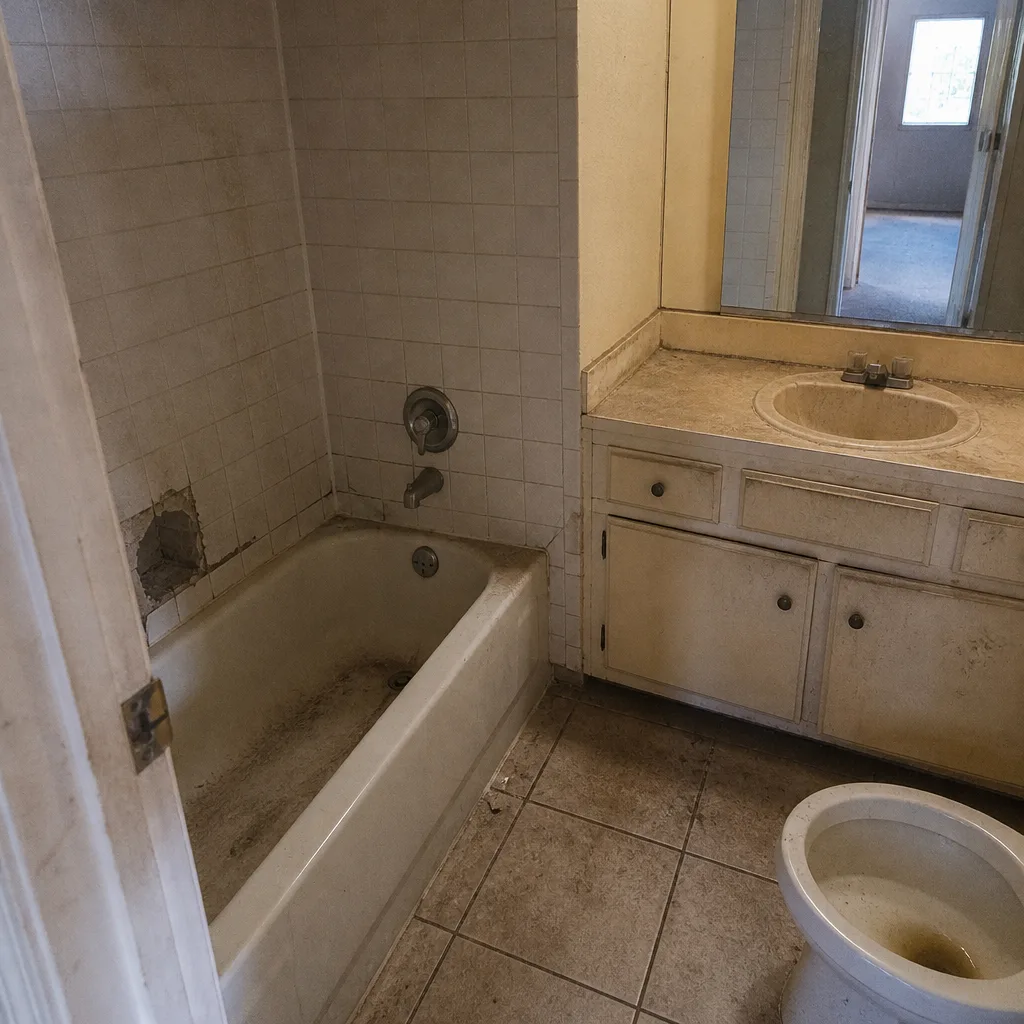 Before
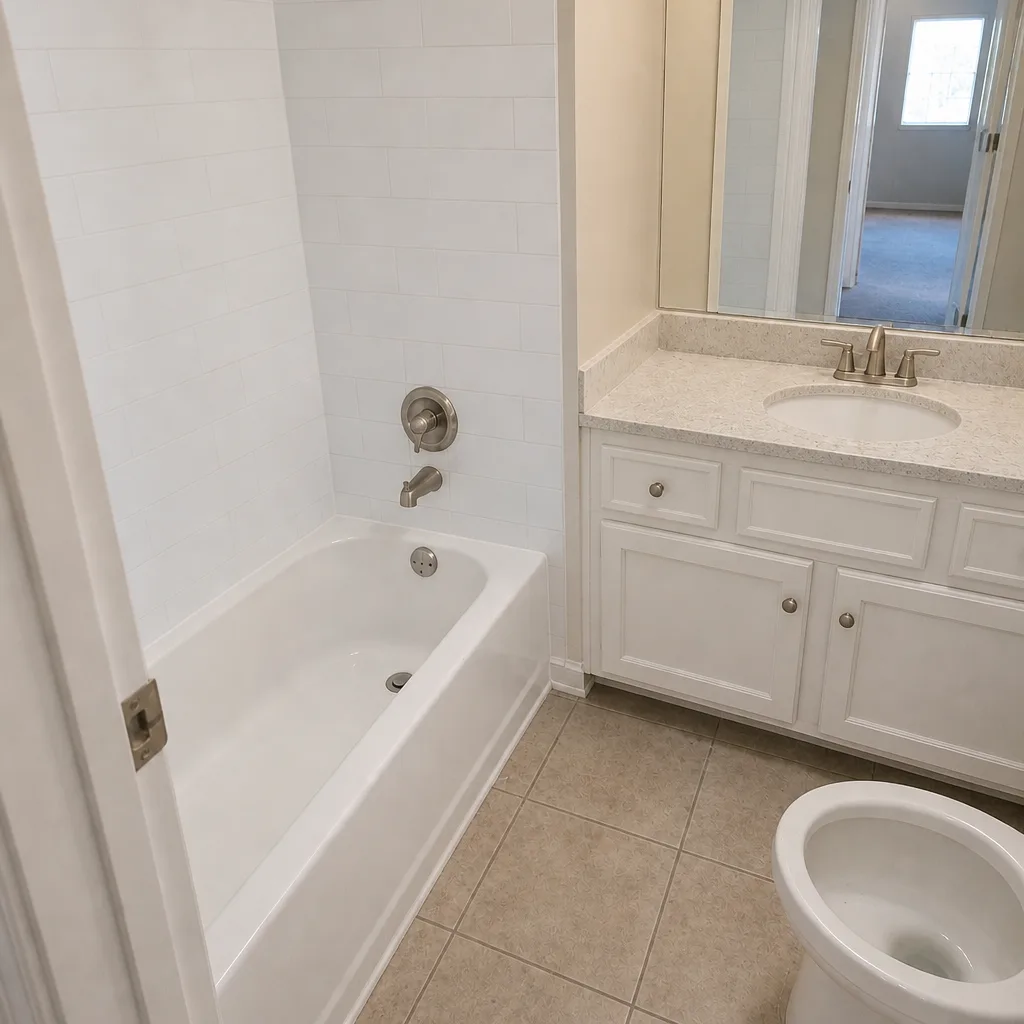 After
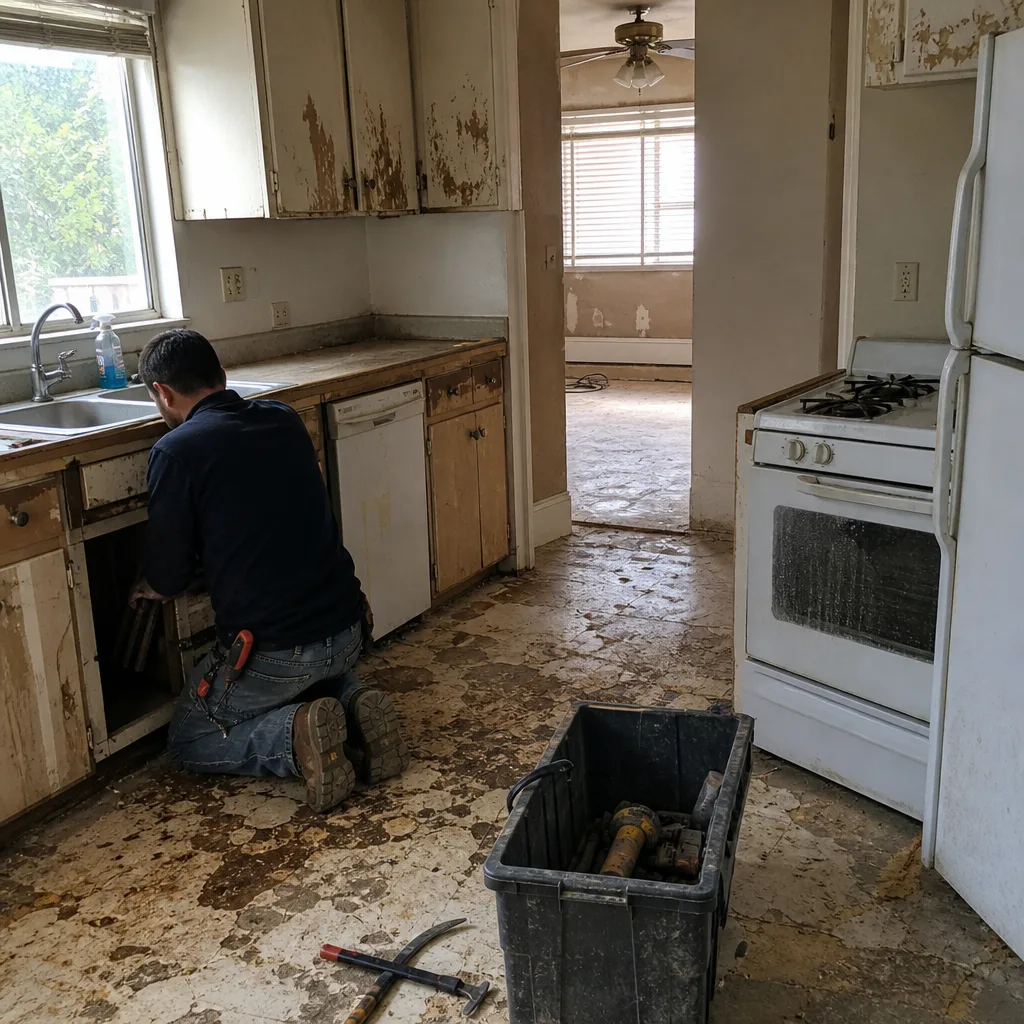 Before
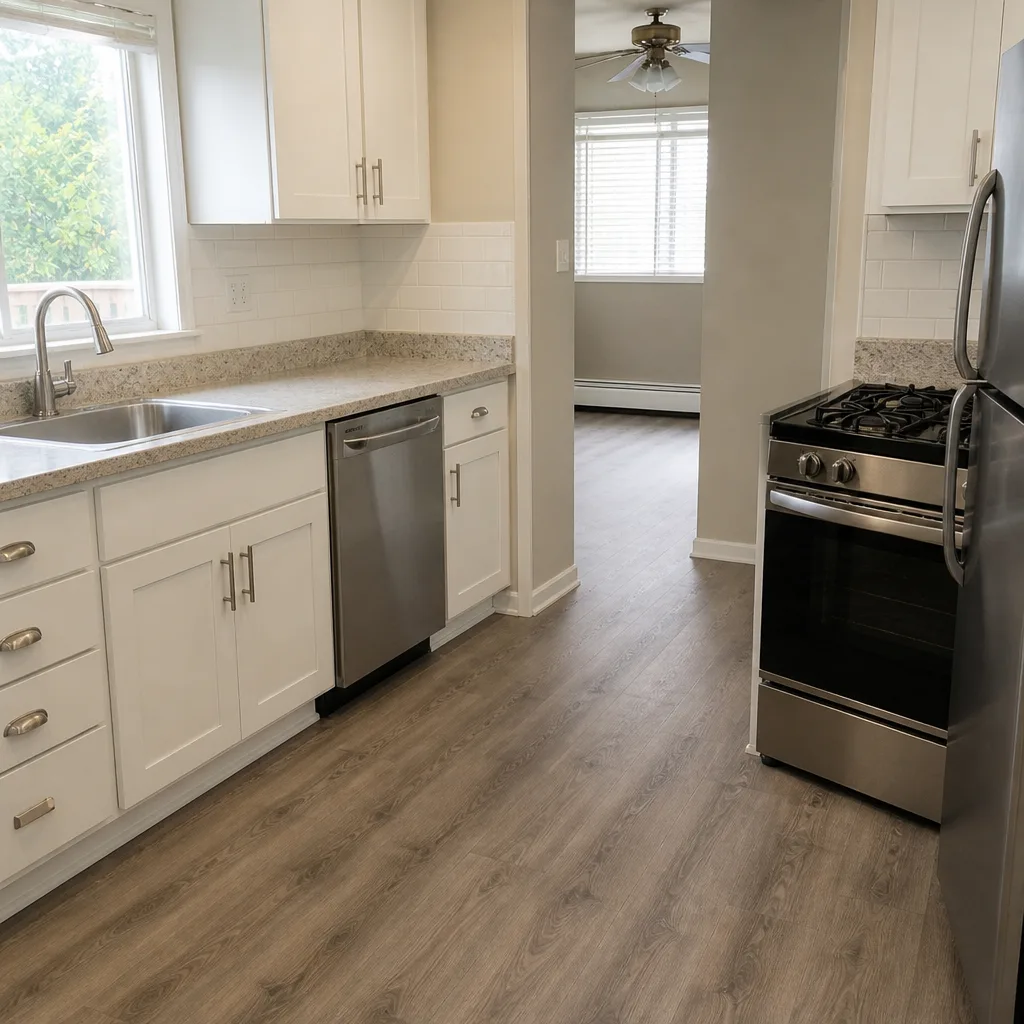 After
When to Call a Professional
Call a professional the moment water is inside the addition and not obviously from a window you left open. Call when a crack keeps moving, a door won’t close, or the floor feels wrong underfoot. Call when the addition trips a breaker with any regularity, when the water pressure drops when a second faucet opens, or when a bath drains slow after the work is done. Call when the HVAC comfort complaint only happens in a Henderson summer and no amount of thermostat adjustment solves it. And call early on any gas line question – that one is never DIY. Groundwork Construction Co. of Henderson offers free estimates and a design consult in Henderson; call (844) 320-6757 and a live person picks up, any hour of any day. Our technicians have up to 12 years of experience, and every project is covered by the 730-Day Done Right Promise.
Frequently Asked Questions
Not necessarily. The majority of leaks we trace in Henderson additions start at the new-to-old connection point, at window and door heads, or at the foundation joint where water is being directed toward the addition by grade. A roofer can flash a tie-in correctly and the leak still shows up elsewhere. The only way to know is to test the source before anyone repairs anything, which is why the diagnosis step comes before the fix.
Hairline cracks near a door or window in the first year are usually cosmetic – new framing and drywall shrink as they cure and move against the older house. What gets attention is stair-step cracking through brick or block, diagonal cracks that keep growing, and any crack wider than a pencil line. Those are the ones worth a callback, and the earlier they’re seen the easier the fix.
Almost always because the load calculation at design didn’t account for Henderson’s summer heat, a west-facing glass wall, or both. That’s a design fix, not just an equipment fix, and a balancing adjustment alone won’t solve it. The right move is to measure the supply and return on the system and confirm the original manual J against what was actually built before deciding between added ducting and a ductless mini-split in the addition.
A workmanship warranty covers defects in how the work was done – a flashing detail, a drain slope, a joint sealed incorrectly. Insurance covers a sudden event like hail, a storm that tears off part of the roof, or fire. A monsoon storm that drives water through a correctly flashed junction is an insurance event. Water that arrives through the wrong flashing is a warranty matter even if a storm is what exposed it. Documenting the issue before repair is what protects both.
Only if there’s spare capacity in the existing panel and service, which is exactly what a load review at design is for. Adding a bath or a kitchen without that review is how homeowners end up with repeated breaker trips and a panel upgrade after the fact. A licensed electrician should confirm the load and the available capacity before the permit is pulled.
Stop the water if you can safely do so – shut off the fixture, close the window, move the water away from the wall – then photograph the issue in place, date it, and call the contractor. Don’t repair anything before they’ve seen it, because an early repair can erase both the warranty record and any insurance claim you may need. A fast callback from a live person is the point of calling rather than emailing.
The Bottom Line
The problems that surface after an addition or ADU is finished are usually the story of a decision made at design or framing – a flashing detail at the connection, a load calculation for the wrong climate, a drainage slope, a structural joint, a service tie-in without a load review. When you know the root cause, the symptom stops being a mystery and starts being a warranty claim, a maintenance item, or an insurance claim, whichever it actually is. Document it, date it, don’t patch over it, and call the contractor who built it. Live person, 24/7, upfront pricing with no surprises, and a 730-Day Done Right Promise is not just a marketing line for a project this size – it’s the difference between an addition that serves your home for decades and one that keeps you calling somebody back. If you’re planning the addition itself, our teams also handle driveways and pavers in Henderson, fences, and windows and doors. From foundation to finish line, we build it. Built to last, backed in writing.
Ready for an honest look at a problem or a free estimate for your next project? Call (844) 320-6757 today. A live person answers 24/7, and every estimate comes with no-hassle upfront pricing and 0% financing for 18 months – plus $1,000 off any project over $10,000. For the full scope of what we build, including fence installation in Henderson and driveway and pavers in Henderson, start with a call.
Written by the team at Groundwork Construction Co. of Henderson.