Free written scope consultation - allowances, timeline, and change-order rules on paper before a single trade is scheduled
Styles & brands we work with
- Kitchen remodeling
- Bathroom remodeling
- Home additions & ADU
- Roofing
- Windows & doors
- Driveway & pavers
- Fence
See the difference
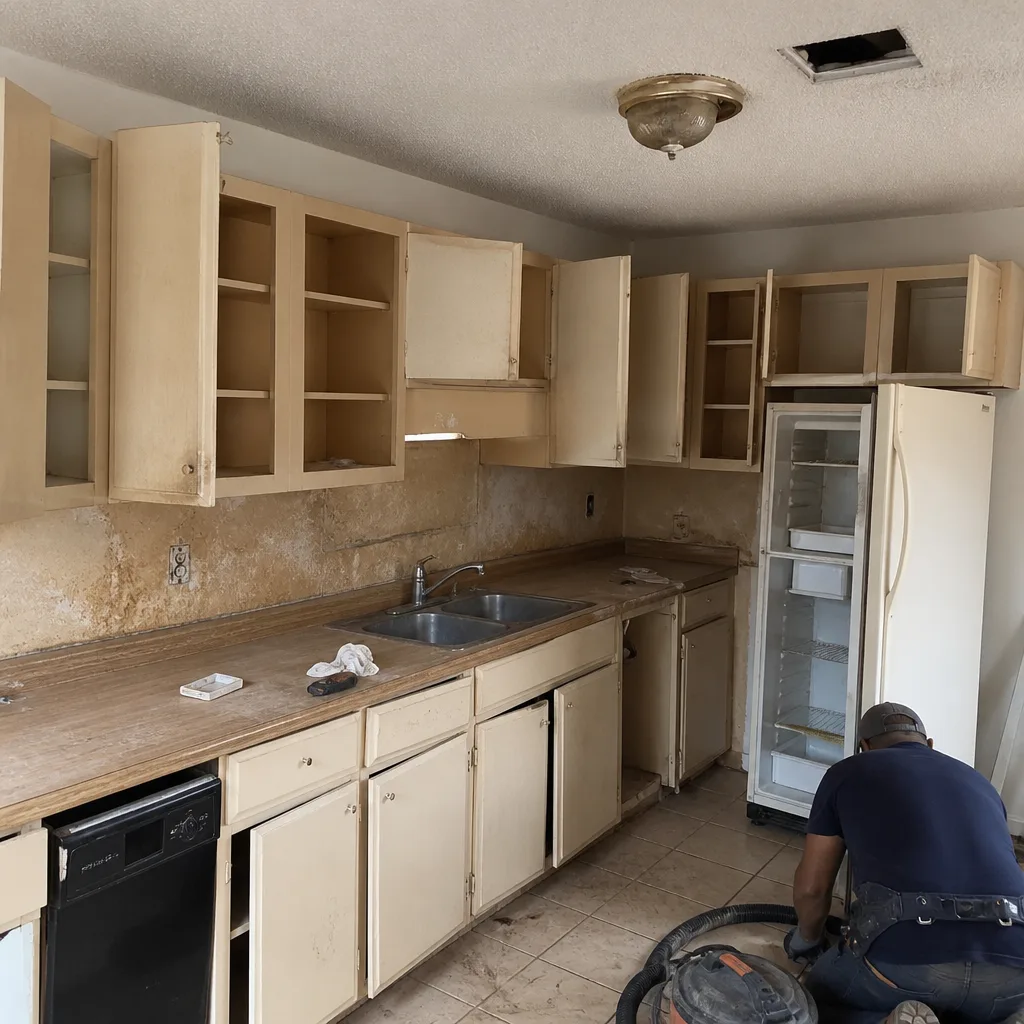 Before
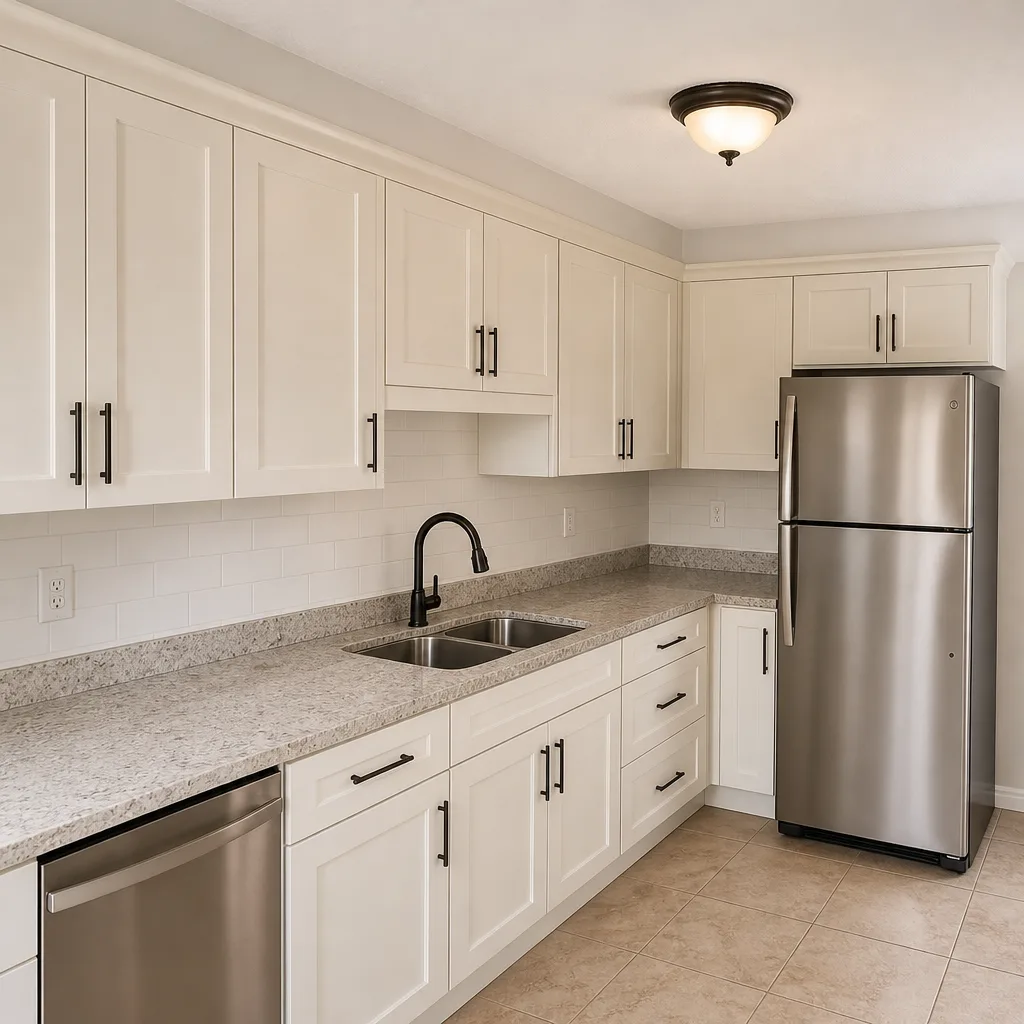 After
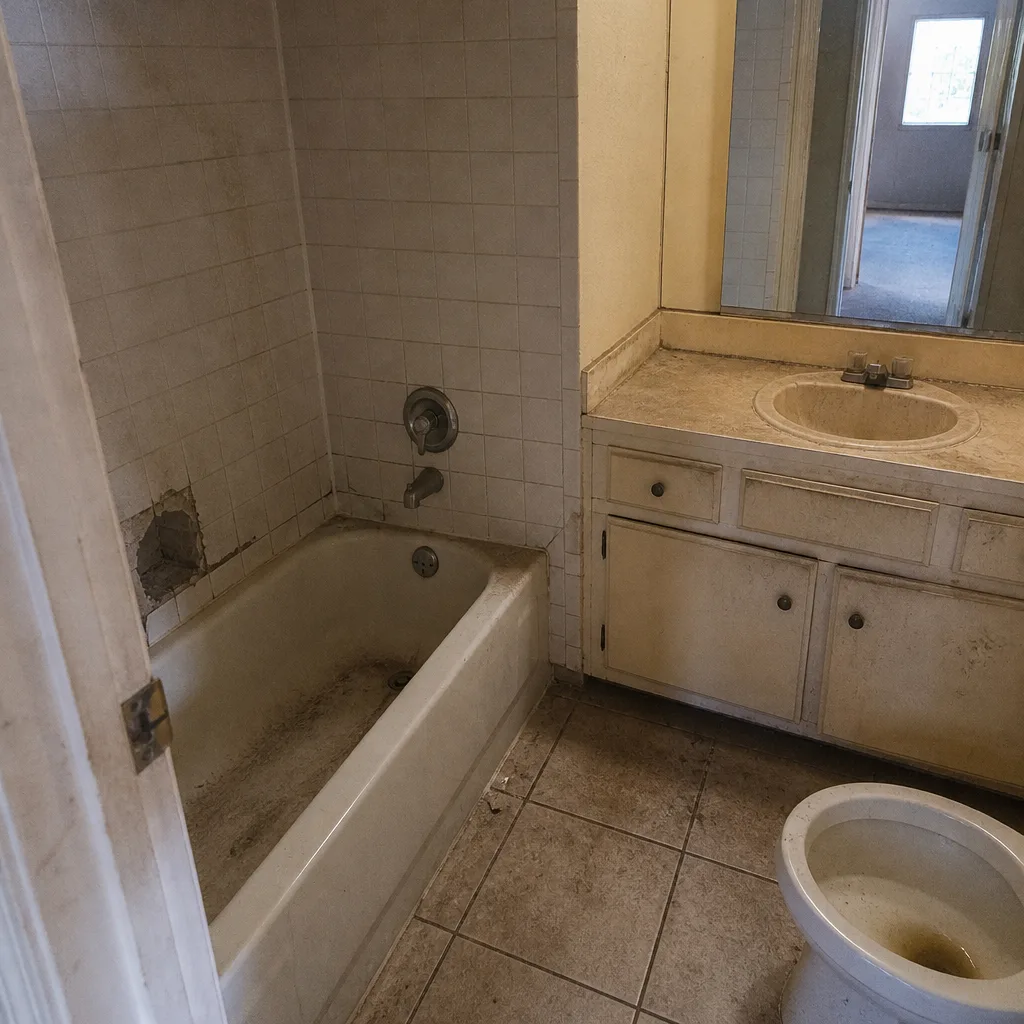 Before
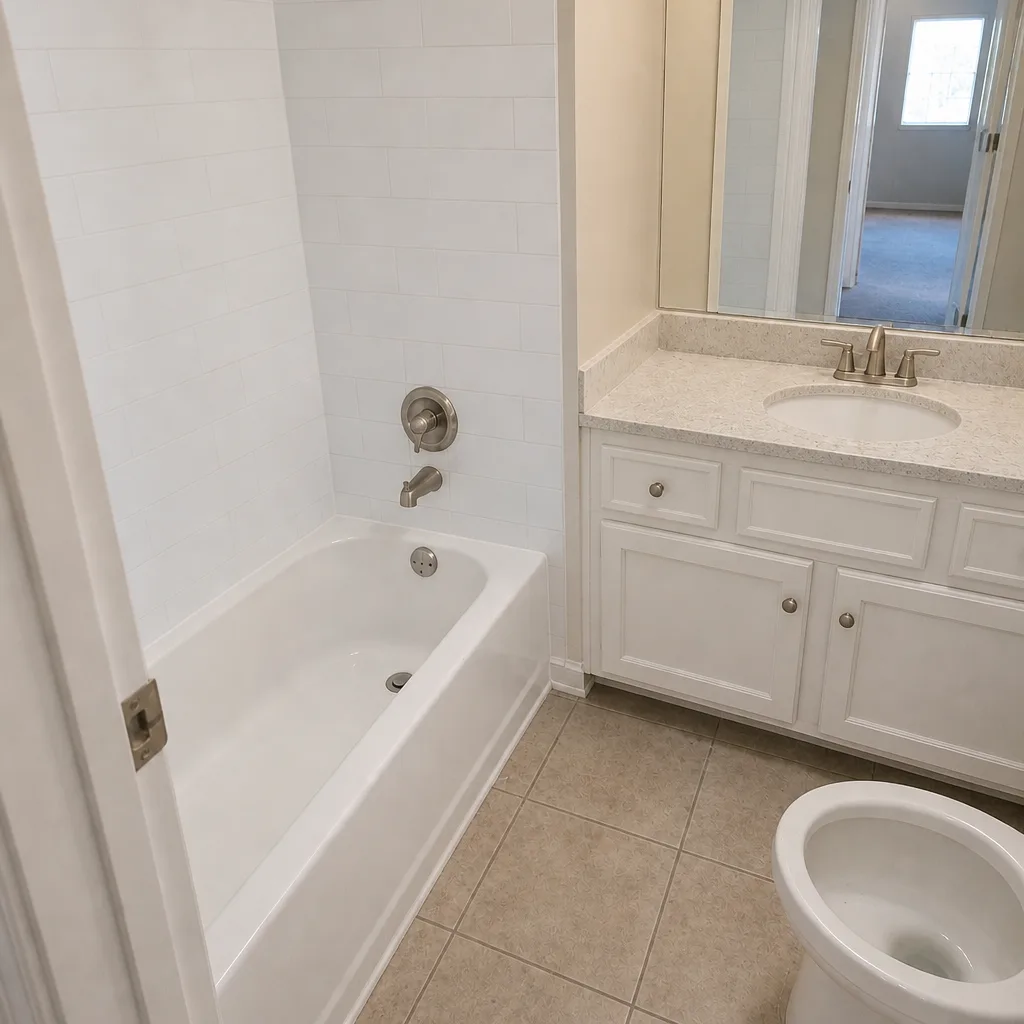 After
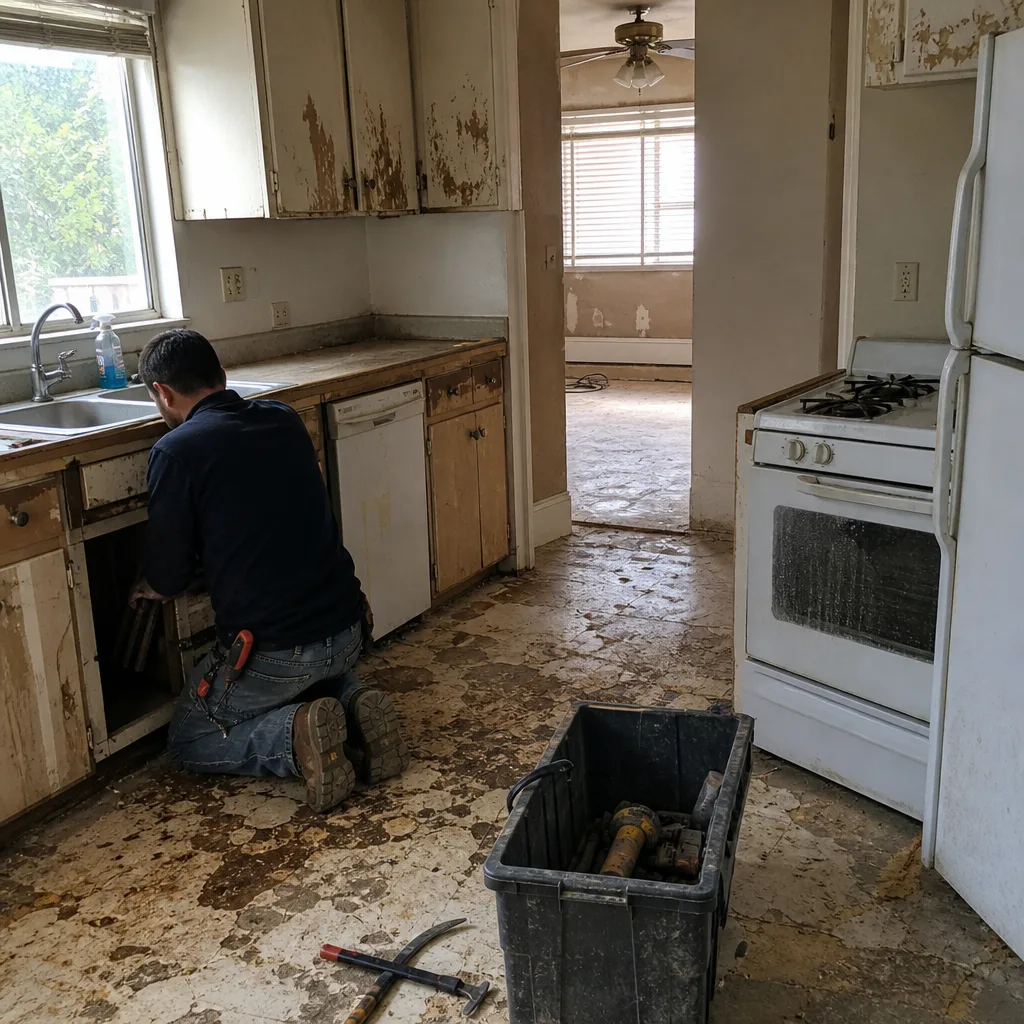 Before
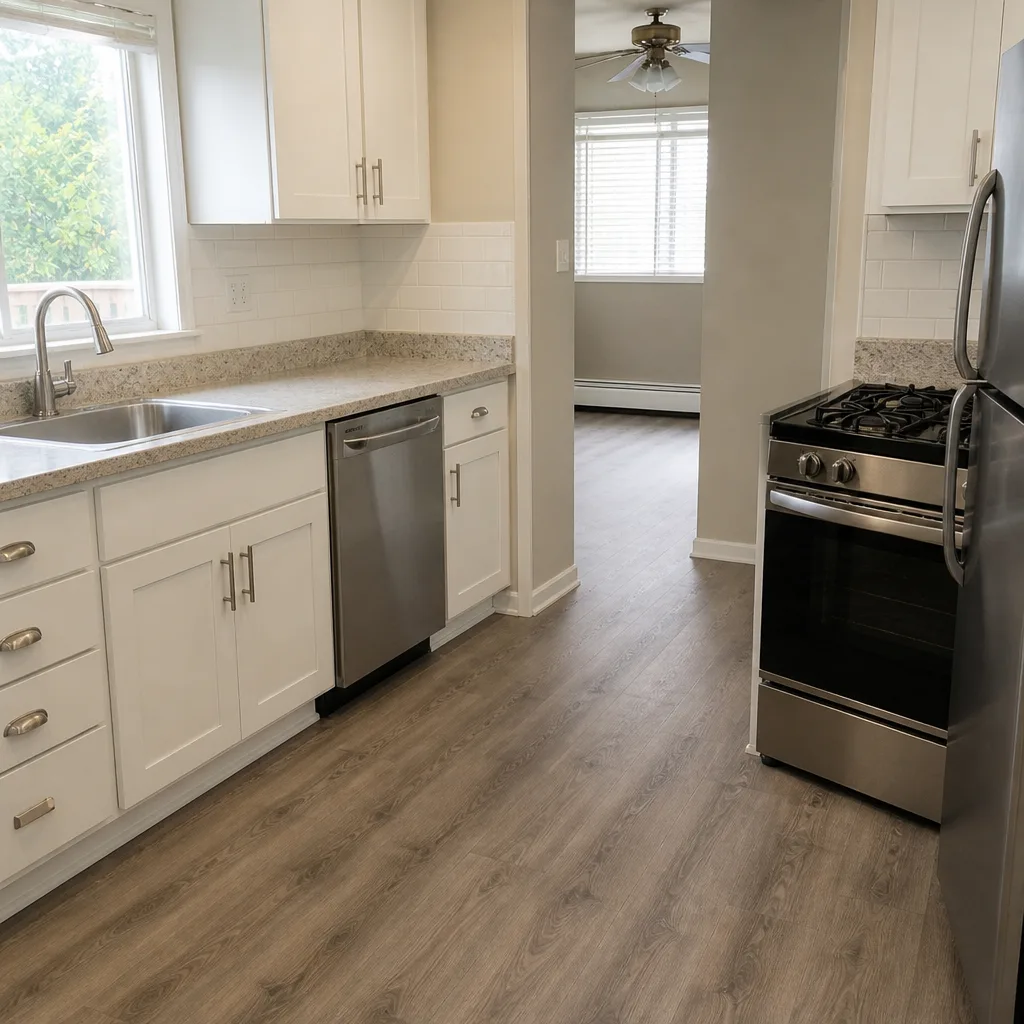 After
Double Hung vs Casement Windows in Henderson, NV: Which Should You Choose?
Choose double-hung windows unless you have a specific reason not to. In Henderson’s two-story stucco homes, double-hung sash tracks tolerate the wall movement that stucco goes through here far better than a crank-out casement, and they’re almost always pre-approved by Green Valley and Anthem design review. Casements still make sense on a lower floor, a wall that catches the evening breeze, or any opening where you want the full glass area to swing clear. Call (844) 320-6757 and we’ll walk your actual walls with you before you commit.
Casement windows crank outward, which works fine until your Seven Hills stucco wall shifts an eighth of an inch in the summer heat and the crank mechanism starts to bind. It happens more than installers admit. Henderson was mostly built out during the 1990s and 2000s boom as master-planned communities like Green Valley, Anthem, and Seven Hills, so most of the window work here is replacement in stucco-and-tile homes that have already been through twenty-plus summers of thermal cycling. That history changes how the double-hung versus casement decision plays out, and it’s the part generic comparison articles leave out.
The Stucco Movement Problem Nobody Mentions
Henderson’s daily temperature swing can run 80°F between a July morning and a July afternoon. Stucco over wood-frame construction expands and contracts through that swing, and the substrate behind your window frame flexes with it. A double-hung window rides in a sash track with some built-in tolerance: the sash slides, the frame absorbs small movement, and nothing has to stay perfectly square. A casement relies on a tight, gasketed seal held closed by a crank and a multi-point lock. When the frame racks even slightly out of square, the crank arm binds, the sash stops sealing flush, and you get the telltale crank that turns hard in August and easy in January.
On upper floors this compounds. The second-story wall of a two-story Henderson home carries more thermal load than the first, and that’s exactly where a binding casement is hardest to reach. We see it in Anthem and Seven Hills on homes where the original builder-grade casements are now fifteen to twenty years old: the hardware has worn, the frame has moved, and the homeowner is cranking with two hands to close a window that used to glide.
Side-by-Side: Double-Hung vs Casement in a Henderson Home
| Factor | Double-Hung | Casement |
|---|---|---|
| Opening area for ventilation | About 50% (one sash at a time) | 100% (sash swings clear) |
| Tolerance to stucco movement | High – sash track absorbs flex | Lower – crank seal depends on square |
| Hardware wear point | Sash balances and tilt latches | Crank mechanism and multi-point lock |
| HOA design review in Green Valley / Anthem | Colonial-grid double-hungs are usually pre-approved | Often needs a design-review submission, especially gridless |
| Exterior access for upper-floor install | Managed from inside on most openings | Usually needs scaffold or lift outside |
| Cleaning | Tilt-in sashes, done from inside | Crank open and reach around |
Ventilation: The Honest Trade-Off
Casements win on airflow, and it’s not close. A casement opens the entire glass area; a double-hung gives you roughly half. In Henderson’s monsoon season, when you want to pull cool night air through the house after a 105°F afternoon, that difference is real. A casement on the windward side and an open window on the leeward side move a serious volume of air.
But be honest about how often you’ll use it. Most Henderson homeowners run the AC from May through September and crack windows in the shoulder months. If cross-ventilation at night is genuinely part of how you live, put casements where they earn it – a lower-floor living room or a bedroom wall that catches the southwest breeze – and keep double-hungs on the upper floor where the crank is a liability. That mixed approach is common in Seven Hills remodels and it’s usually the right call.
HOA Design Review: What Green Valley and Anthem Actually Approve
Green Valley and Anthem run strict design-review processes, and window style is on the checklist. Colonial-grid double-hung windows are almost always pre-approved because they match the tract architecture the community was built around. A gridless casement changes the elevation, and in most of these HOAs that triggers a submission, a review fee, and a wait.
Before you order anything, pull your CC&Rs and check the approved window schedule. We’ve seen homeowners buy casements they loved, then discover the HOA wanted grids and a specific frame color. Knowing the rule first saves the return freight and the delay. If you’re weighing the project as a whole, our Henderson service area page lays out how permitting and design review fit into a window replacement timeline here.
Andersen and Marvin Lines We Carry – and the Hardware Warranty Difference
We work with Andersen and Marvin because both back their hardware in writing, and hardware is where casements live or die. The crank mechanism is a known failure point: the operator arm, the hinge, and the multi-point lock all wear, and replacement parts are model-specific. A quality casement from either brand will outlast a builder-grade unit by years, but the operator still gets the most use of any part on the window.
Double-hung windows spread the wear across sash balances and tilt latches, which are simpler and cheaper to replace. When you compare warranties, read the hardware clause specifically. Ask what’s covered, for how long, and whether the operator assembly counts as hardware or as a wear item. That question separates a real warranty from a brochure.
Upper-Floor Installation: Why Access Matters More Than You Think
Installing a casement on the second story of a two-story stucco home means working from the outside. That requires scaffold or a lift, proper fall protection, and a crew trained to cut and flash a stucco opening without letting water in behind the wall. A cut-rate installer who skips the scaffold and leans out a ladder is gambling with your wall and your safety. We don’t do that, and neither should anyone you hire.
Our technicians have up to 12 years of experience, and every one is background-checked and arrives in uniform. Upper-floor work gets the right access equipment, every time, because a window that leaks behind the stucco is a repair that costs more than the window. Every job is covered by our 730-Day Done Right Promise: if it’s not done right, we make it right. Calls are answered by a live person, 24/7, and pricing is upfront – the number you see is the number you pay. You can see the full scope of what we handle on our Windows & Doors page.
What Window Replacement Costs in Henderson
Window replacement in Henderson typically runs $4,500 to $15,000 for a whole-home project, and impact window installation runs $8,000 to $25,000. Casements cost a little more than double-hungs of the same size because of the operator hardware, and upper-floor openings add access labor. We offer 0% financing for 18 months and $1,000 off projects over $10,000 to make the timing easier.
- Window replacement (whole home): $4,500-$15,000
- Impact window installation: $8,000-$25,000
- Upper-floor casement access (scaffold or lift): quoted per opening, built into the estimate
The estimate is free, and it’s itemized – no surprise line items after the fact. A free project estimate and design consult comes with it.
FAQs
Double-hung windows are usually the better fit for Henderson’s two-story stucco homes because their sash tracks tolerate the thermal movement that stucco goes through here, while casements depend on staying square to keep their crank seal tight. Casements still work well on lower floors or breezy walls – call (844) 320-6757 for a free estimate and we’ll match the style to each opening.
Yes – casement cranks bind more often here because stucco expands and contracts through the big daily temperature swings, and a frame that racks slightly out of square makes the operator arm and lock fight you. It shows up most on aging upper-floor casements in Anthem and Seven Hills. Call (844) 320-6757 and we’ll tell you whether a repair or a replacement is the smarter spend.
Double-hung windows with colonial grids are almost always pre-approved in Green Valley and Anthem because they match the original tract architecture, while gridless casements usually require a design-review submission. Check your CC&Rs before ordering. Call (844) 320-6757 with your address and we’ll walk you through what your HOA typically expects.
Window replacement in Henderson runs $4,500 to $15,000 for a typical project, and impact window installation runs $8,000 to $25,000. Casements add a bit for their operator hardware, and upper-floor openings add access labor. Call (844) 320-6757 for a free, itemized estimate – 0% financing for 18 months and $1,000 off projects over $10,000 are available.
If you’d rather have it looked at, Groundwork Construction Co. of Henderson offers a no-pressure assessment in Henderson. We’ll check your stucco, your HOA rules, and your openings, then give you a straight recommendation without pushing you toward the pricier option. Call (844) 320-6757 for a free estimate.
Written by the team at Groundwork Construction Co. of Henderson, serving Henderson, NV.