Free written scope consultation - allowances, timeline, and change-order rules on paper before a single trade is scheduled
Styles & brands we work with
- Kitchen remodeling
- Bathroom remodeling
- Home additions & ADU
- Roofing
- Windows & doors
- Driveway & pavers
- Fence
See the difference
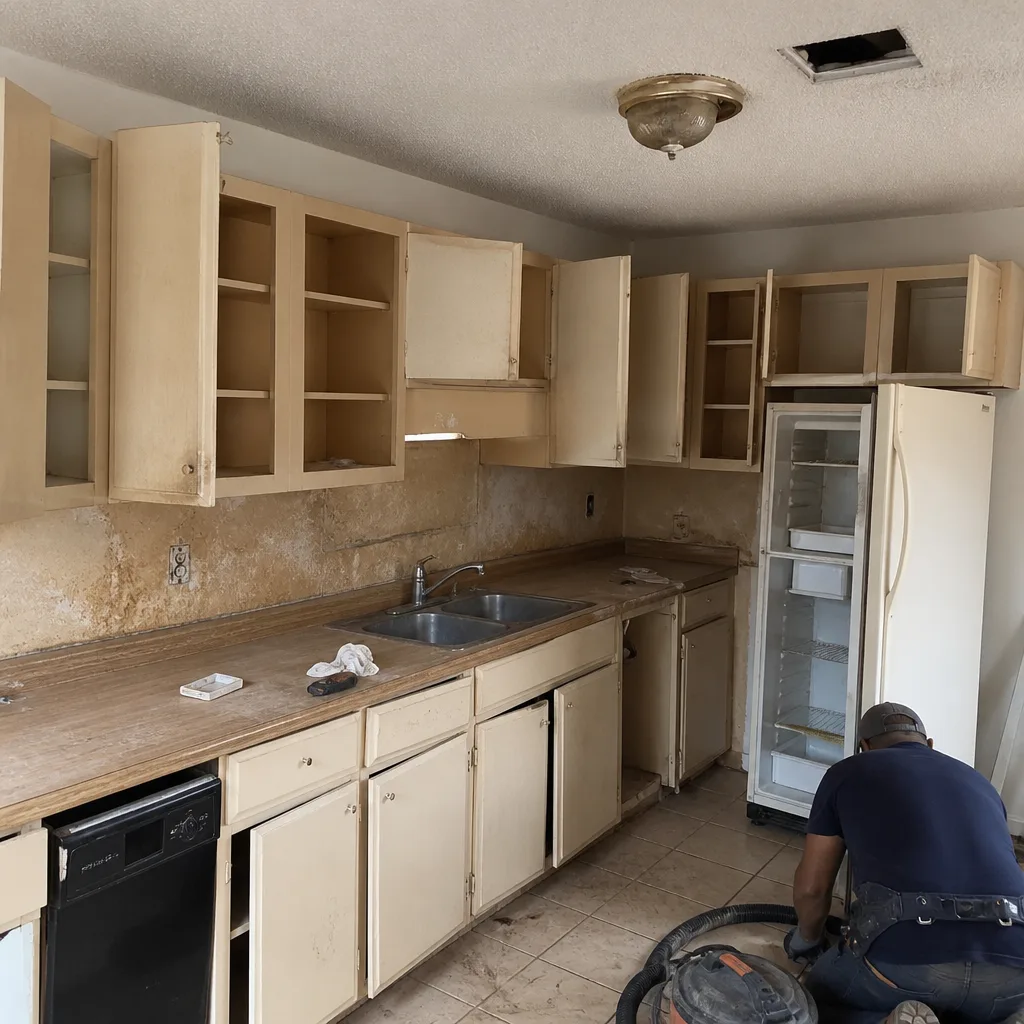 Before
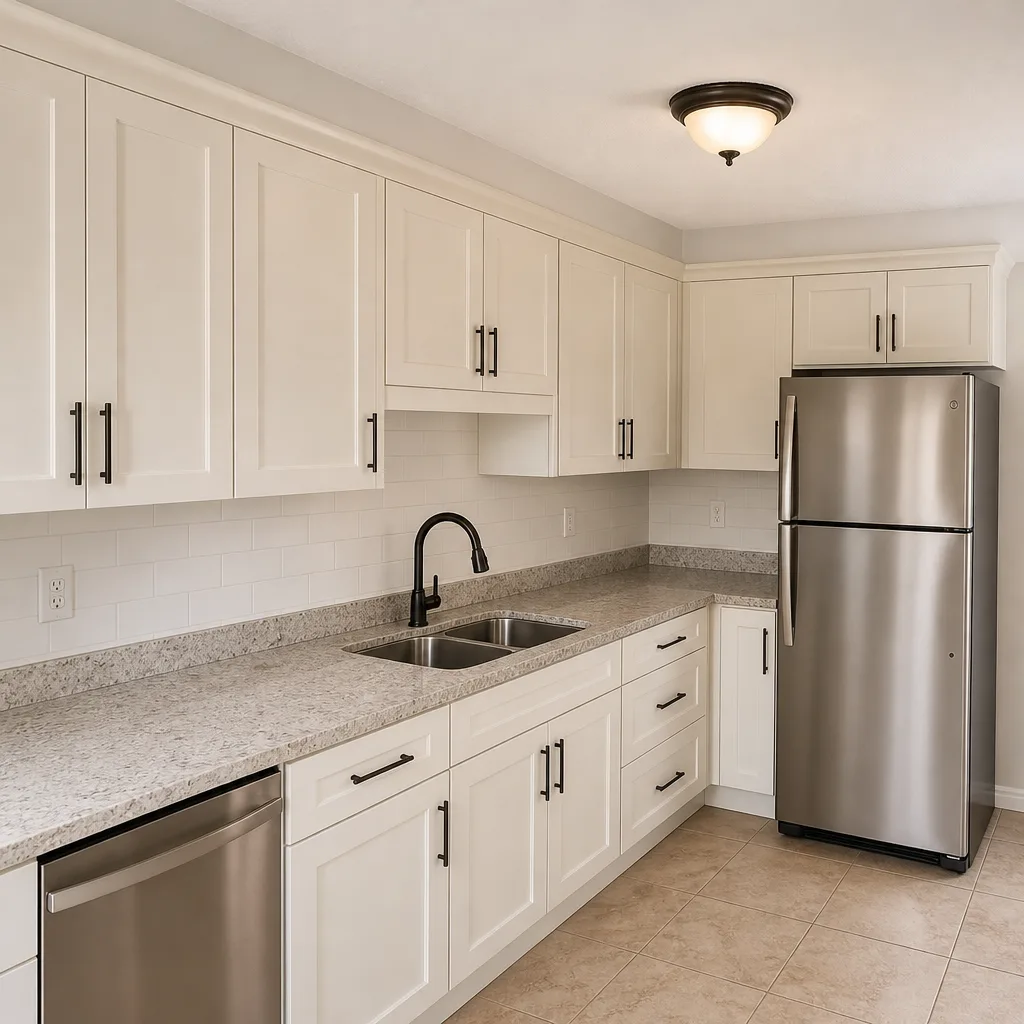 After
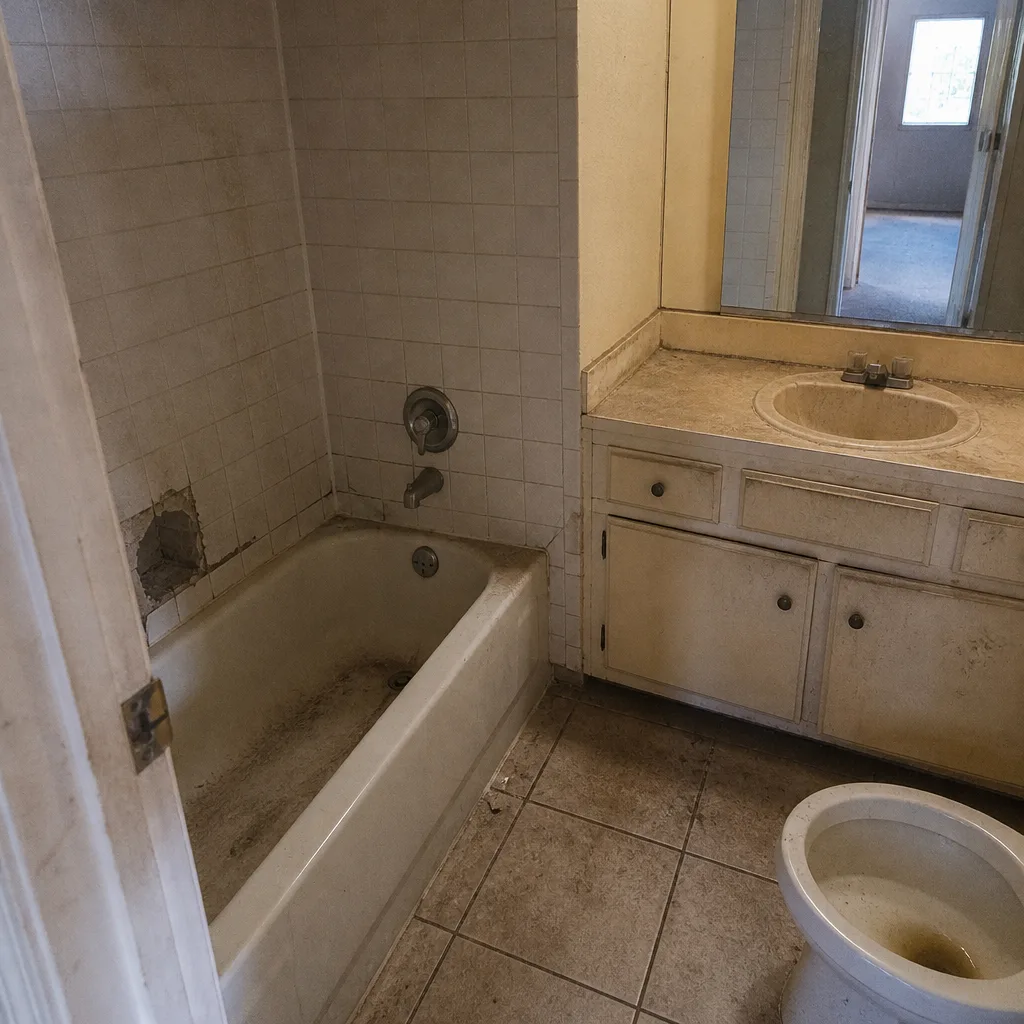 Before
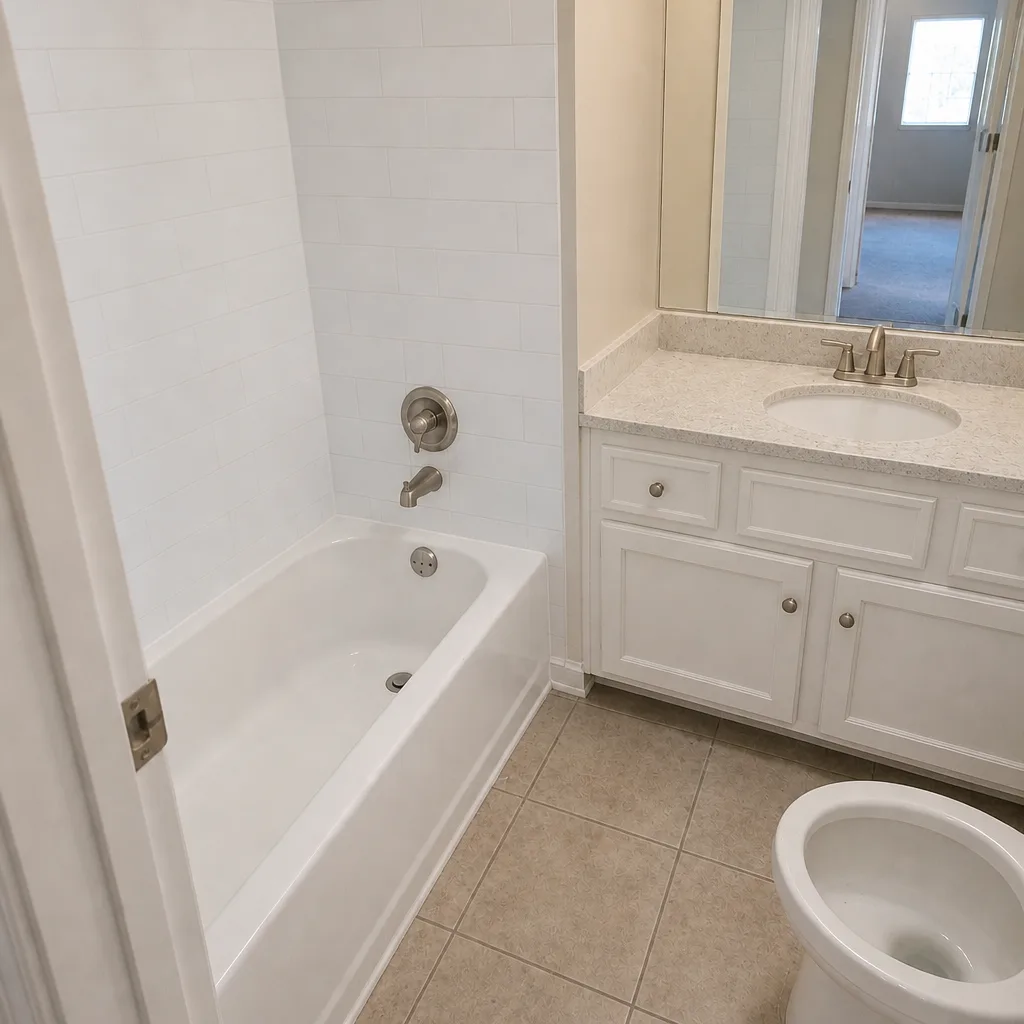 After
 Before
 After
How Deep Should Fence Posts Be in Henderson, NV?
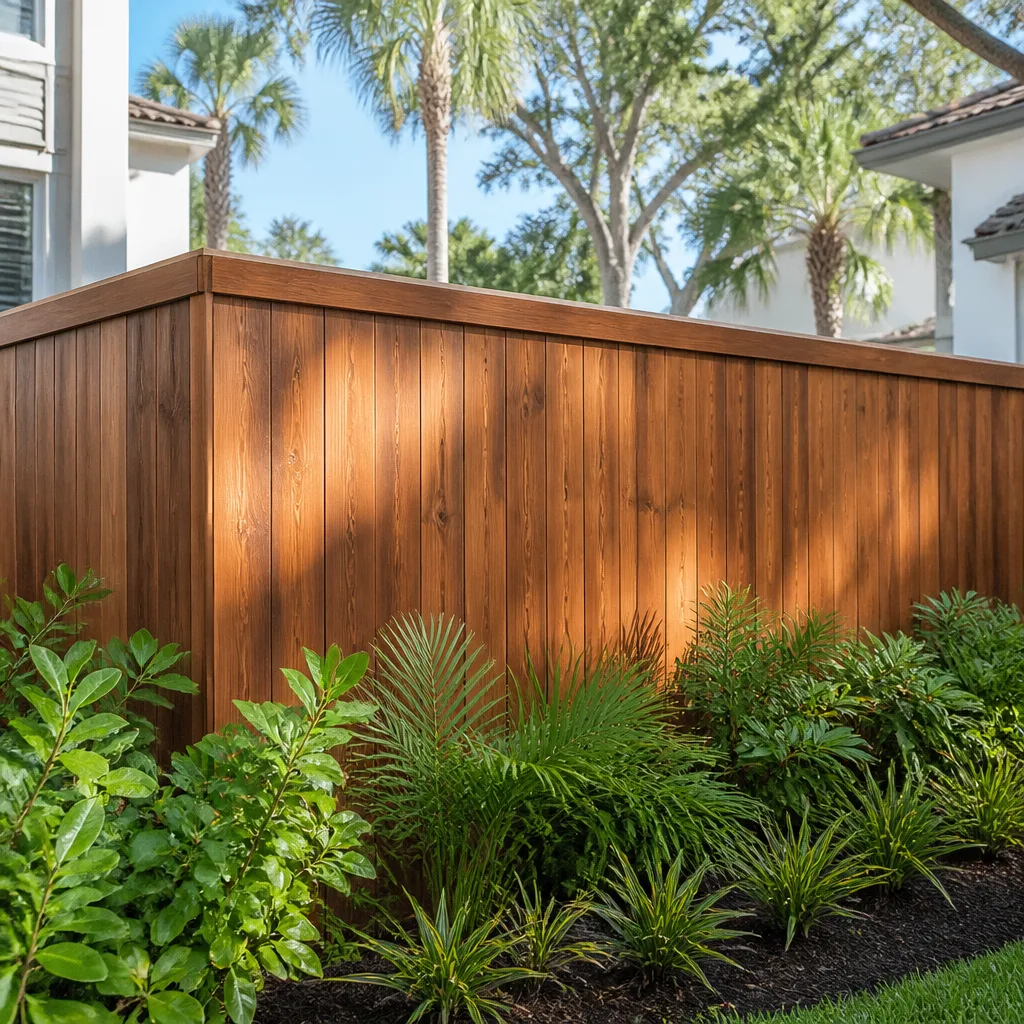
For a 6-foot fence panel on flat, stable ground in Henderson, set posts a minimum of 24 inches deep - but on sloped foothill lots or where you hit clay, plan on 30 to 36 inches. The one-third-of-the-post-length rule you’ll find online was written for temperate soil, and it quietly fails here. You can drill to the textbook 24 inches and still watch a post heave by spring if nobody accounted for what Henderson’s ground is doing below that depth. Call (844) 320-6757 and we’ll walk your lot before a single hole gets dug.
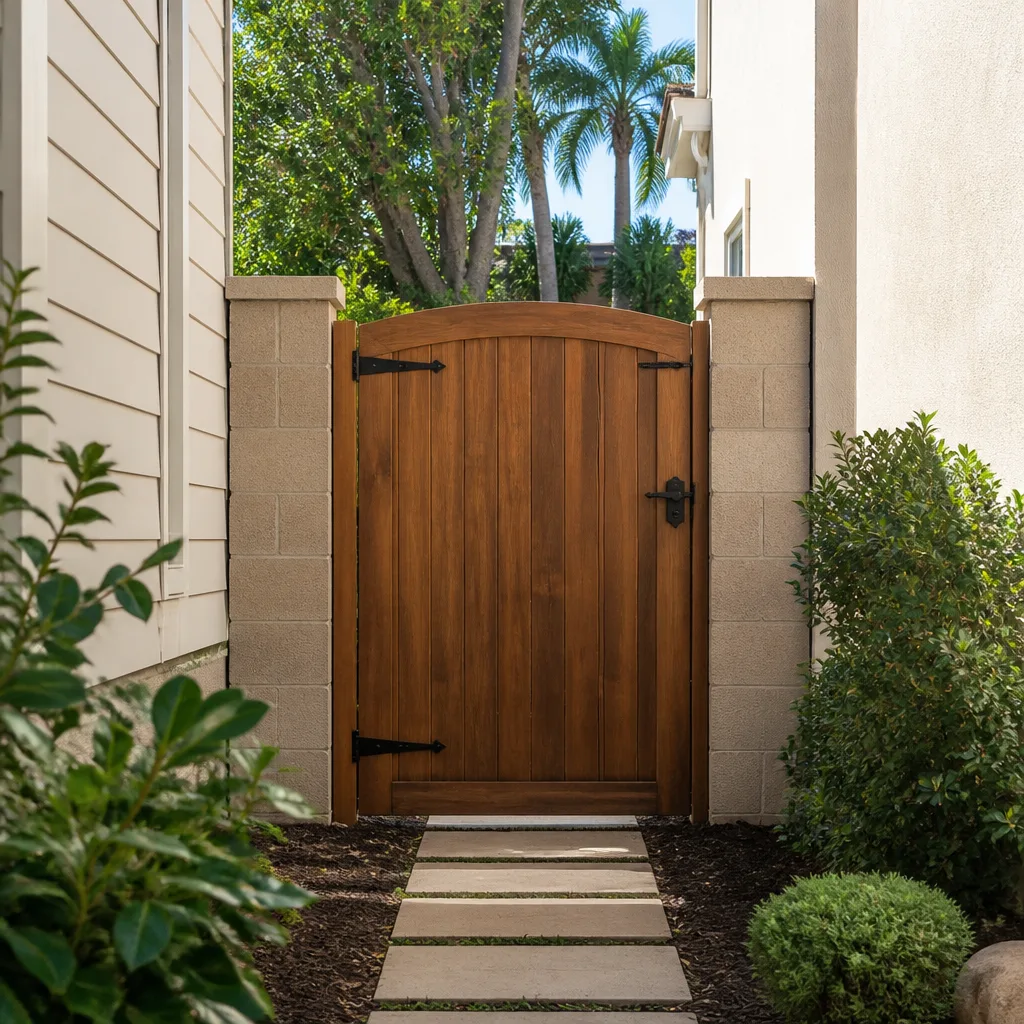
Why the Standard Rule Breaks Down in Henderson
Henderson was largely built out through the 1990s and 2000s boom - Green Valley, Anthem, Seven Hills - which means most of the ground we set posts into has been touched by grading, fill, and decades of desert drainage. That’s before you get to the natural layers underneath. In the foothill communities south and east of the city, a post hole is rarely a straight shot through one consistent material. It’s a sequence.
Here’s what a fence crew actually drills through on a typical Henderson lot:
- Surface fill or decomposed granite. Loose, easy to bore, and misleading. Posts seated only in this layer feel solid on install day and move within a season.
- Caliche hardpan. A cemented calcium-carbonate layer that can stop a standard auger at 12 inches. It’s common across the valley and especially stubborn on the elevated terrain near the McCullough Range foothills.
- Expansive clay. The layer that causes the most long-term grief. It swells when saturated and shrinks hard in the summer heat, and it pushes and pulls on anything embedded in it.
Each layer calls for a different response. Fill gets compacted and often over-dug. Caliche gets broken through, not rested on. Clay gets depth and drainage, because no amount of depth beats a wet clay layer heaving a post out of the ground. Depth without soil-specific technique is just a number on a bid.
The Caliche Trap: When 24 Inches Isn’t Really 24 Inches
This is the failure we see most, and it’s invisible on paper. A crew drills down, hits caliche at 12 or 14 inches, the auger won’t bite further, so they pour concrete and move on. The post is now sitting on top of a hardpan shelf. On a calm day it’s fine. Then a monsoon cell dumps rain on the foothills, water perches on that caliche layer because it can’t drain through, and hydrostatic pressure does what it does. The post lifts. Sometimes an inch. Sometimes enough to rack a whole panel line out of plumb.
The fix happens during installation, not after. You break through the caliche into competent soil below, or you design the hole so water never gets trapped against the post in the first place. This is also why we tell Henderson homeowners that a fence bid quoting a single depth for the whole run - say, “24 inches everywhere” - is guessing. A run along a flat Green Valley property line and a run up a graded slope in Seven Hills are not the same job, and Fence Installation on sloped terrain is where the difference really shows.
The Gravel-Collar Method: Drainage for Flash-Flood Soil
Concrete holds a post, but it also seals the bottom of the hole like a plug. In a climate where the McCullough Range foothills can take a season’s rain in an afternoon, that plug works against you. The gravel-collar approach replaces the bottom 6 inches around the post and below it with crushed gravel rather than solid concrete, so water that reaches the base drains away instead of sitting against the post and pressurizing the clay around it.
The post still gets proper concrete up top for rigidity. What changes is where the water goes when the ground saturates. On clay-heavy lots this one detail does more for long-term plumb than adding six extra inches of depth to a poorly drained hole. Extreme summer heat stresses materials here in the other direction - sealants and wood move through big thermal swings - but saturation is what moves posts, and saturation is what the gravel collar manages.
On top of that, the City of Henderson’s permitting and HOA design-review overlays mean fence height, material, and sometimes setback get checked before install. A 6-foot panel line that’s compliant on paper can still need a different footing design on a graded lot, and that’s worth settling before the crew shows up.
Typical Depth and Cost Ranges for Henderson Fences
Here’s the depth guidance we work from, and the kind of pricing Henderson homeowners see for a full fence install depending on material and site conditions. Every lot is different - a flat Green Valley property line is not a sloped Seven Hills run - so these are ranges, not quotes.
| Condition | Minimum post depth (6-ft panel) | Typical Henderson install range |
|---|---|---|
| Flat, stable ground | 24 inches | $3,500-$9,000 (vinyl); $4,000-$10,000 (aluminum) |
| Sloped foothill lot | 30-36 inches | At the upper end of the vinyl/aluminum range |
| Identified clay layer | 30-36 inches + gravel collar | Premium site work may push above the standard range |
| Caliche shelf encountered | Break through to competent soil | Adds drilling time; quoted on site |
The depth itself rarely moves the price much; the site conditions around it do. A fence run that needs caliche broken and clay managed takes longer and uses more material than a clean flat run, and a good upfront-pricing quote reflects that before the work starts. Our technicians have up to 12 years of experience reading these lots, and every job is covered by our 730-Day Done Right Promise - if a post moves within that window, we own it, not you. That warranty is what makes depth a workmanship decision on our end rather than a variable you get stuck holding.
Common Local Scenarios We See
Some patterns repeat enough that they’re worth naming. If your lot looks like one of these, expect the deeper end of the range.
- The Green Valley tract fence replacement. Original 1990s fence, posts finally leaning after years of thermal cycling and monsoon saturation. Usually straightforward flat ground, but the old concrete footings often need pulling before new holes get drilled.
- The Seven Hills slope line. A property line running up graded terrain where a level 24-inch footing won’t hold a plumb panel. Figure 30 to 36 inches plus graduated post heights.
- The Anthem clay lot. Expansive clay under a thin fill layer. This is where the gravel collar earns its keep, and where we see the most posts that were set too shallow by someone else.
- The downtown ranch home. Smaller older lots near Water Street, often with compacted soil and existing hardscape that limits where holes can go. Layout work matters as much as depth.
We carry quality fencing materials from partners like James Hardie and set them with the same footing discipline we apply on every trade we handle, from foundation to finish line - home projects included. Built to last, backed in writing.
FAQs
Set posts a minimum of 24 inches on flat, stable ground and 30 to 36 inches on sloped foothill lots or where clay is present. The extra depth accounts for Henderson’s expansive clay and caliche layers, which shift more than the temperate soils the standard one-third rule was written for. Call (844) 320-6757 and we’ll assess your specific lot before quoting.
Two feet is enough on flat, stable ground with no clay layer and no caliche shelf, but it’s marginal in the Foothill communities. On sloped terrain or identified clay, two feet leaves a post vulnerable to heaving after a heavy monsoon. If your lot sits in Anthem or Seven Hills, plan for deeper. Estimates are free - call (844) 320-6757 to confirm what your ground needs.
Post heaving in Henderson is almost always a drainage or soil problem, not a depth problem alone. Water trapped against the post by a caliche shelf or expansive clay swells the soil and lifts the post. Breaking through the hardpan and using the gravel-collar method prevents it. If posts are already moving, call (844) 320-6757 and we’ll take a look.
Vinyl fence installation in Henderson typically runs $3,500 to $9,000, and aluminum runs $4,000 to $10,000, depending on run length, material, and site conditions like slope and clay. Caliche or steep grading pushes toward the upper end. Call (844) 320-6757 for an upfront, no-surprise quote - financing at 0% for 18 months and $1,000 off projects over $10,000 are available.
Get Your Post Depth Right the First Time
If you’d rather have it looked at, Groundwork Construction Co. of Henderson offers a no-pressure assessment in Henderson - call (844) 320-6757. We answer with a live person, 24/7, and every estimate is free. Find more on our Fence Installation in Henderson page.
Written by the team at Groundwork Construction Co. of Henderson, serving Henderson, NV.