Last updated November 18, 2026


Free written scope consultation - allowances, timeline, and change-order rules on paper before a single trade is scheduled
Home Additions & ADU Maintenance Schedule: What to Do and When
The first 24 months after a home addition are the highest-stakes maintenance window you’ll ever have with that structure, and most of the checks that matter most take under 30 minutes if you know exactly what to look for. Most Henderson homeowners treat a new addition like the original house: change the filter, glance at the walls, move on. That’s a mistake. Fresh concrete shrinks, new joints cure and pull, and a building that’s never been through a full monsoon season hasn’t been tested yet. This guide lays out a year-by-year schedule for years 1 through 5, with the Henderson-specific checkpoints that actually protect your investment.
Quick Answer
A new home addition or ADU needs three maintenance passes in its first year (at 3 months, 6 months, and 12 months) focused on foundation settling, caulk joints at the connection seam, and concrete shrinkage cracks, then one full annual inspection after that. In Henderson, add a monsoon drainage review every July and a UV-and-dust check on exterior finishes and HVAC filters every spring. Keep a dated record of every check and repair; it’s your proof if warranty work is ever needed.
Styles & brands we work with
- Kitchen remodeling
- Bathroom remodeling
- Home additions & ADU
- Roofing
- Windows & doors
- Driveway & pavers
- Fence
Table of Contents
- Why the First 24 Months Matter Most
- The Checks That Only Apply to New Construction
- Seasonal Priorities for Henderson’s Desert Climate
- The Year-by-Year Calendar: Years 1 to 5
- Maintaining a Tenant-Occupied ADU
- Which Neglected Items Void Your Workmanship Warranty
- How to Keep a Documentation Record That Protects You
- Common Mistakes to Avoid
Why the First 24 Months Matter Most
A new structure is not a finished structure. It’s a building that just started its life and is still moving, drying, and settling into place. Wood framing reaches final equilibrium moisture content over the first year. Concrete slab-on-grade continues to shrink for months after pour, which is why so many new ADU slabs in Henderson show hairline cracks by the first summer. Joints that were caulked perfectly at handover are the joints most likely to gap as the addition and the original house move independently.
We’ve walked through enough additions to know the pattern: the homeowner who does three quick inspections in year one catches the small seam separation before water gets in. The homeowner who does nothing ends up calling us in year three about a soft spot near the connection wall. Same building, different outcome, and the difference is about two hours of work across twelve months.
It’s also when a workmanship warranty is easiest to protect. If you find a problem in month four and document it, that’s a straightforward warranty claim. If you find it in year four and there’s no record of regular checks, you’re arguing about what happened instead of fixing it. That’s the whole reason Groundwork Construction Co. backs additions with its 730-Day Done Right Promise: the first two years are when a build either proves itself or shows its seams, and the schedule below is how you stay on top of it. Get a free project estimate and design consult before the build so the maintenance expectations are set from day one.
The Checks That Only Apply to New Construction
Your original house doesn’t need most of this. A 20-year-old structure has already settled, cured, and gone through every monsoon Henderson can throw at it. A new addition hasn’t. These are the checks specific to fresh construction:
Foundation Settling Checks
Walk the perimeter of the addition slab and note any gap opening between the foundation and the siding or stucco. A small gap (under 1/8 inch) that appears in the first year is normal curing and settling. Anything growing past 1/4 inch, or any stair-step cracking in the adjacent original foundation, warrants a call. Henderson’s expansive soils push and pull with the seasonal moisture cycle, so the wet winter and dry summer are when you’ll see movement show up.
Connection Seam Caulk Inspection
The seam where the new addition meets the original house is the single most important joint to watch. Two structures built decades apart move differently. That’s why the caulk there is a maintenance item, not a permanent seal. Check it at 3 months, 6 months, and 12 months. Look for cracking, peeling, or a visible gap. Re-caulk when you find it, using a paintable exterior-grade sealant matched to the finish.
Concrete Shrinkage Crack Monitoring
Hairline cracks in a new slab are normal and typically cosmetic. Cracks wider than about 1/8 inch, cracks with vertical displacement (one side higher than the other), or cracks that keep widening over time are signals to investigate. Photograph any crack with a coin or ruler next to it so you can measure growth over six-month intervals.
Seasonal Priorities for Henderson’s Desert Climate
Henderson’s climate does specific things to a new structure. The UV load on exterior finishes is heavy: paint, sealant, and roof materials degrade noticeably faster than in milder climates. The monsoon season (roughly July through September) dumps concentrated rain in short windows, which is exactly when drainage problems show themselves. And the desert dust loads HVAC filters faster than most homeowners expect. Here’s how to work with the seasons:
- Spring (March – May): Check exterior paint and sealant for UV chalking or fading. Replace HVAC filters (a new addition adds square footage and duct run, so filter load goes up). Inspect roof flashing at the addition tie-in before monsoon.
- Summer (June – September): Clear gutters and downspouts before July. Walk the grading around the addition after the first heavy monsoon rain and note any ponding or erosion at the foundation. Check that downspouts discharge well away from the slab.
- Fall (October – November): Re-check caulk seams as temperatures swing from hot to cool. Inspect window and door seals on the addition, especially on west- and south-facing walls.
- Winter (December – February): Henderson’s occasional freeze events are when exterior plumbing lines and hose bibs on the new addition can be vulnerable. Verify insulation on any exterior-run water line.
If your addition includes a new roof section, that tie-in deserves special attention. The junction between new and old roofing is where the two planes meet at different pitches and ages. Ask the roofer who installed it to walk it with you before the first monsoon season. We work with GAF and CertainTeed roofing systems on Henderson additions, and both hold up well when the flashing at the tie-in is done right and re-checked once.
The Year-by-Year Calendar: Years 1 to 5
Here’s the schedule organized by year and by how much time and skill each task demands. Anything marked “pro” should be handled by a trained technician; the rest a careful homeowner can do.
Year 1 (Highest Intensity)
3-month walkthrough (30 minutes, homeowner-level):
- Photograph the foundation perimeter and note any new gaps.
- Inspect the connection seam caulk for cracking.
- Check all exterior doors and windows on the addition for proper latching and seal.
- Replace HVAC filter; note the model and date.
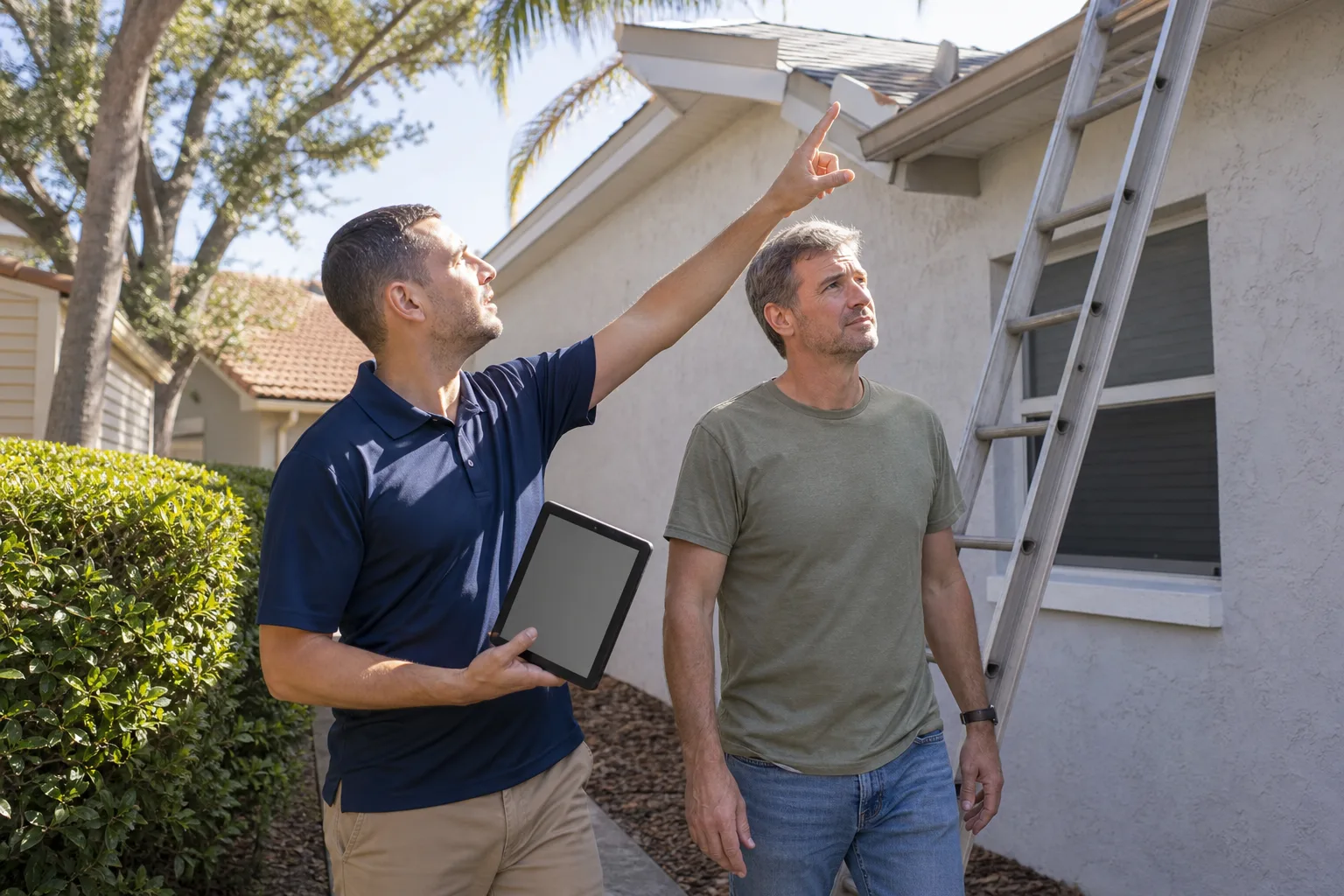
- Look at the roof tie-in from the ground with binoculars for obvious lifted shingles or flashing issues.
6-month walkthrough (45 minutes): Repeat everything above, plus check interior caulk lines around the new addition’s baseboards and window frames. Note any doors that have begun to stick, which can signal settling.
12-month inspection (90 minutes, with a professional): This is the checkpoint where the addition has been through a full seasonal cycle. A trained technician checks the foundation, roof, and HVAC integration. Consider a professional pre-monsoon roof and drainage review. If warranty work is needed, this is the best time to file it.
Years 2 – 3 (Settling and Curing)
Year 2 (2 checks, 45 minutes each): Inspect connection seam, foundation perimeter, and roof tie-in. Re-caulk as needed. Note any settling changes against your year-1 photos. Replace HVAC filters every 3 months in Henderson (dust load is high).
Year 3 (annual, 90 minutes): Full exterior and interior walkthrough. Check caulk at all exterior joints, door and window seals, and exterior paint condition. Verify grading and drainage. Consider fresh coat of UV-rated sealant on any exposed exterior wood.
Years 4 – 5 (Steady State)
Years 4 and 5 (annual, 60 – 90 minutes): Most settling has completed. The schedule becomes maintenance-as-usual: annual roof check, caulk touch-up as needed, filter replacement every 3 months, exterior paint inspection, and a monsoon-season drainage review every year. Anything that grew in the first three years should be measured again and compared. If no new movement has occurred, you’re in steady state.
How this schedule interacts with the 730-Day Done Right Promise is worth knowing. The promise covers workmanship for two full years, so the year-1 and year-2 checks line up exactly with the period when a workmanship issue is most likely to appear, and when you’re most protected if it does.
Maintaining a Tenant-Occupied ADU
An ADU with a tenant is different in one big way: the things a tenant notices are not the things that matter most to the structure. A tenant will report a dripping faucet. A tenant will not report a hairline crack in the slab edge, a small caulk failure at the seam, or a slow seal on a window. That’s why the maintenance schedule has to stay with you, not with the tenant.
Between tenancies is your window for the deep checks. Vacancy is when you:
- Inspect the full foundation perimeter and photograph it.
- Re-caulk the connection seam and all exterior joints as needed.
- Service the HVAC and replace the filter.
- Inspect the roof tie-in and any drainage path around the ADU.
- Verify all interior caulk lines, window seals, and door alignment.
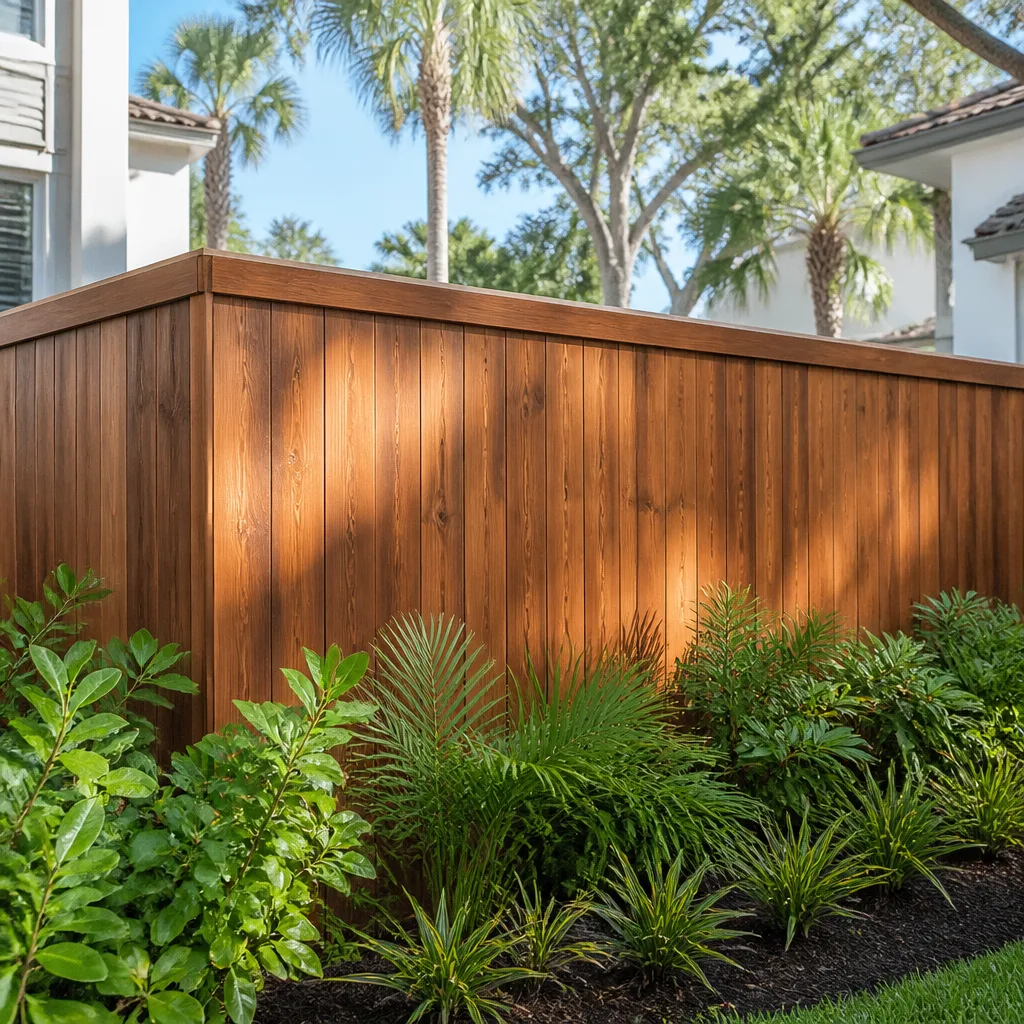
Regardless of whether anyone lives there, do the annual exterior inspection and the monsoon drainage review yourself. Tenant turnover isn’t predictable, so don’t rely on it as your check-in point. If the ADU is adjacent to a new fence or paver install around the structure, those surfaces need their own check for weed growth at the base of the fence line and settling at the paver edge, and neither is on a tenant’s radar. A fence installation done correctly runs with the property, but the check that the installation held through the first monsoon is on you.
Which Neglected Items Void Your Workmanship Warranty
Most warranties on home additions cover materials and workmanship but exclude damage caused by failure to maintain. That’s standard across the industry, including with Groundwork’s 730-Day Done Right Promise. The practical list of maintenance items that affect coverage includes:
- Water intrusion damage from clogged gutters or unmaintained downspouts.
- Caulk seam failures left unrepaired, which let water in behind siding or stucco.
- Foundation damage from poor drainage or graded soil that wasn’t re-graded after settling.
- HVAC damage from neglected filter replacement.
- Exterior finish damage from deferred paint or sealant maintenance.
What protects you is simple and does not require a professional: a dated record of what you inspected, what you found, and what you fixed. A phone-notebook app or a paper log both work. Photograph the connection seam at every check. Photograph any crack next to a ruler or coin. Save receipts for caulk, filters, and any professional service.
We’ve seen warranty claims go smoothly when the homeowner says “here’s the photo from month six showing the crack growing, here’s the pre-monsoon roof check from year one, here’s the service record on the HVAC.” And we’ve seen harder conversations when there’s no record at all. Documentation isn’t bureaucratic: it turns a debate into a quick fix. If you’re planning an ADU and want the maintenance expectations set before the build, a free estimate and design consult with us walks through exactly what the warranty covers and what it doesn’t.
Common Mistakes to Avoid
- Skipping the 3-month walkthrough. The first three months are when the new structure moves most. Most Henderson homeowners go straight from handover to normal life and miss the biggest window for catching a joint that’s beginning to fail.
- Treating new concrete cracks like a problem. Hairline shrinkage cracks in a new slab are normal. But homeowners who panic at every crack and also ignore the ones that keep widening get the worst of both. Measure and track, don’t obsess.
- Ignoring the connection seam because it’s “inside.” The caulk seam where the addition meets the original house is often on an interior wall too, and it fails on the same timeline. Check both sides.
- Assuming the tenant will report maintenance issues. They won’t, and shouldn’t be expected to. An ADU tenant’s job is to live there. Structural checks stay with you.
- Not re-grading after the first monsoon. Soil around a new foundation settles or erodes with the first heavy rain. If the grade slopes toward the addition rather than away, fix it before year two. This is one of the fastest paths to a foundation repair bill.
- Replacing HVAC filters every six months. In Henderson, the dust load is high enough that 90 days is the realistic interval, especially if the addition has its own return.
- Not photographing anything. A pile of receipts with no photos is half a record. Photos make a warranty conversation easy.
See the difference
 Before
 After
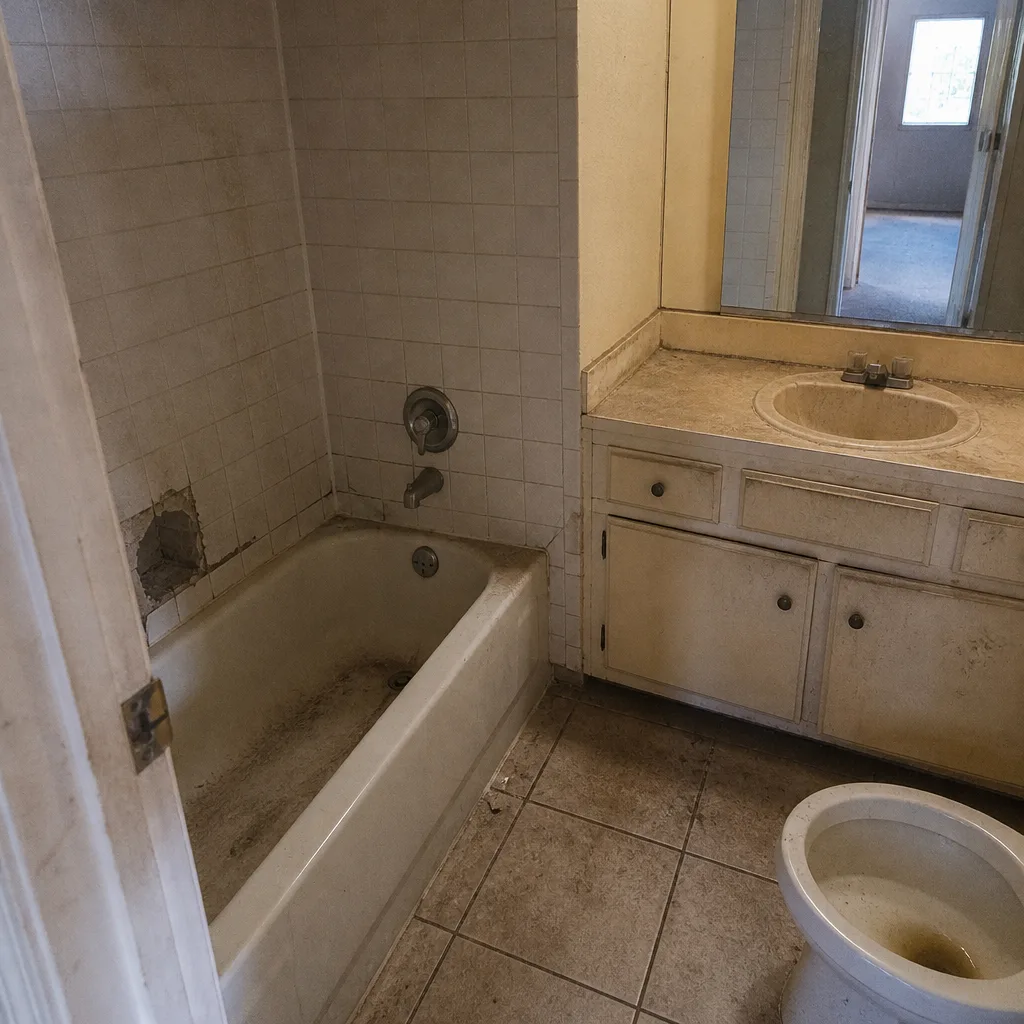 Before
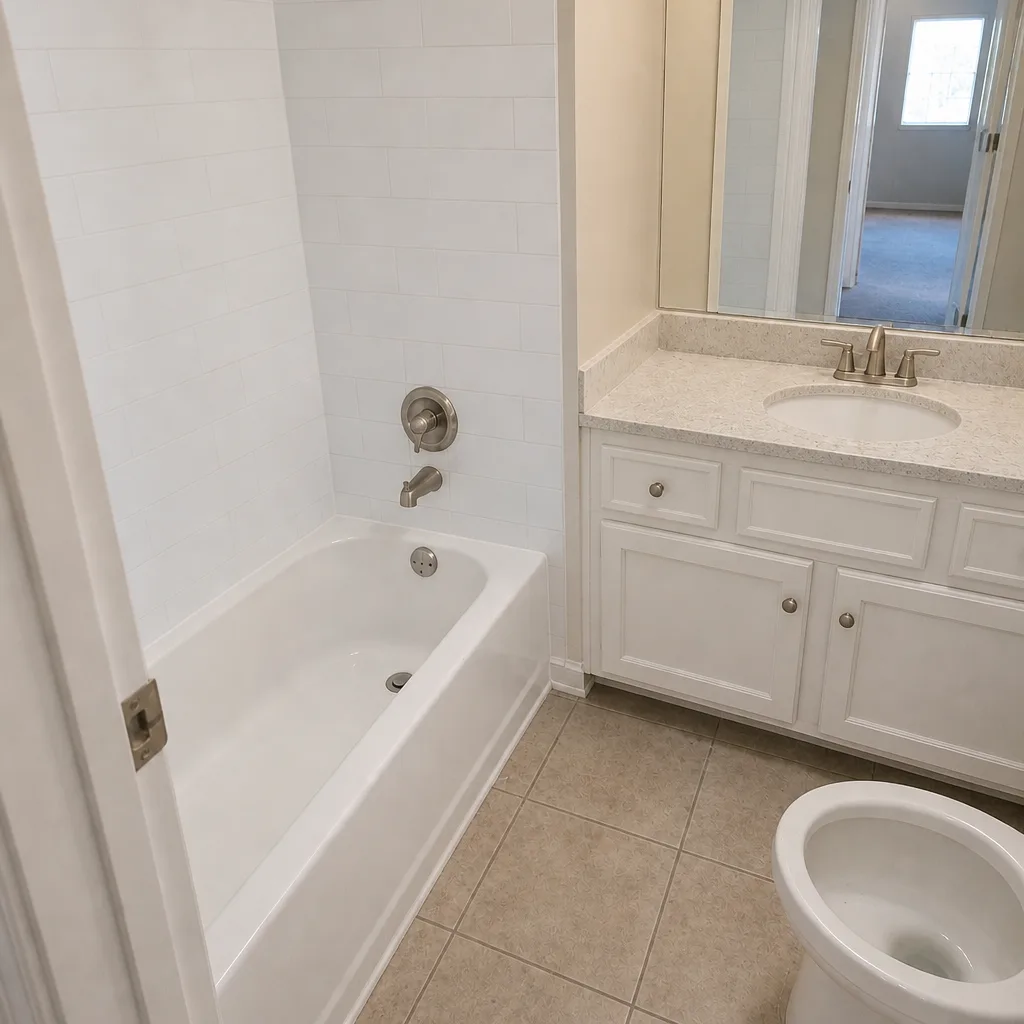 After
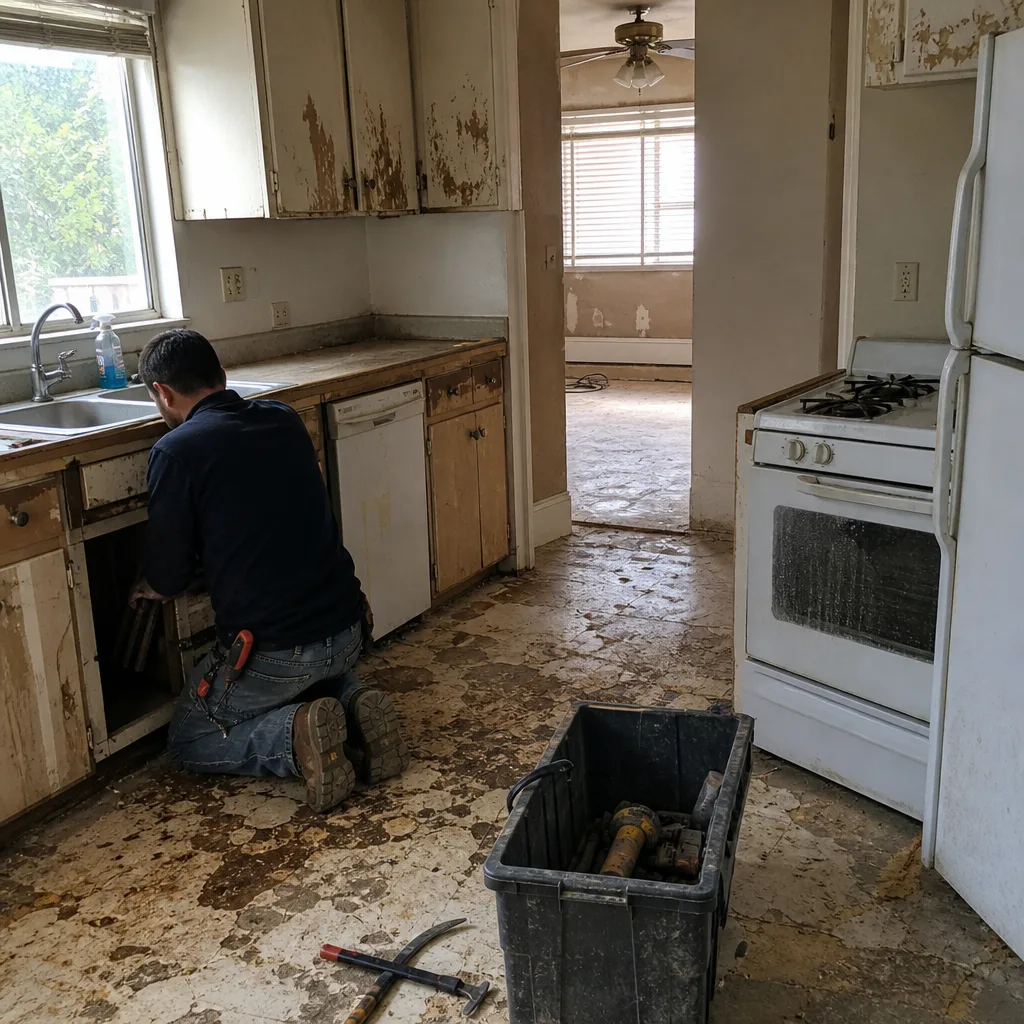 Before
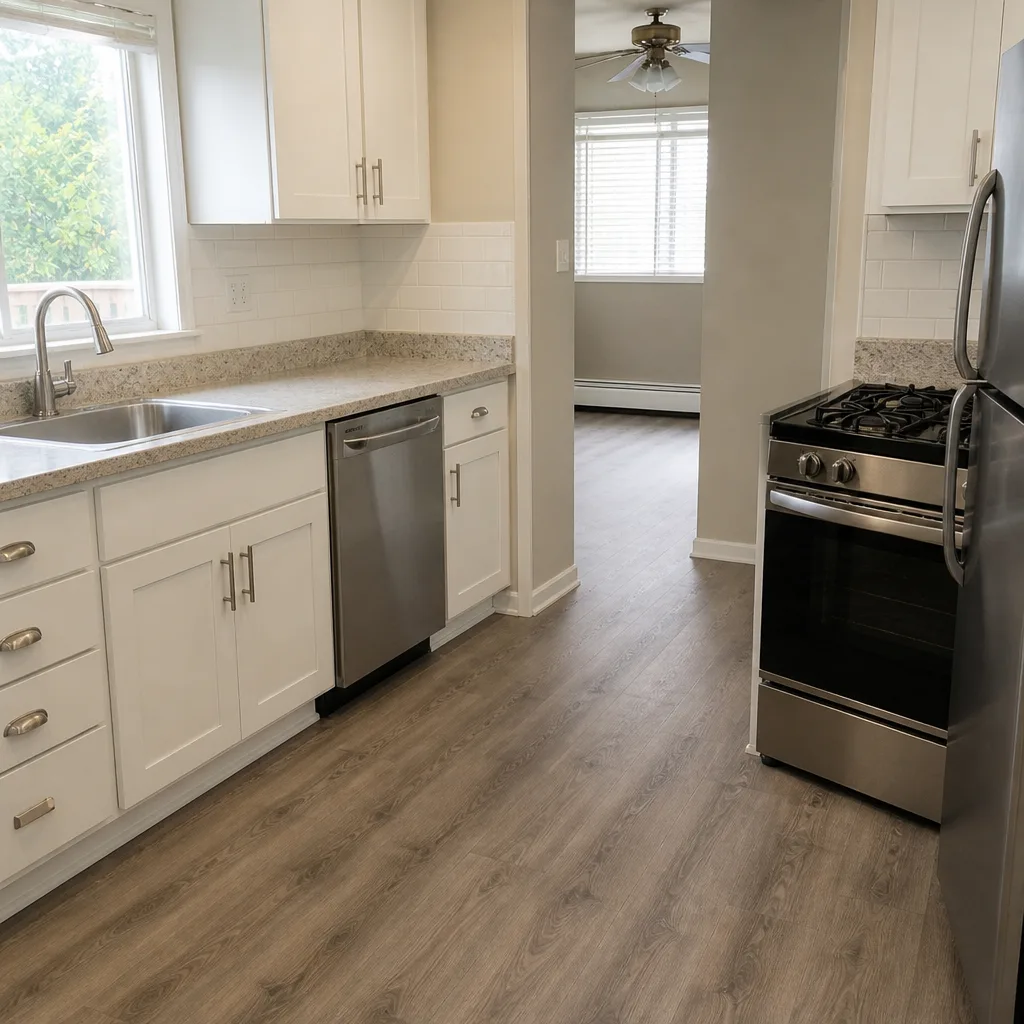 After
When to Call a Professional
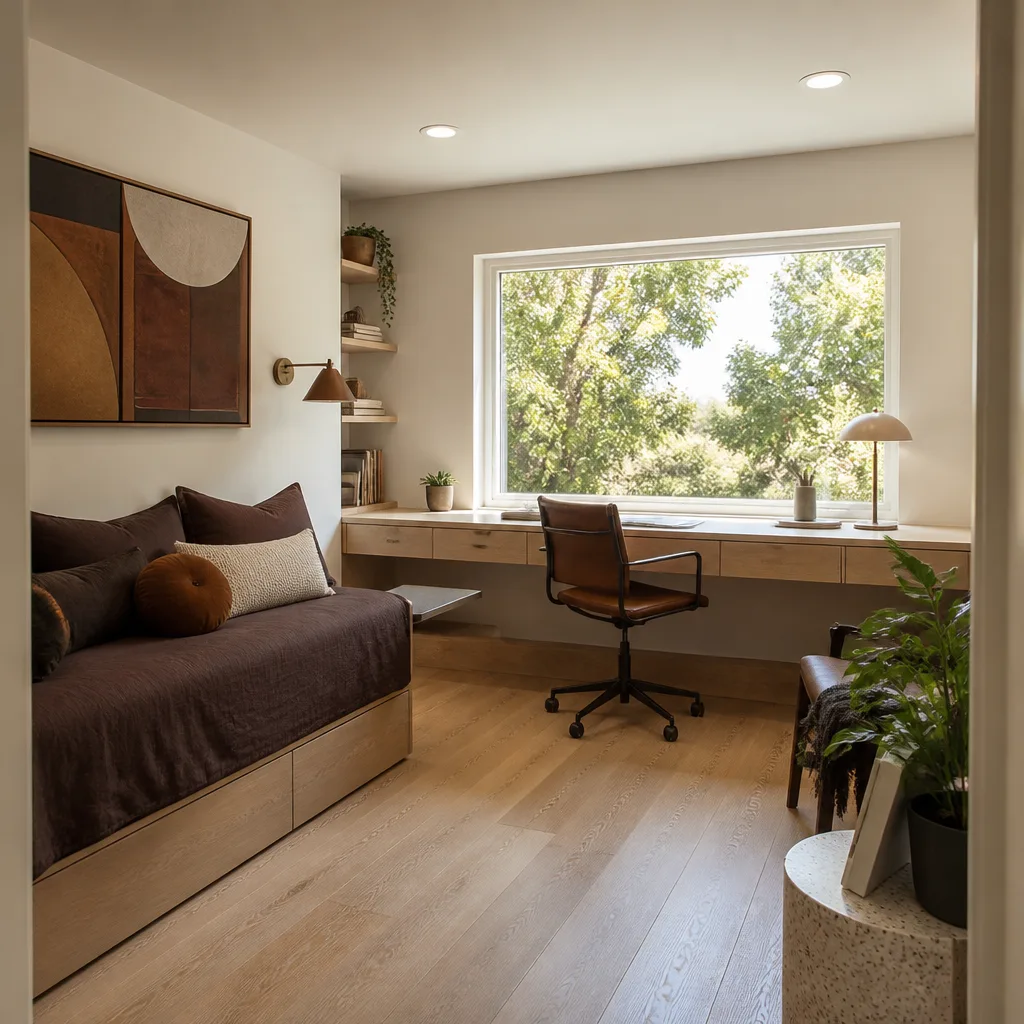
Call us when you see something you can’t confidently write off as normal settling. Specifically: any foundation gap that keeps widening past 1/4 inch, stair-step cracking in adjoining original foundation walls, a monsoon rain that leaves standing water around the addition slab, water staining inside near the connection seam, or a roof tie-in that shows lifted flashing or shingle damage after the first summer. Also call if you’re in year two and want a professional pre-warranty-expiration check before the two-year period closes on the 730-Day Done Right Promise, so anything that needs correcting is corrected while it’s covered.
Groundwork Construction Co. of Henderson offers free estimates in Henderson. Call (844) 320-6757 to schedule a walkthrough and get a written line-item review of the addition. Our technicians have up to 12 years of experience, are background-checked, and arrive in uniform. The line answers with a live person, 24/7. The Home Additions & ADU in Henderson page has the full service overview, and the Groundwork Construction Co. of Henderson home page is where to start if you’re just beginning to plan.
Frequently Asked Questions
Three times in the first year (at 3 months, 6 months, and 12 months), then once a year after that. In Henderson, add a pre-monsoon drainage and roof check every July and a spring HVAC filter and UV-finish check. The first two years are the highest-intensity window and align directly with the 730-Day Done Right Promise coverage period.
Yes. Hairline shrinkage cracks under about 1/8 inch wide are normal in new concrete and typically cosmetic. What’s not normal is a crack wider than 1/8 inch, a crack with vertical displacement, or one that keeps widening over six-month intervals. Photograph any crack with a coin next to it, measure it every six months, and call if it grows. For a quick review of a slab issue, call (844) 320-6757 and we’ll take a look.
Inspect the caulk joint on both sides (exterior and interior) at every scheduled check, looking for cracking, peeling, or a visible gap. The seam is where two structures of different ages and moisture histories meet, and they move independently. Re-caulk when you find a failure, using a paintable exterior-grade sealant matched to the finish. If you’re not sure how to diagnose what you’re seeing, call us for a free estimate walkthrough.
Yes, significantly. Henderson’s monsoon season (roughly July through September) delivers concentrated rain in short windows, and that’s exactly when drainage problems show up. Clear gutters and downspouts before July, walk the grading after the first heavy rain, and confirm the soil slopes away from the addition slab. Standing water near a new foundation is the single fastest way to void the structural benefit of a good build, so this check is not optional.
Failure to maintain is the main category: clogged gutters that lead to water intrusion, unrepaired caulk failures at the connection seam, poor drainage that damages the foundation, neglected HVAC filter replacement, and deferred exterior paint or sealant maintenance. The 730-Day Done Right Promise covers workmanship; it does not cover damage from deferred maintenance. Get a free estimate review to confirm what your specific project’s warranty covers before work begins.
Either works. Most Henderson homeowners do the 30-minute homeowner-level checks themselves and bring us in for the 6-month and 12-month professional inspections and for anything that looks unusual. Our technicians have up to 12 years of experience, and calls are answered by a live person 24/7. If you’d like a professional walkthrough, call (844) 320-6757 for a free estimate.
The Bottom Line
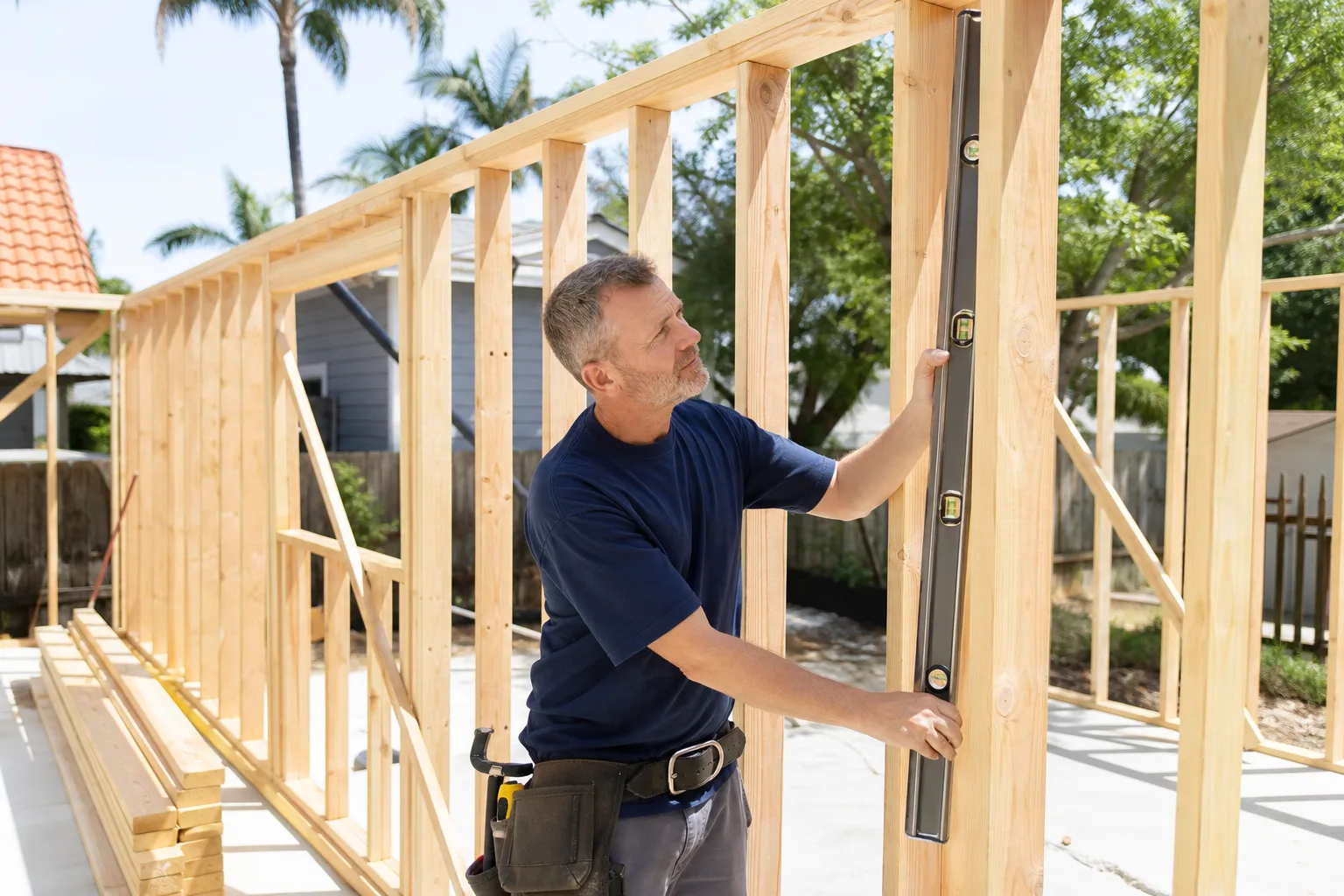
An addition or ADU is a significant asset, and the biggest lever you have on its longevity is how you handle the first two years. Three checkpoints in year one, two in year two, then an annual rhythm after: that’s the schedule. In Henderson, layer in a pre-monsoon drainage review every July, a spring UV and filter check every year, and a filter change every 90 days. Keep a dated photo record of every check. When something looks off, capture it, measure it against the prior photo, and call. That’s how you protect the build and keep the 730-Day Done Right Promise working in your favor.
If you’re planning a home addition or ADU in Henderson, call (844) 320-6757 to schedule a free estimate and design consult. We’ll walk you through what the project includes, what the maintenance expectations are after handover, and what the 730-Day Done Right Promise covers. While you’re budgeting, you can review the Driveway & Pavers in Henderson and Fence Installation in Henderson pages for exterior work that often pairs with an addition, since finishes and site grading interact with new construction. Upfront pricing, no surprises. Live person on the line, 24/7.
Written by the team at Groundwork Construction Co. of Henderson.