Last updated November 18, 2026
Free written scope consultation - allowances, timeline, and change-order rules on paper before a single trade is scheduled
The Complete Windows & Doors Guide for Henderson Homeowners
Here’s a number that surprises most Henderson homeowners: the same double-pane window that performs beautifully in Seattle or Portland can start showing seal failure, fogging, and frame warping in Henderson in roughly half the time. The Mojave doesn’t grade on a national curve. Between the 115°F July afternoons, the swing to cold desert nights, the relentless UV, and the hard-water overspray from irrigation and pool equipment, windows and doors here live a harder life than almost anywhere in the country. This guide is written for that reality. You’ll learn which ratings actually matter in Clark County’s climate zone, how frame materials hold up under sustained desert heat, how dust affects your door thresholds, and how to choose before you ever pick a frame color.
Quick Answer
For Henderson, NV, choose windows and doors rated for climate zone 3B with a Solar Heat Gain Coefficient (SHGC) of roughly 0.25 or lower on west- and south-facing glass, a U-factor of 0.30 or better, and frames built for sustained 110°F+ heat, which usually means fiberglass or thermally broken aluminum over standard vinyl. Orientation, window-to-wall ratio, and installation quality matter as much as the product label, and getting those decisions right before purchase is what keeps your HVAC from running overtime every summer.
Styles & brands we work with
- Kitchen remodeling
- Bathroom remodeling
- Home additions & ADU
- Roofing
- Windows & doors
- Driveway & pavers
- Fence
Table of Contents
- Why ENERGY STAR Ratings Alone Are Not Enough in Henderson
- Frame Materials in Desert Heat: Vinyl vs. Fiberglass vs. Aluminum-Clad Wood
- Orientation and Window-to-Wall Ratio: The Decisions That Come First
- How Henderson Dust and Particulate Affect Door Sweeps and Thresholds
- Choosing Entry and Patio Doors for Desert Conditions
- A Step-by-Step Selection Process for Henderson Homeowners
- What Our Brand Partnerships Deliver That Big-Box Windows Don’t
- Installation Quality: Where Desert Performance Is Won or Lost
Why ENERGY STAR Ratings Alone Are Not Enough in Henderson
ENERGY STAR is a floor, not a finish line. The label tells you a product beat a national baseline for a given climate zone. It does not tell you whether that product will survive fifteen Henderson summers without seal degradation. Those are two different questions, and most buying guides only answer the first one.
Henderson sits in climate zone 3B, the hot-dry designation that drives the specific performance targets the Department of Energy uses for this region. In 3B, cooling dominates your energy bill far more than heating, which flips the priority order you’ll see in guides written for cold climates. There, a low U-factor (heat loss resistance) is king. Here, Solar Heat Gain Coefficient (SHGC) is the number that decides how much of the desert sun’s heat your glass lets inside.
Here are the targets we recommend for Henderson homes:
- SHGC: 0.25 or lower on west- and south-facing glass; up to 0.30 is workable on north-facing windows where direct sun load is minimal.
- U-factor: 0.30 or better across the board. Newer low-E coatings and argon fill make this achievable without heavy tinting.
- Visible Transmittance (VT): 0.40 to 0.60 balances daylight with heat rejection. Very low VT glass saves energy but makes rooms feel dim and closed-in.
- Condensation Resistance: look for a CR rating of 50 or higher; desert nights drop fast and interior condensation on cheap glass is a warning sign.
- Air Leakage: 0.3 cfm/ft² or lower. Henderson wind events push fine dust against every gap.
One thing the model home brochures never mention: the National Fenestration Rating Council (NFRC) label on the glass tells you how the product performs in a lab. It doesn’t tell you how the installation performs in your wall. A premium window set into a poorly flashed opening loses a meaningful share of its rated performance. In Henderson, where we regularly see stucco homes with original 1990s-era single-pane aluminum sliders, the gap between advertised and actual performance is often where the real money is being lost.
If you’re rebuilding a room in tandem with your window replacement, our team handles the whole scope together so the envelope and interior stay coordinated. You can see how that fits with the broader work we do on the Groundwork Construction Co. of Henderson home.
Frame Materials in Desert Heat: Vinyl vs. Fiberglass vs. Aluminum-Clad Wood
Frame material is where the desert separates the contenders. Vinyl, fiberglass, and aluminum-clad wood each have a place, but the conditions in Henderson expose their weaknesses on a timeline that most product spec sheets don’t reflect. Standard PVC vinyl has a heat deflection point around 140°F to 165°F depending on formulation. When your west-facing window is baking in direct summer sun, surface temperatures on the frame can climb into the 160°F+ range. That’s not a failure, but it’s close enough to the edge that quality matters.
Here’s how the three main materials stack up:
- Vinyl: The most common residential choice in Henderson for good reason. Affordable, low maintenance, and competitive on energy performance. The catch is heat tolerance. Cheaper vinyl formulations can warp, discolor, or develop seal failure in west- and south-facing exposures over a decade or two. Higher-end vinyl with reinforced framing and heat stabilizers in the compound holds up far better.
- Fiberglass: The strongest choice for sustained desert heat. Fiberglass frames expand and contract at a much lower rate than vinyl, so the thermal cycling from 115°F days to 50°F nights doesn’t stress the seal joints as much. They hold shape under heat well past vinyl’s threshold. The trade-off is cost: fiberglass typically runs 20% to 40% higher than comparable vinyl.
- Aluminum-clad wood: Premium option. The exterior aluminum cladding is powder-coated and very UV-resistant. The wood interior stays protected from the worst heat by the cladding and the insulated cavity behind it. Works well on shaded or north exposures and offers the best look for high-end custom homes. Needs a rigorous install with proper weep channels and flashing to keep the wood core dry.
What about thermal cycling? This is the factor most competitors highlight least. The daily swing in Henderson between daytime highs and overnight lows creates a repeated expansion-contraction cycle on every frame in your home. Materials with a low coefficient of thermal expansion (fiberglass, aluminum-clad wood) suffer less cumulative stress over 10, 15, or 20 years. That doesn’t mean vinyl fails in Henderson, but it does mean that a mid-grade vinyl window facing west on a two-story Henderson tract home is going to see its glass seals tested sooner than the same window on the north side of the house.
In our experience, the sweet-spot recommendation for most Henderson homes is reinforced vinyl on north and east exposures, fiberglass on full west and south exposures, and aluminum-clad wood for premium whole-home replacements where aesthetic value is part of the investment thesis.
Orientation and Window-to-Wall Ratio: The Decisions That Come First
Most homeowners pick the frame color before they think about anything structural. We recommend flipping that order. The decisions that determine your summer comfort and cooling bills are made before product selection, and they’re usually made once because they involve the wall, not the window.
In Henderson, an unshaded west-facing wall takes the equivalent of hours of direct low-angle sun every summer afternoon. That’s the worst load you can put on your HVAC. South-facing windows get intense sun all day, but the angle is more overhead, which makes overhangs, shade structures, and trees far more effective. North-facing glass is your friend in this climate: no direct summer sun load worth worrying about.
Window-to-wall ratio (WWR) is the other number to consider. It’s the percentage of a wall’s gross area that is glazed. Most Henderson homes run between 15% and 25% WWR on the front facade, and newer construction often pushes higher. Above 30% on a west-facing wall with budget-tier glass, your summer AC runtime climbs noticeably. Above 40%, you’re usually paying for it in energy bills even with premium windows, unless you commit to shading.
A few Henderson-specific orientation facts worth knowing:
- Afternoon winds in the valley are often from the south or southwest, pushing dust against south- and west-facing windows. That loading is real and should factor into seal and frame choices.
- Summer monsoon season (typically July through September) brings brief but intense rain driven sideways. Window flashing and weep detail is the defense; a poor install fails when monsoon hits.
- The overheard “just add more windows” advice from national guides ignores that every additional west window adds cooling load to an already-stressed system in July and August.
How Henderson Dust and Particulate Affect Door Sweeps and Thresholds
Henderson’s dust is not a nuisance. It’s an abrasive that works on your door sweep and threshold every single day. The valley gets sustained periods of wind-blown particulate from construction, open desert, and spring wind events. Every exterior door you own faces that load.
Door sweeps and thresholds are the underappreciated failure point for most Henderson homeowners. The sweep is the flexible strip at the bottom of the door that seals against the threshold. It takes abrasion from every open-close cycle, and dust accelerates wear on the material. Once the sweep develops a gap, you get three problems at once: energy loss, dust infiltration into the home, and a channel for insects and hot air. In the desert, that gap is often where dust enters your HVAC return path.
Spec upgrades that address this directly:
- Adjustable threshold: lets you raise the seal to compensate for settlement and wear instead of replacing the threshold when the gap opens.
- Reinforced sweep material: silicone or high-grade brush sweeps outperform cheap vinyl. They hold their shape longer under heat.
- Full-perimeter weatherstripping: most cheap doors only seal the latch side. A door spec that includes magnetic or bulb weatherstrip on all four sides performs better against wind-driven dust.
- Fully adjustable sill with thermal break: keeps the threshold from becoming a conduction bridge once temperatures shift.
There’s also the hard-water element. Henderson’s water supply runs on the hard side, and pool and landscape irrigation overspray can stain or etch glass and frame finishes. A coated aluminum threshold or an anodized finish holds up better than raw metal. Sweeping the exterior stiles and frames after irrigation cycles extends the finish life materially.
Choosing Entry and Patio Doors for Desert Conditions
Doors take a beating in Henderson for the same reasons as windows, but with one extra variable: they’re the highest-traffic exterior element on the house. Every exterior door gets opened and closed hundreds of times a year, and each cycle stresses the sweep, hinge, and latch assembly. In a desert environment, that stress compounds with dust and thermal expansion.
For entry doors, we recommend fiberglass or steel-core doors over solid wood in this climate. Solid wood entry doors look great but need significant upkeep to hold finish under intense UV, and even well-maintained doors can develop checking and delamination over time in Henderson’s heat. Steel-core doors with a powder-coated exterior hold up well provided the finish quality is high; cheaper steel doors chip and rust over time, especially at the bottom edge where irrigation and monsoon rains hit.
For patio doors, the same orientation logic applies as for windows. A west-facing slider or French door is going to cook in July. Look for:
- Multi-point locking: not just for security, but for even compression against the weatherstrip around the full perimeter. That helps against dust and monsoon-driven rain.
- Low-E, argon-filled glass: same targets as your windows (SHGC 0.25 or lower on exposed orientations).
- Heavy-duty rollers and tracks: sliding patio doors in dust-prone climates wear through cheap tracks quickly. Stainless or heavy-gauge aluminum tracks last longer.
- Reinforced frames: standard vinyl or composite on an oversized sliding door is a stress point under sustained heat; consider thermally broken aluminum or fiberglass for large west-facing sliders.
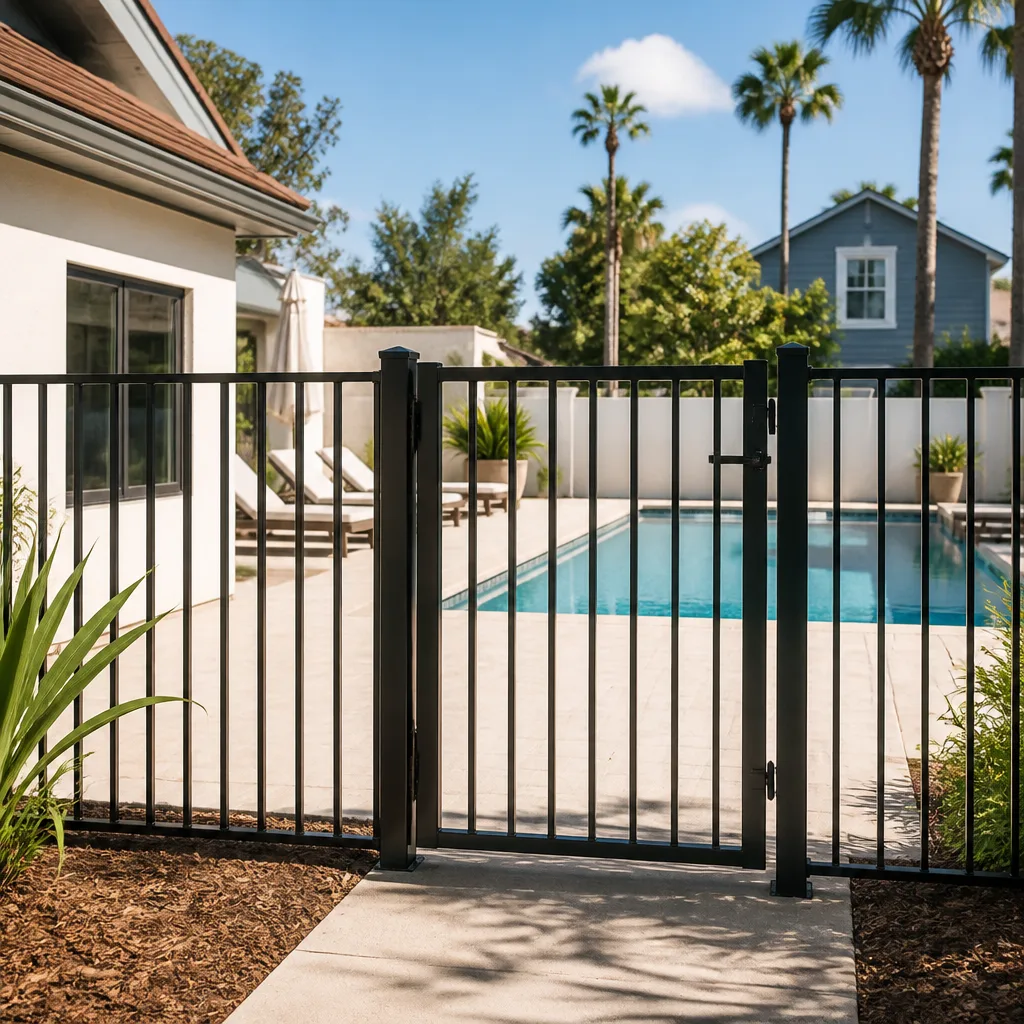
If your exterior project extends beyond doors, coordinating materials and sequencing saves you real money and mess. Our Fence Installation in Henderson work, for instance, is often scheduled alongside door and window replacements so a single crew day handles the whole envelope.
A Step-by-Step Selection Process for Henderson Homeowners
Here’s the sequence we walk homeowners through. It’s not the order the showroom will suggest, and that’s exactly the point.
- Assess orientation and shade per opening. Walk every room in the late afternoon in July and note which windows are catching direct sun. That list drives every decision below.
- Measure window-to-wall ratio on the worst-facing wall. If your west wall is over 30% glazed, consider adding architectural shade before or alongside replacement windows.
- Set your performance targets. For Henderson, that means SHGC 0.25 – 0.30, U-factor 0.30 or better, air leakage 0.3 cfm/ft² or lower, and condensation resistance in the 50s.
- Pick frame material per exposure. Fiberglass or thermally broken aluminum on full west/south; reinforced vinyl on shaded and north/east; aluminum-clad wood where premium appearance is a priority.
- Specify door hardware and sweeps explicitly. Ask for adjustable thresholds, full-perimeter weatherstrip, and reinforced sweeps on every exterior door.
- Get line-item bids that separate product, labor, flashing, and trim. Bundled lump-sum quotes hide the flashing quality that determines whether the install actually performs in Henderson.
- Confirm the install detail and warranty in writing. Any window warranty worth its paper covers thermal seal failure separately from glass breakage. Ask to see the actual install method and confirm what happens if a frame fails in year eight.
That last point is worth lingering on. Most window warranties that advertise “lifetime” coverage on the frame and glass require you to prove the failure happened under normal conditions. If your west-facing vinyl window warps in year six, whether the manufacturer covers it often depends on the install detail. Ask specifically what heat deflection standard your chosen frame is rated to and get it in writing.
What Our Brand Partnerships Deliver That Big-Box Windows Don’t
We work with a curated portfolio of manufacturer partners on our window and door projects. Andersen and Marvin are the two most common window brands we install across the Henderson market, with superior warranty terms, thicker frame walls, and a supply chain that actually supports replacement parts down the road. Whether it’s a factor worth paying for depends on your project, but there’s a real gap between box-store private-label windows and manufacturer-branded products.
Three practical differences in how brand partnerships affect your project:
- Full-system warranties. Premium brands typically warranty the frame, glass seal, and hardware as separate components under a coherent policy. Off-brand replacement windows from a box store often fall back to a shorter manufacturer warranty with a narrower scope.
- Spec transparency. When you buy from a manufacturer-branded dealer, you can see the actual NFRC-certified performance numbers for your specific unit. Cheap alternatives list generic ratings.
- Replaceability in ten years. If a door sidelight chips or a window sash needs replacement, branded products offer a path to matching parts. Many box-store lines change models every few years.
The other side of that partnership is our installation detail. Our technicians bring up to 12 years of experience on window and door installs, and every project is covered by our 730-Day Done Right Promise. If a frame warps or a seal fails inside that window, we make it right. That guarantee is backed in writing, which is a real claim in this market.
Installation Quality: Where Desert Performance Is Won or Lost
A window is only as good as the hole it’s set into. In Henderson, the two install failures we see most are improper flashing at the sill and inadequate thermal break at the rough opening. Both failures cause the same downstream issues: water intrusion during monsoon season, energy loss, and in extreme cases, structural damage to the wall cavity.
The two main install methods in this market are full-frame replacement and insert/pocket replacement. Full-frame replacement removes the existing window entirely, including the framing, and installs a new window with new flashing and sill pan. That’s the more disruptive approach but the more reliable one on older Henderson homes where the original flashing has failed. Insert replacement fits a new sash and frame inside the existing opening; it’s faster and cheaper, but the quality of the original opening’s flashing becomes the ceiling on the whole install’s performance.
For homes built before roughly 2005, we usually recommend full-frame replacement on exterior walls exposed to weather, and insert replacement is fine on interior-adjacent or protected elevations. Getting this wrong is where the desert environment turns a decent product into a bad install.
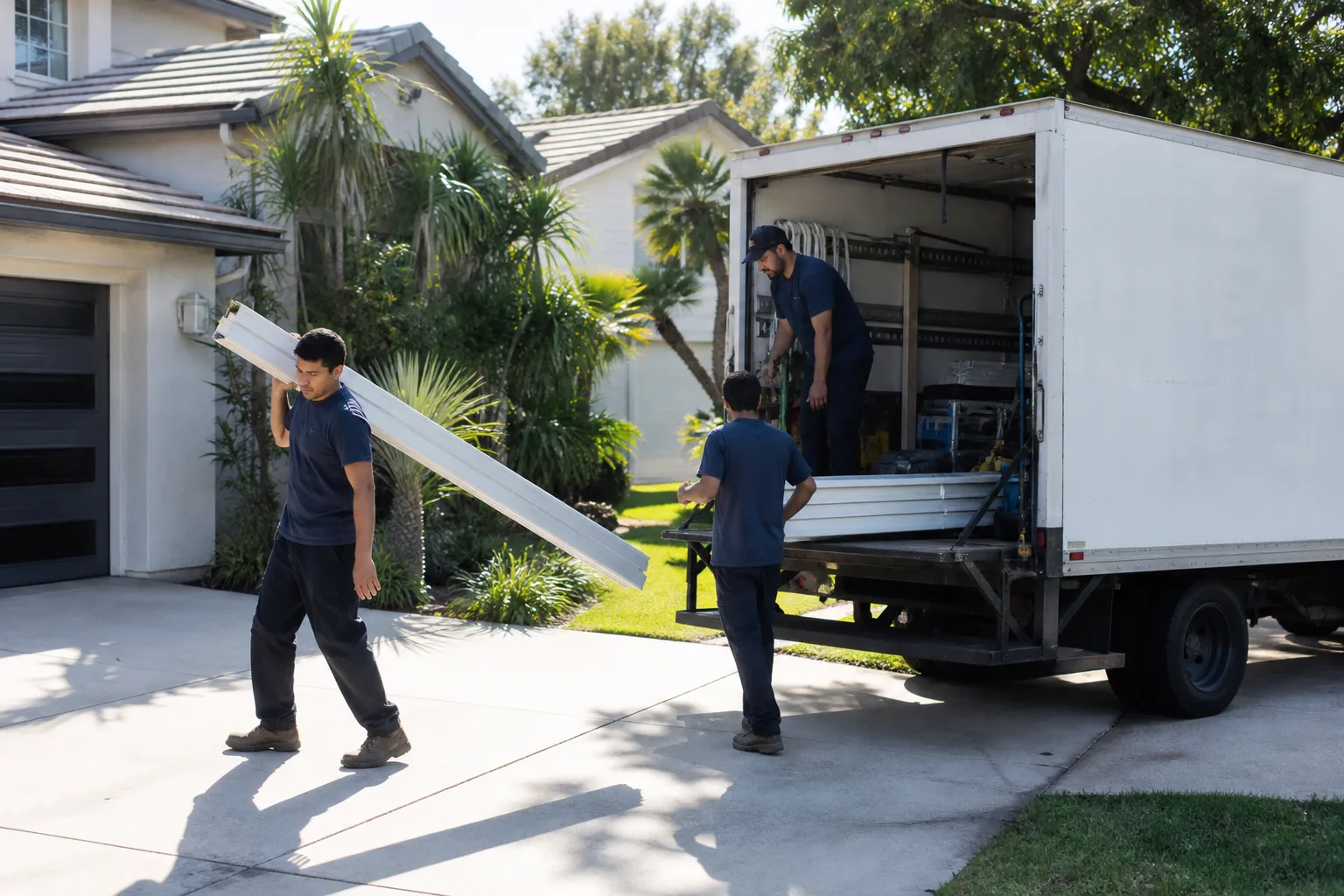
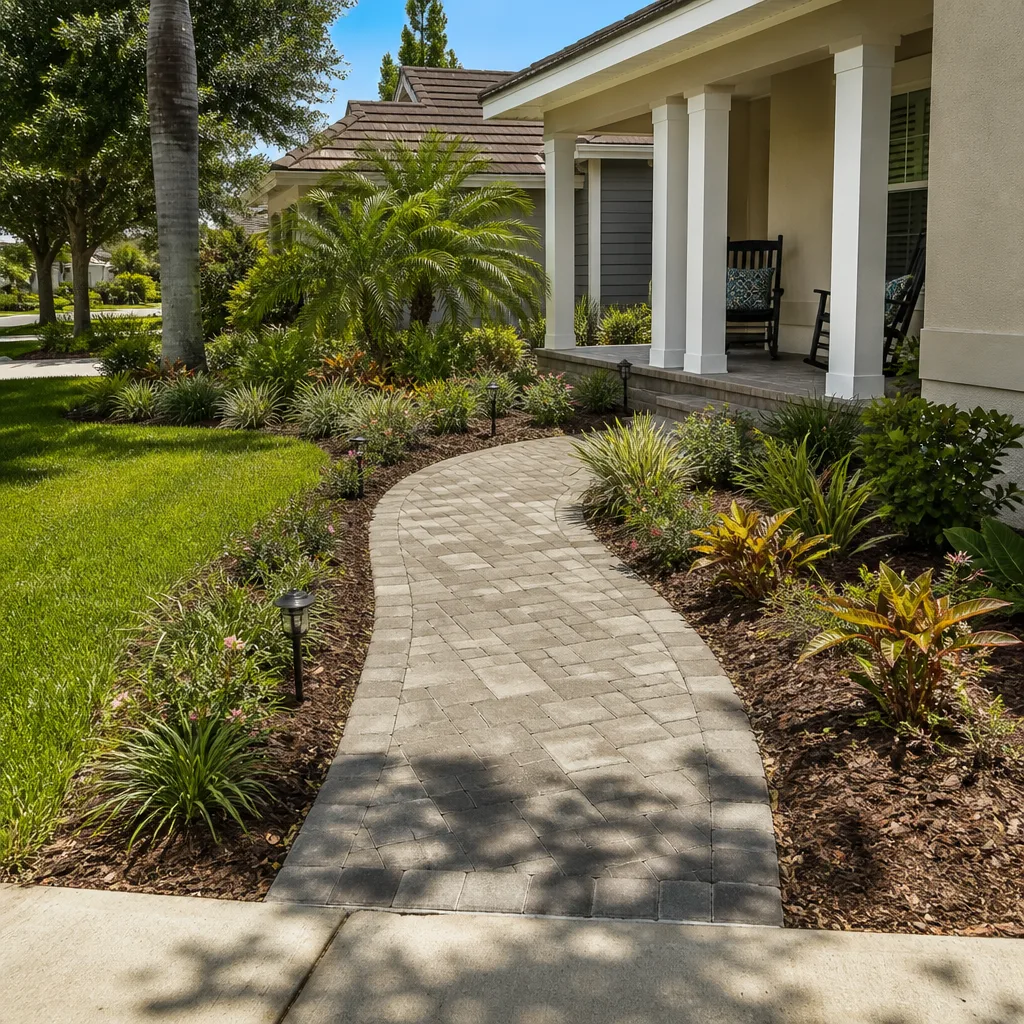
Installation logistics matter too. On Henderson homes with stucco exteriors, exterior trim integration is a real art. A window that’s flashed properly but trimmed poorly still cracks after a few thermal cycles. Coordinating the trim, stucco patch, and interior drywall return is a small part of the job by dollar value but a huge part of the perceived quality a year later. When we take on a whole-home envelope project, we coordinate windows, doors, and exterior elements together so nothing is retrofitted badly later. That often also involves thinking about the driveway approach and hardscape, which is why we offer Driveway & Pavers in Henderson as a coordinated service line.
Common Mistakes to Avoid
- Buying on ENERGY STAR label alone. An ENERGY STAR window rated for a Pacific Northwest climate is not the same product you want in Henderson. Always look at the actual SHGC and U-factor values for zone 3B, not just the certification badge.
- Putting cheap vinyl on west-facing full sun. Standard vinyl performs adequately in most of the house, but west-facing windows that take 8 hours of direct summer sun expose heat deflection limits in budget formulations. Spend the upgrade where the exposure is real.
- Ignoring the window-to-wall ratio before installation. Adding windows to a west-facing wall because “the room feels dark” can add significant summer cooling load in Henderson. We’ve seen homes where the homeowner’s first complaint post-install is a higher summer AC bill.
- Skipping the full-frame vs. insert decision. Not every opening needs full-frame replacement, but choosing insert replacement purely on price on a 25-year-old stucco home is how you get water intrusion in the first monsoon after install.
- Not specifying an adjustable threshold on exterior doors. Henderson dust finds gaps in fixed thresholds fast. Adjustability is a small upgrade that saves years of drafts and sweep replacements.
- Buying the cheapest door sweep on the shelf. Cheap vinyl sweeps wear within a season in a dusty environment. Silicone or reinforced brush sweeps last materially longer and cost a few dollars more.
- Skipping the warranty conversation. Any window warranty that doesn’t separate glass seal failure from accidental breakage is a gap in your coverage. Get the actual terms in writing before signing.
See the difference
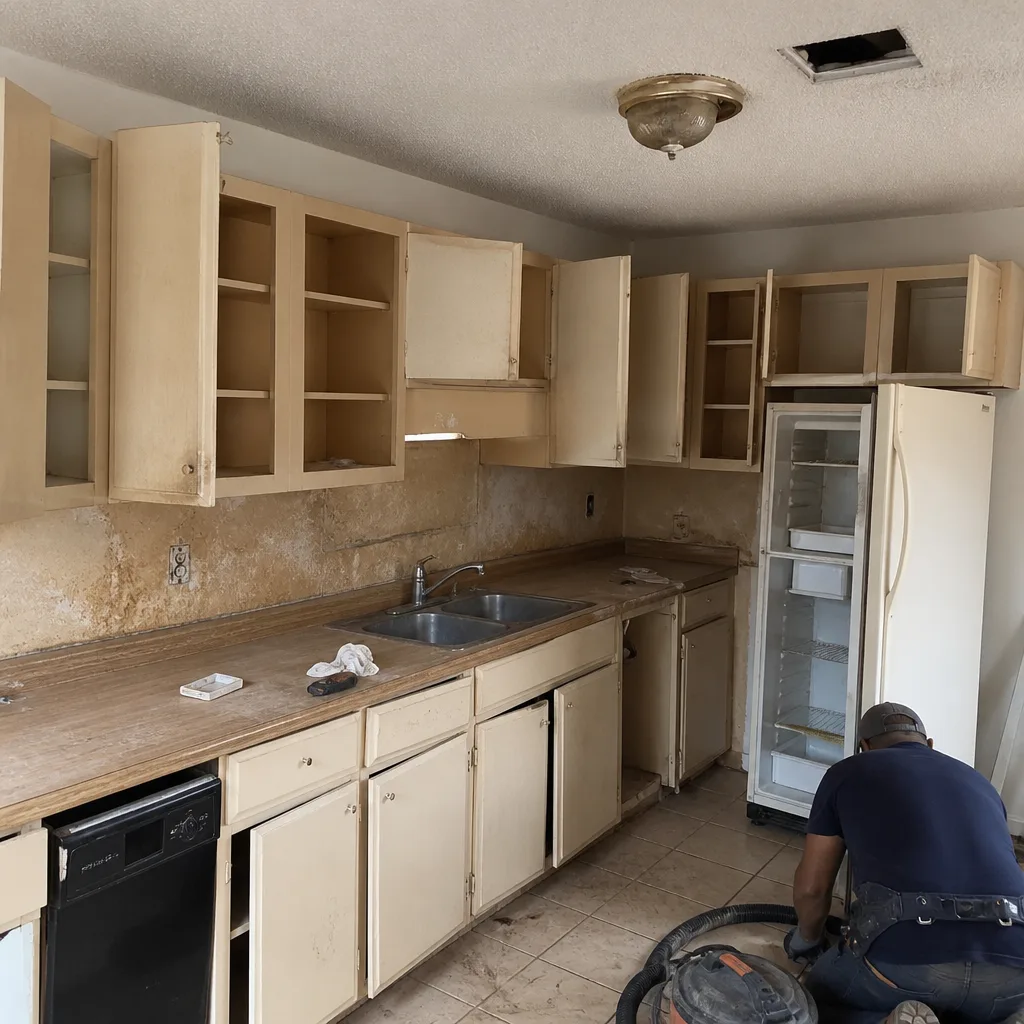 Before
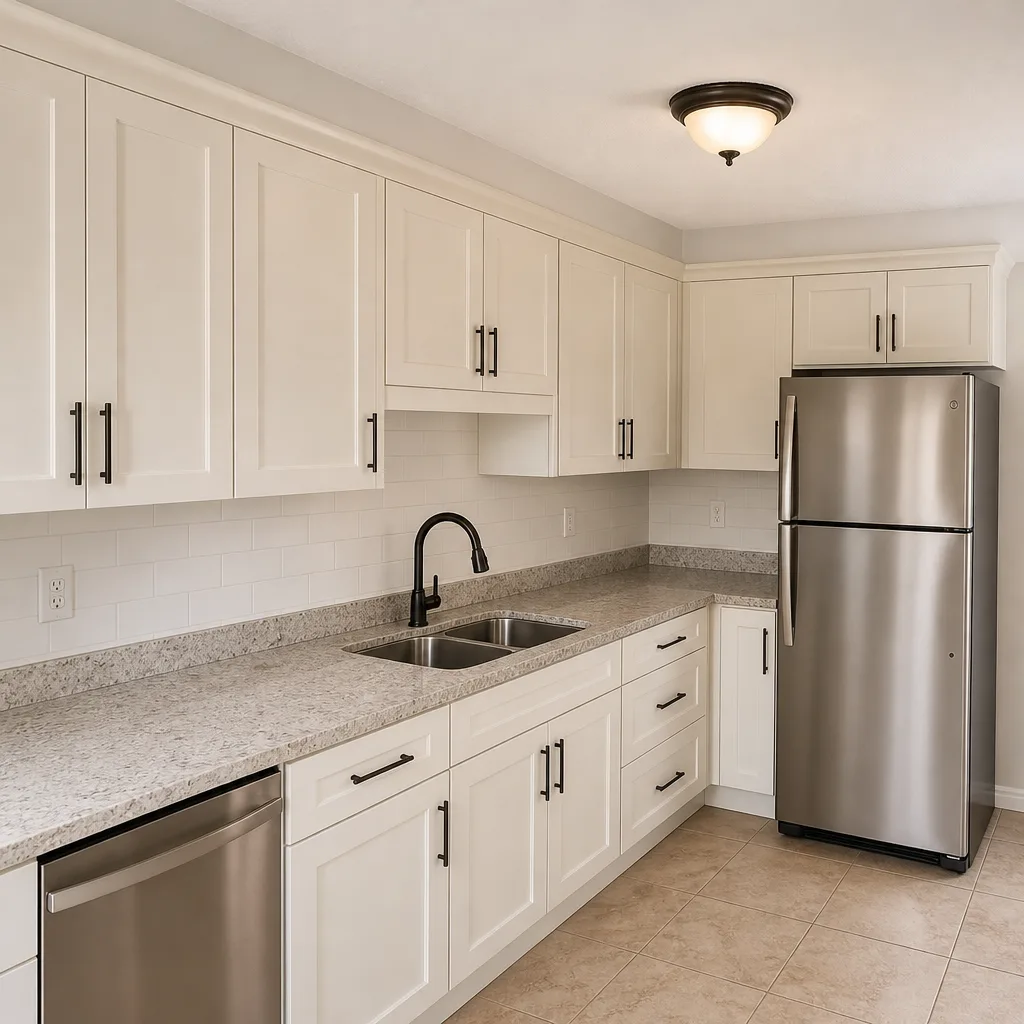 After
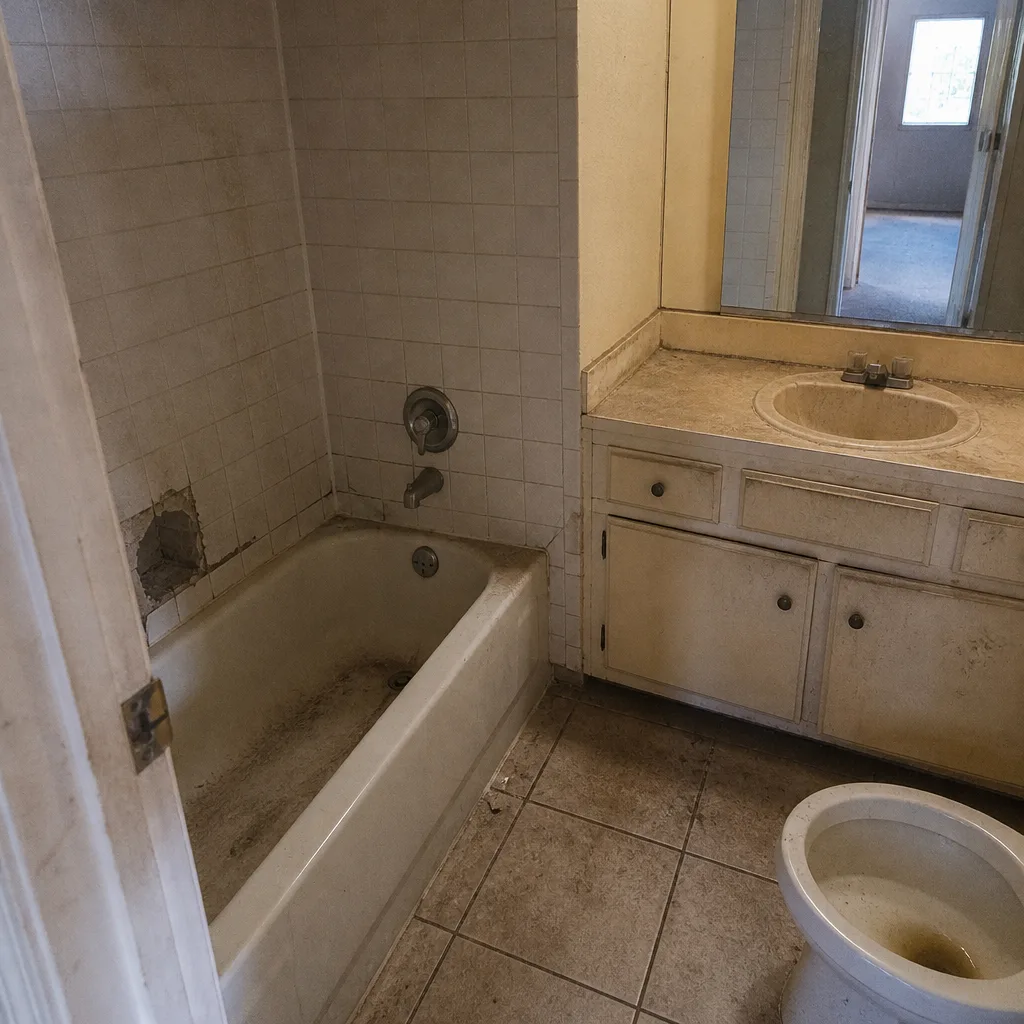 Before
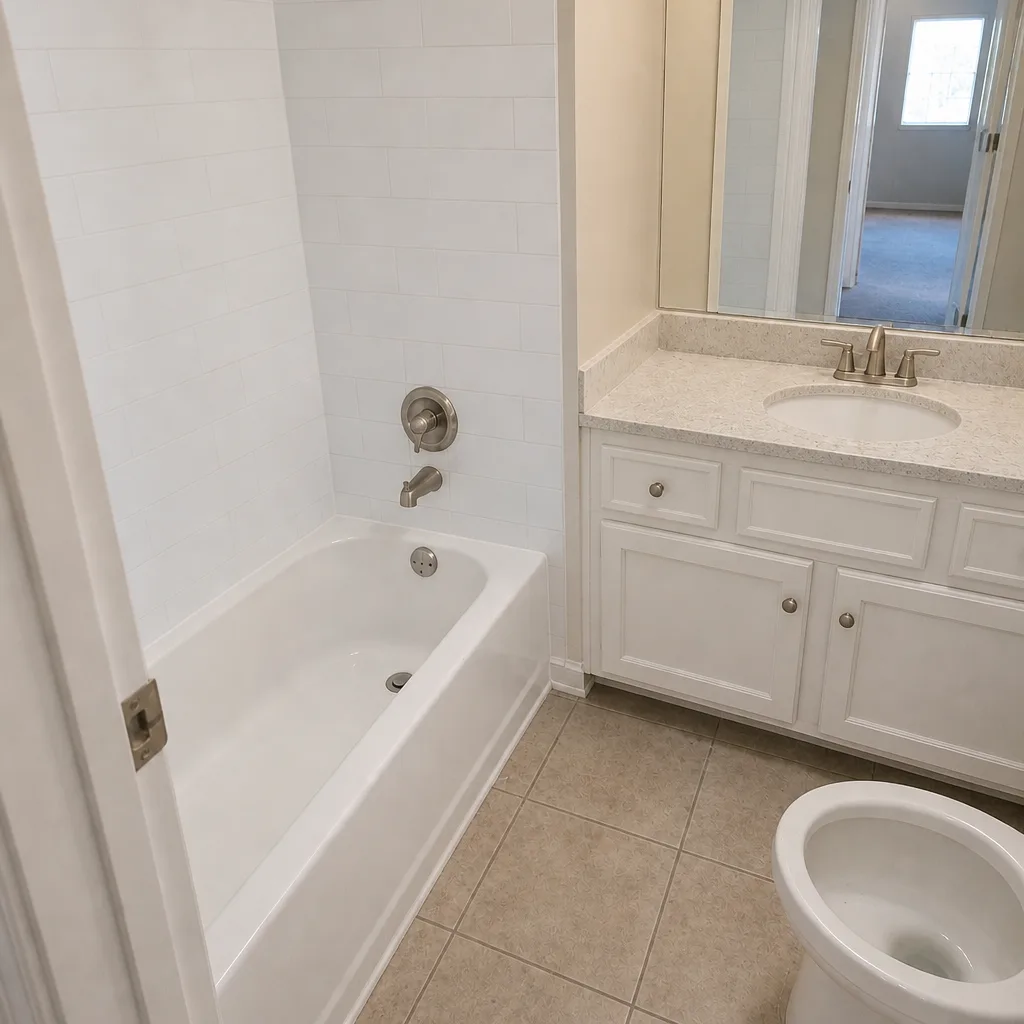 After
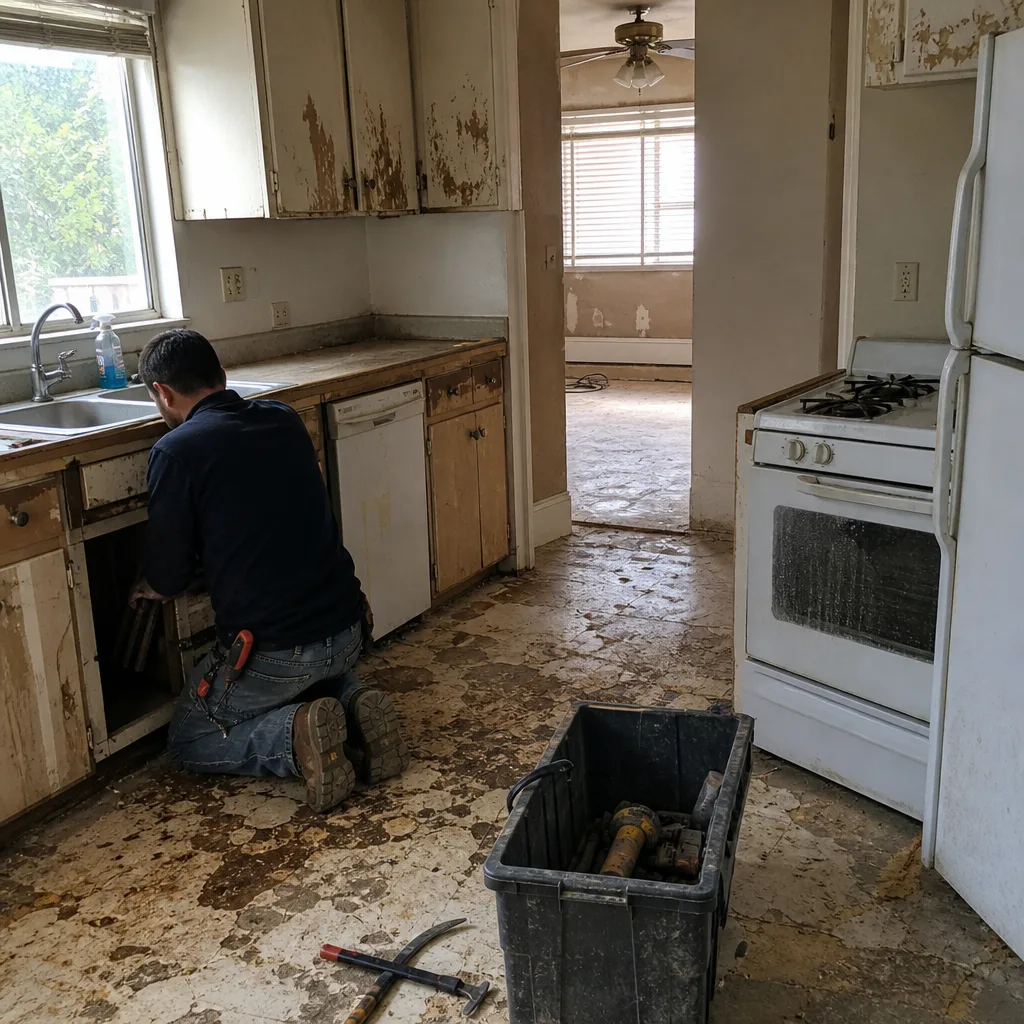 Before
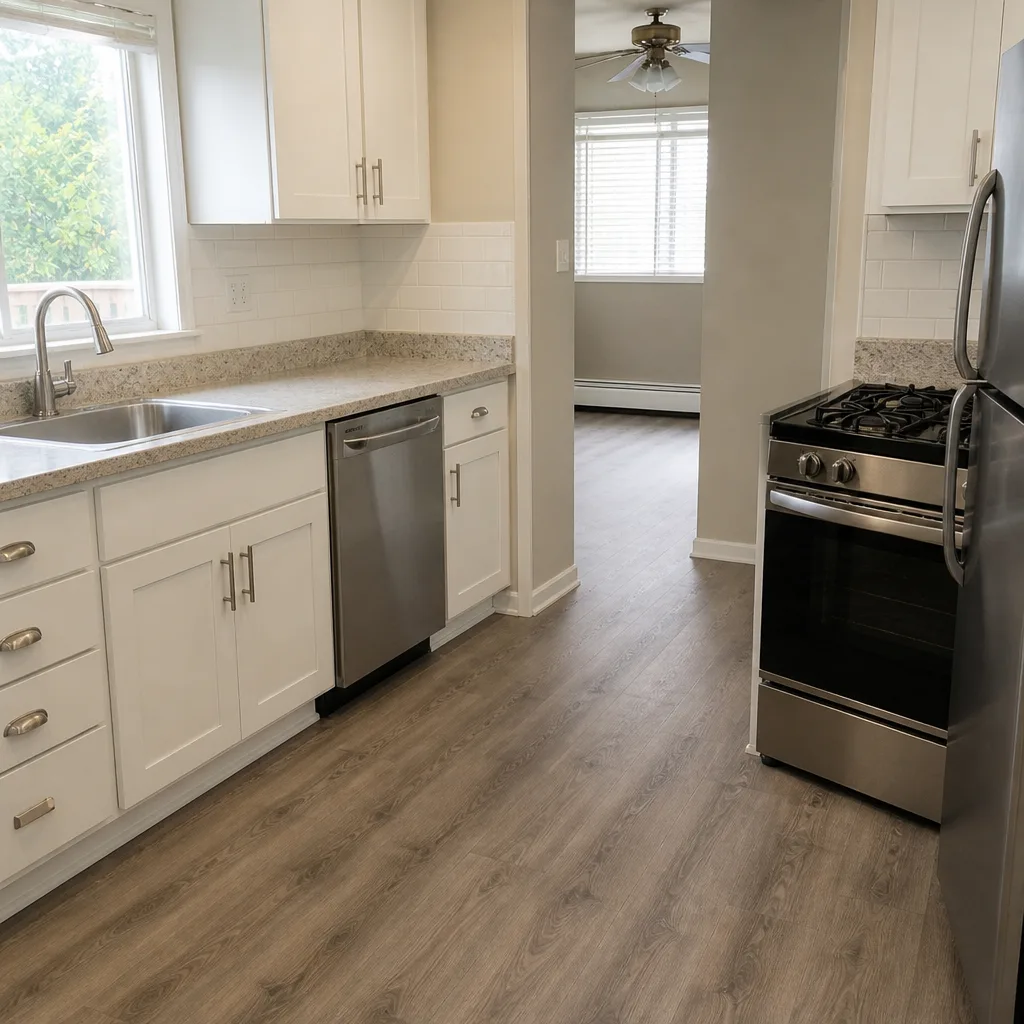 After
When to Call a Professional
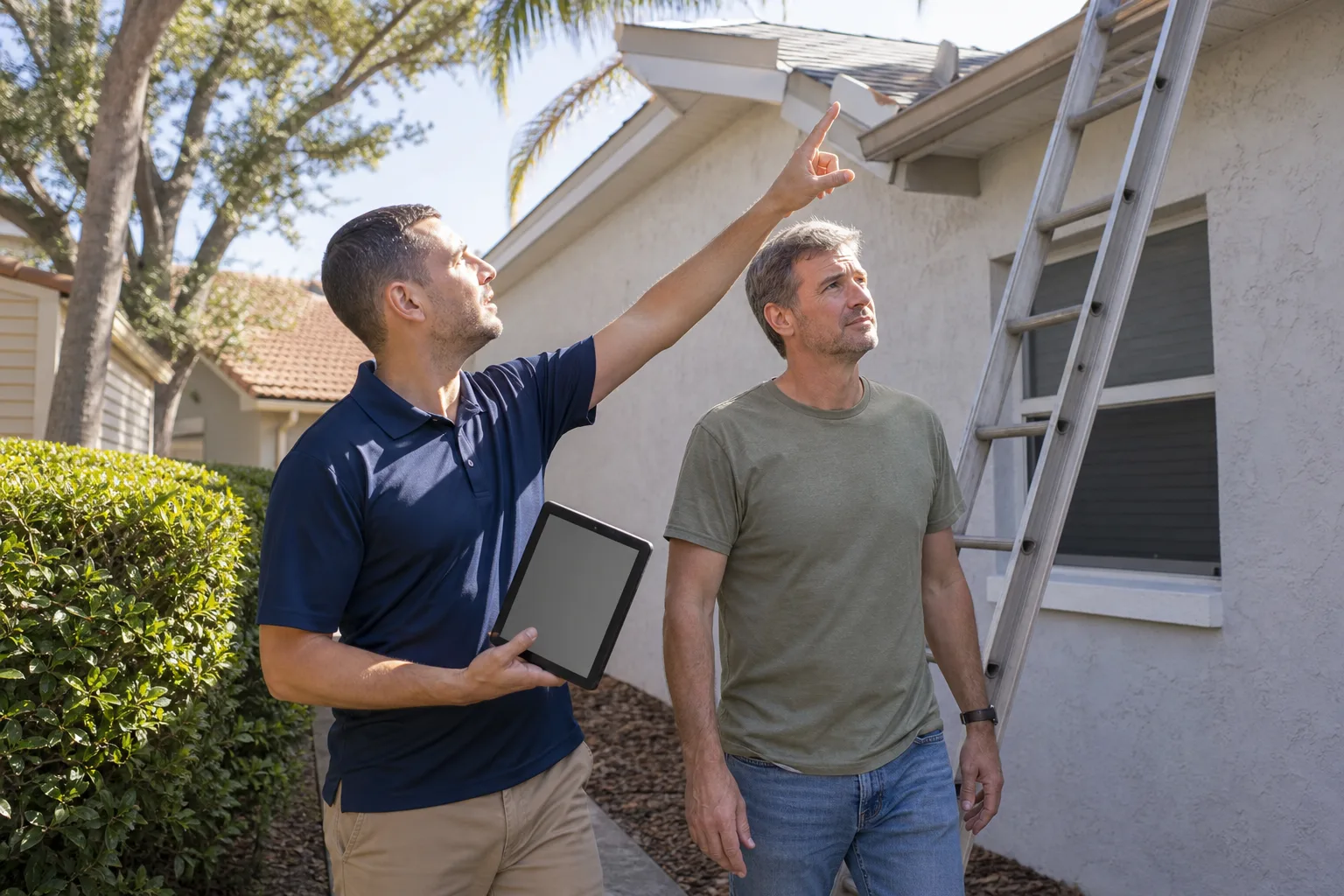
Window and door work spans a wide range. Replacing a single sash on a well-sealed, relatively new window is usually a self-install. But the moment you’re working with stucco on a Henderson home, your rough opening’s original flashing is unknown, or your west-facing window is warping, it’s time for a trained professional. Poor install detail in this climate turns a premium product into a fogged, leaking window within a single monsoon cycle. Groundwork Construction Co. of Henderson offers free estimates in Henderson, with line-item written pricing and a full-scope approach. Our crews show up with background-checked technicians in uniform and a warranty that actually guards your investment. Call (844) 320-6757 to schedule your estimate.
Frequently Asked Questions
Window replacement for Henderson homes typically runs $450 to $1,100 per window installed, depending on size, frame material, and glass specs. Full-frame replacement with correct flashing and stucco integration pushes toward the higher end; insert replacement is often $100 to $250 lower per window. Exterior entry doors typically run $1,200 to $3,500 installed depending on material (fiberglass, steel-core, aluminum-clad). Patio sliders or French doors run $2,500 to $6,000 installed. Call (844) 320-6757 for a written line-item quote on your specific openings, free of charge.
For climate zone 3B, target SHGC of 0.25 or lower on west- and south-facing glass, U-factor of 0.30 or better, and visible transmittance in the 0.40 – 0.60 range. Those targets hold whether you’re working with vinyl, fiberglass, or aluminum-clad wood. Call (844) 320-6757 if your window rep can’t produce the actual NFRC-certified numbers for the model they’re selling you.
Not always. Fiberglass is the strongest choice for full west and south exposure because it holds shape under sustained 110°F+ sun and has lower thermal expansion. Reinforced vinyl performs well on north and east exposures and costs less. Aluminum-clad wood is a premium choice for high-end whole-home projects where aesthetics matter. Call (844) 320-6757 to talk through the exposures in your specific home.
In Henderson’s dust environment, expect 3 to 6 years from a standard vinyl sweep; silicone or reinforced brush sweeps can last longer. Once the sweep develops visible gaps or you feel air moving past the bottom of the door, it’s not just a comfort issue; it’s an entry point for dust and insects. Call (844) 320-6757 if you need the door and threshold assessed and upgraded in a single visit.
Yes to both. Andersen and Marvin windows and doors carry their own manufacturer warranties on frames, glass, and hardware as separate components. Our workmanship is covered by our 730-Day Done Right Promise; if it’s not done right, we make it right. Call (844) 320-6757 to review the specific terms for the products you’re considering.
Yes, but the amount depends on what you’re replacing. Moving from single-pane to a properly specced low-E double-pane window in this climate typically yields a meaningful reduction in summer cooling costs, while moving between two decent double-pane windows yields much less. West- and south-facing glass gives you the best return per dollar spent. Call (844) 320-6757 for an estimate and a walkthrough of which windows in your home will yield the biggest bang.
How long does a window and door replacement project take in Henderson?
A single-window replacement is typically a same-day job. Full-frame replacement of a whole home runs 3 to 6 working days depending on the size of the home, the number of openings, and whether stucco patching and trim work is included. Exterior entry door replacement is typically a one-day install when the door arrives prepped. We confirm timing in the written scope before work starts.
Yes. Window and door replacement in Clark County generally requires permits when it involves changing the size of the opening or structural changes; like-for-like replacement may not. We pull the permits that apply to your scope and pass inspections. Call (844) 320-6757 if you’d like to know where your specific project lands on the permit question.
The Bottom Line
Windows and doors in Henderson need to be chosen for the desert, not the national average. Prioritize SHGC and U-factor targets built for climate zone 3B, match frame material to exposure (fiberglass or thermally broken aluminum on hard west/south faces, reinforced vinyl elsewhere), and specify door sweeps and thresholds that can handle the dust. Get orientation and window-to-wall ratio sorted before you pick a frame color. Then insist on full-frame or insert replacement chosen for the actual state of your opening, not just the price, and get the install method and warranty terms in writing. Groundwork Construction Co. of Henderson handles the whole project with written line-item pricing, background-checked and uniformed technicians, brand partnerships with Andersen and Marvin, and the 730-Day Done Right Promise behind every install. Call (844) 320-6757 to schedule your free estimate and design consult, and ask about 0% financing for 18 months and $1,000 off projects over $10,000. If your project grows into a larger addition, our Home Additions & ADU in Henderson team coordinates with window and door replacement so your envelope and structure move together.
Written by the team at Groundwork Construction Co. of Henderson.