Free written scope consultation - allowances, timeline, and change-order rules on paper before a single trade is scheduled
ADU Site Prep & Utilities in Paradise, NV: What the Job Actually Involves
Site prep and utilities for an ADU in Paradise, NV runs $45,000 – $130,000 as part of the larger build, and that line item covers grading, trenching for water, sewer and power, and getting the pad inspection-ready. Most of this work happens in the first two to four weeks before any framing starts, and it’s the stage that decides whether the rest of your schedule holds. Call (844) 320-6757 and we’ll walk your lot and give you a written number.
Paradise isn’t a subdivision. It’s the unincorporated corridor wrapped around the Strip, where condo towers, apartment complexes and resort support buildings sit shoulder to shoulder with a shrinking stock of single-family lots. That means an ADU here lives or dies on access and utility routing, not on how pretty the plan looks. We’ve learned to scope that first.
How We Run Site Prep and Utility Work, Stage by Stage
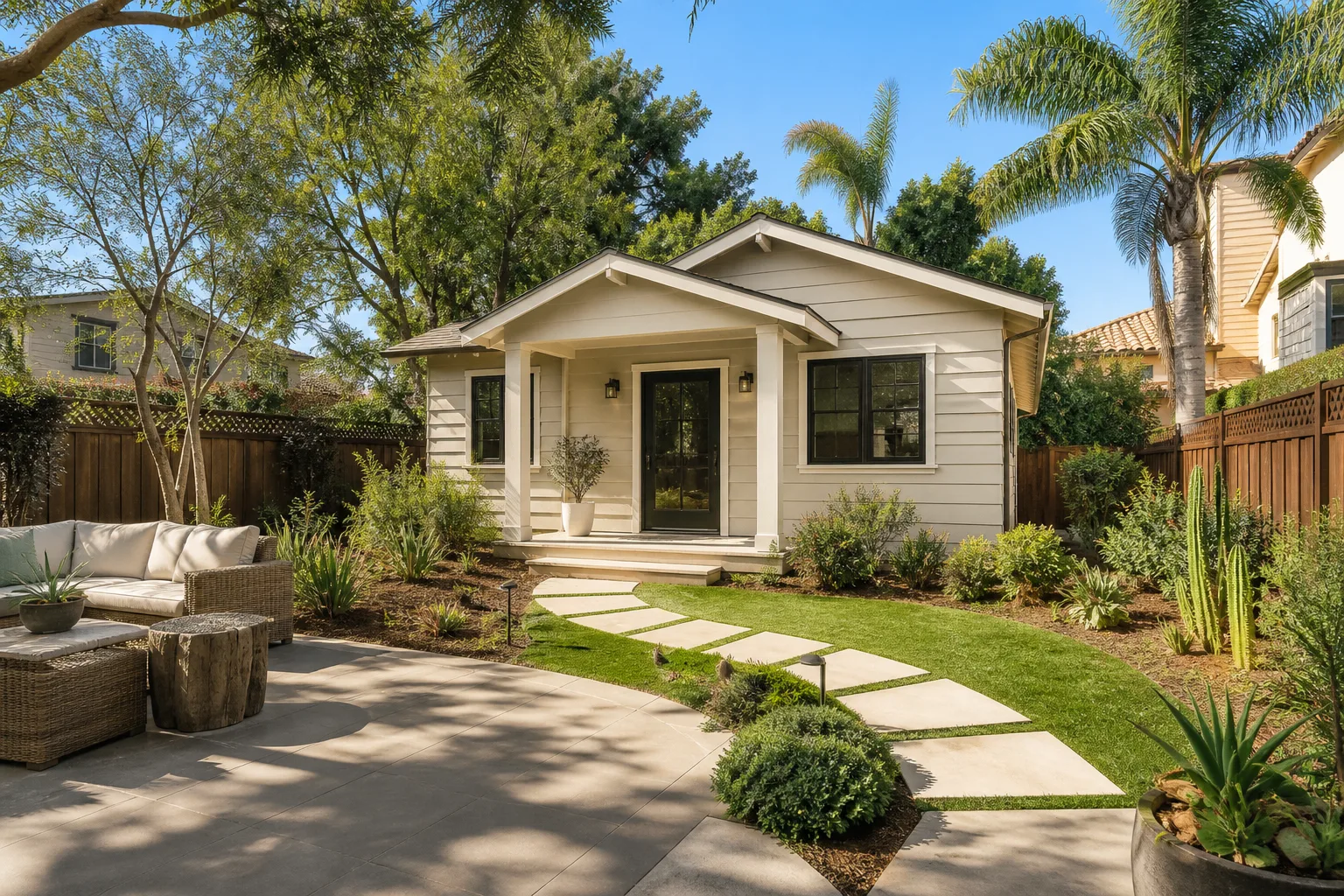
This is the sequence we hold to on Paradise ADU projects, with rough durations for a typical lot. Every stage has a decision you’ll be asked to make before we move forward.
Stage 1: Site walk and utility locate (day 1, about 2 hours)
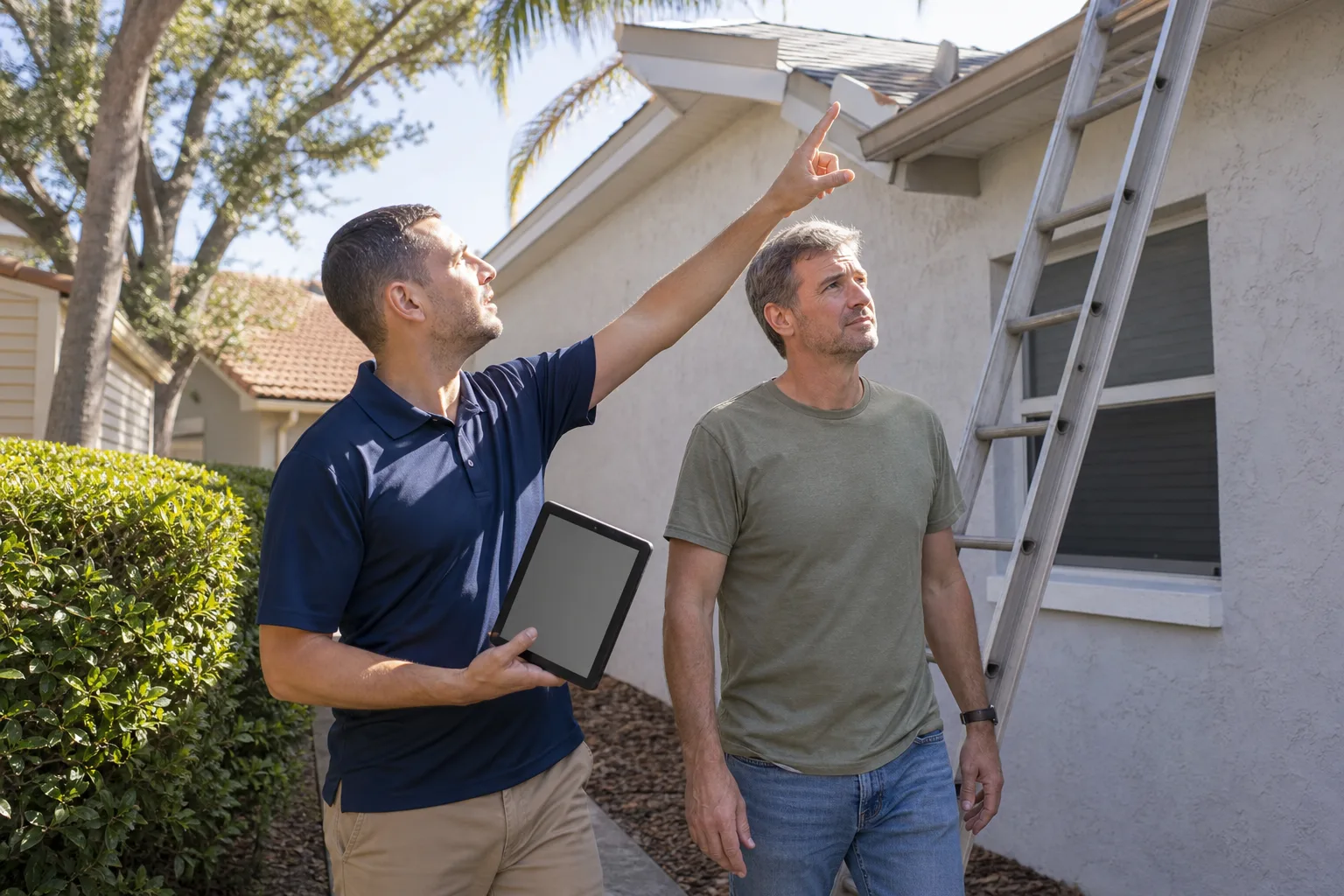
We mark the build envelope, call in the 811 locate for existing lines, and shoot grades. You decide the final ADU footprint and the utility entry point on the structure. If your lot sits behind a shared drive or under a condo association’s common area, we identify that now, because it changes everything downstream. We finish with a written scope so the number you see is the number you pay.
Stage 2: Demolition and clearing (days 1 – 2)
Anything in the footprint comes out: old slab, pavers, a dead tree, a fence section. On tight Paradise lots this often means hand work instead of machine work because there’s no room to swing a bucket. You’ll decide whether salvaged concrete gets hauled or crushed on site for base. Crushing saves haul cost but adds a day.
Stage 3: Grading and pad prep (days 3 – 5)
We cut and fill to grade, compact in shallow lifts, and form the pad. Desert soil here is caliche-heavy in spots, and that stuff doesn’t dig like sand. If we hit a hardpan layer where the sewer line wants to run, we switch to a different trench path or bring in a breaker. You’ll see that cost in the estimate up front rather than as a change order. Most pads get poured in a single early-morning placement because of the heat.
Stage 4: Trenching and utility rough-in (days 6 – 12)
Water, sewer, gas if you’re running it, electrical conduit and low-voltage all get trenched and laid in the same window. Sewer needs fall, so the trench depth is set by where the main connects, not by preference. We pressure-test the water line and video the sewer before backfill. You decide whether to stub a future outdoor kitchen line or an EV circuit while the trench is open. Cheap now, expensive later.
Stage 5: Inspection and backfill (days 12 – 15)
Clark County inspects the underground work before it disappears. On corridor-adjacent properties the fire and life-safety review can add a few days to the calendar, so we schedule the inspection the day the trench closes. After sign-off we backfill, compact and leave the site clean. Most jobs hit this stage in about two weeks.
Styles & brands we work with
- Kitchen remodeling
- Bathroom remodeling
- Home additions & ADU
- Roofing
- Windows & doors
- Driveway & pavers
- Fence
The Choices You’ll Actually Make on This Job
Site prep isn’t a single product, but several decisions materially change what you pay and how the ADU behaves for years. Here’s the honest trade-off on each.
- Utility trench depth: A deeper run costs more in excavation and backfill but survives settling and future landscaping better. Shallow is cheaper up front and the wrong move in caliche-heavy ground.
- Sewer routing: Gravity lines are the default and cheapest to maintain. A lift pump is sometimes the only option on a flat lot with a distant main. It works, but it’s a machine that will eventually need service.
- Electrical service: A dedicated meter for the ADU gives tenants their own bill and is the honest choice for a rental. A subpanel off the main house is cheaper and simpler. Pick based on how you’ll use the unit.
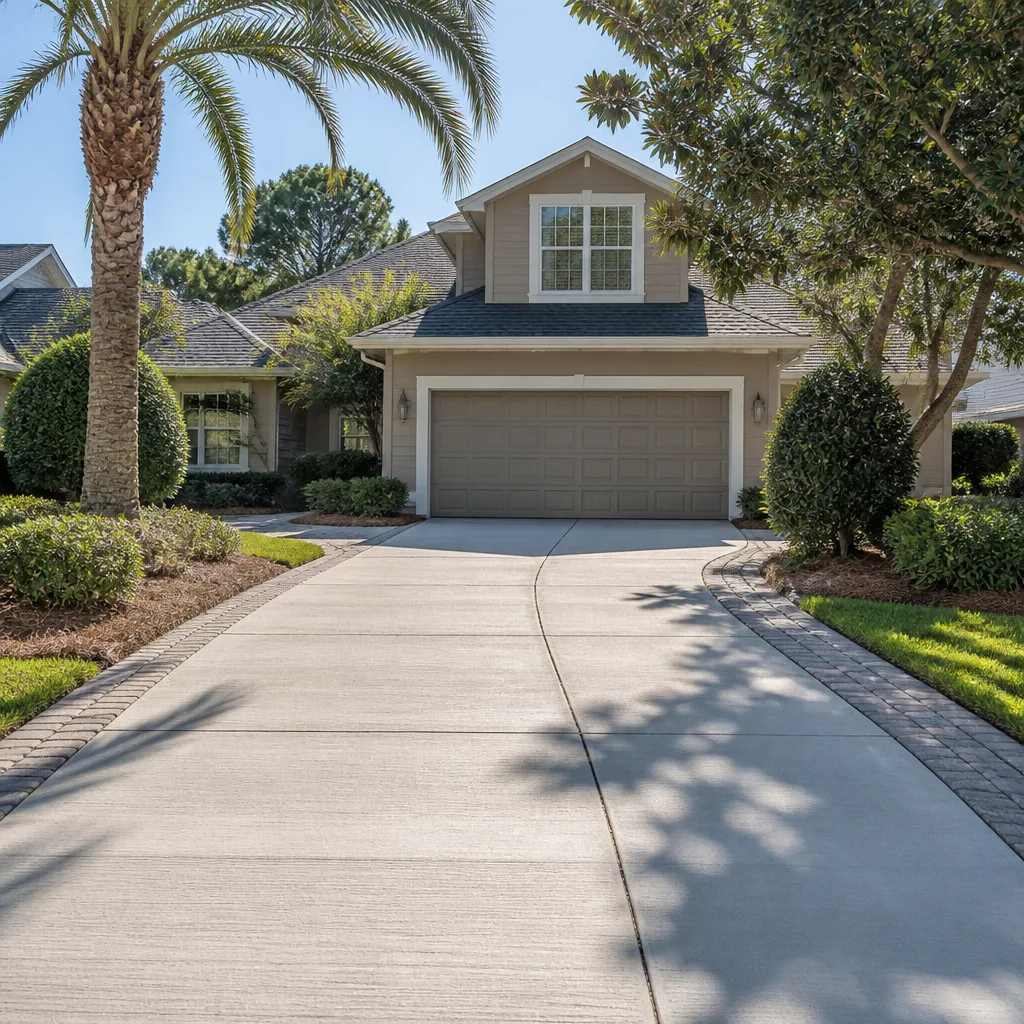
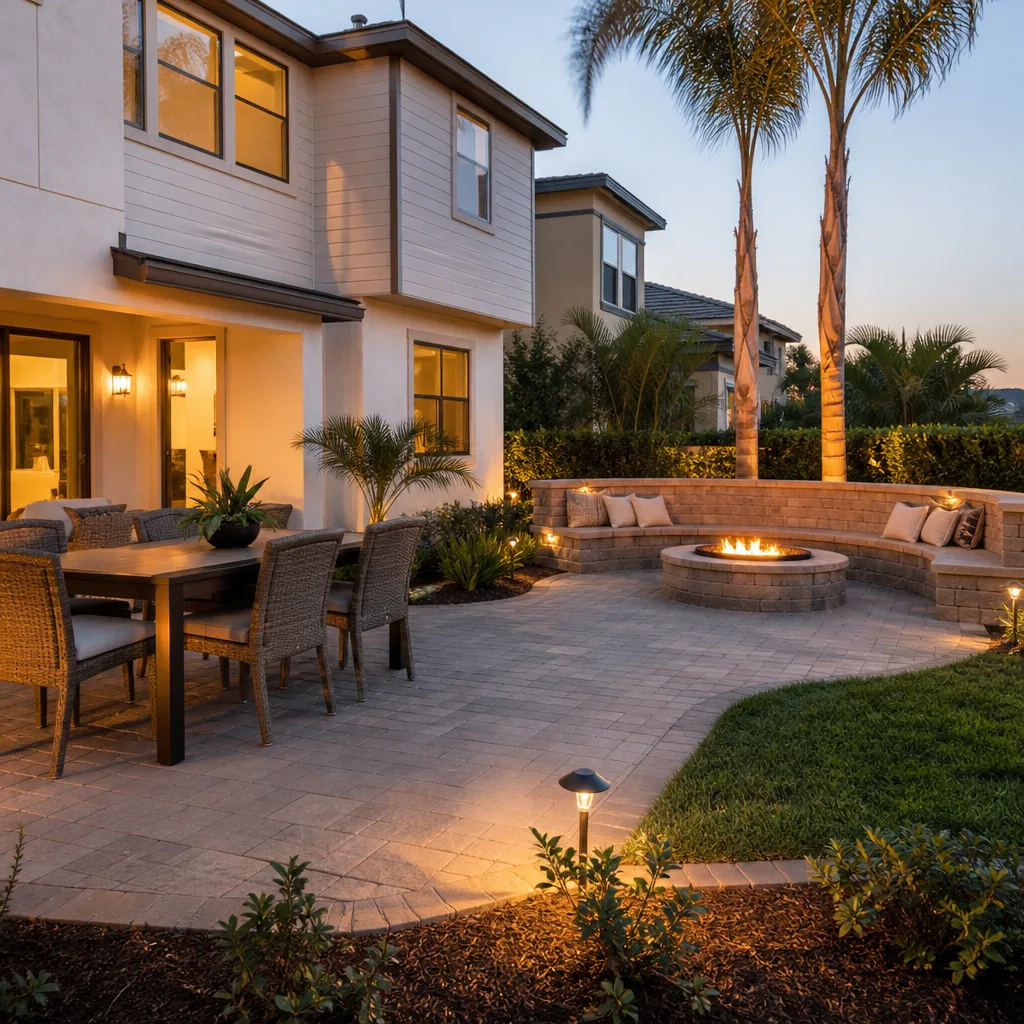
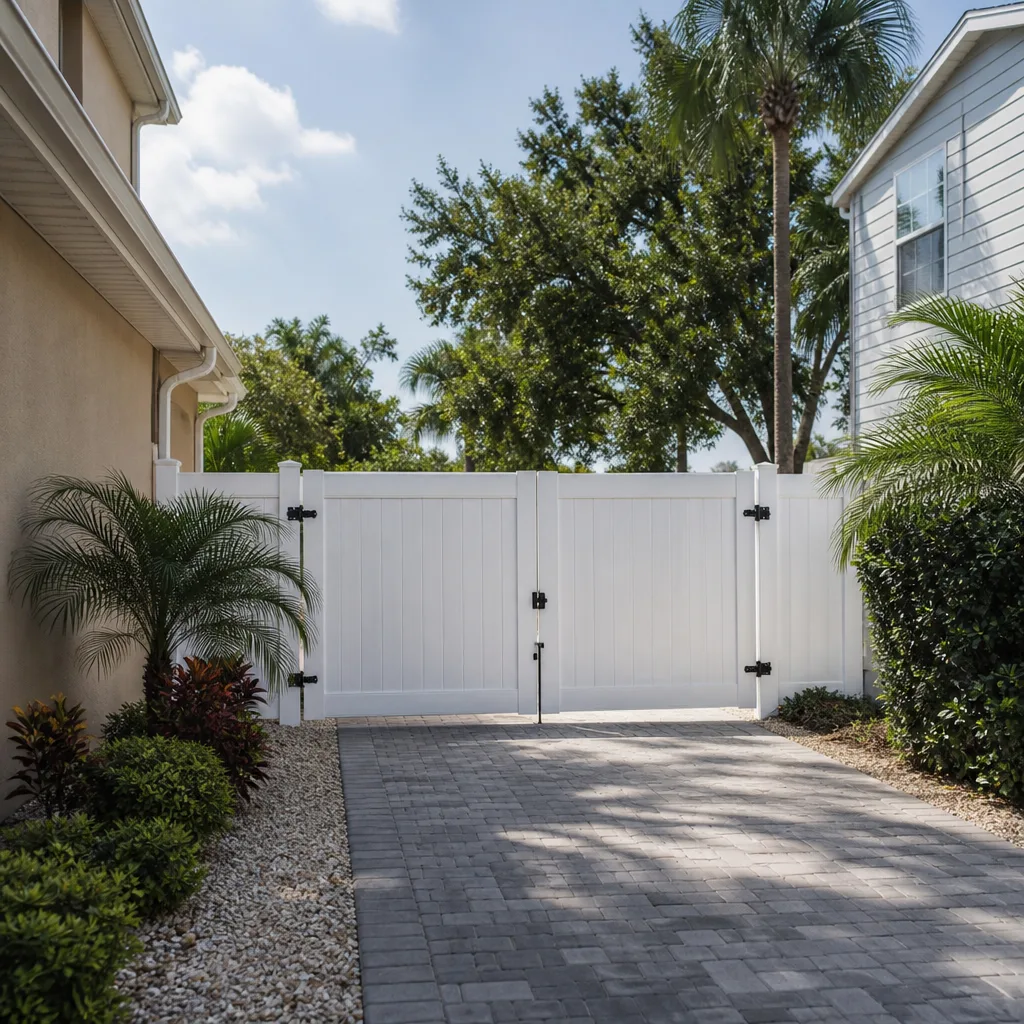
- Pad and driveway material: Concrete is the standard and holds up in the heat. Pavers cost more and look sharper, especially when they tie into the main house. Homeowners often pair this with Concrete Driveways & Concrete Work in Paradise when the access route needs rebuild anyway.
- Water line and irrigation: A dedicated line with its own shutoff at the meter lets you isolate the ADU during repairs. Sharing the main house line is cheaper and creates headaches later.
What ADU Site Prep & Utilities Costs in Paradise, NV
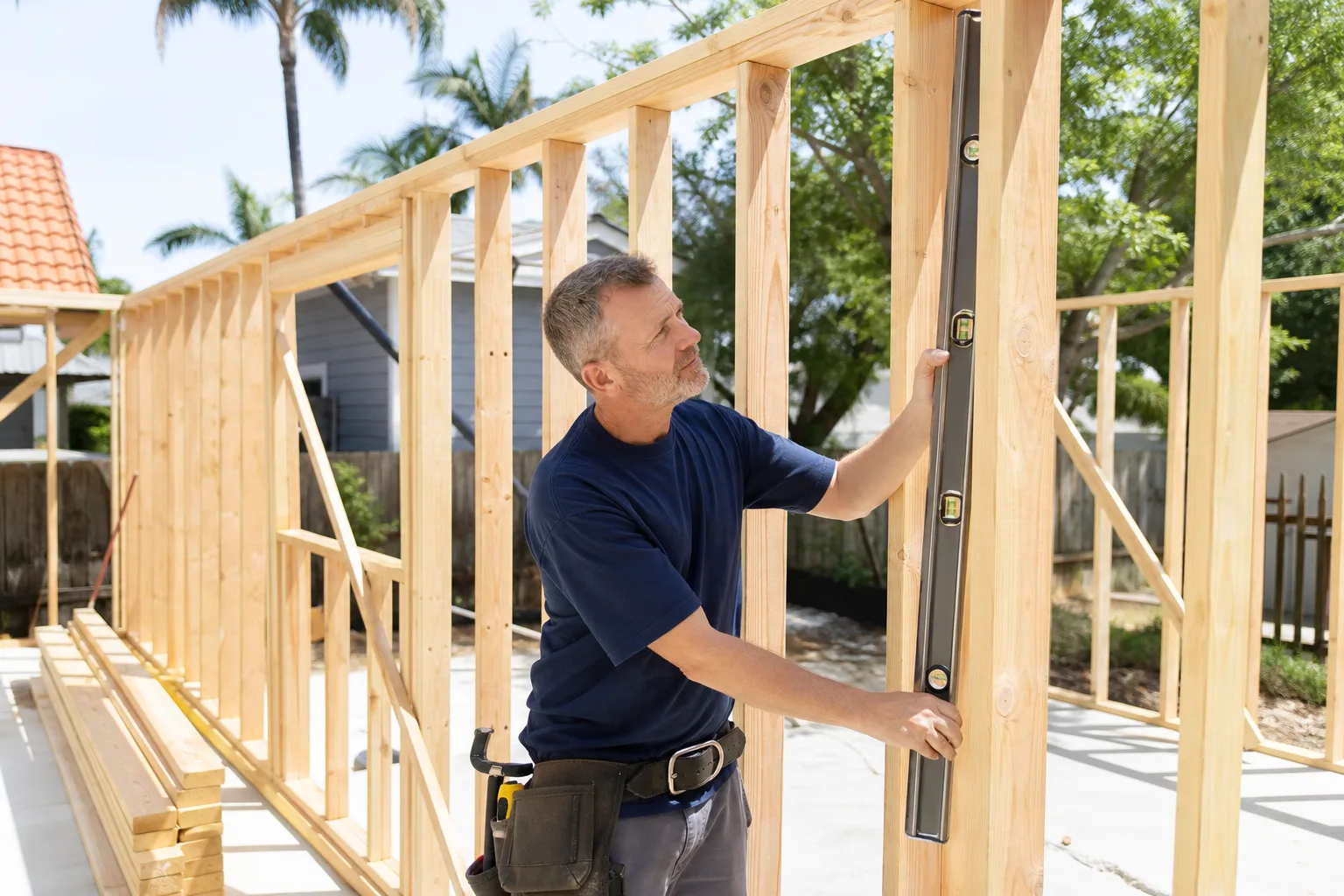
Expect $45,000 – $130,000 for site prep and utilities on a Paradise ADU, with most single-lot jobs landing in the $55,000 – $85,000 band once the footprint is settled. Five things push you toward the top of that range:
- Lot access. A rear lot with alley load or a shared drive costs more in hand excavation and haul time. Tighter the access, higher the number.
- Utility distance. Every foot between the ADU and the main connection adds trench, conduit and material. A main at the street vs. at the house can swing the job by tens of thousands.
- Existing conditions. Older slabs, buried utilities that aren’t where the drawings say, or a surprise tree root mass all add demo and re-route costs.
- Permit scope. A standard residential underground permit is one track. Corridor-adjacent or fire-life-safety review adds time and fees.
- Material grade. Concrete pad, trench, conduit and pipe spec all move the number. We write them line by line so nothing hides.
A written estimate from us includes excavation, haul, grading, pad pour, trenching, utility rough-in, inspection coordination and backfill. It doesn’t include the above-ground ADU structure, finish plumbing or finish electrical. For those, see our Home Additions & ADU in Paradise page. That’s the wider scope; this is the groundwork.
See the difference
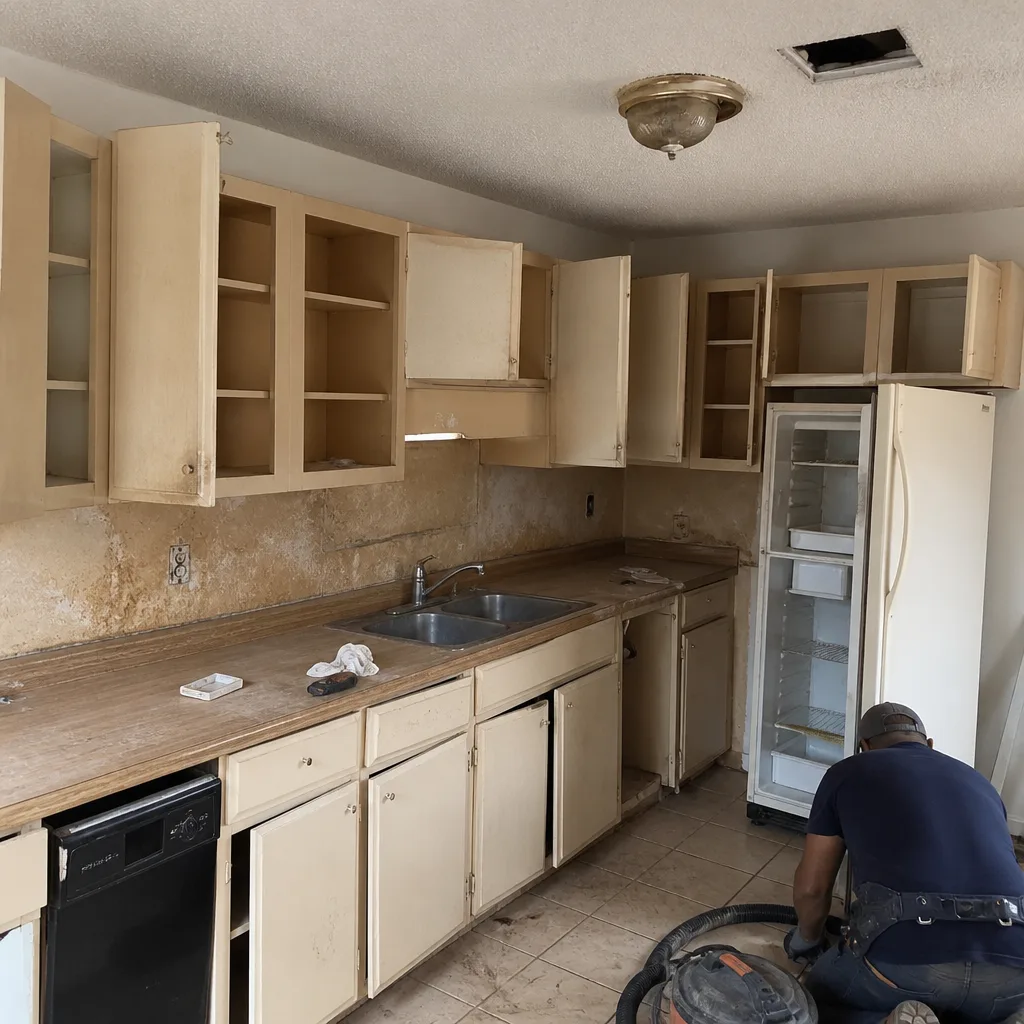 Before
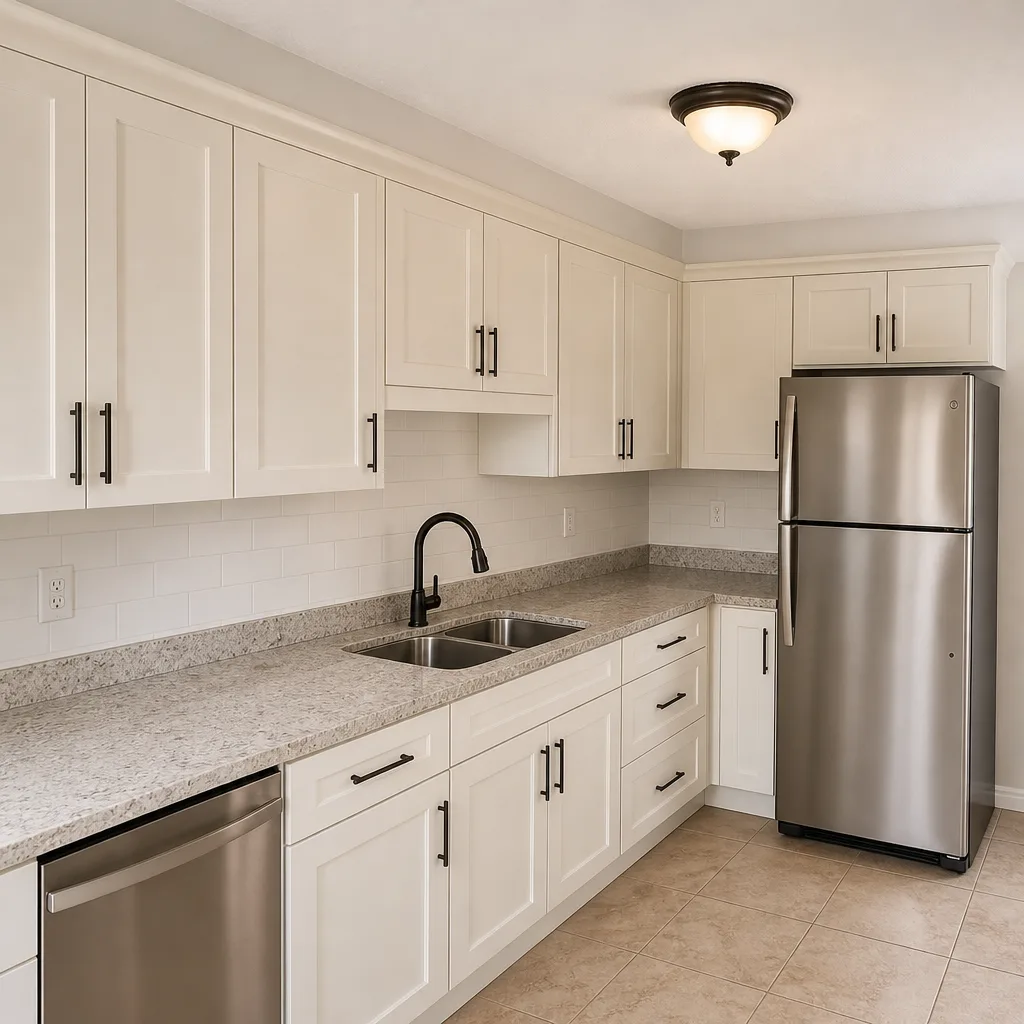 After
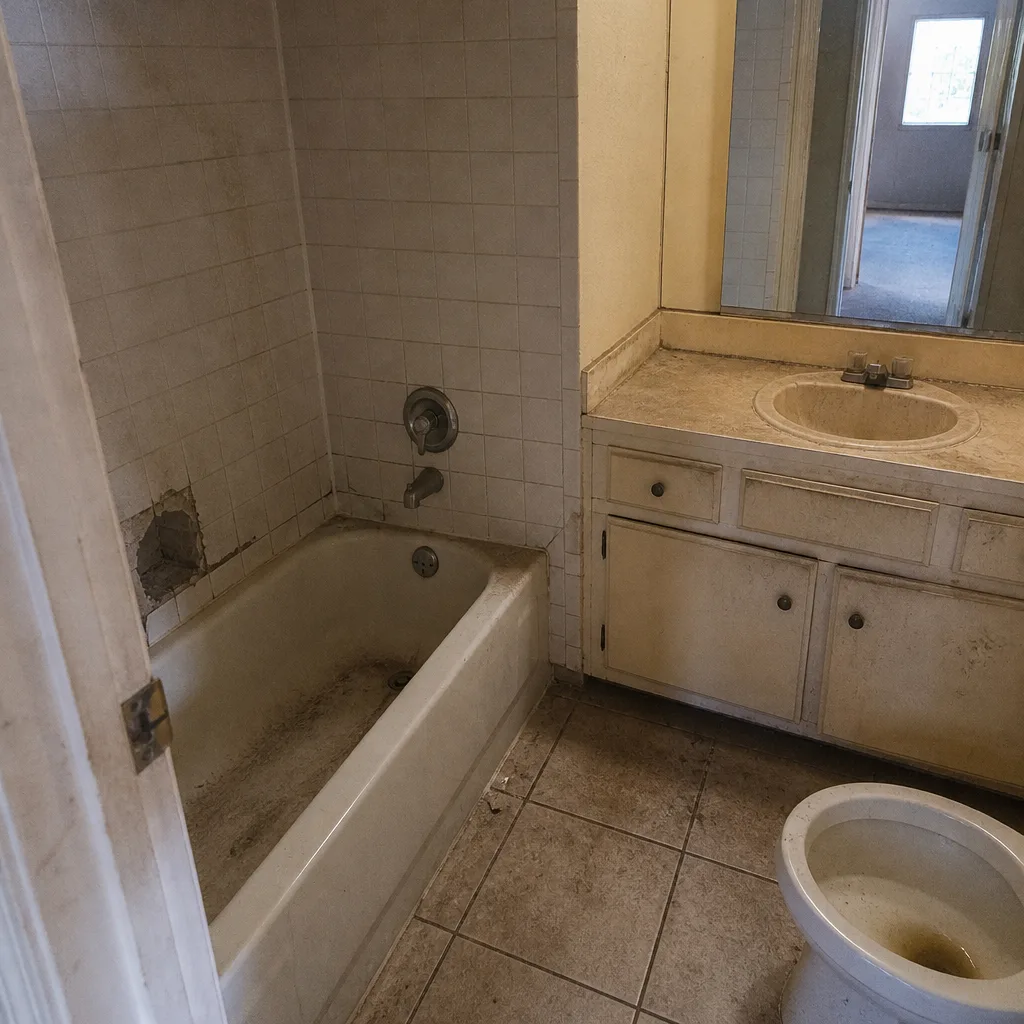 Before
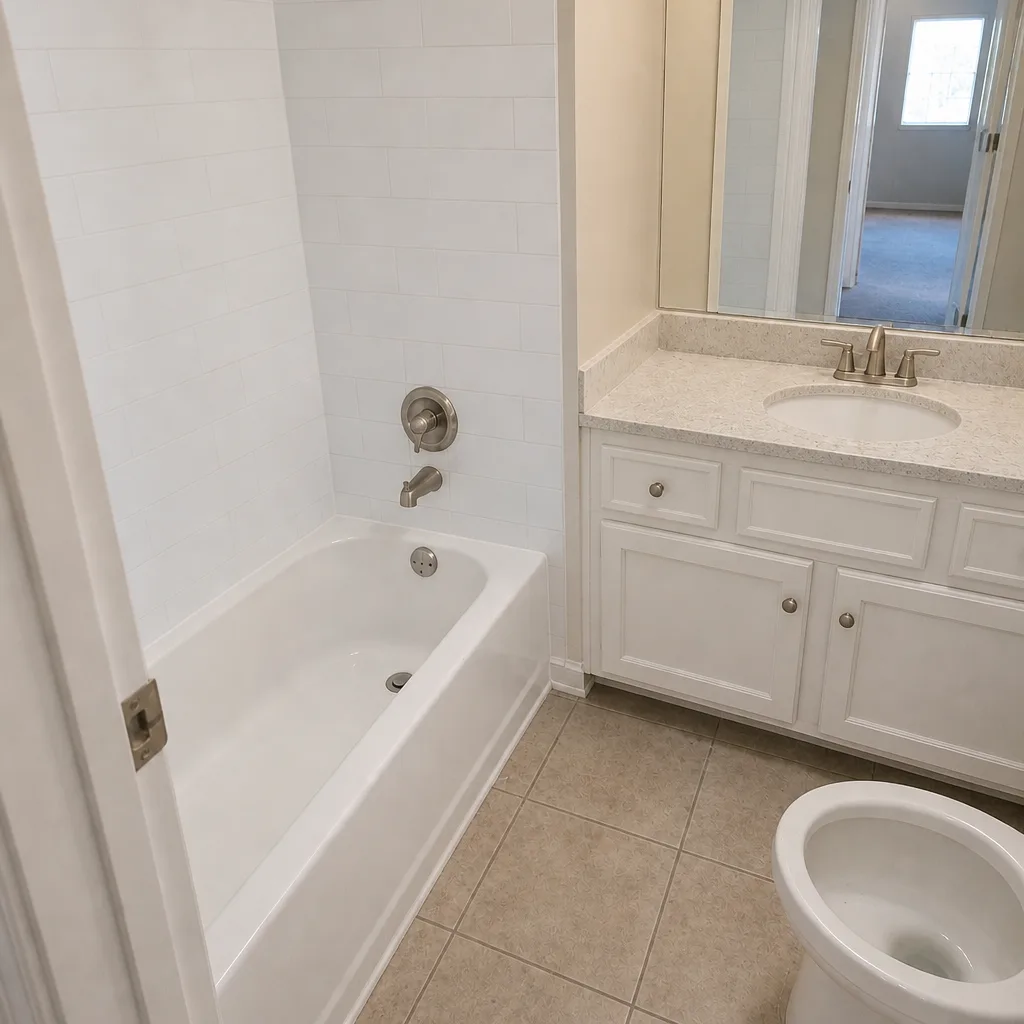 After
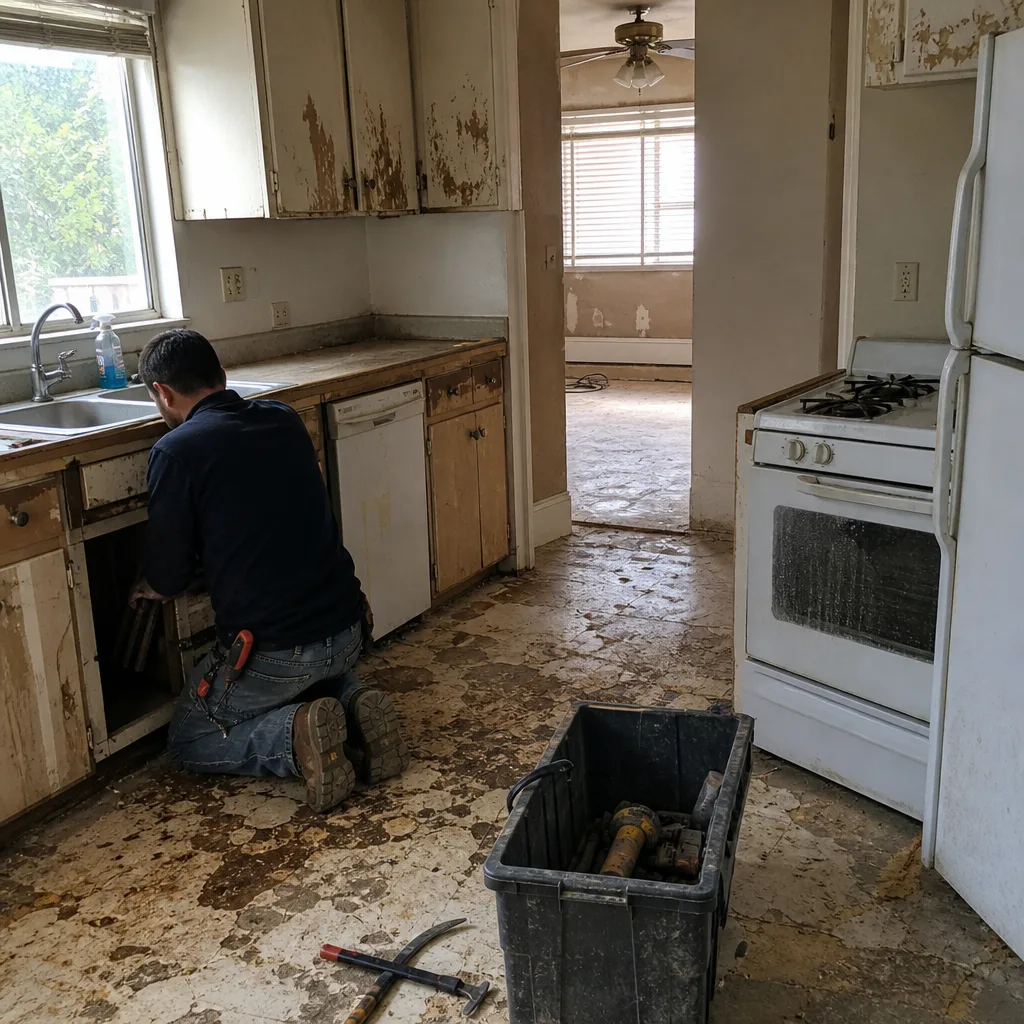 Before
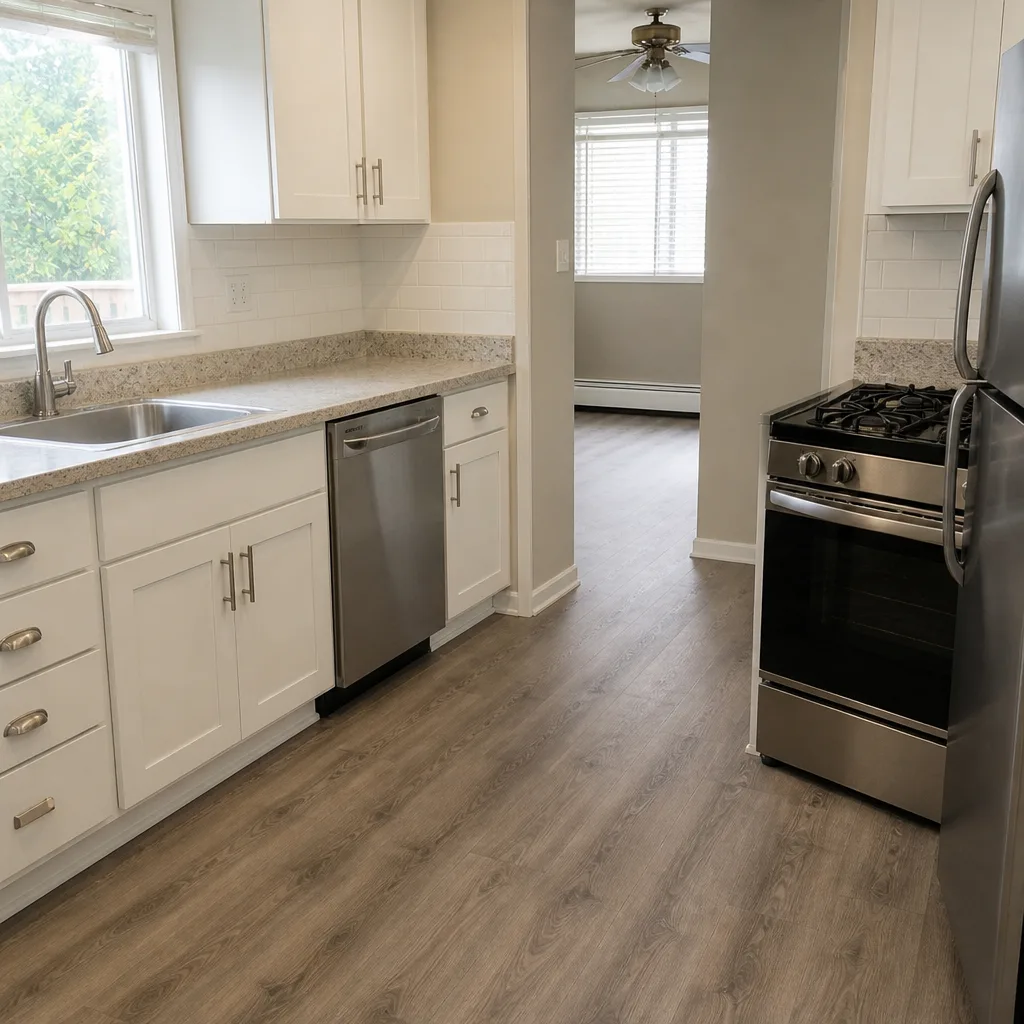 After
What Paradise Lots Do to This Job
Paradise is the Las Vegas Strip corridor, and that changes the permitting path in ways homeowners don’t expect. Standard residential underground permits do not cover work near the resort corridor cleanly. Clark County routes adjacent projects through a different track that includes fire and life-safety review, and those reviews run on their own calendar. We plan for it up front.
The housing stock compounds it. A lot of Paradise is apartment complexes and condo towers, so when a single-family lot exists, it’s often an older parcel with utilities that predate modern code. We’ve opened trenches along Las Vegas Boulevard-adjacent blocks where the sewer ran closer to a shared wall than any drawing showed. The Mojave heat adds its own constraint. Summer highs over 105°F push every concrete pour and dirt move into early-morning windows, so we schedule pours for dawn and treat afternoon as a buffer, not a plan. Flash-flood risk in monsoon season means grading has to shed water away from the unit, not just sit flat. If your property borders the Convention Center district or other resort-controlled land, expect phased scheduling and a coordination call with the neighboring property. That’s normal here.
Serving Paradise, NV – Our Local Coverage Area
We serve Paradise and nearby communities. Use the map below to see the area we cover. If you’re nearby, we can almost certainly help.
Frequently Asked About ADU Site Prep & Utilities in Paradise
Most Paradise ADU site prep and utility jobs run two to four weeks from clearing to inspection sign-off, with inspection and corridor coordination as the usual bottleneck. Complex lots with long utility runs or access constraints stretch toward five weeks. Call (844) 320-6757 with your lot address and we’ll give you a tighter window.
Yes. Trenching for water, sewer and electrical and pouring a structural pad require permits and inspection in Clark County, and this must clear before any framing starts. The underground inspection is the gate. We handle the permit application and coordinate the inspection as part of the written scope. Call for an estimate and we’ll map the permit path for your lot.
Often, yes. If your ADU footprint avoids the existing slab, buried utilities and structure, we can grade, trench and pour without touching them. The catch is that avoiding a utility that isn’t where you thought can shift the pad or the entry point. We locate first, then design the layout around real lines, not drawings. Call (844) 320-6757 for a site walk before committing to a layout.
It runs $45,000 – $130,000, with most single-lot jobs in the $55,000 – $85,000 range after grading, trenching, pad pour and inspection coordination. Lot access, utility distance and permit path are the three biggest movers. Call (844) 320-6757 for an exact free estimate on your property.
Every job we do is covered by our 730-Day Done Right Promise – if it’s not done right, we make it right. That covers the grading, pad and utility rough-in we install, so issues surface covered, not out of pocket. Call us to review the warranty terms before you sign anything.
Get a Free Site Prep Estimate in Paradise
If you’re planning an ADU in Paradise, the site prep number is the one that decides whether the project pencils. Call (844) 320-6757 for a free on-site estimate. We walk the lot, locate the utilities, and hand you a line-item written estimate with no change orders buried in the fine print. Live people answer, 24 hours a day. If this is part of a larger build, pair it with Paver Driveways in Paradise or see our full Home Additions & ADU service and our Paradise coverage page.
Written by the team at Groundwork Construction Co.