Free written scope consultation - allowances, timeline, and change-order rules on paper before a single trade is scheduled
New Detached ADU in Sandy Valley, NV: What It Takes and What It Costs
A new detached ADU in Sandy Valley typically runs $45,000 – $130,000 for the structure itself, with $90,000 – $220,000 covering a fully serviced two-bedroom unit including well, septic, and power work. Most builds take six to twelve months from the first excavation to final inspection, and the schedule is shaped less by carpentry than by how fast you can solve water, waste, and electricity on your parcel. Call (844) 320-6757 for a free on-site estimate.
How We Build a Detached ADU in Sandy Valley, Step by Step
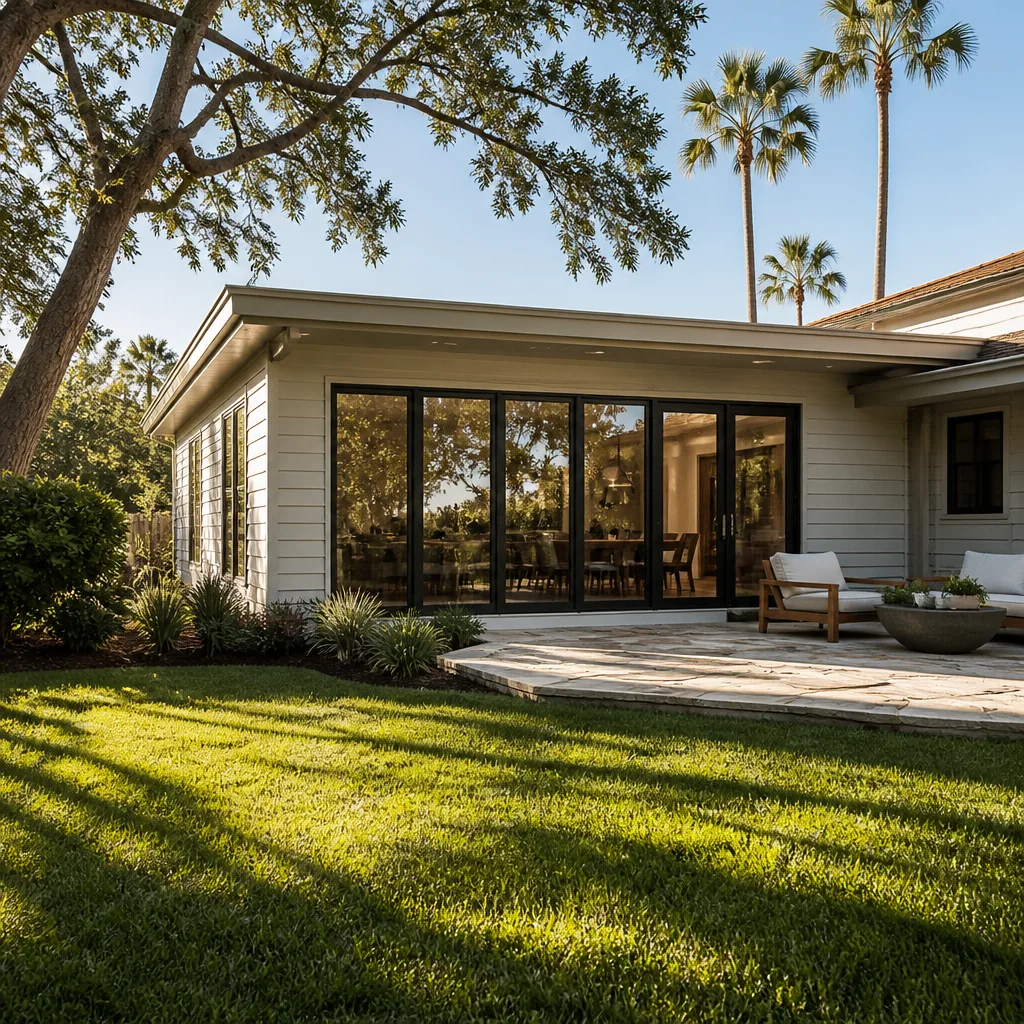
Day one is not a shovel in the dirt. It’s a survey of what your land can actually support, and we build the whole schedule around that.
Stage 1: Site and utility assessment (one to three weeks)
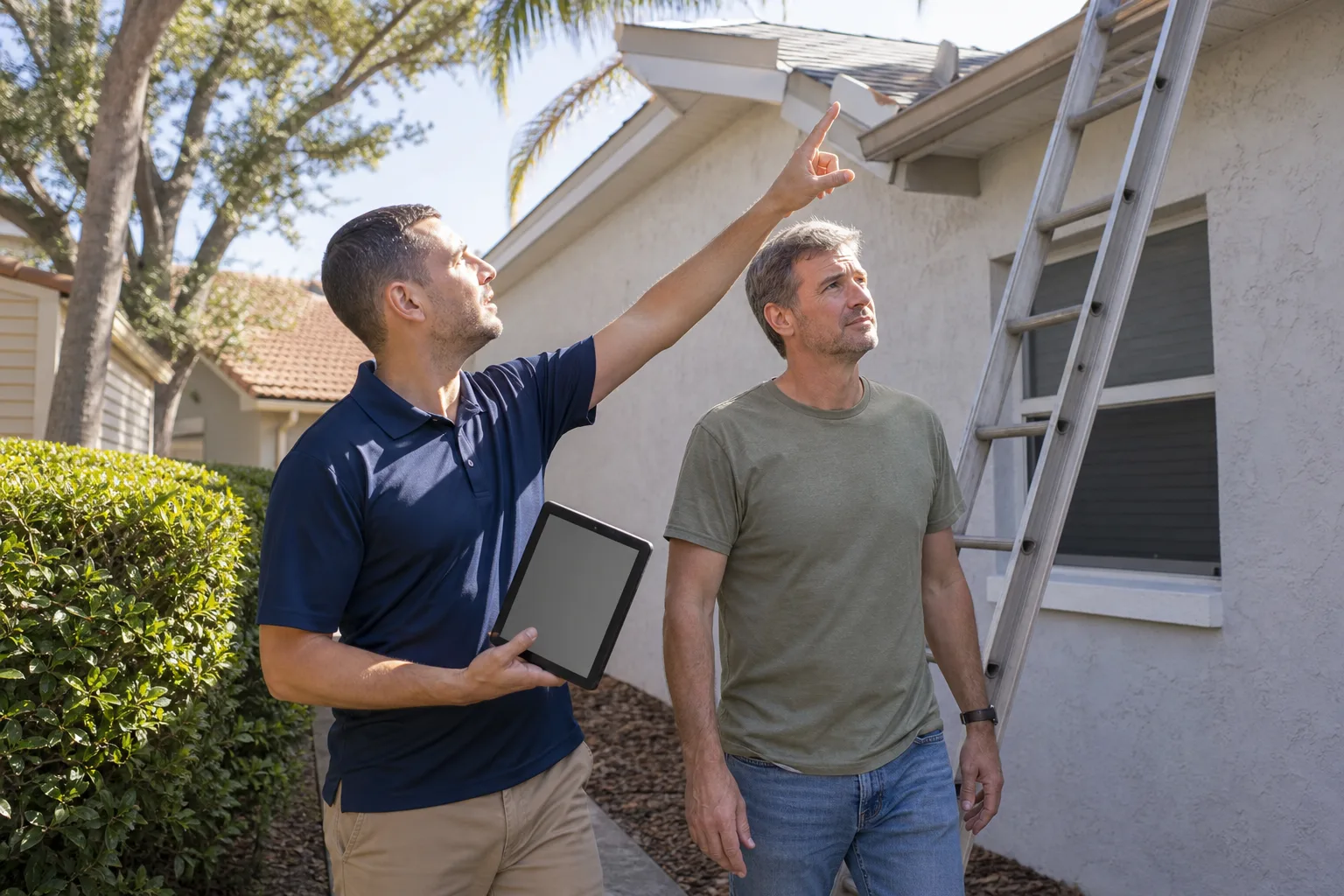
We walk the parcel, locate your well and septic, and check setback distances and drainage paths through the washes. You decide where the unit sits and how it connects to power. This is where most Sandy Valley projects gain or lose a month, because the answer to “can we tie in here” sets everything downstream.
Stage 2: County permitting (four to ten weeks)
Because Sandy Valley sits in unincorporated Clark County with no local building department, plans and inspections run through the county. We submit drawings, coordinate with the county on setbacks and septic separation, and pull the permits. You sign off on the plan set and choose your exterior shell materials during this stretch, since lead times on doors and windows overlap the approval window.
Stage 3: Site prep and foundation (two to three weeks)
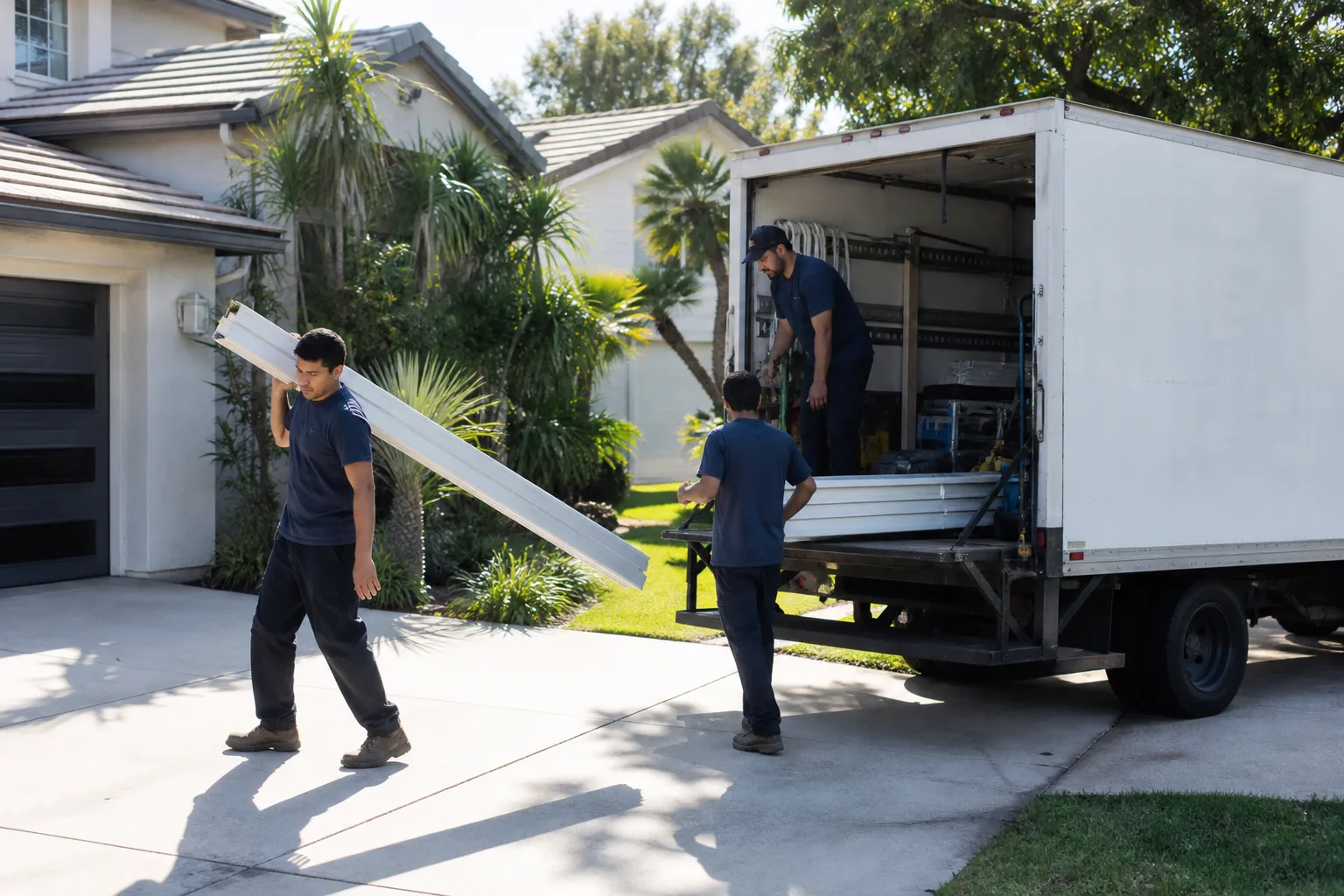
Excavation, grading for drainage, and the foundation pour. On parcels with unpaved access we plan deliveries around road conditions, because a storm can close an unpaved road for days and strand a concrete truck. You’ll approve the final foundation layout before the pour.
Stage 4: Shell, utilities, and systems (ten to sixteen weeks)
Framing, roofing, exterior siding, windows, then rough-in for plumbing, electrical, and mechanical. A detached unit needs its own water heater, its own panel, and its own HVAC zone, so those are separate decisions from the main house. County inspections happen at rough-in and again before drywall closes the walls.
Stage 5: Finishes, final inspection, and walkthrough (six to ten weeks)
Drywall, flooring, cabinets, fixtures, paint, and finish trim. Then the county’s final inspection, a joint walkthrough with you, and a written punch list. That punch list and everything after it is covered by our 730-Day Done Right Promise, so if a detail isn’t right, we come back and fix it.
Styles & brands we work with
- Kitchen remodeling
- Bathroom remodeling
- Home additions & ADU
- Roofing
- Windows & doors
- Driveway & pavers
- Fence
The Options You’ll Choose Between
Detached ADUs reward early decisions. Every choice below changes both the price and how self-sufficient the unit is.
- Foundation type: A slab is the simplest and least expensive path on flat ground. A raised or stem-wall foundation costs more but lifts the floor above flood-prone ground and gives you a place to run plumbing. On a parcel that drains toward a wash, the raised option earns its price.
- Power source: Tying to an existing panel is cheapest if the main service has capacity. A dedicated solar array with battery storage costs more upfront and makes the unit independent of your generator. A separate generator feed is the middle option. You’ll decide this with a load calculation, not a guess.
- Water and waste: A separate well is rarely practical; most units share the existing well and add a dedicated septic system or a connection to an expanded one. The septic route is the one that most often pushes a project toward the high end of the range.
- Exterior shell: Stucco on frame holds up well against high-desert sun and wind. Fiber-cement siding in the James Hardie family resists heat and is a common pick for fire-conscious rural parcels. Metal roofing from Atlas or Tamko runs longer than asphalt shingles under intense UV and reflects more heat.
- Windows and doors: PGT impact-rated units cost more per opening but handle wind-driven debris better than standard glass. This is where a lot of Sandy Valley owners overspend or underspend, so we price both paths side by side.
- Size and layout: A studio with a compact bath sits at the low end. Adding a second bedroom, a full kitchen, and a covered porch moves the number up significantly. Every square foot adds foundation, roofing, and finish cost.
What a New Detached ADU Costs in Sandy Valley, NV
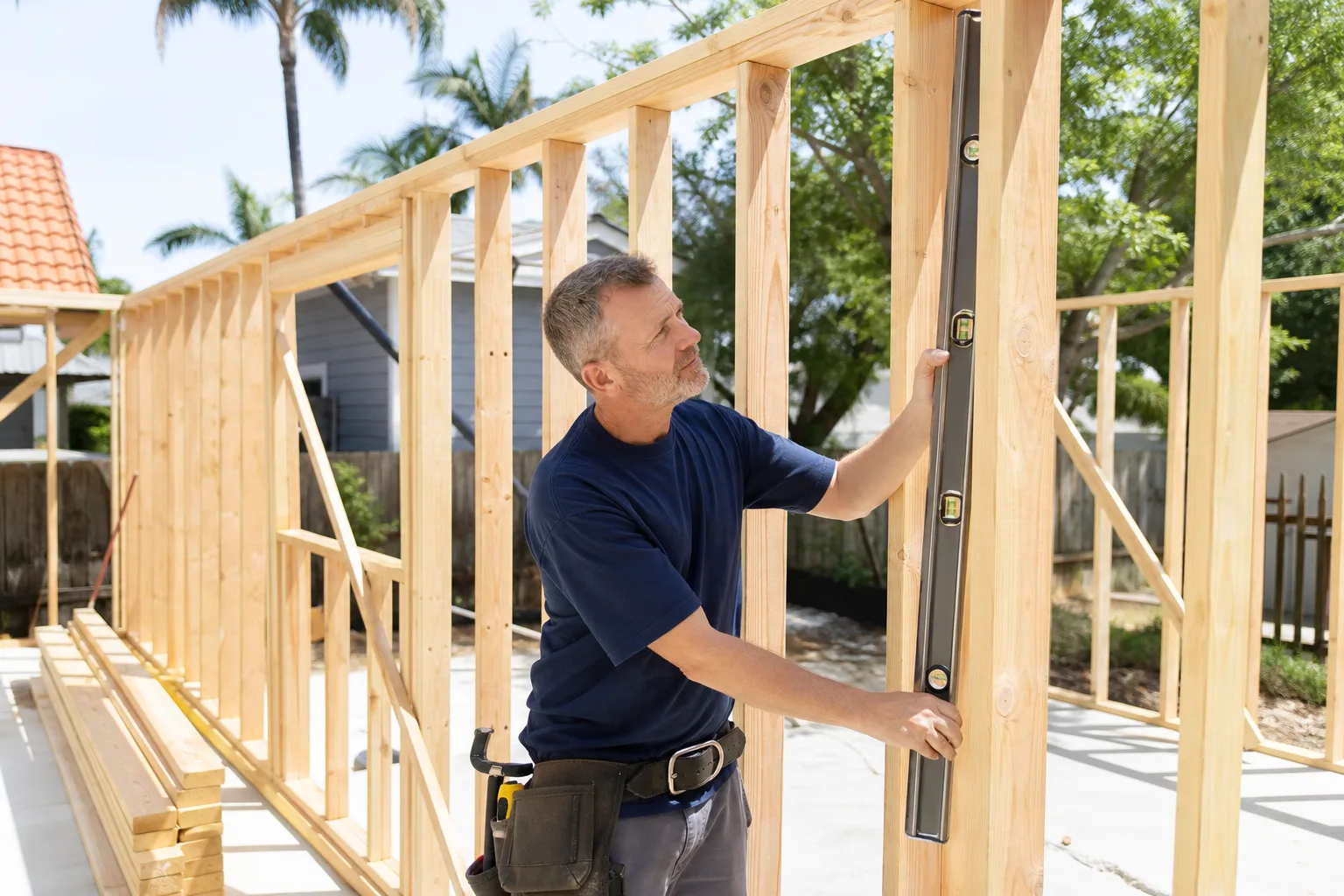
Plan on $45,000 – $130,000 for the structure and $90,000 – $220,000 for a fully serviced unit. Here’s where those numbers split.
| Line item | Typical range |
|---|---|
| Shell and structure | $45,000 – $130,000 |
| Full ADU build with utilities | $90,000 – $220,000 |
| Dedicated septic system | Pushes toward the high end |
| Solar with battery storage | Pushes toward the high end |
Five variables move the number most. Size is the obvious one. Site access is second, because a long unpaved drive or a slope raises excavation and delivery costs. Utility distance from the main house matters more here than in town, since every extra hundred feet of trench adds cost. Material grade is fourth, and window choice is where it shows up fastest. Permit scope is fifth: a unit with a full kitchen and laundry inspects differently than a simple guest suite.
A written estimate from us lists each of these as a line item. What it won’t include unless you ask is well drilling, well repair, or the cost of improving an unpaved road for heavy trucks.
See the difference
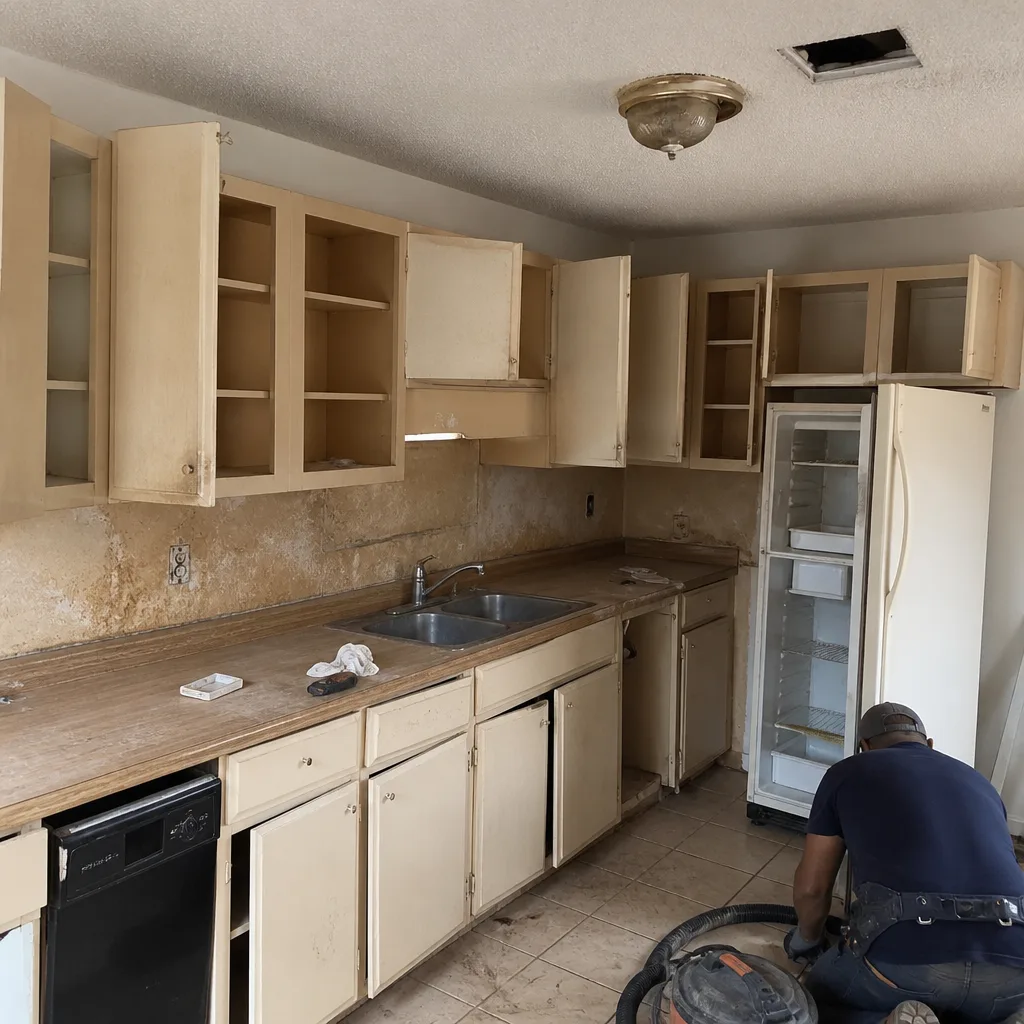 Before
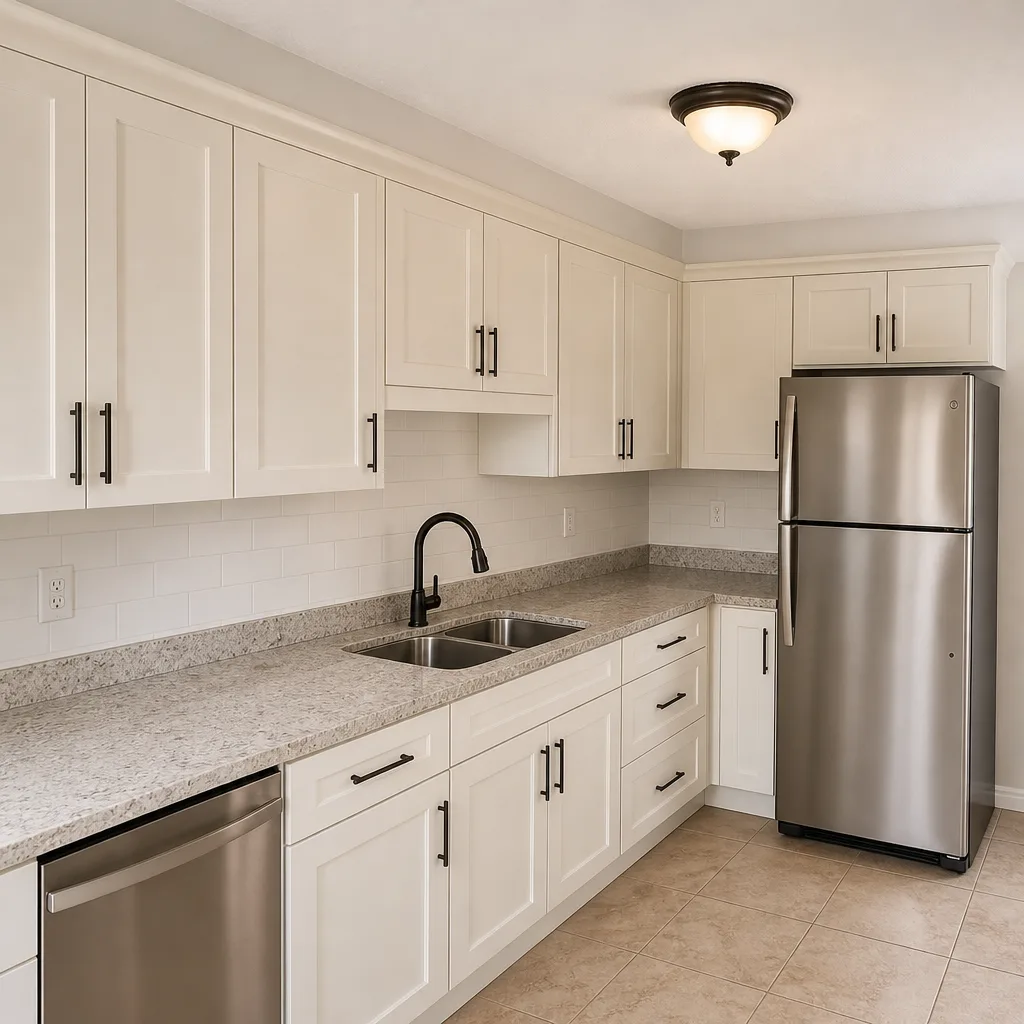 After
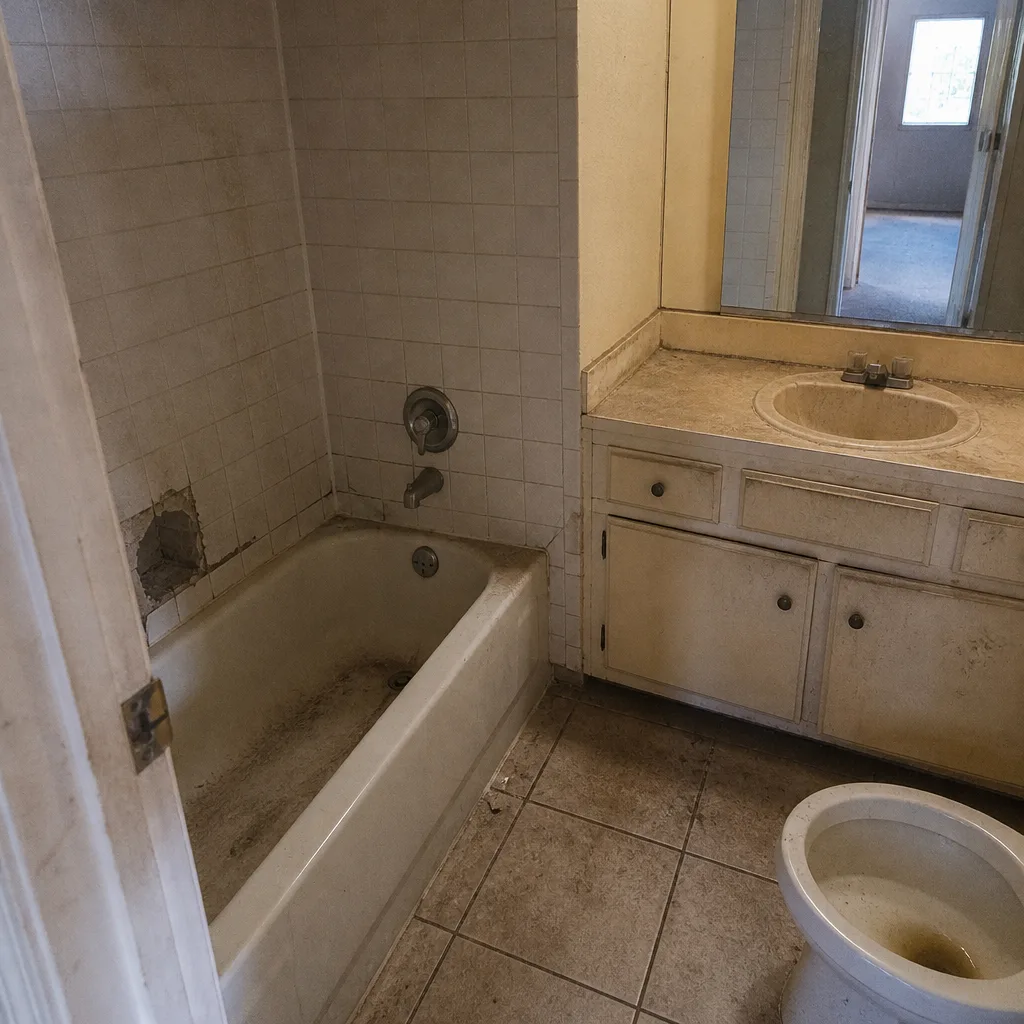 Before
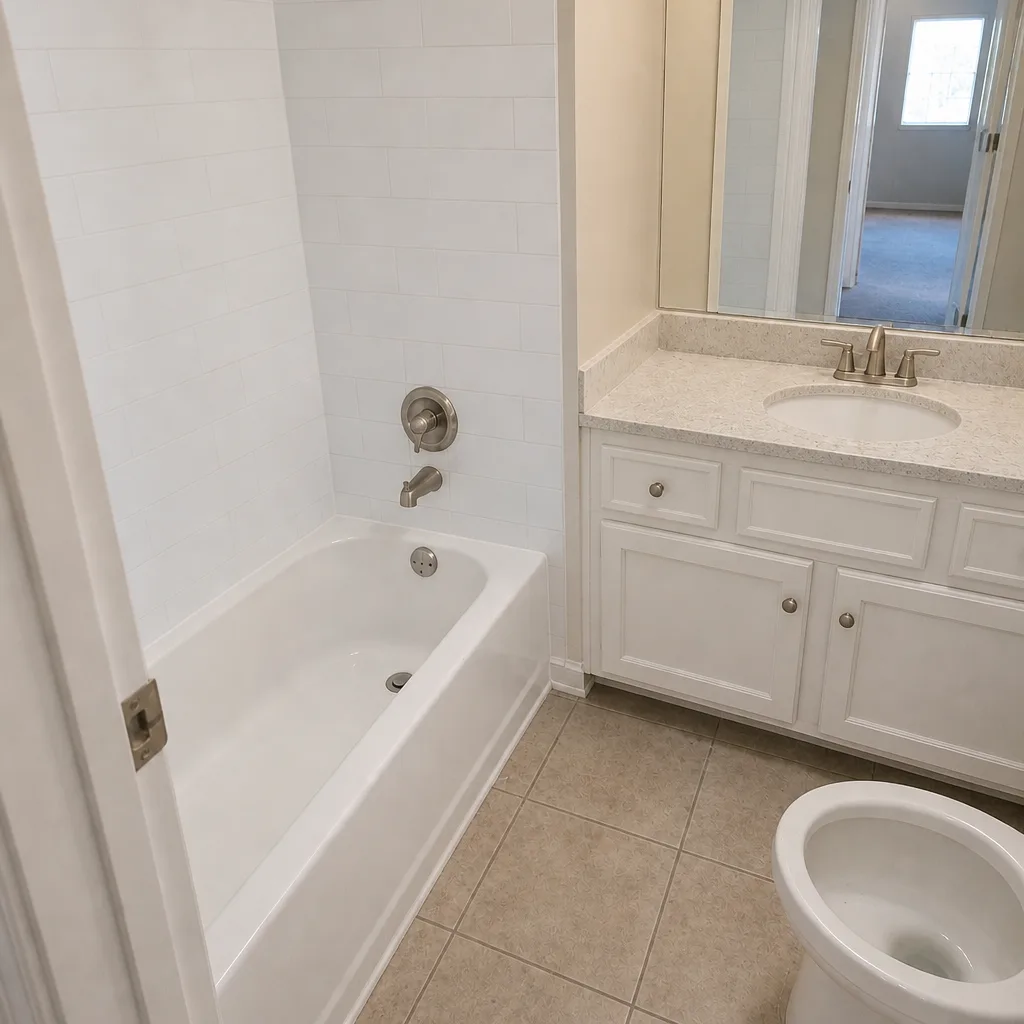 After
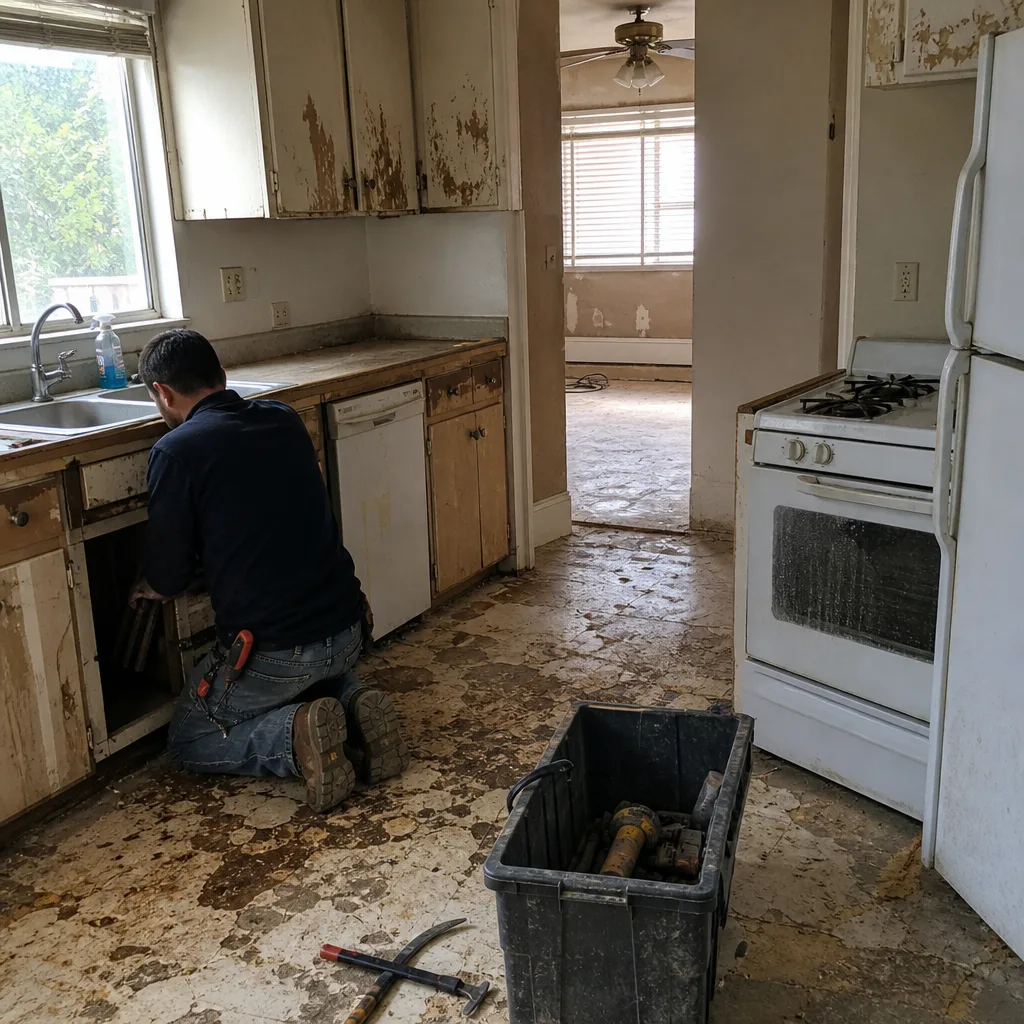 Before
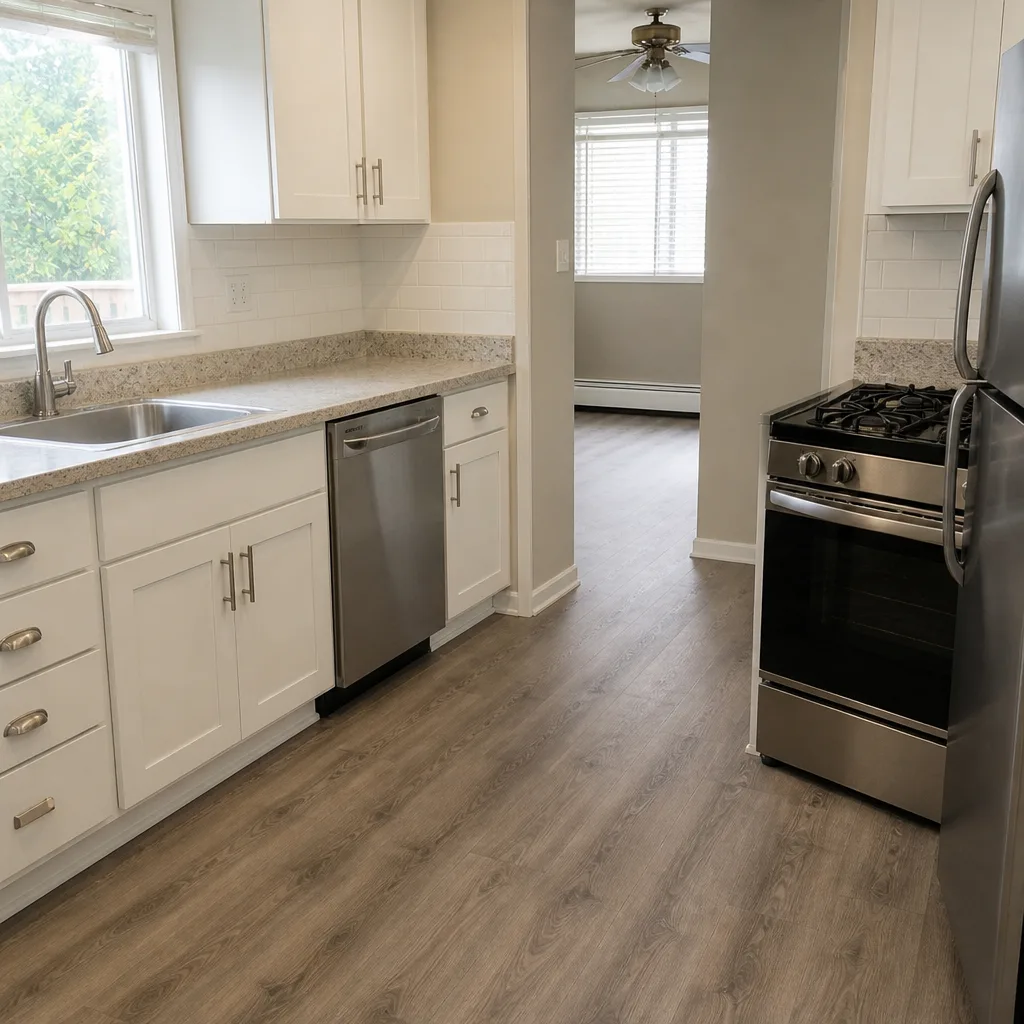 After
What Sandy Valley Homes Specifically Do to This Job
The starting point for a detached ADU in Sandy Valley is different from almost anywhere else in the region. There’s no municipal water or sewer to tie into, so before we frame a wall we have to answer three questions: where does the water come from and where does it get stored, where does waste go, and where does the power come from when the sun is down or the generator is off. On multi-acre parcels out here, the well, septic, and power design is the project. The house is the part that follows.
At roughly 2,800 feet in the Mojave high desert, we design for wind uplift, hard sun exposure, and drainage across ground that flash floods through the washes. Unpaved access matters too, because a graded road can turn impassable in a storm, and that changes how we sequence deliveries. Housing stock here runs to site-built and custom homes alongside older manufactured units, so many owners are adding a detached unit to a parcel that’s never had a second structure on it. If the project is part of a larger scope, our Home Additions & ADU in Sandy Valley page covers the wider picture.
Serving Sandy Valley, NV – Our Local Coverage Area
We serve Sandy Valley and nearby communities. Use the map below to see the area we cover. If you’re nearby, we can almost certainly help.
Frequently Asked – New Detached ADU in Sandy Valley
Expect six to twelve months from contract to final inspection. The permitting review and utility design typically take the longest, at four to ten weeks, while actual construction runs about four to six months. Call (844) 320-6757 for a schedule built around your parcel.
Yes. Sandy Valley is unincorporated Clark County, so plans and inspections go through the county building department rather than a local office. We prepare the drawings, handle the submittal, and coordinate the inspections at rough-in and final.
Sometimes. A unit close to the existing well and with a small footprint may connect without new drilling, though the septic usually needs either expansion or a dedicated system. We confirm this during the site assessment, before any plans are drawn.
The structure alone runs $45,000 – $130,000, and a fully serviced unit with its own septic and power runs $90,000 – $220,000. Call (844) 320-6757 for an exact quote; estimates are free.
No. Our quotes are fixed, and the number you see is the number you pay. If we find something unexpected on a rural parcel, like a failing septic line, you’ll see it as a written change before anyone proceeds. Every project carries our 730-Day Done Right Promise.
Get Your Detached ADU Estimate
Call (844) 320-6757 to schedule a free on-site estimate for your new detached ADU in Sandy Valley. We’ll walk the parcel, review your well, septic, and power setup, and talk through the county permitting path. You’ll leave the call with a real number and a real timeline, not a ballpark. Live person, 24/7. Financing at 0% for 18 months is available, and projects over $10,000 take $1,000 off.
Written by the team at Groundwork Construction Co.