Last updated November 18, 2026


Free written scope consultation - allowances, timeline, and change-order rules on paper before a single trade is scheduled
How to Hire a Construction Contractor in Henderson: A Step-by-Step Guide
Three bids sounds like due diligence, but in Henderson’s construction market, the low bid is often a placeholder – a number designed to get a signature, not build your project. We’ve watched homeowners in Green Valley and Anthem sign bids that were 20% under the next guy, only to see that gap vanish through change orders before the drywall went up. The bid process itself is where people get taken advantage of. This guide walks you through a smarter approach: how to verify a Nevada license, what a contract must say, how to read a warranty, and how to spot the red flags hiding inside that too-clean quote. You’ll finish knowing exactly who you’re hiring in Henderson before a single nail is driven.
Quick Answer
Hiring a construction contractor in Henderson means verifying their Nevada State Contractors Board license and classification for your specific project type, checking that they pull permits in your name, reading the contract for scope and change-order terms, and evaluating their warranty in writing rather than by word of mouth. The low bid is rarely the real cost. The safer path is comparing line-item pricing, confirming who actually performs the work (in-house vs. subcontracted), and asking how problems get fixed after the final walkthrough.
Styles & brands we work with
- Kitchen remodeling
- Bathroom remodeling
- Home additions & ADU
- Roofing
- Windows & doors
- Driveway & pavers
- Fence
Table of Contents
- Step 1: Verify the Nevada Contractor License
- Why the “Three Bids” Rule Fails in Henderson
- The Questions That Separate Real Contractors From Bid Collectors
- What a Legitimate Nevada Contract Must Include
- How to Evaluate a Warranty Offer
- Red Flags Inside the Bid Itself
- Permits and Henderson Building Codes
- Common Mistakes to Avoid
- When to Call a Professional
- Frequently Asked Questions
Step 1: Verify the Nevada Contractor License
Before you compare a single price, confirm the contractor is licensed through the Nevada State Contractors Board (NSCB). In Nevada, it’s illegal to perform construction work without a valid license, and the NSCB database is free and public. Pull up the license number the contractor gives you and match it against three things: the business name on the license, the license status (active, not suspended or expired), and the classification.
That last point matters more than most homeowners realize. Nevada assigns license classifications by the type of work, and a license that covers one scope doesn’t necessarily cover another. What you’ll see in practice:
- Class B – General Building: Covers a broad range of residential and commercial building work, including new construction and most remodels. This is the classification most whole-home and major remodel projects require.
- Class A – General Engineering: Infrastructure and large-scale engineering work, not typical residential remodeling.
- Class C – Specialty: Broken into trades – C-3 is plumbing, C-2 is electrical, and so on. A roofing contractor, a fence installer, and a paver crew may each hold a different specialty license.
Here’s why this trips people up in Henderson: a contractor licensed as a specialty trade may not legally take on a project that spans multiple trades. If you’re remodeling a kitchen that needs plumbing, electrical, and cabinetry, you want either a general contractor who can pull the right permits for the whole scope, or a clear plan showing which licensed specialty contractor handles each piece. Ask the question directly: “What classification is your license, and does it cover everything in this bid?” A straight answer tells you a lot. A vague one tells you more. You can see how a properly scoped, single-contractor project looks on our Groundwork Construction Co. of Henderson home page.
Why the “Three Bids” Rule Fails in Henderson
Getting three bids is standard advice, and it’s not wrong – but it’s incomplete. In a market as active as Henderson’s, the bid itself becomes the tool of persuasion. Three contractors can hand you three very different documents and call them all “bids.” One is a single lump-sum number on a one-page form. One is a detailed line-item scope. One is a handshake with a verbal estimate. Comparing them side by side is like comparing a receipt, a blueprint, and a promise.
What actually happens: the lump-sum quote looks clean and cheap. But it hides a dozen assumptions – grade of materials, whether permits are included, whether cleanup is in scope, what happens if the subfloor isn’t level. When those assumptions surface mid-project, the price climbs. By then you’ve committed, the crew is in your home, and negotiating from a position of weakness is the last thing you want to be doing.
A smarter approach in Henderson is to compare structure, not just numbers:
- Line-item detail: Every material, labor hour, and permit fee should be a separate line. Not a single “remodel – $48,000” figure.
- Inclusions stated explicitly: Permits, disposal, cleanup, and inspection are named – not assumed.
- Exclusions stated explicitly: What the contractor is NOT doing is just as important as what they are.
- Change-order process: How a scope change gets priced and approved in writing, before work continues.
- Timeline tied to milestones: Not a start date and a vague “6-8 weeks,” but checkpoints you can hold them to.
When you compare bids this way, the cheapest number usually stops looking cheapest. It starts looking like the number with the most missing. Our position is simple: upfront pricing, no surprises. The number you see is the number you pay, and the only way to make that real is to line-item it from the start.
The Questions That Separate Real Contractors From Bid Collectors
Some contractors sell work; others just collect bids and hand the labor to whoever’s available. The difference shows up in who’s actually accountable when something goes wrong. Ask these questions on the first call, and listen for specifics – not reassurances.
Do you use subcontractors, and who supervises them?
Almost every general contractor uses subcontractors for specialty trades – that’s normal. What matters is the chain of accountability. If a GC subs out the framing, the electrical, the plumbing, and the drywall to four different companies, and none of them are supervised under one roof, your warranty and your point of contact fragment the moment a problem appears. Ask: “Who is my single point of contact?” and “Who signs off on the finished work?” If the answer is “the sub,” you’ve just learned your accountability chain has no top.
Can you show me a project like mine that you finished recently?
Not a photo gallery – a specific, recent, comparable project. A kitchen remodeling contractor who has never handled a load-bearing wall removal is a different risk than one who does it weekly. Ask for the address street (not a full address) and roughly when it was done, then look it up. In our experience, the contractors who can name three recent Henderson jobs in your neighborhood are the ones who actually did them.
How do you handle the permit?
The permit should be pulled in the property owner’s name or by the licensed contractor of record, never left to you to sort out after the fact. Every legitimate construction project in Henderson that involves structural, electrical, plumbing, or gas work requires a permit through the City of Henderson. A contractor who offers to “skip the permit to save you money” is offering to create a problem that surfaces when you sell.
What happens if I’m not happy at the walkthrough?
Listen for a process, not a promise. A written punch list, a defined fix-it window, and a warranty that survives past the final payment. That’s where a real guarantee separates from a handshake.
What a Legitimate Nevada Contract Must Include
Nevada law requires a written contract for most residential construction work, and the specifics matter. A contract that’s missing key terms is a contract you’ll be arguing about later. Before you sign anything in Henderson, confirm it contains:
- Full legal names and license numbers of the contractor and, if applicable, the property owner. Match the license number to the NSCB record.
- A complete scope of work describing materials, quantities, brands, and finishes – not general categories. “KraftMaid cabinetry” is a scope. “Cabinets” is not.
- The total contract price, broken into line items, plus the payment schedule and how progress payments are calculated.
- A start date and a substantial completion date, with any allowances for weather or inspection delays spelled out.
- The change-order procedure – how changes are priced, approved in writing, and whether they affect the timeline.
- Permit responsibility stating who pulls the permit and who pays for it.
- Warranty terms written out in full, including what’s covered, for how long, and how claims are handled.
- A notice-of-cancellation and right-to-rescind clause consistent with Nevada requirements.
- A dispute resolution clause naming the process if the project goes sideways.
Three clauses protect you specifically if things go wrong. First, a retainage clause that holds back a percentage of the final payment until the punch list and final inspection are complete – this is your leverage if work stalls. Second, a liquidated damages or delay clause that defines what happens if the contractor misses the completion date without cause. Third, a lien waiver requirement where the contractor and each subcontractor sign a waiver confirming they’ve been paid, protecting your property from a mechanic’s lien filed by an unpaid sub. A serious contractor will hand you a contract with all three already in it. If they balk when you ask, that’s your answer.
How to Evaluate a Warranty Offer
Every contractor says they stand behind their work. Almost none put that in writing for more than a year. The industry norm in Henderson is a one-year workmanship warranty – enough to cover the first season but not enough to cover the failures that actually cost you money: settling grout lines, a roof flashing leak that shows up in year three, a paver base that shifts after two summers of monsoon runoff.
Here’s the practical test. Ask the contractor to show you the warranty language, then check three things:
- What’s covered. Materials? Labor? Both? A labor-only warranty leaves you paying for the replacement part.
- How long it runs, and from when. From final walkthrough, not from the contract signing.
- How a claim is filed. Phone number, response window, and who performs the repair. A warranty with no claims process is a paragraph, not a promise.
This is where the 730-Day Done Right Promise matters. Two years of coverage – nearly double the standard – gives materials and workmanship enough time to prove themselves through the full seasonal cycle: the summer heat that stresses caulk and roofing sealants, the winter cold snaps that test exterior paint and pavers. A one-year warranty often expires before the first real seasonal failure shows up. A 730-day promise means we make it right, in writing, for two full years after handoff. That’s one of the longest workmanship guarantees in the residential space, and it’s why we lead with it on trust conversations.
Red Flags Inside the Bid Itself
The bid document is a preview of the working relationship. A vague bid often means a vague project. What to watch for in Henderson:
- Lump-sum quotes with no line items. One number on one page means you can’t verify what you’re paying for and can’t compare bids fairly. This is the single most common way homeowners get surprised by a mid-project increase.
- Cash-only requests. A legitimate contractor invoices you, tracks payments, and issues receipts. Cash-only arrangements strip you of documentation and often signal that the contractor is avoiding taxes, insurance, or licensing oversight. Walk away.
- Pressure to skip permits. “We don’t need a permit for that” is sometimes true for cosmetic work. It’s almost never true for structural, electrical, plumbing, or gas work. Unpermitted work in Henderson can fail to close at resale, and you inherit the cost of correcting it.
- Large deposits before any work. Nevada caps the amount a contractor can request as a deposit. Anything above that cap is a red flag, full stop.
- No written contract, or a contract you’re rushed to sign. Take the contract home. Read it. Ask questions. A real contractor expects that.
- Pressure to sign “today.” Real demand doesn’t need a countdown clock. A bid that expires in 24 hours is a tactic, not a quote.
One more: watch for a bid that names brands vaguely. “Premium windows” tells you nothing. “Andersen 400 Series” tells you exactly what you’re buying. We keep a curated set of verified brand partners across every trade – KraftMaid and Cambria in kitchens, GAF and Owens Corning on roofs, Andersen and Marvin on windows – so the bid reads like a specification, not a wish list.
Permits and Henderson Building Codes
Henderson’s building department is thorough, and that’s good news for you. A permit means the work is inspected at defined stages: framing, rough-in, insulation, and final. Those inspections are your independent quality check, performed by someone other than the contractor you’re paying. Any project in Henderson that touches structure, electrical, plumbing, gas, or mechanical systems needs one.
Timeline reality: plan for one to three weeks for permit review depending on scope, and don’t let a contractor promise a start date before the permit is issued. In our experience, the contractors who rush this step are the ones who plan to skip it. A permit pulled correctly, in the owner’s name with the licensed contractor of record, protects your home’s resale and your insurance claim history. If you’re planning a larger project like a home addition or ADU, the permit and inspection sequence is more involved – you can see the full scope on our Home Additions & ADU in Henderson page.
Common Mistakes to Avoid
- Choosing the low bid without comparing line items. The low bid often wins because it covers less, not because it’s cheaper. Compare scope documents, not just totals.
- Skipping the NSCB license check. It takes five minutes and catches the biggest risk before you sign anything. Check the classification, not just that a license exists.
- Paying a large deposit up front without a contract. Nevada caps deposit amounts, and a legitimate contractor invoices against progress. Cash up front with no written terms is a liability.
- Assuming a one-year warranty is normal and fine. It’s normal. It’s not fine. Season-dependent failures – roof leaks, paver shift, caulk cracks – routinely show up in year two.
- Letting the contractor handle the permit without asking who’s named on it. If the permit isn’t pulled correctly, you own the problem, not them.
- Choosing a contractor who can’t name a recent comparable job in Henderson. Local experience is not a formality. It means they’ve navigated Henderson inspectors, soil conditions, and the summer heat cycle before.
- Accepting a handshake on change orders. Every change should be written, priced, and signed before work continues. The verbal “we’ll square up later” is how projects go over budget.
When to Call a Professional
Some work is straightforward enough to handle yourself – painting, basic landscaping, small cosmetic repairs. But several projects in Henderson are worth hiring out without hesitation. Any work involving structural changes, load-bearing walls, electrical panels, gas lines, or roofing at height carries real danger and should be handled by a licensed, trained professional. Same goes for full kitchen and bathroom remodels where plumbing and electrical must be coordinated under one permit, and for anything that needs an inspection to pass at resale. Beyond the safety question, most homeowners hire a pro when the project needs to be done right the first time – not patched and re-done a year later. Groundwork Construction Co. of Henderson offers free estimates in Henderson – call (844) 320-6757.
Frequently Asked Questions
Look up the contractor’s license number in the Nevada State Contractors Board (NSCB) public database and confirm the business name, active status, and license classification match the work you’re hiring for. A general contractor handling a full remodel should hold the appropriate classification to cover the whole scope, not just one trade. Call us at (844) 320-6757 if you want a second set of eyes on a bid – estimates are free.
No. In Henderson’s active contractor market, the lowest bid is frequently a placeholder – a number that covers less scope than the competing bids, with the difference recovered through change orders later. The safer comparison is line-item scope: what’s included, what’s excluded, and what the change-order process looks like. Call (844) 320-6757 for an upfront, line-itemized estimate with no surprises.
A legitimate Nevada contract should include the contractor’s full name and license number, a detailed scope of work with specific materials, total price broken into line items, payment schedule, start and completion dates, the change-order procedure, permit responsibility, full warranty terms, and a dispute resolution clause. Retainage and lien waiver clauses add protection if the project goes sideways. Call (844) 320-6757 to see how our contracts are structured.
It shouldn’t, if the scope is properly detailed up front. With upfront pricing and a line-item scope, the number you see is the number you pay. Changes only happen when you request a change, and they’re documented in writing before work continues. Call (844) 320-6757 for a fixed, written estimate with no change-order surprises.
Timelines vary by scope – a bathroom typically runs several weeks, a full kitchen longer, and an addition or ADU longer still. Permit review adds one to three weeks in Henderson before work begins. The most accurate way to plan is a written schedule tied to specific milestones, not a general estimate. Call (844) 320-6757 to schedule your free estimate and get a realistic timeline for your project.
Yes. Permits are pulled in the property owner’s name with the licensed contractor of record, and the work is inspected at defined stages by the City of Henderson. Unpermitted work creates resale and insurance problems down the road, so it’s not a step worth cutting. Call (844) 320-6757 to talk through the permit requirements for your specific project.
A 730-day warranty covers two full seasonal cycles – both summer heat and winter cold – so failures that don’t show up until year two are still covered. A one-year warranty often expires before those seasonal issues appear. Our 730-Day Done Right Promise means if it’s not done right, we make it right, in writing, for two years. Call (844) 320-6757 for details.
The Bottom Line
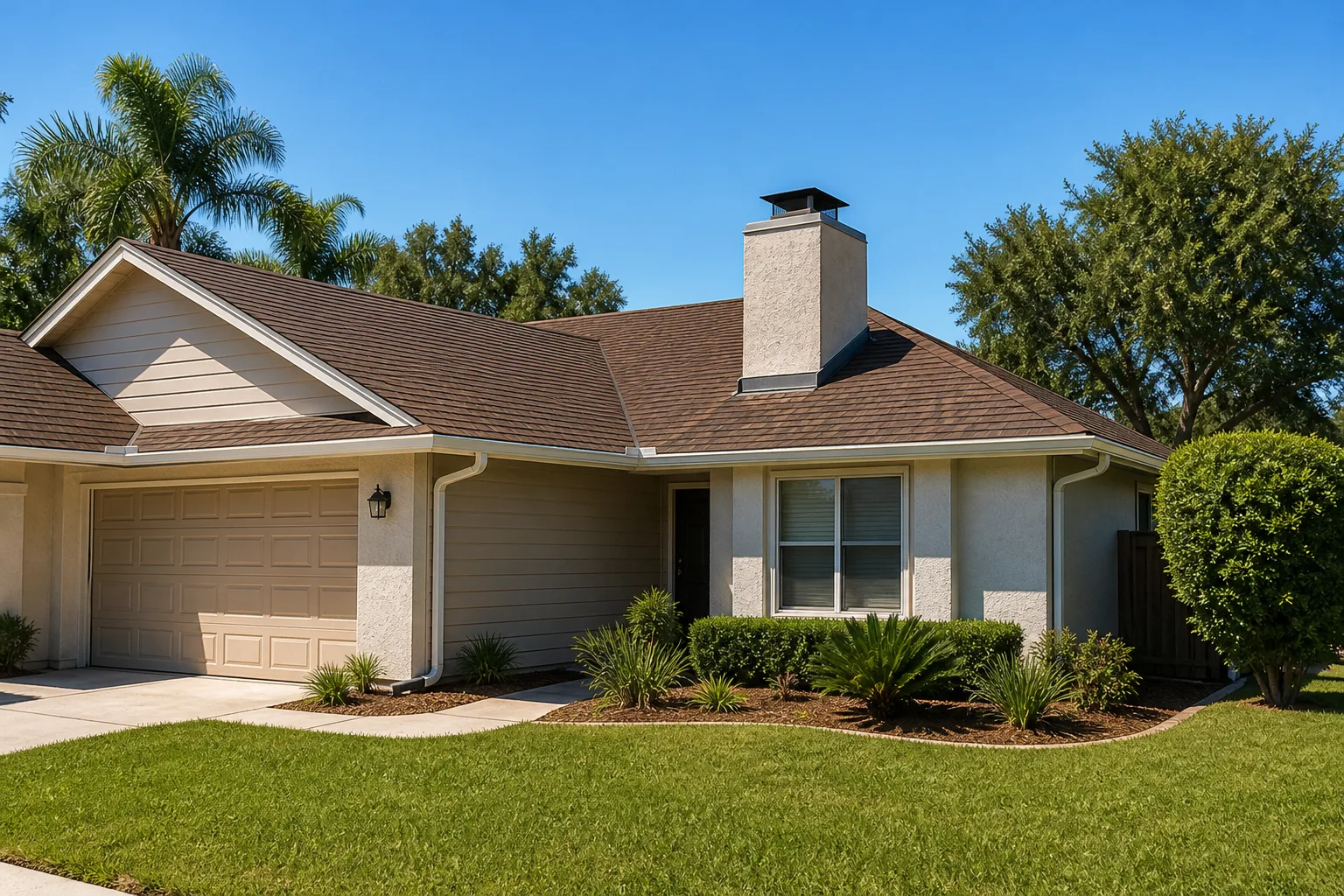
Hiring a contractor in Henderson is not about collecting the most bids – it’s about reading the ones you get. Verify the NSCB license and its classification. Insist on line-item scope, not a lump sum. Confirm who performs the work and who signs off on it. Read the contract for retainage, delay, and lien waiver clauses. Test the warranty by asking to see the language. And treat every red flag in the bid – cash-only requests, pressure to skip permits, “sign today” urgency – as a preview of how the project will go. The right contractor makes it easy to verify all of this. Groundwork Construction Co. of Henderson is a full-scope partner from foundation to finish line, backed by the 730-Day Done Right Promise.
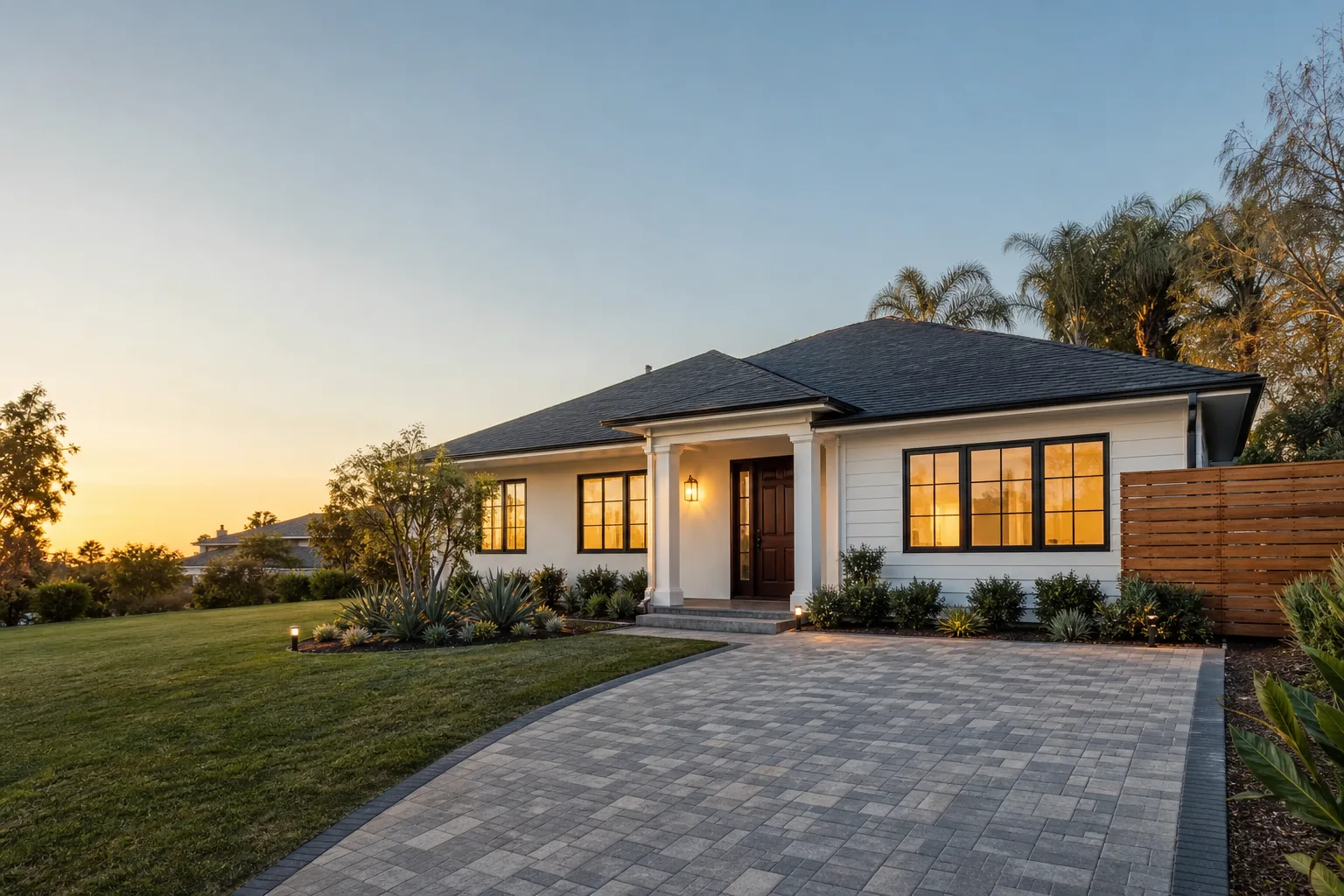
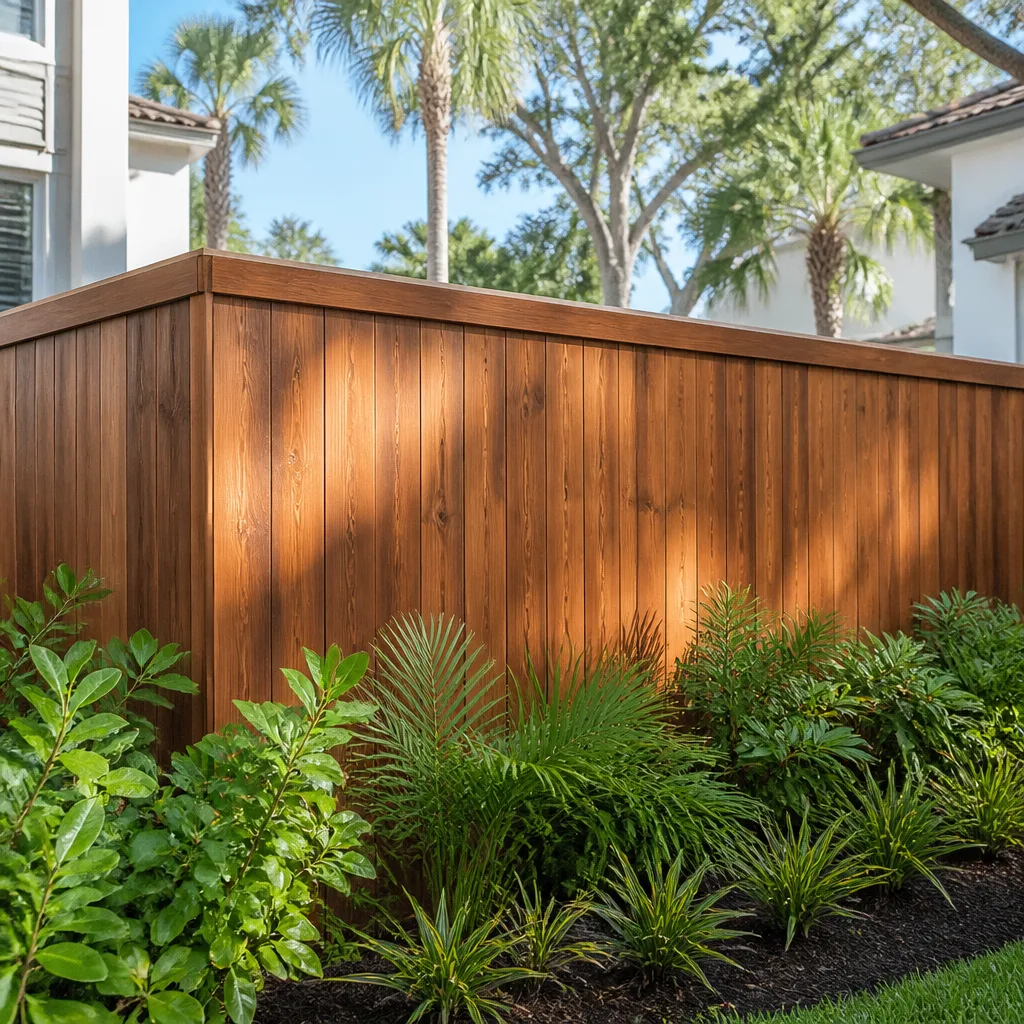
Ready to see what a real bid looks like? Call (844) 320-6757 for a free estimate and design consult, or start with our Driveway & Pavers in Henderson or Fence Installation in Henderson pages to see how we scope exterior work. Financing is available at 0% for 18 months, plus $1,000 off projects over $10,000. Live person answers, 24 hours a day.
Written by the team at Groundwork Construction Co. of Henderson.
See the difference
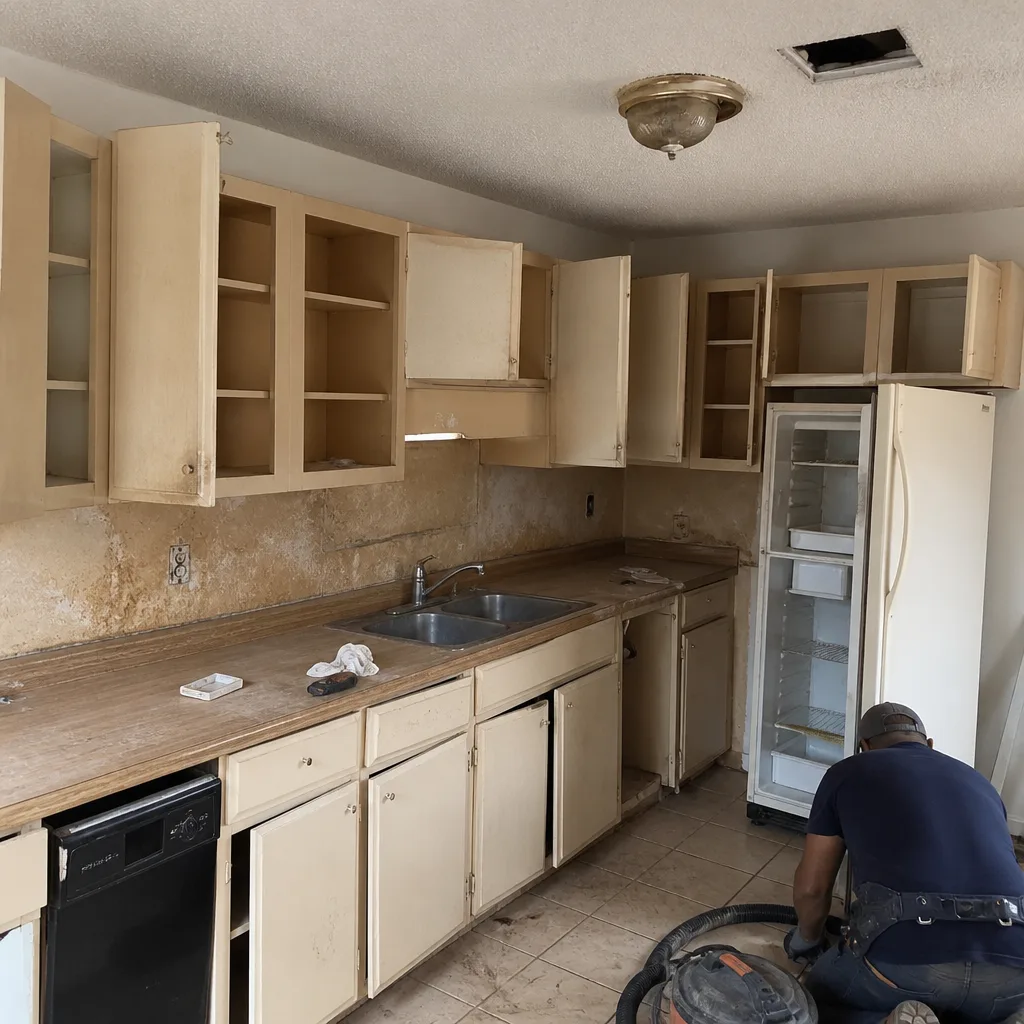 Before
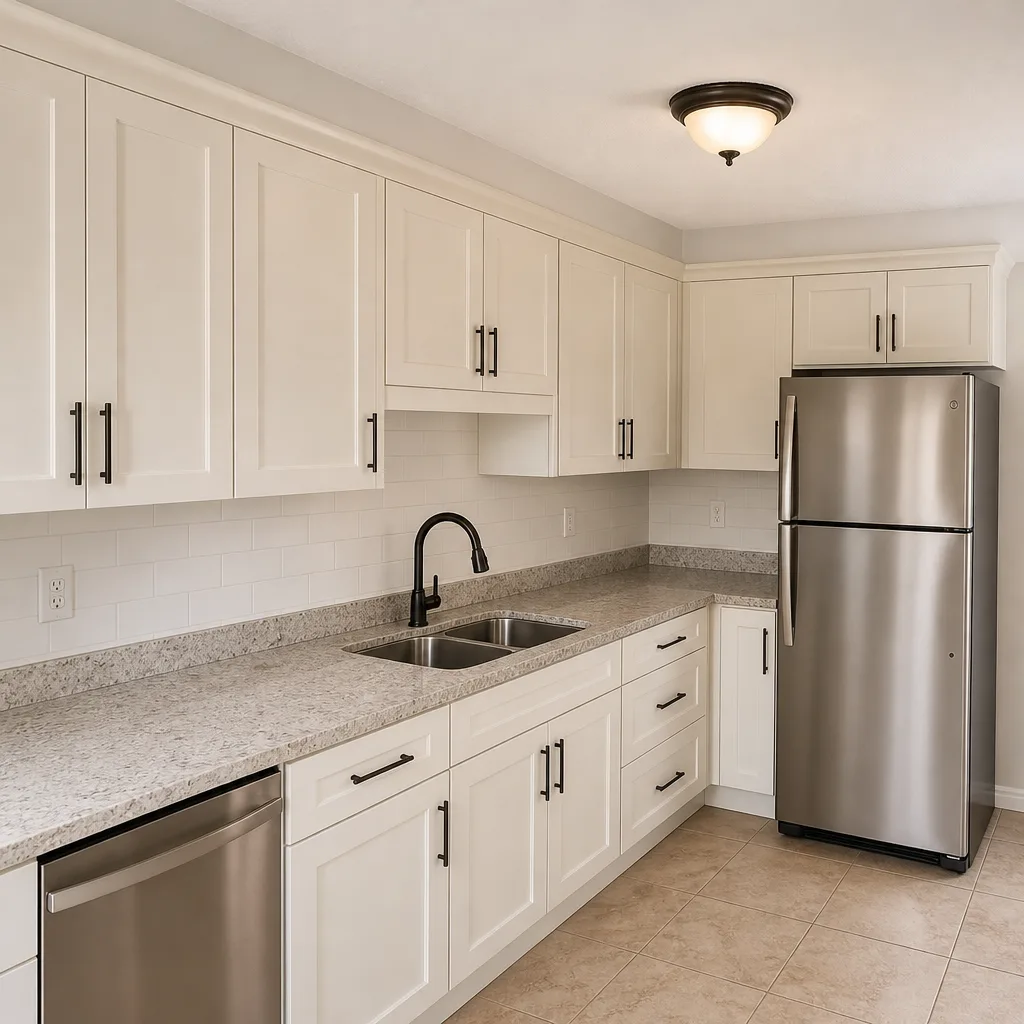 After
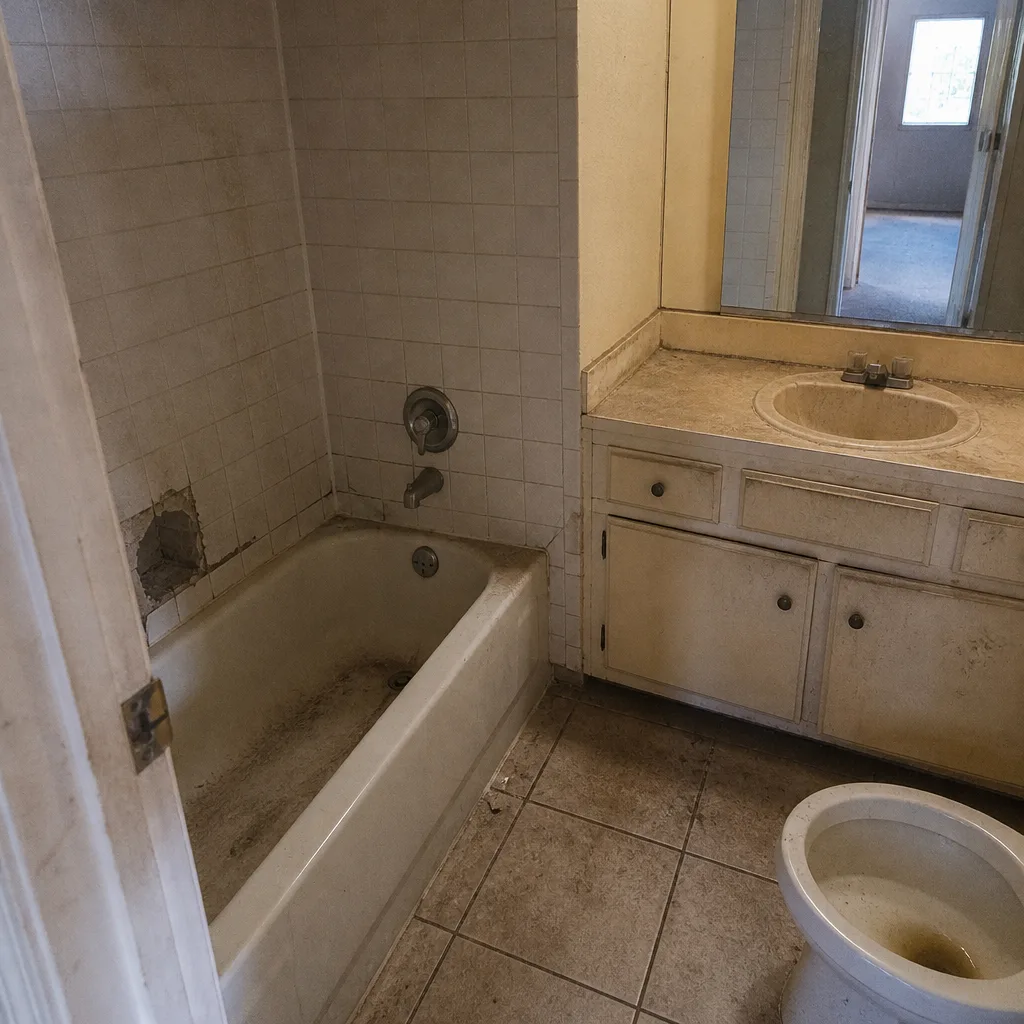 Before
 After
 Before
 After