Last updated November 18, 2026





Free written scope consultation - allowances, timeline, and change-order rules on paper before a single trade is scheduled
Seasonal Construction Care for Henderson: Year-Round Homeowner’s Guide
Henderson gets roughly six weeks of what could generously be called “mild” weather twice a year – and those windows are the only time certain repairs and preventive work actually hold the way they’re supposed to. The rest of the calendar is split between a summer that bakes concrete and cooks caulk, and a monsoon stretch that finds every weak spot in your grading and flatwork. Homeowners here who run a traditional four-season maintenance schedule are usually fixing the wrong thing at the wrong time. This guide lays out what actually needs attention in Henderson, and when, so your home isn’t paying for a calendar that doesn’t match its climate.
Quick Answer
In Henderson, seasonal construction care runs on two short mild windows – roughly March through April and October through November – bracketed by a brutal summer and a monsoon season from July through September. Seal, inspect, and reinforce in the spring window, protect and monitor through the heat, obsess over drainage and grading during monsoon, and use the fall window for the concrete, paver, and exterior work that fails when poured or installed in extreme temperatures. Scheduling big flatwork and exterior projects outside those two windows is the most common and most expensive mistake we see.
Styles & brands we work with
- Kitchen remodeling
- Bathroom remodeling
- Home additions & ADU
- Roofing
- Windows & doors
- Driveway & pavers
- Fence
Table of Contents
- Why Henderson Really Has Two Seasons (Not Four)
- The Pre-Summer Window: What to Seal, Inspect, and Reinforce in March and April
- Summer Survival Mode: What Needs Attention During Peak Heat (and What Should Wait)
- Monsoon Season: Drainage, Grading, and Flatwork Inspection Protocol
- The Post-Monsoon Window: Henderson’s Most Underused Maintenance Season
- Why Concrete and Paver Work Scheduled Outside the Mild Windows Fails Faster
- Henderson Neighborhood Watch: Where Seasonal Wear Hits Hardest
- Your Henderson Seasonal Construction Care Calendar
Why Henderson Really Has Two Seasons (Not Four)
Most maintenance guides are written for a Midwest or East Coast climate with four distinct seasons and regular freeze-thaw cycles. Henderson doesn’t work that way. We get a long stretch of triple-digit heat, a monsoon period that dumps a year’s worth of rain in a handful of violent storms, and two brief shoulder windows in between.
That matters because the failure modes are different. In a cold climate, the enemy is ice expanding in cracks. In Henderson, the enemy is thermal expansion, UV degradation, and rapid water intrusion on soil that doesn’t absorb fast enough. Sealants bake and crack. Concrete slabs expand and heave. Wood fences dry and split. Stucco hairline cracks open up. Your grading erodes in a single storm.
Here’s the counterintuitive part: a lot of the damage you’re repairing in the summer was actually set in motion by work done at the wrong time – concrete poured in August that cured too fast, pavers installed on soil that wasn’t properly prepped, caulk applied in direct heat. The season you schedule work in matters as much as the work itself.
We’ve spent enough time on Henderson job sites to know the calendar most homeowners follow doesn’t match the one the climate actually runs on. This guide fixes that. It’s built around the two windows that matter and the two brutal stretches that don’t forgive mistakes.
The Pre-Summer Window: What to Seal, Inspect, and Reinforce in March and April
March and April are your best shot at getting ahead of the heat. Temperatures are still workable, sealants cure properly, and you have time to fix problems before the summer exposes them. This is the window where preventive work actually pays off.
Here’s the priority order we recommend:
- Inspect and reseal exterior sealant joints around windows, doors, and penetrations. Heat and UV break down caulk and expand joints. Spring is when temperatures let new sealant bond and cure correctly.
- Wash and inspect the roof – look for lifted shingles, cracked flashing, and granule loss. A small flashing issue is cheap in April and a ceiling repair in August. If your roof is aging, spring is the right time to plan a replacement rather than react to a leak. Our Groundwork Construction Co. of Henderson home page lays out how we scope a full roof evaluation.
- Check the grading and drainage before monsoon, not during it. Walk the perimeter and confirm soil slopes away from the foundation. Clear weep holes, clean gutters, and make sure your swales are intact.
- Service the HVAC and check attic ventilation. A hot attic cooks shingles from underneath. Good ventilation extends roof life; poor ventilation shortens it.
- Inspect the fence and gates. Look for split posts, loose hinges, and leaning panels. Spring is the ideal time for repairs before summer heat and monsoon wind stress the structure further.
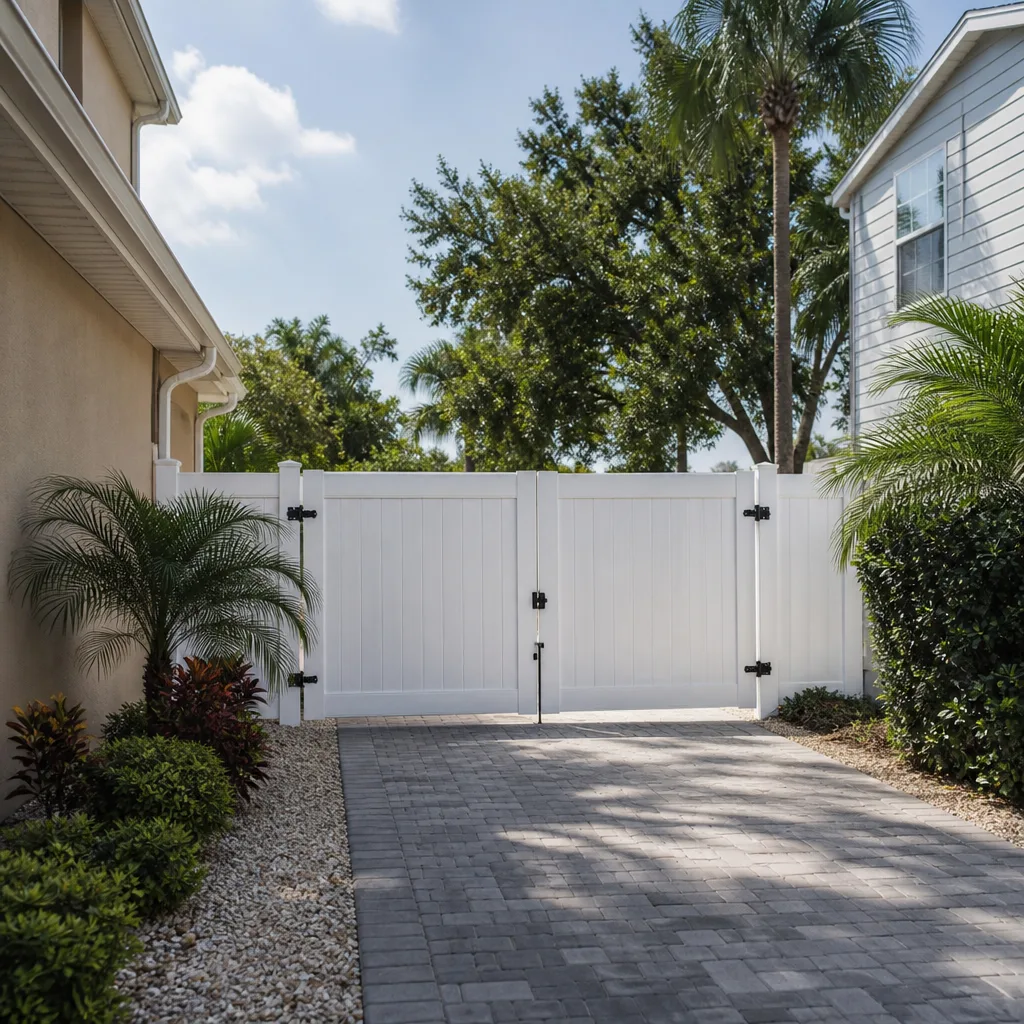
This is also the ideal window to lock in any exterior project on the calendar. If you’re planning a fence installation in Henderson, spring scheduling gets the work done before the punishing heat. The same logic applies to windows and doors – resealing and replacement in the shoulder season hold up far better than work done in July.
None of this is glamorous. It’s the boring preventive work that keeps bigger bills away. But in Henderson, the spring window is short, and the homeowners who use it consistently spend less over time.
Summer Survival Mode: What Needs Attention During Peak Heat (and What Should Wait)
Once triple digits settle in, your job shifts from preventive to protective. The sun is now actively degrading exterior materials, and the ground is too hot for certain kinds of work to succeed.
What actually needs attention in summer:
- Watering and shading strategies for new plantings and turf – stressed landscape around flatwork can undermine soil stability.
- Monitoring for new cracks in stucco, concrete, and grout – thermal expansion reveals problems fast. Note them now; fix them in the fall window.
- Keeping gutters clear – a single monsoon storm with clogged gutters can push water where you don’t want it.
- Checking the AC condensate line and any drip systems – small water issues behind walls become big ones fast.
What should wait:
- Pouring new concrete slabs. Concrete poured in extreme heat cures too fast, which leads to shrinkage cracks and weaker slabs. Unless the crew uses specific hot-weather curing methods, this fails prematurely.
- Installing pavers on unprepared or baked soil. New driveway & pavers in Henderson need proper base prep; the summer heat makes correct compaction and base work harder to execute well.
- Applying some exterior paints and sealants. They don’t cure correctly above certain temperatures. Read the product specs, and don’t let anyone rush this.
Here’s where you need to be skeptical: a contractor who tells you summer is a fine time to pour a big slab or lay pavers without discussing hot-weather curing is either inexperienced or hoping you won’t ask. The materials themselves are fine; the timing and technique determine whether they last. Ask how they handle heat curing. If they can’t answer clearly, that’s your signal.
Monsoon Season: Drainage, Grading, and Flatwork Inspection Protocol
July through September is when Henderson’s monsoon storms hit – short, intense, and capable of dropping more water than the ground can absorb. This is when every weakness in your drainage and grading shows up at once. It’s also when you get free diagnostic information: watch where water goes and where it pools.
Here’s a monsoon inspection protocol to run after every major storm:
- Walk the perimeter during and right after heavy rain. Note where water pools against the foundation, where swales overflow, and where runoff cuts channels through soil or mulch.
- Check every flatwork joint and slab edge. Look for new cracks, settling, or soil washed out from beneath concrete. Washout under a slab is a structural concern, not a cosmetic one.
- Inspect your fascia, soffit, and roof edges. Monsoon wind and driven rain find gaps. Water stains on stucco or soffit usually trace to a flashing or sealant failure.
- Confirm drainage ditches and storm swales are clear of debris, gravel, and vegetation that stormwater will push downhill.
- Photograph everything. Storm damage documentation helps with insurance and gives any contractor an accurate picture of the problem.
Henderson’s soil – often caliche-heavy and slow to absorb – means drainage design matters more here than in wetter climates with softer ground. A grading plan that works in a place with loamy soil can fail badly on a Henderson lot.
Monsoon season is also when water intrusion around additions and covered patios becomes obvious. If you’re already planning an addition or ADU in Henderson, storm season tells you exactly where the existing structure takes on water – valuable information before you build anything new. Get that inspection done while the evidence is fresh.
The Post-Monsoon Window: Henderson’s Most Underused Maintenance Season
October and November are the most underused maintenance season in Henderson. Homeowners mentally shift to “winter is coming” and do nothing, but this window is arguably the most valuable one you get. The dangerous heat is gone, monsoon is over, and you have weeks of workable weather before the rare cold snaps arrive.
What to prioritize in the fall window:
- Repair the cracks and settling monsoon exposed. Concrete, stucco, and paver damage noted in summer and monsoon season can finally be fixed correctly in mild temperatures. This is the optimal time to schedule concrete repair, paver resetting, and exterior sealing.
- Repaint and reseal exterior surfaces. Paint and sealant cure well in the fall shoulder season. Doing it now protects surfaces through next summer’s UV assault.
- Inspect the roof one more time before the cool season. Confirm all flashing is tight and any lifting shingles are addressed.
- Clean gutters and clear drainage so fall debris doesn’t create a spring water problem.
- Schedule any winter projects. Fall is the time to lock in a spring renovation, addition, or remodel so you’re not competing for scheduling when everyone else calls in March.
The fall window is when you fix everything the summer and monsoon revealed. The homeowners who use October and November consistently are the ones whose properties are in the best shape by the following spring. It’s a quiet season that does a lot of heavy lifting if you let it.
Why Concrete and Paver Work Scheduled Outside the Mild Windows Fails Faster
This is the part most contractors won’t spell out: concrete and paver work scheduled outside Henderson’s two mild windows fails faster, and the failure often shows up within a year or two, not a decade. The reasons are physical and specific.
Concrete needs a controlled cure. In triple-digit heat, the water in the mix evaporates too fast, so the slab doesn’t develop its full strength and cracks prematurely. In cold snaps, water in the mix can freeze before it sets, weakening the whole pour. The mild windows give you the temperature range where concrete cures predictably and pavers set well on properly compacted base.
Paver work has its own issues. In summer, the base material and soil get so hot that compaction and moisture control get harder to manage, and the pavers can shift once the season changes. The base layer in a driveway & pavers installation in Henderson is only as good as the conditions it was installed in.
So what do you do with a contractor who won’t tell you any of this? Push back. Ask these questions:
- “How will you control the cure in this temperature?” A professional has an answer – curing compounds, wetting schedules, shaded work, timed pours. Someone who shrugs doesn’t.
- “Is now actually the right season for this work?” A straight answer builds trust. A contractor who says yes to everything is optimizing for their schedule, not your slab.
- “What’s your warranty if this cracks in the first year?” The answer tells you whether they expect it to hold.
This is exactly why our driveway & pavers work in Henderson is scoped around the appropriate windows – and why we put it in writing with a 730-Day Done Right Promise. If the work isn’t done right, we make it right. Materials matter too; we use brands like Belgard for paver systems and James Hardie for exterior cladding because they’re built to handle this climate, and we back them in writing.
Henderson Neighborhood Watch: Where Seasonal Wear Hits Hardest
Henderson isn’t uniform. The way the seasons wear on a home depends heavily on where it sits. Here’s what we see in specific parts of the valley.
Green Valley and older established neighborhoods tend to show their age around rooflines, stucco, and older concrete flatwork, and the seasonal repairs there are often cumulative. Older drainage patterns need revisiting after every strong monsoon.
Anthem and the foothill areas deal with more wind and steeper lot grading. That means wind-driven monsoon rain finds different weak points, and drainage failures run fast on sloped lots. Fence and roof edges get more stress, and proper grading matters even more.
Newer builds on the fringes often need the first couple of seasons to reveal how the lot actually drains once vegetation is in and soil has settled. New construction doesn’t automatically mean seasonal-proof – the first big monsoon shows you exactly where water wants to go.
The point is that seasonal care in Henderson isn’t generic. Watch where water pools on your particular lot, and adjust your inspection priorities to what your specific neighborhood and design actually experience. A foothill property with steep grading has different priorities than a flat lot near the edge of older development.
Your Henderson Seasonal Construction Care Calendar
Here’s the whole thing in one place – the calendar that actually matches the Henderson climate instead of a generic four-season schedule.
March – April (Spring Window)
- Reseal exterior caulking and joint sealant
- Inspect and wash the roof; check flashing
- Walk and repair grading and drainage
- Service HVAC; check attic ventilation
- Inspect and repair fencing
- Schedule spring exterior projects
May – June (Ramp-Up)
- Finalize pre-summer repairs
- Monitor for early thermal cracks
- Confirm drainage is clear before monsoon
July – September (Monsoon / Heat)
- Run the monsoon inspection protocol after every major storm
- Note cracks and settling for fall repair
- Avoid heat-sensitive pours and sealant application
- Keep gutters and drainage clear
October – November (Fall Window)
- Repair monsoon-exposed cracks and settling
- Repaint and reseal exterior surfaces
- Final roof inspection before cool season
- Clean gutters; prep drainage for next spring
- Schedule next year’s renovations and additions
December – February (Quiet Season)
- Handle indoor-facing projects and planning
- Book spring scheduling early
- Address any cold-snap damage from rare freezes
When you need an addition, renovation, or major exterior project planned around these windows, our Home Additions & ADU in Henderson page covers how we scope that work.
Common Mistakes to Avoid
- Running a four-season schedule in a two-season climate. Following a generic Midwest maintenance calendar means you’re sealing in the heat and pouring concrete in the monsoon. Match the calendar to Henderson’s actual seasons.
- Pouring concrete or laying pavers in peak summer without a hot-weather cure plan. This is the single most expensive timing mistake. Shortened cure means premature cracks and early failure.
- Skipping the fall window entirely. October and November are when you fix what summer and monsoon broke. Ignoring them means the damage compounds into next spring.
- Waiting for a monsoon storm to check drainage. Inspect grading in spring, before the water arrives. Reactive drainage repair costs more and fixes less.
- Letting fence and roof edges go uninspected through windy monsoon season. Loose panels and compromised flashing cause far more damage once wind gets involved.
- Trusting a contractor who agrees to any material at any time of year. If they never mention timing, ask. A real professional factors in temperature, cure, and climate – and won’t cut corners to fill a calendar.
- Treating new construction as maintenance-free. Newer homes in Henderson still need that first-season monitoring. Fresh soil and grading reveal how the lot actually performs under monsoon rain.
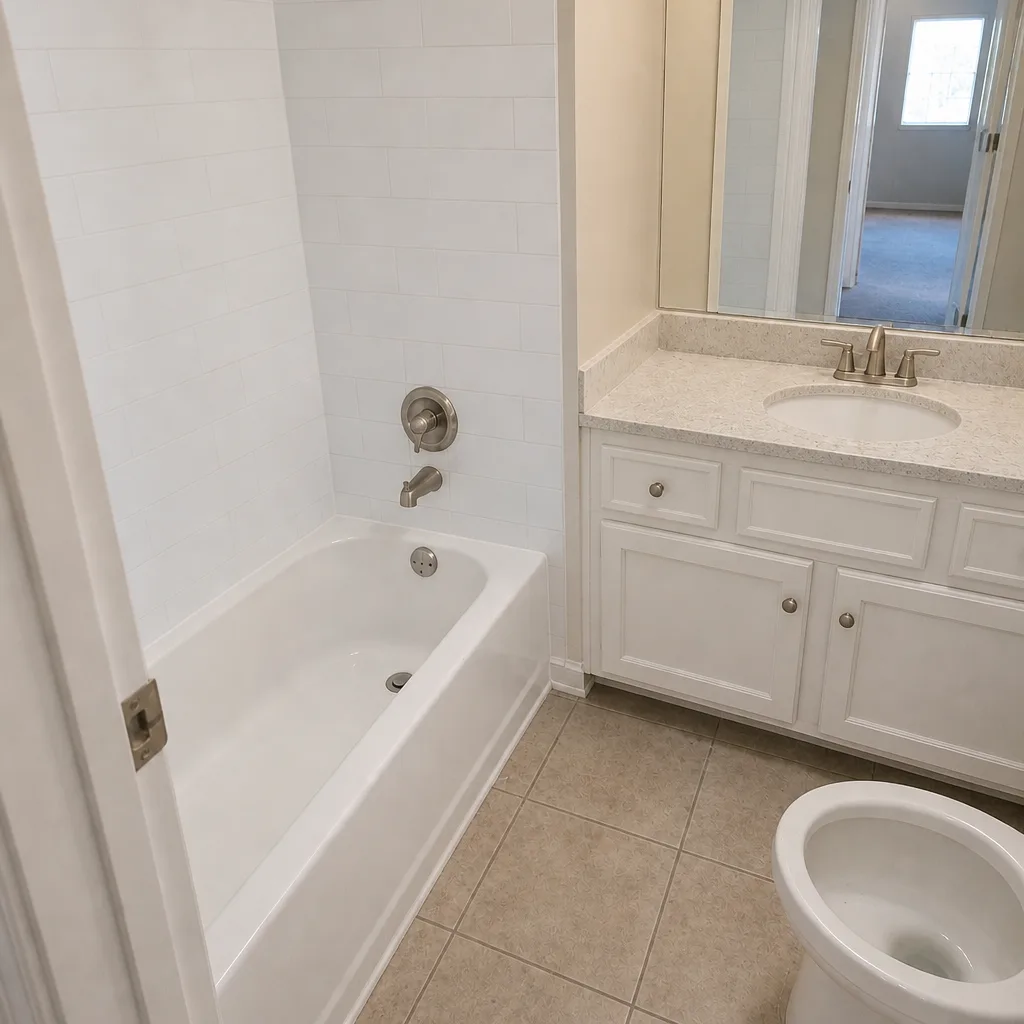
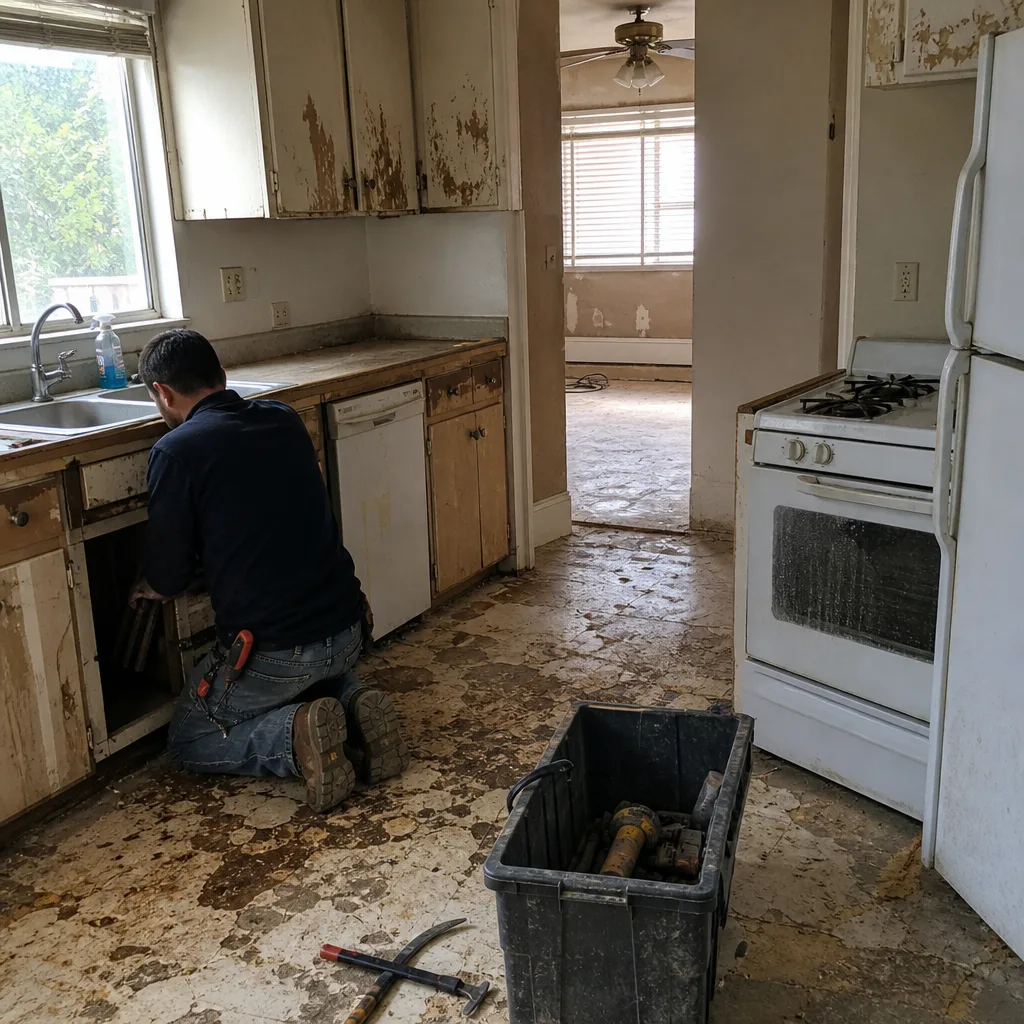
See the difference
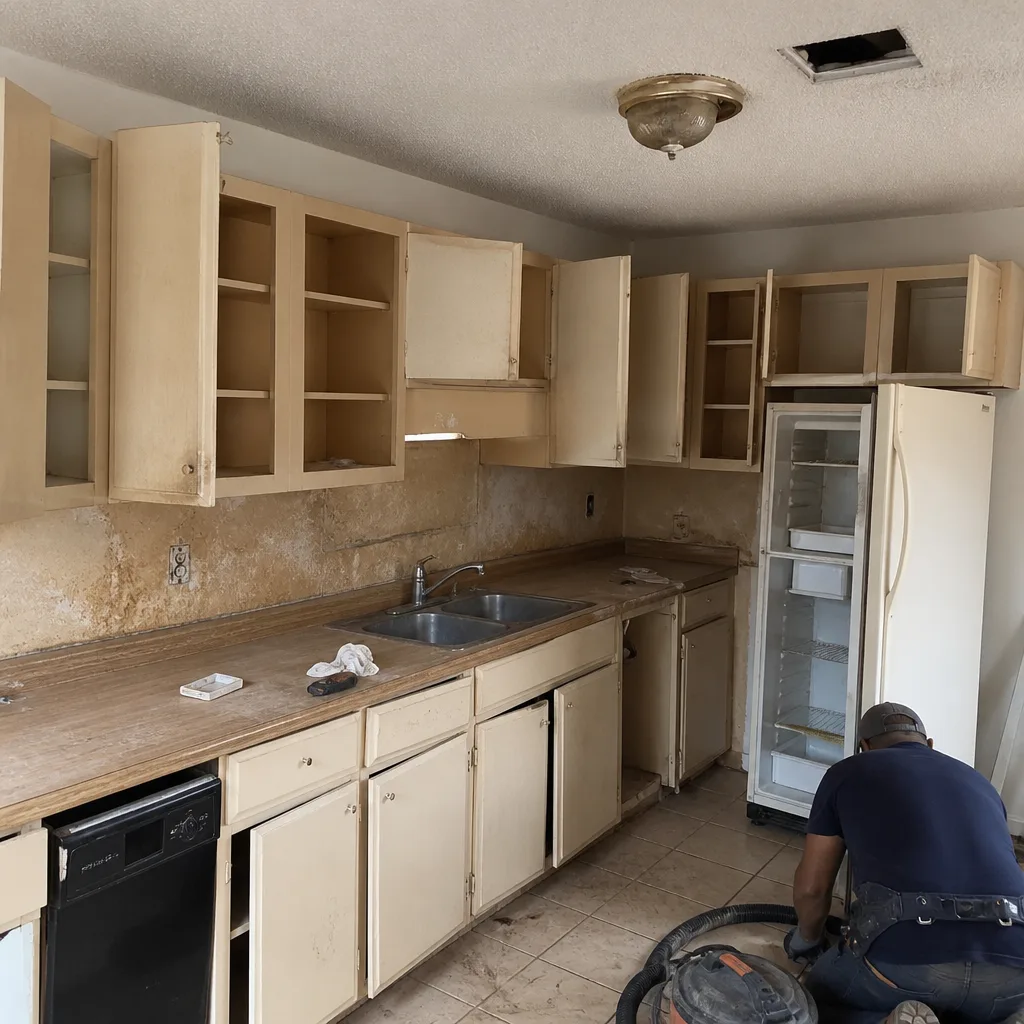 Before
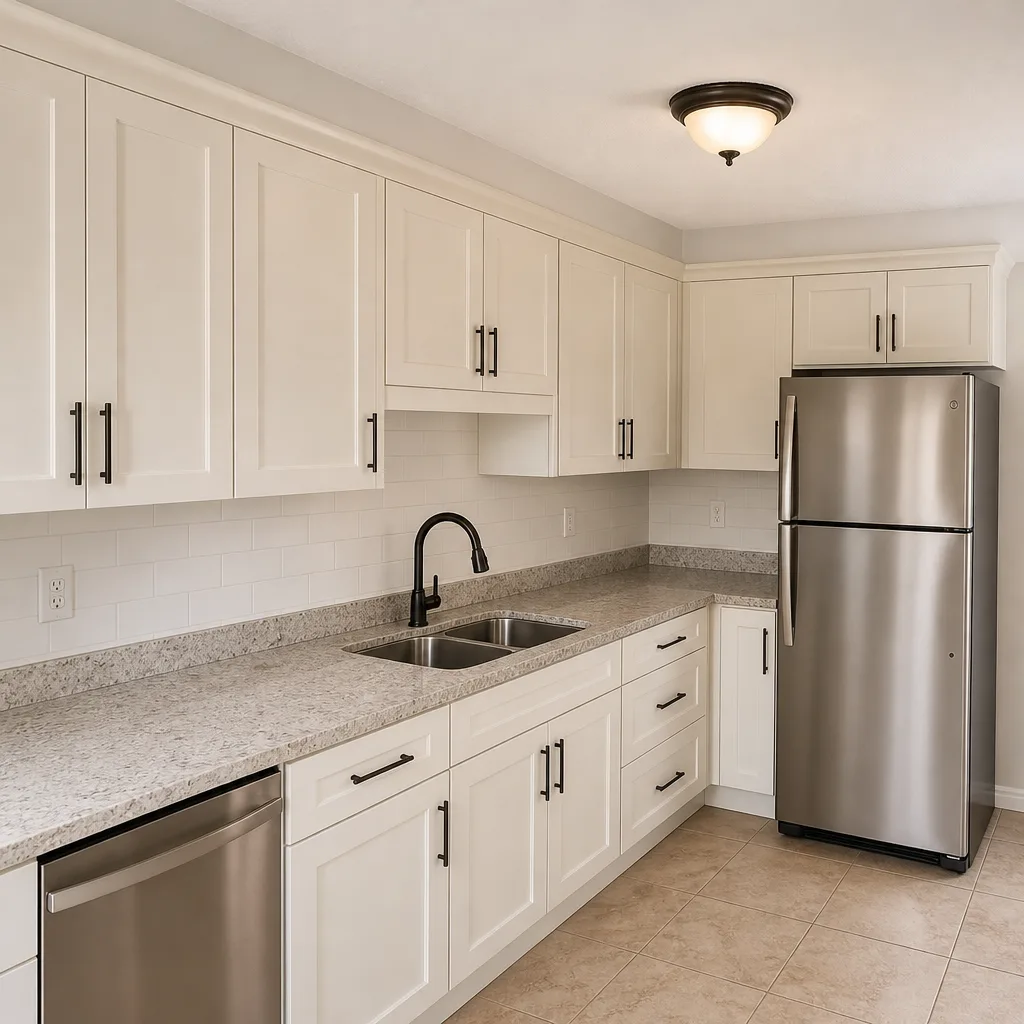 After
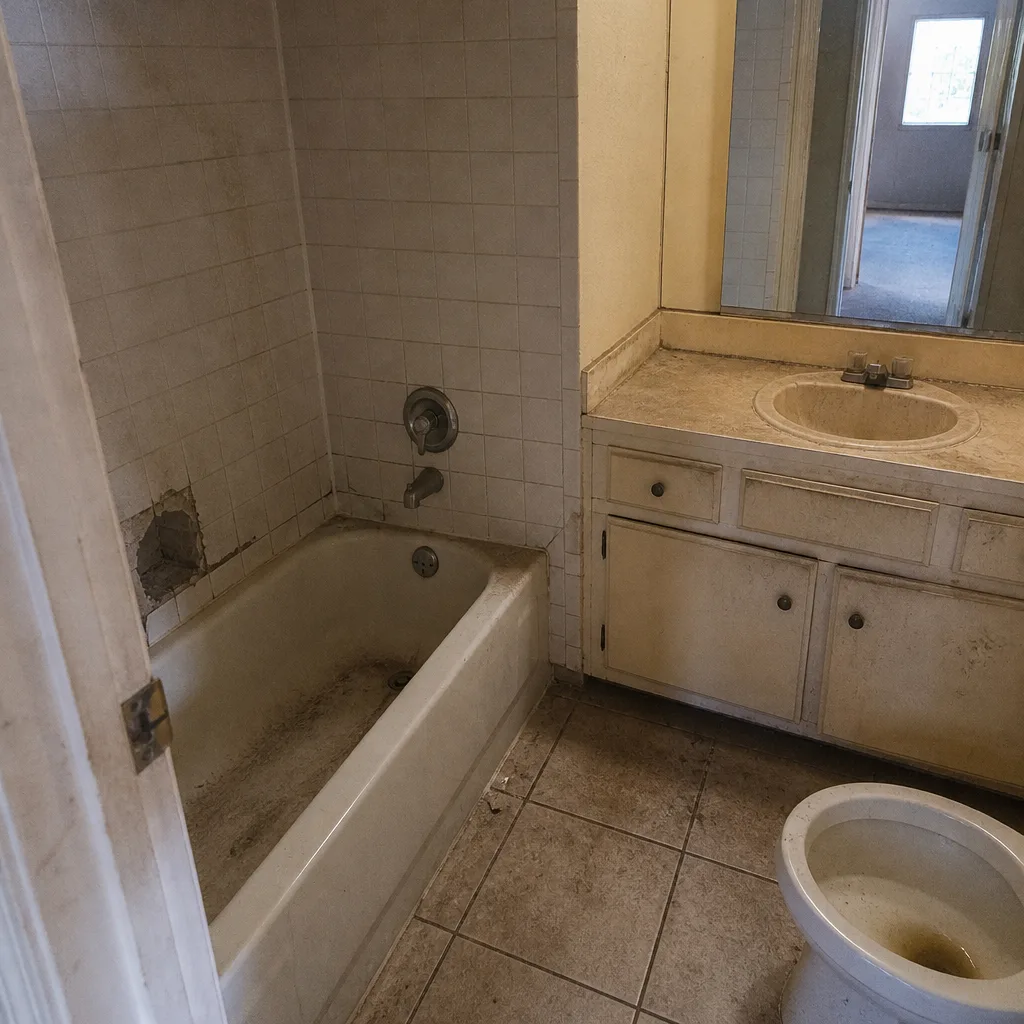 Before
 After
 Before
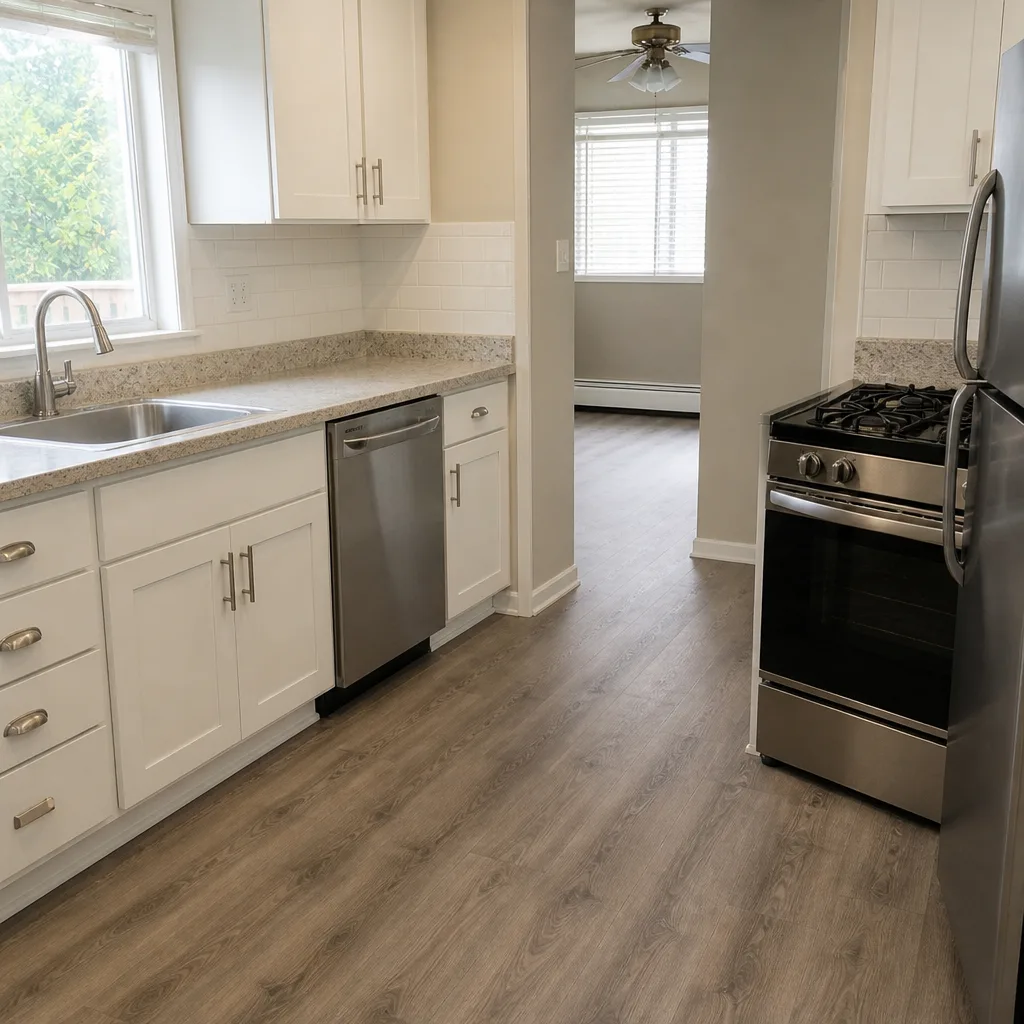 After
When to Call a Professional
Some seasonal care is a homeowner job – clearing gutters, inspecting the perimeter, keeping drainage clear. But call a professional when you find settling or washout under a concrete slab, when you see recurring water intrusion around a window or patio cover, when a roof inspection reveals flashing or shingle problems you can’t safely reach, or when you’re planning any concrete, paver, roof, or exterior project that needs to be scheduled around the mild windows to hold up.
This is where the timing expertise matters. A contractor who understands Henderson’s climate will tell you what to do now and what to schedule for the fall window – and put the plan in writing. Groundwork Construction Co. of Henderson offers free estimates in Henderson – call (844) 320-6757. Our technicians have up to 12 years of experience, and every project is covered by the 730-Day Done Right Promise.
Frequently Asked Questions

The best time for major exterior work is the two mild windows: roughly March through April and October through November. Concrete, pavers, paint, and sealants all perform best when they cure in moderate temperatures rather than triple-digit heat. Schedule these projects in those windows and you’ll get longer-lasting results; force them into summer and you risk premature cracking and callbacks.
It’s possible, but it requires a deliberate hot-weather cure plan – curing compounds, moisture control, and timing the pour around the heat. Without that, concrete poured in peak summer cures too fast and cracks prematurely. Ask any contractor how they handle hot-weather curing; if they can’t explain it clearly, wait for the fall window.
Check your perimeter for water pooling against the foundation, look for washout under flatwork, inspect fascia and roof edges for driven-rain damage, and confirm your drainage ditch and swales are clear. Photograph anything that looks wrong. Monsoon season is free diagnostic information – it shows you exactly where your property’s weak spots are, and you fix them in the fall window.
Have the grade checked before monsoon, not during it. Confirm soil slopes away from the foundation, weep holes are clear, and swales are intact. Henderson’s caliche-heavy soil absorbs slowly, so drainage that works elsewhere can fail here. A pre-monsoon inspection catches most problems in the spring window before they cause real damage.
Because most homeowners shift into a “winter coming” mindset after summer and do nothing, missing the best repair window of the year. October and November give you mild temperatures and a clean break from monsoon – ideal for fixing every crack and settling issue the summer revealed. Using this window consistently keeps your property in far better shape by spring.
No. In Henderson, timing directly affects how long exterior work lasts. A contractor who agrees to pour concrete or apply sealant in any conditions is prioritizing their schedule over the durability of your project. Ask how they handle temperature and cure; if the answer is vague, that’s a signal to keep looking.
The Bottom Line
Henderson’s climate doesn’t run on four gentle seasons. It runs on two short mild windows and two brutal stretches – summer heat that exposes every material weakness, and monsoon rain that finds every drainage failing. The homeowners who thrive here are the ones who seal and inspect in spring, protect and monitor through summer, watch their grading and flatwork during monsoon, and repair everything in the fall window. Schedule your concrete, paver, roof, and exterior work inside the mild windows, and push back on any contractor who pretends timing doesn’t matter. That single shift saves more money and prevents more damage than any one repair.
If you’re ready to plan work around those windows – or you’ve found a problem you don’t want to wait on – call (844) 320-6757 to schedule your free estimate with Groundwork Construction Co. of Henderson. Upfront pricing, no surprises, live person 24/7, and every job backed by the 730-Day Done Right Promise.
Written by the team at Groundwork Construction Co. of Henderson.