Last updated November 18, 2026




Free written scope consultation - allowances, timeline, and change-order rules on paper before a single trade is scheduled
Windows & Doors Maintenance Schedule: What to Do and When
Skipping the twice-yearly track and weep hole cleaning on Henderson windows isn’t laziness. It’s a $400-per-window mistake. Blocked weep holes turn a routine summer monsoon rain into water pushing past the sill and into your wall cavity, and once that starts, you’re replacing frame sections instead of wiping out a channel. Henderson homes sit in a dust-heavy, high-UV, low-humidity climate that punishes glass, seals, and hardware in ways a generic national checklist ignores. What follows is a real maintenance calendar built for this valley: what to do each season, which tasks prolong service life, and where our 730-Day Done Right Promise ends and your weekend list begins.
Quick Answer
Windows and doors in Henderson need attention four times a year, with the heaviest work done in spring before monsoon season and in fall before cold nights arrive. The core recurring tasks are cleaning weep holes and tracks, lubricating hinges and multi-point locks, checking weatherstripping for UV damage, and inspecting seals after summer heat. Done consistently, that schedule stretches window and door performance toward 15 years instead of 8.
Styles & brands we work with
- Kitchen remodeling
- Bathroom remodeling
- Home additions & ADU
- Roofing
- Windows & doors
- Driveway & pavers
- Fence
Table of Contents
- Why Henderson Windows and Doors Age Faster Than the National Average
- Spring Prep: Cleaning and Sealing Before Monsoon Season
- Weep Hole Maintenance in a Dust-Heavy Environment
- Post-Summer Inspection: What UV and Heat Actually Do
- Fall Weatherstripping Audit Before Cold Nights
- Hardware Lubrication Schedule for Locks, Hinges, and Operators
- What the 730-Day Promise Covers vs. Owner Maintenance
- Common Mistakes to Avoid
- When to Call a Professional
Why Henderson Windows and Doors Age Faster Than the National Average
Most maintenance guides are written for a temperate climate with moderate sun, moderate humidity, and moderate temperature swings. Henderson gives you none of that. Summer surface temperatures on west and south-facing frames routinely climb high enough to soften sealant, and the sun’s UV load here is intense enough that rubber weatherstripping and foam gaskets break down ahead of the replacement timelines printed in manufacturer literature. Combine that with the dust that settles on every horizontal surface after a windy week, and the components that fail first here are rarely the glass. They’re the seals, the tracks, and the moving hardware.
We’ve seen this pattern across the valley. A window installed on a shaded north wall in Green Valley behaves differently than the same window on a full-sun wall in Anthem or Sun City Macdonald Ranch. The material is identical. The exposure isn’t. That’s the whole case for a Henderson-specific schedule instead of a copied national one: the same part on the same house can fail years apart depending on which way it faces.
Doors feel it too. Entry doors on west-facing front elevations take a full afternoon of direct sun, and the weatherstripping between the slab and the jamb compresses under heat cycling day after day. Sliding patio doors collect dust in their bottom tracks, which grinds the rollers and makes a door feel heavy years before the hardware is actually worn out. None of this is a defect. It’s the climate, and it responds well to a schedule.
If you’re already weighing replacement against repair, our Windows & Doors in Henderson page covers the decision points and the material options we install, including Andersen and Pella lines chosen for how they hold up in desert exposure.
Spring Prep: Cleaning and Sealing Before Monsoon Season
Spring is the highest-value maintenance window in Henderson. The reason is simple: monsoon moisture arrives in summer, and anything you didn’t seal in spring gets tested by it. Work the following list in March or April, before the first real rain threat.
- Clear every weep hole. These are the small slots at the bottom of the exterior frame that let water drain out. If they’re plugged with dust and debris, water pools behind the frame instead of draining.
- Wash tracks and sills. Vacuum the loose grit first, then wipe with a damp cloth. Don’t flood the track with a hose, because water that can’t drain has nowhere to go but inside.
- Inspect exterior sealant around each frame. Look for cracks, gaps, or sections that have pulled away from the stucco. Re-caulk with a paintable exterior sealant rated for high heat.
- Check door sweeps and thresholds. Confirm the sweep contacts the threshold across its full width. Replace if it’s torn or hardened.
- Test every lock and latch. Open and close each window and door once, all the way. Anything that sticks now will stick worse after a summer of heat cycling.
This spring pass takes a homeowner a weekend for a typical single-family house in Henderson. The payoff is that monsoon rain hits a system that’s ready for it instead of one that’s been quietly collecting dust since last fall.
Weep Hole Maintenance in a Dust-Heavy Environment
Weep holes deserve their own section because they’re the single most neglected component on Henderson windows and the most expensive to ignore. In a wetter climate, rain washes the channels out on its own. Here, dust settles into them and stays. A spring windstorm can pack a weep hole solid in an afternoon.
There’s a right way and a wrong way to clear them. The wrong way, which we see often, is jabbing a screwdriver or a stiff wire through the opening. That scratches the frame finish, and more importantly it can tear the small flap or membrane designed to keep water draining one direction while blocking wind-driven dust and insects from coming back in. Once that seal is compromised, the weep hole stops doing its job even when it looks clear.
Here’s the method that doesn’t damage the seal:
- Use a soft brush or a vacuum with a narrow nozzle to lift loose dust from the opening first.
- Flush gently with low-pressure water from a squeeze bottle or a hose on a light setting. Water should run out freely. If it backs up, there’s a blockage further in.
- Never use compressed air aimed into the cavity, which drives dust and moisture deeper instead of out.
- Check all of them, not just the visible ones. Second-story windows and windows behind furniture get missed for years.
- Repeat after any significant dust event, not just on the seasonal schedule.
If water doesn’t drain freely after a gentle flush, the blockage is past the point you should be working on. That’s a call to a professional rather than a reason to push harder with a tool.
Post-Summer Inspection: What UV and Heat Actually Do
By September, your windows and doors have been through a hundred-plus days of intense sun and heat cycling. That’s the moment to look for what the season did, before fall weather gives you a different set of problems to think about.
The visible wear items after a Henderson summer are predictable:
- Discolored or brittle weatherstripping. Rubber and foam that has gone chalky or cracked has lost its ability to seal. This is the most common post-summer finding.
- Shrunk or cracked exterior caulk. Heat expansion and contraction pull sealant away from joints over a summer.
- Warped or sticking door slabs. Wood and composite doors move with heat and humidity swings. A door that drags in September usually needs adjustment, not replacement.
- Hazy or fogged glass units. If you see cloudiness between panes, the sealed glass unit has failed. That’s not a maintenance item; it’s a replacement.
- Faded frame finishes. Anodized and painted finishes on aluminum frames take a UV beating on south and west elevations.
Check each face of the house separately. The south and west walls will show the most UV wear, and the north and east walls will look years newer. Address the sun-exposed sides first, because that’s where the sealing and weatherstripping budget actually goes.
Fall Weatherstripping Audit Before Cold Nights
Here’s where the standard replacement advice fails Henderson homeowners. National guidance typically suggests inspecting weatherstripping annually and replacing it every few years. In this climate, UV and ozone exposure degrades rubber and foam seals roughly 30 to 40 percent faster than those guidelines assume. A gasket that would last three seasons in a moderate climate may be done in two here, and the sliding-door seal on a full-sun patio door can go sooner.
The fall audit is straightforward:
- Do the paper test. Close a door or window on a dollar bill or a strip of paper at several points around the perimeter. If it slides out with no resistance, the seal isn’t contacting.
- Look at the seal itself. Cracked, flattened, or crumbling weatherstripping needs replacing. Foam tape and rubber bulb seals are the usual offenders.
- Check thresholds and door bottoms. Worn sweeps let cold air in and let heated air leak out all winter.
- Feel for drafts on a cool morning. Your hand finds gaps that a visual inspection misses.
- Replace with UV-rated material. This is the key step most people skip. Standard foam weatherstripping will fail fast in Henderson sun. Use a product rated for exterior UV exposure and high heat.
A dollar of weatherstripping and a Saturday afternoon will do more for your winter comfort and energy bill than almost any other maintenance task on this list.
Hardware Lubrication Schedule for Locks, Hinges, and Operators
Moving parts fail from friction and dust, and both are abundant here. Multi-point locking systems on entry doors and the crank operators on casement windows have a service life that depends almost entirely on whether they get lubricated. Skip it and a $600 locking system seizes years early. Maintain it and it outlasts the window.
The schedule that works:
- Every three months: Apply a dry lubricant or a silicone spray to hinge pins, casement operators, and the moving parts of multi-point locks. Dry lubricants are better than oil here because oil attracts and holds the dust that causes the problem in the first place.
- Every six months: Lubricate sliding patio door rollers and the track itself. Clean the track first, because lubricating a dirty track just makes grinding paste.
- Once a year: Check and adjust strike plates and latches. A door that needs a shoulder to close is out of alignment, and forcing it wears the lock faster.
- After any dust event: Wipe down exposed hardware on patio doors and reapply a light coat where it’s worn.
Small preventative work here has an outsized payoff. We’ve replaced more hardware that died from neglect than hardware that wore out from use.
What the 730-Day Promise Covers vs. Owner Maintenance
We want this part unambiguous, because confusion about warranty coverage causes more frustration than any actual failure. Our 730-Day Done Right Promise covers the workmanship of the installation we perform: if something we installed isn’t right, we make it right for two full years. That’s one of the longest workmanship guarantees in residential construction, and it exists so you’re not chasing us over a leak or a misaligned door.
What it doesn’t cover is owner maintenance. Here’s the line:
- Covered by our promise: installation errors, failed seals on units we installed that fail prematurely due to defect or workmanship, doors that don’t operate properly because of how they were set, and any leak traceable to the install.
- Owner responsibility: keeping weep holes clear, cleaning tracks, lubricating hardware, replacing weathered weatherstripping, and re-caulking joints as they age. These are the tasks in this guide.
The distinction is fair and it matters. A weeping window that flooded because the weep holes were packed with dust isn’t a warranty issue; it’s a maintenance issue. A window that leaked because the frame wasn’t sealed correctly at install is ours. We’d rather spell that out now than have the conversation during a rainstorm.
If your home needs broader work beyond windows and doors, we handle the full scope from foundation to finish line and can fold that into a single walkthrough. You can see the full range on our Groundwork Construction Co. of Henderson home page.
Common Mistakes to Avoid
- Power-washing around windows. High pressure drives water past seals and into wall cavities, and it can shred the flap inside a weep hole in seconds. In Henderson’s dusty conditions the temptation is strong, but a garden hose and a brush do the job without the risk.
- Poking weep holes with a screwdriver. The wire-and-screwdriver method scratches the frame and tears the drainage membrane. Use vacuum suction and low-pressure water instead.
- Using oil on door hardware. Oil grabs the dust that blows through Henderson, turning a smooth mechanism into grinding paste. Dry or silicone lubricants stay cleaner and last longer.
- Waiting for a leak before checking seals. By the time a monsoon finds the gap, water has already been in the wall. Inspect and re-caulk in spring, before the rain.
- Ignoring the north and east walls. They look fine, so they get skipped for years. Rotate your inspection so every face of the house gets checked.
- Replacing weatherstripping with the wrong product. Standard foam tape fails fast in Henderson UV. Use exterior-rated, UV-stabilized material or you’ll be back at it next year.
- Assuming a fogged window is fixable. Cloudy glass between panes means the sealed unit has failed. No amount of maintenance restores it; it needs replacement.
If you’re also thinking about the exterior envelope around those windows, we install roofing with CertainTeed and Owens Corning systems, and the same exposure logic applies from the roofline down. Our Roofing in Henderson page covers that side of the house.
When to Call a Professional
Some tasks in this guide are genuine weekend projects: wiping tracks, flushing weep holes, swapping weatherstripping, lubricating hardware. Others aren’t. Call a professional if a door has settled so far that it drags or won’t latch, if you find water staining or soft drywall around a window frame after a rain, if a sealed glass unit has fogged, or if a window or door needs to come out to fix a framing or flashing problem.
There’s also a safety line here. Windows above the first floor, and any work that involves reaching past the sill from a ladder, put you at height, and that’s where the injuries happen. We’d rather you call than climb.
A free estimate in Henderson is the honest place to start when you’re not sure whether a window needs repair or replacement. Call (844) 320-6757 and we’ll walk the house with you, give you upfront pricing with no surprises, and tell you plainly what’s maintenance and what’s a real problem. Our phone lines are answered by a live person, around the clock.
If your property line or exterior finishes are part of the same to-do list, our Fence Installation in Henderson and Driveway & Pavers in Henderson teams can coordinate with the window and door work so you’re not managing separate contractors.
See the difference
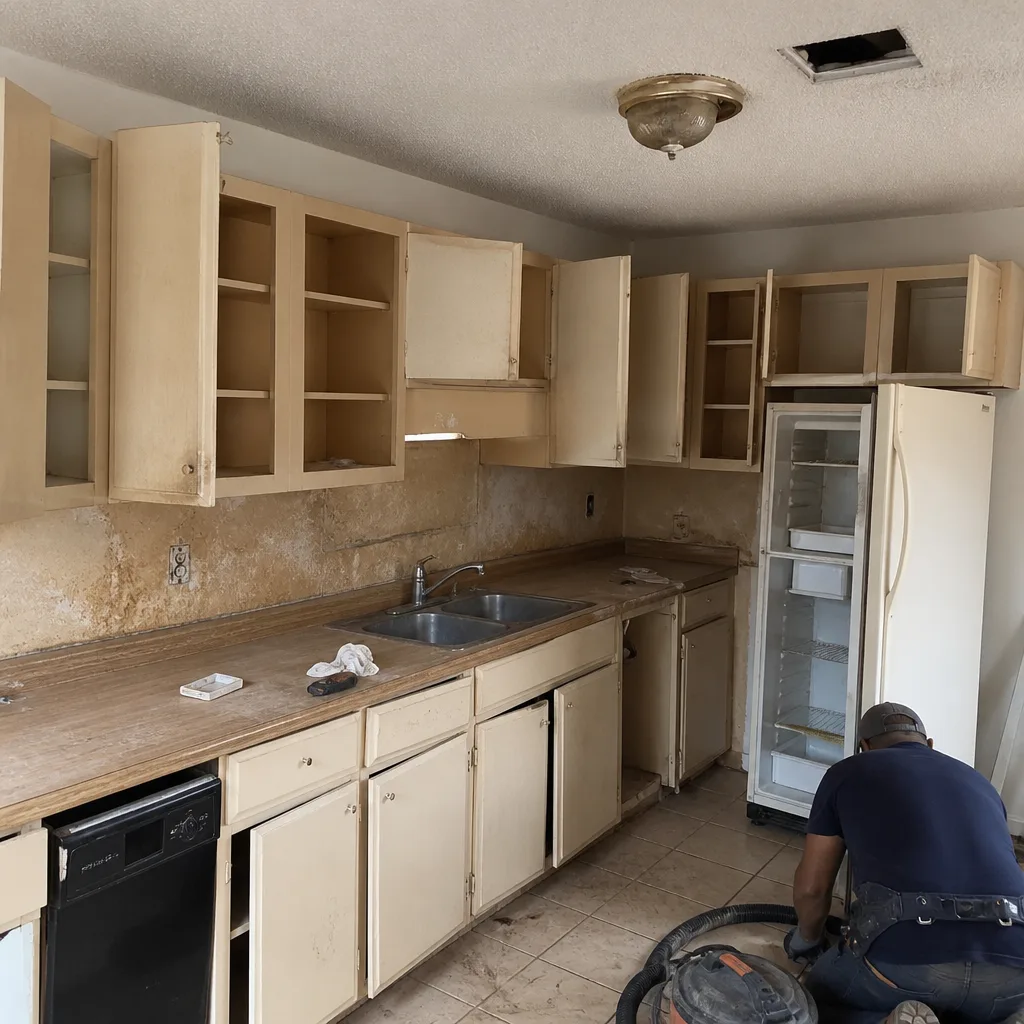 Before
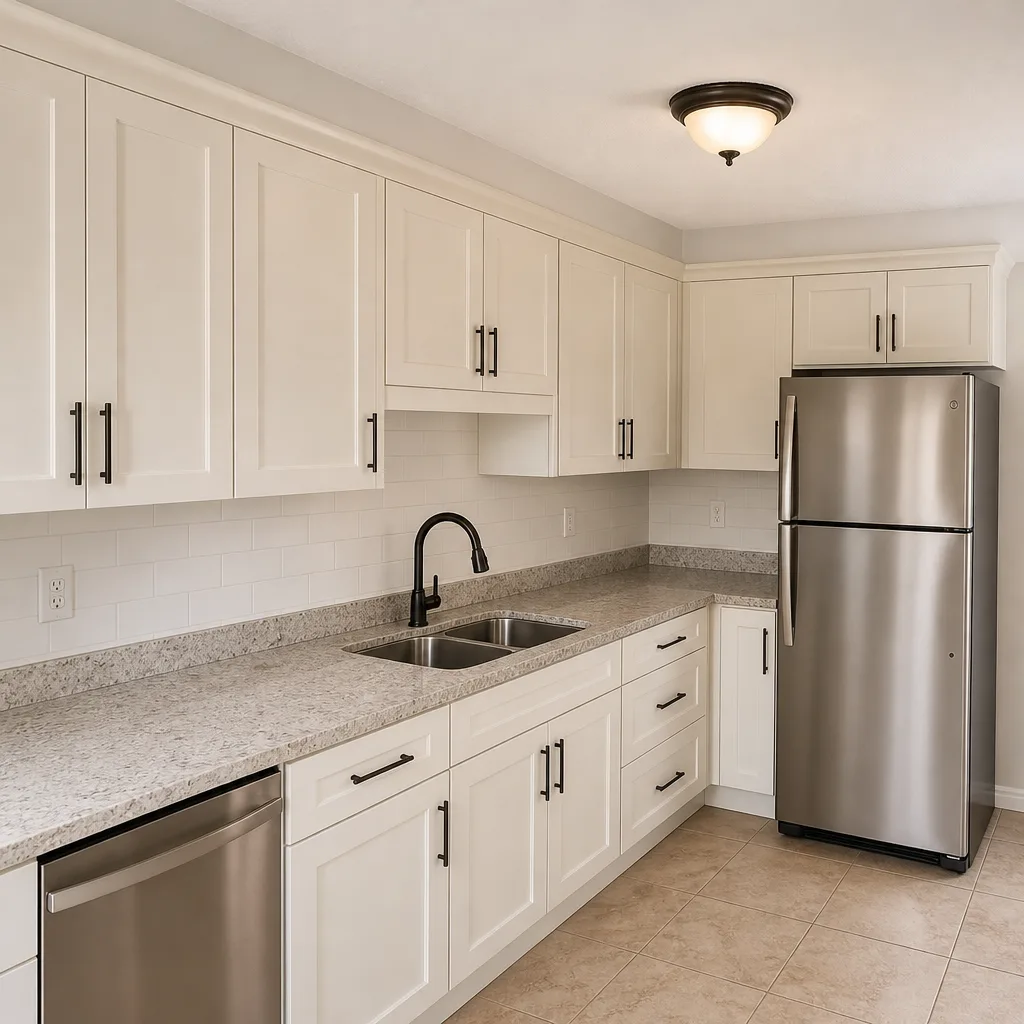 After
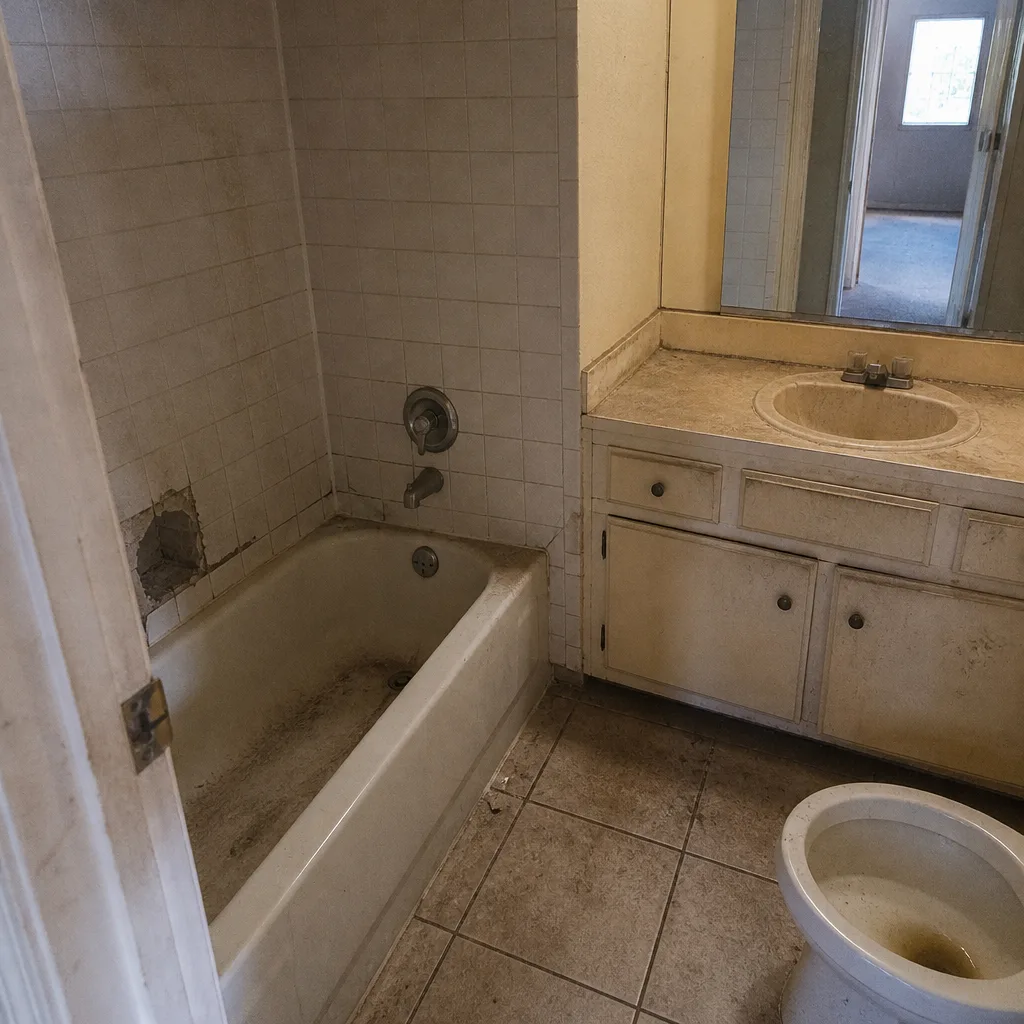 Before
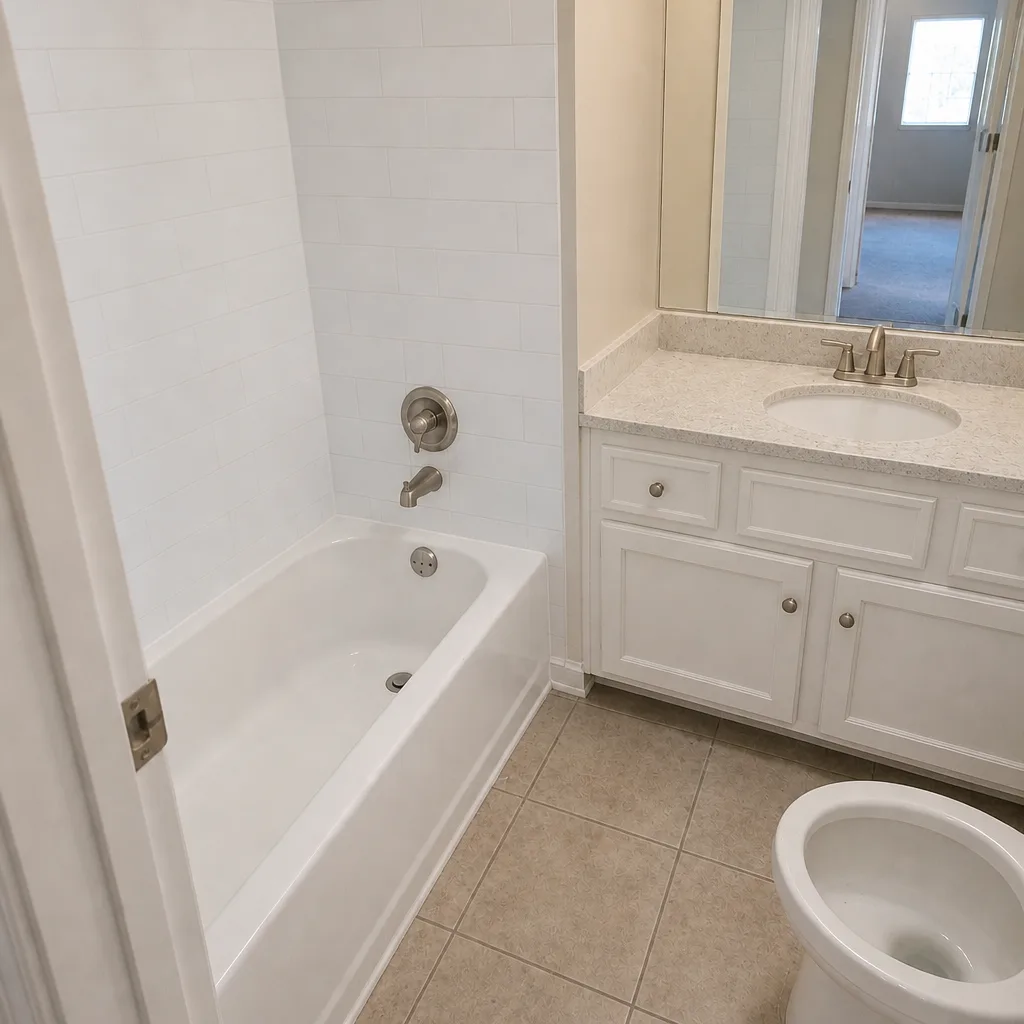 After
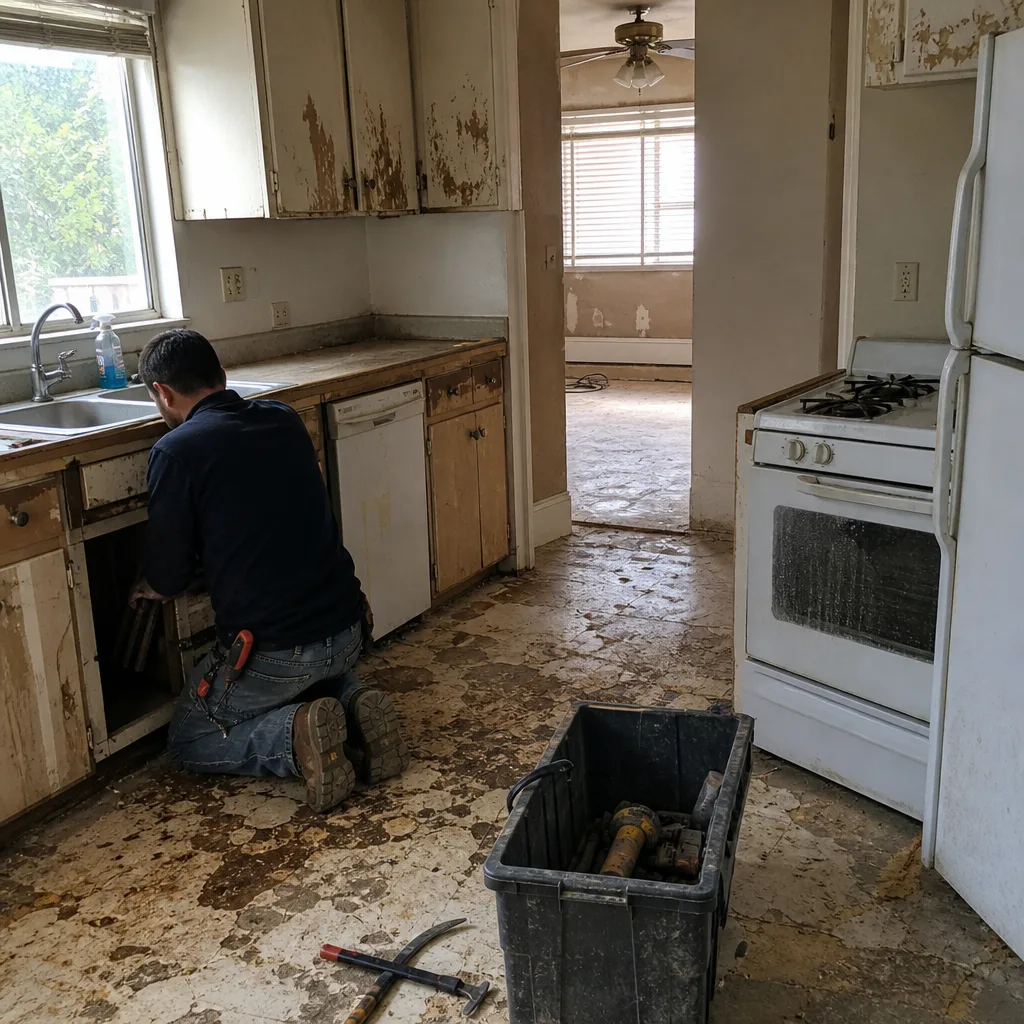 Before
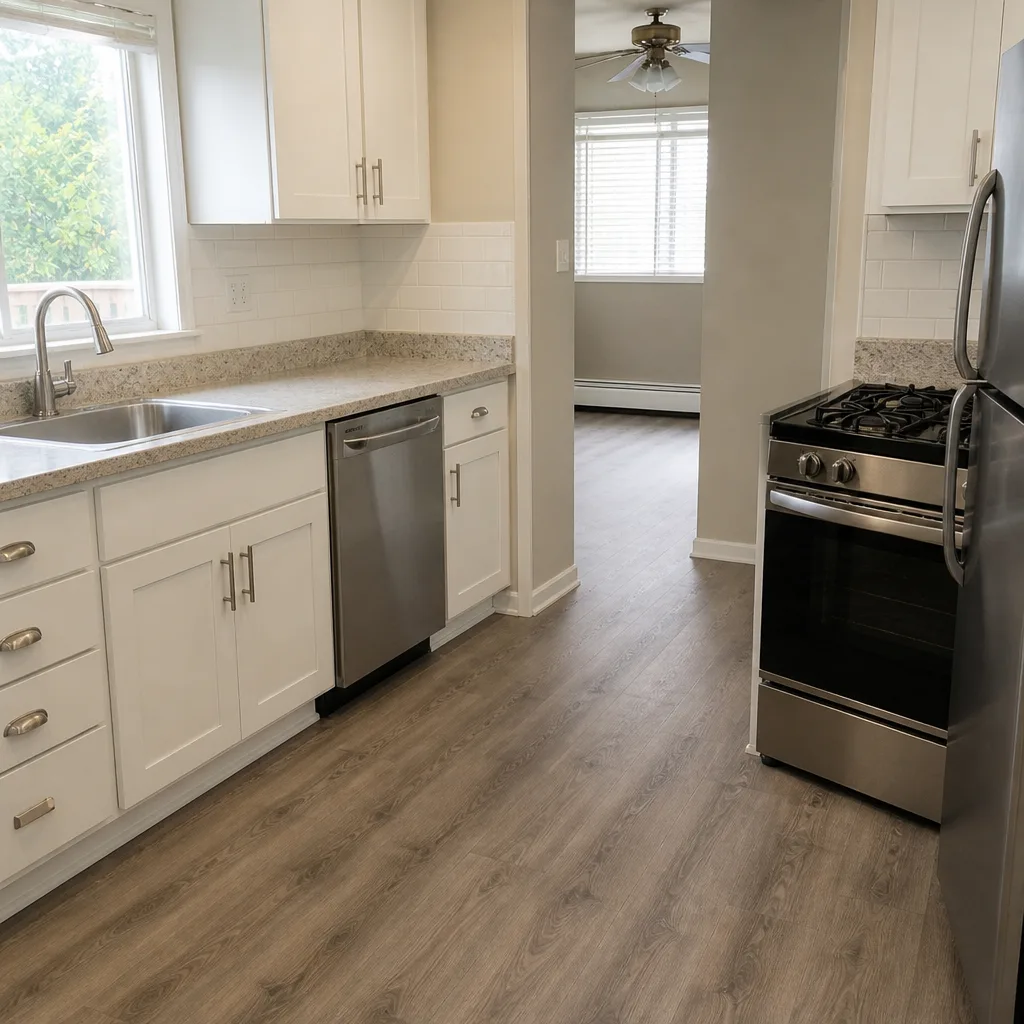 After
Frequently Asked Questions
Clean them at least twice a year, in spring before monsoon season and again in fall, plus anytime after a significant dust event. In Henderson’s dust-heavy environment, weep holes can pack solid within weeks of a windstorm. If you see water pooling at the base of a window during rain, clean them immediately and check for damage.
UV and ozone exposure in Henderson degrade rubber and foam seals roughly 30 to 40 percent faster than the replacement timelines in national guidance. Manufacturer estimates are typically built around a moderate climate. Here, plan on inspecting twice a year and replacing the sun-exposed sides sooner. Use UV-rated exterior weatherstripping so the replacement lasts.
Typical repairs run from a small service call for hardware adjustment up to several hundred dollars if a frame section or glass unit needs replacement; a full replacement is priced separately. The right number depends on whether the issue is a seal, hardware, or a failed glass unit. Call us for a free estimate and a written line-item quote so you know exactly what you’re paying for.
Maintenance is cleaning, lubricating, sealing, and replacing weatherstripping; it preserves what’s already installed. Replacement is when the unit itself has failed: fogged glass, a rotted frame, or a window that won’t seal after repair. If your windows are past 15 years old and showing multiple failures, replacement usually makes more financial sense than ongoing repair.
Yes. When a project requires a permit, we pull it and the inspection gets passed before we close out the job. That’s part of how we stand behind the 730-Day Done Right Promise: every installation we perform is done to code and documented. You’ll see the permit and inspection on the project timeline.
No. We give you upfront pricing with no surprises, and the number you see is the number you pay. If we find something unexpected behind a wall or frame, we stop and talk to you before any added cost. That’s the whole point of a written line-item quote. Call (844) 320-6757 for a free estimate.
The Bottom Line
The Henderson climate rewards a real schedule and punishes neglect, especially on weep holes, seals, and hardware. Clean weep holes twice a year and after dust events, clear and re-caulk before monsoon season, audit weatherstripping every fall with UV-rated replacement material, and lubricate locks and hinges quarterly with a dry product. That routine is what separates 15 years of window and door performance from an 8-year replacement cycle. Our 730-Day Done Right Promise covers the workmanship we install; the tasks in this guide are yours, and they’re the ones that keep everything else working. When in doubt, call (844) 320-6757 for a free estimate in Henderson. No hassle, no pressure, just straight answers.
Written by the team at Groundwork Construction Co. of Henderson.