Last updated November 18, 2026



Free written scope consultation - allowances, timeline, and change-order rules on paper before a single trade is scheduled
Windows & Doors Troubleshooting: Common Problems and How to Fix Them
A door that sticks in summer and gaps in winter isn’t a door problem. It’s a framing or threshold problem, and replacing the door slab won’t fix it. That single distinction saves Henderson homeowners thousands of dollars a year, because the wrong diagnosis almost always points toward the most expensive fix. Most window and door problems we see in Henderson are specific, diagnosable failures with known causes, and the trick is reading the symptom correctly before you spend a dime. This guide walks through the diagnostic tree we use on real jobs: drafts, condensation, sticking operation, visible daylight, and water intrusion, what each one actually means, and how to tell when adjustment solves it versus when full unit replacement is the only honest answer.
Quick Answer
Most window and door problems in Henderson come down to five root causes: failed weatherstripping, degraded insulated glass unit (IGU) seals, hinge or threshold misalignment, settling framing, and clogged weep channels. Diagnose by symptom first (draft, condensation, sticking, daylight, or water), then work through the fix hierarchy: adjustment, then component replacement, then full unit replacement. In Henderson’s climate specifically, thermal cycling between 105°F afternoons and 70°F nights accelerates IGU seal failure faster than humidity does in coastal cities.
Styles & brands we work with
- Kitchen remodeling
- Bathroom remodeling
- Home additions & ADU
- Roofing
- Windows & doors
- Driveway & pavers
- Fence
Table of Contents
- The Symptom-to-Cause Diagnostic Tree
- Interior vs. Exterior Condensation: They Mean Opposite Things
- Why Henderson Heat Kills Window Seals Faster
- Testing Door Alignment and Frame Square Yourself
- The Fix Hierarchy: Adjust, Replace Components, or Replace the Unit
- Water Intrusion: Where It Comes From and Why It Matters
- Common Mistakes to Avoid
- When to Call a Professional
The Symptom-to-Cause Diagnostic Tree
Every window and door complaint that walks through our door starts with one of five symptoms. Each symptom points to a different failure, and mixing them up is the single biggest reason homeowners replace units that only needed a $40 part.
Here’s how we read each symptom:
- Drafts around the frame or sash: Usually failed weatherstripping, worn door sweeps, or a gap where the frame has pulled away from the rough opening. Rarely a glass failure.
- Fogging or condensation between panes: A failed IGU seal. The glass itself is fine, but the sealed airspace has admitted moisture and the desiccant is saturated. This is a component-level fix, not a full-frame replacement in most cases.
- Sticking or hard operation: Hinge wear, threshold interference, or frame out-of-square. Check the simple causes before assuming the unit is shot.
- Visible daylight at the frame: Frame separation, missing caulk at the exterior, or a door that has settled. Daylight at the top corners of a door usually means hinge-side alignment; daylight at the bottom means threshold or sill problems.
- Water intrusion: Clogged weep holes at the sill, failed caulk or flashing, or a compromised seal. This one is never a “wait and see” symptom in Henderson, because monsoon season turns a small leak into drywall damage inside a single storm.
We’ve walked into Henderson homes on Green Valley Parkway where a homeowner had been quoted for a full window replacement on a south-facing bedroom window, and the actual problem was one failed IGU on the middle sash. Two panes were fine. The framing was fine. That’s a $180 to $320 component fix versus a $900 to $1,400 unit replacement.
Interior vs. Exterior Condensation: They Mean Opposite Things
Interior condensation and exterior condensation tell you almost opposite stories about a window’s performance, and confusing them leads homeowners to replace windows that are actually working correctly.
Interior condensation means moisture from inside your house is meeting cold glass. On a single-pane window in winter, this is normal physics. On a modern double-pane window, interior condensation is often a sign that the interior humidity is too high (bathroom fans not venting properly, a humidifier running too hot, or houseplants clustered near the glass). It doesn’t automatically mean the window is failing. Check your interior humidity first; anything above 40% in winter is a red flag.
Exterior condensation looks alarming, but it’s actually good news. When you see dew on the outside of a double-pane window in the morning, the seal is working. The warm interior surface isn’t transmitting heat to the outer pane, so the outer glass cools to the dew point and condensation forms outside. That’s a functioning insulated glass unit.
Condensation between the panes is the failure signal. Fogging, hazing, or a milky film you can’t wipe off between the two layers of glass means the seal has broken and the desiccant has given out. This can’t be cleaned from the inside, because there is no inside. The IGU is a sealed component, and once it fails, the only fix is replacement of the glass assembly (or the sash, depending on the window design).
Quick Reference: What Condensation Tells You
- Interior condensation on a single pane: normal, not a failure
- Interior condensation on a double pane: check household humidity
- Exterior condensation on a double pane: sign of good performance
- Condensation or fog between panes: failed IGU seal, replace the glass unit
Why Henderson Heat Kills Window Seals Faster
Henderson’s climate is uniquely brutal on window seals, and the reason is thermal cycling rather than humidity.
In a coastal city like Seattle or San Francisco, the seal on an insulated glass unit mostly fights moisture. In Henderson, the seal fights expansion and contraction. A south-facing window on a July afternoon can hit a glass surface temperature near 150°F. By 3 a.m., the ambient air has dropped to 70°F and the glass surface has cooled dramatically. That’s a swing of roughly 80°F on the glass in less than 12 hours, and it happens 100+ days a year.
The perimeter seal on an IGU is a flexible material (usually polyisobutylene, sometimes silicone) that has to hold a hermetic barrier between two panes. Every thermal cycle stretches and contracts it. Over years, the material fatigues, microcracks form, and moisture finds its way in. Once it does, the desiccant inside the spacer saturates, fog starts appearing at the edges, and within one or two more summers the whole pane hazes over.
What this means for Henderson homeowners: a window installed in 2008 on a west-facing wall will typically fail its IGU seal 4 to 6 years earlier than the same window installed the same year in, say, Portland. West and south exposures fail first. Shaded north-facing windows on the same house often still have clear glass when their sunny-side siblings have gone cloudy.
We see this pattern across Henderson constantly, in neighborhoods like Anthem and MacDonald Ranch where large west-facing window banks are common. If your window fogged at the edges first and crept toward the center, that’s the signature of thermal-cycling seal failure, and it’s an IGU repair, not a frame problem.
Testing Door Alignment and Frame Square Yourself
You can diagnose 80% of door problems in about 10 minutes with a tape measure, a level, and a flashlight, and knowing the results tells you whether you’re looking at a hinge issue, a threshold issue, or something structural.
Here’s the sequence we recommend:
- The daylight test. Close the door on a bright day and look for any sliver of daylight around the frame. Daylight at the top hinge side usually means the door has sagged. Daylight along the latch side means the door or frame is out of plumb. Daylight under the door is threshold.
- The paper test. Close the door on a dollar bill (or a strip of paper) at three points: top of hinge side, top of latch side, and bottom of latch side. The paper should resist being pulled out at all three points. If it slides free anywhere, you’ve located the gap.
- The level test on the hinge jamb. Hold a 4-foot level vertically against the hinge-side jamb. If it’s out of plumb by more than 1/8 inch over the height of the jamb, the frame is no longer square.
- The diagonal measurement. Measure from the top hinge-side corner of the frame to the bottom latch-side corner, then measure the opposite diagonal. The two measurements should be within 1/8 inch. If they differ by more than 1/4 inch, the frame itself has shifted, which usually points to a framing or settling issue, not a door issue.
- The seasonal test. If the same door sticks in summer and gaps in winter, mark the problem now and check again in the opposite season. A door that’s roughly fine in January and sticks in July is telling you the framing is moving with the soil.
Henderson has a specific wrinkle here: expansive clay soils in many neighborhoods swell in the cooler months and shrink in the heat. That seasonal movement is why some Henderson doors bind in late summer and gap in winter, and why a slab replacement won’t help. If the frame is moving, the door isn’t the problem.
The Fix Hierarchy: Adjust, Replace Components, or Replace the Unit
Every window and door problem in Henderson fits somewhere on the same three-tier hierarchy, and the honest contractor’s job is to place yours correctly. This is where most bids go wrong, because it’s easy to jump straight to unit replacement when a lower-tier fix would solve the problem for years.
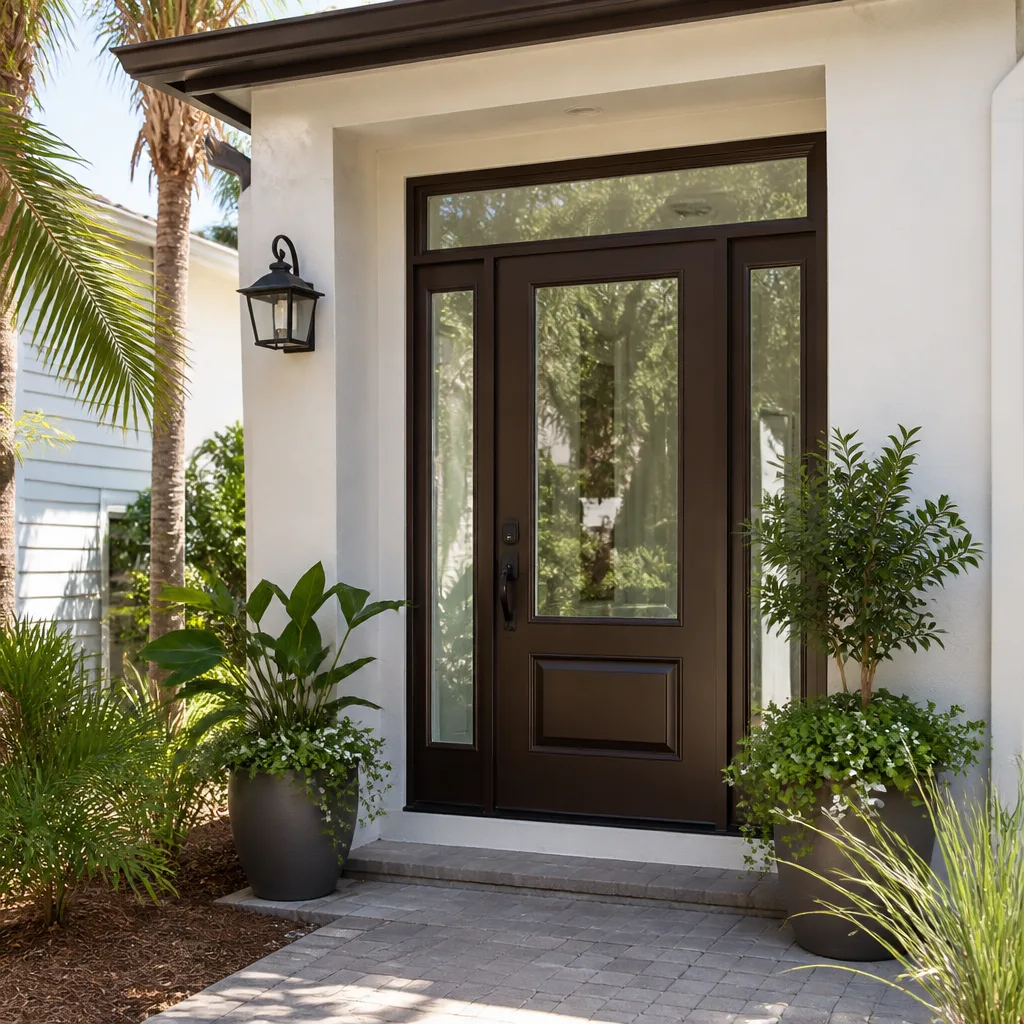
Tier 1: Adjustment. Hinge tightening, strike plate adjustment, threshold shimming, weatherstripping replacement, caulk refreshed at exterior seams, weep hole clearing, and lock lubrication. Cost range: $75 to $250 for a service call with the parts. This tier fixes the vast majority of draft, sticking, and small daylight-gap complaints.
Tier 2: Component replacement. Replacing a failed IGU, swapping a worn lock set, replacing a door sweep, resealing a fixed window, replacing a sash on a double-hung. Cost range: $180 to $500 for the component plus labor. This tier fixes fogged windows, worn hardware, and any single-point failure that hasn’t compromised the frame.
Tier 3: Full unit replacement. When the frame is out of square, the sill has rotted, the rough opening has water damage, or the unit’s original installation failed structurally. Cost range: $900 to $2,400 per unit installed, depending on size, material (vinyl, fiberglass, wood-clad), and whether the install requires rough-opening repair. This tier is the honest answer only when Tiers 1 and 2 have been ruled out.
We’d rather walk into a Henderson home, diagnose tier 1, do a $150 fix, and come back for the honest tier 3 later when it’s warranted than upsell a full unit to a homeowner who didn’t need one. That’s how the 730-Day Done Right Promise stays meaningful (it’s a warranty we can honor because we didn’t create problems with overselling).
How to Tell Which Tier You’re In
- Draft only, no visible damage: tier 1
- Fog between panes, frame square: tier 2
- Sticking door, frame out of plumb by 1/4 inch or more: tier 3 (or a framing fix, which is a separate conversation)
- Water intrusion leaving interior drywall stains: tier 3, and it may need an exterior flashing fix as well
- Door that binds in summer and gaps in winter: check for framing movement first, because tier 1 or 3 alone won’t solve a moving frame
If you want to see how a full unit replacement reads against your house record, our Groundwork Construction Co. of Henderson home page has the full inventory of the services we run, and for anyone planning a broader exterior investment at the same time, fence installation in Henderson and driveway & pavers in Henderson both pair naturally with a window upgrade project.
Water Intrusion: Where It Comes From and Why It Matters
Water intrusion is the one window symptom that’s never a wait-and-see in Henderson. A monsoon downpour can drop two inches of rain in forty minutes, and a small leak at a window sill becomes wet drywall, mold, and rim joist damage inside a single season.
Here’s where water typically gets in, in order of frequency:
- Weep holes at the sill. These small channels let condensation drain out, and they clog with dust, insect debris, and paint. When they clog, water backs up inside the frame and finds its way into the wall cavity. Clearing them with a paperclip can solve the entire problem.
- Exterior caulk and flashing. Caulk joints at the frame-to-siding transition fail after 8 to 12 years in Henderson’s UV exposure. Recaulking is a tier 1 fix and should be on a regular maintenance calendar.
- Failed glazing seals at the sash. Water gets behind the glass into the sash body and eventually reaches the framing.
- Rough opening damage. The worst case, and usually discovered when the unit is removed. Water has been entering behind the frame for years, and the sheathing or framing has begun to soften.
Henderson’s monsoon season runs roughly July through September, so late spring is the smart time to check caulk and weep holes. A $40 caulk job in May saves a $4,000 drywall and framing repair in August.
If you also have a roofing concern because water at the top of a window could be traveling from above, our roofing services in Henderson team can trace water back to the roof before you commit to window work, and for anyone weighing a larger exterior project at the same time, home additions & ADU in Henderson is where we help homeowners think about windows as part of a bigger build.
Common Mistakes to Avoid
- Replacing the door slab when the frame is the problem. If the frame is out of plumb, a new door will exhibit the exact same sticking and gapping. Test the frame first; the slab is the last thing to change.
- Assuming fogged windows mean full unit replacement. In most Henderson cases, a failed IGU is a $180 to $320 glass swap on an otherwise healthy frame. The frame isn’t the failure, and replacing it wastes money.
- Caulking over a failing flashing detail. A bead of caulk on top of water-damaged siding hides the problem for one season and rots the frame under it. If water has already reached the interior drywall, the caulk isn’t the fix.
- Ignoring weep holes. They clog quietly and cause sidings and sills to trap water. Spend two minutes each spring clearing them.
- Treating interior condensation as a window failure. It’s a household humidity problem roughly 80% of the time. Check bathroom fan function and interior relative humidity before assuming the glass has failed.
- Buying a new unit on the first quote without checking the frame. Any contractor who quotes a replacement before measuring the plumb of the jamb hasn’t diagnosed your problem yet.
- Waiting until summer to check the south and west sides. In Henderson, west and south exposures fail first. If you’re going to inspect, inspect those faces in spring, before the thermal cycles ramp up.
See the difference
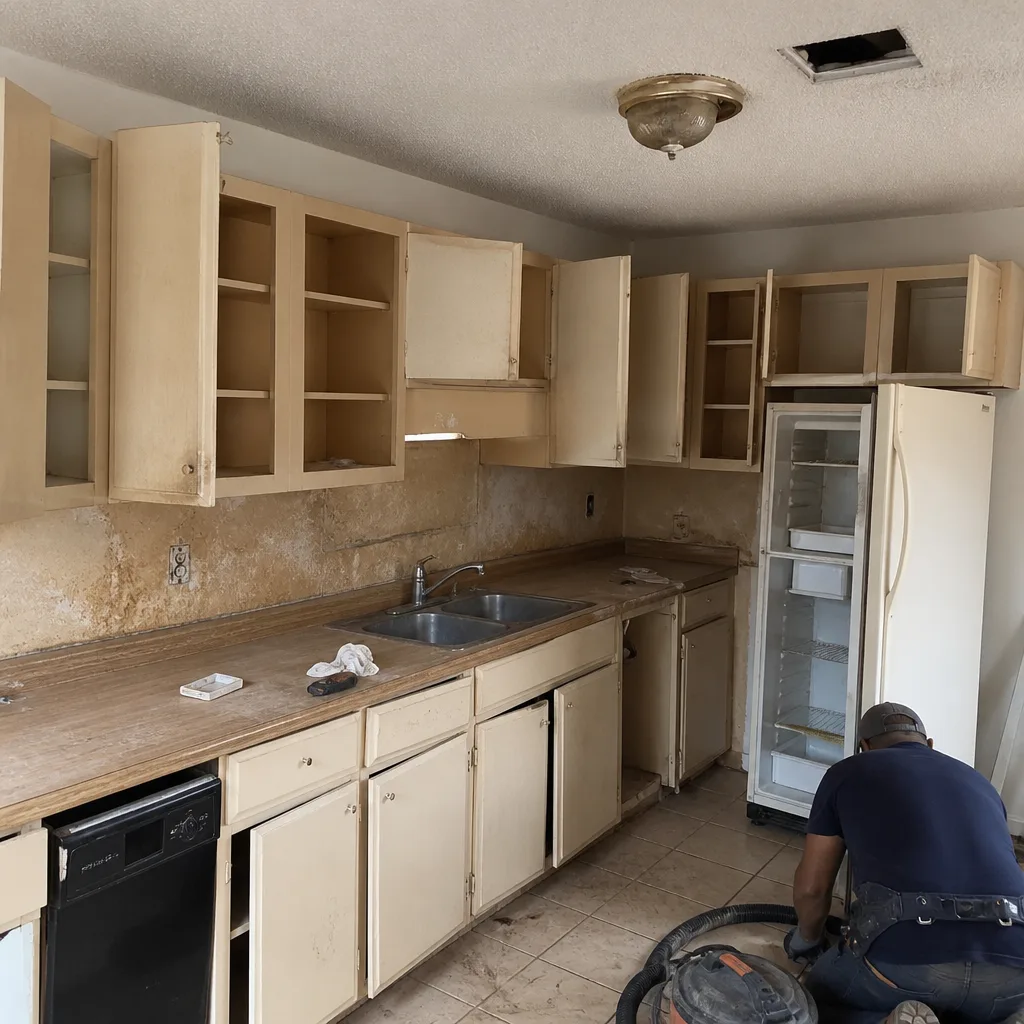 Before
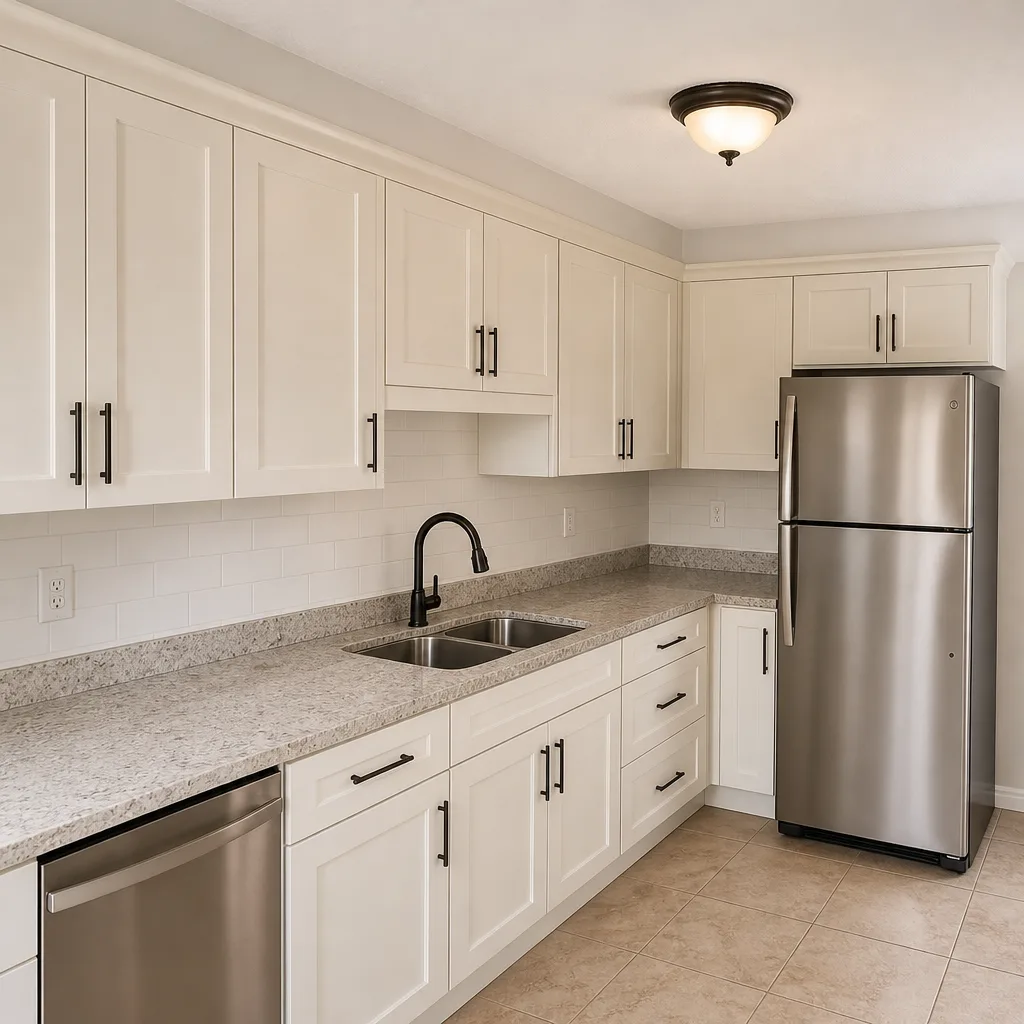 After
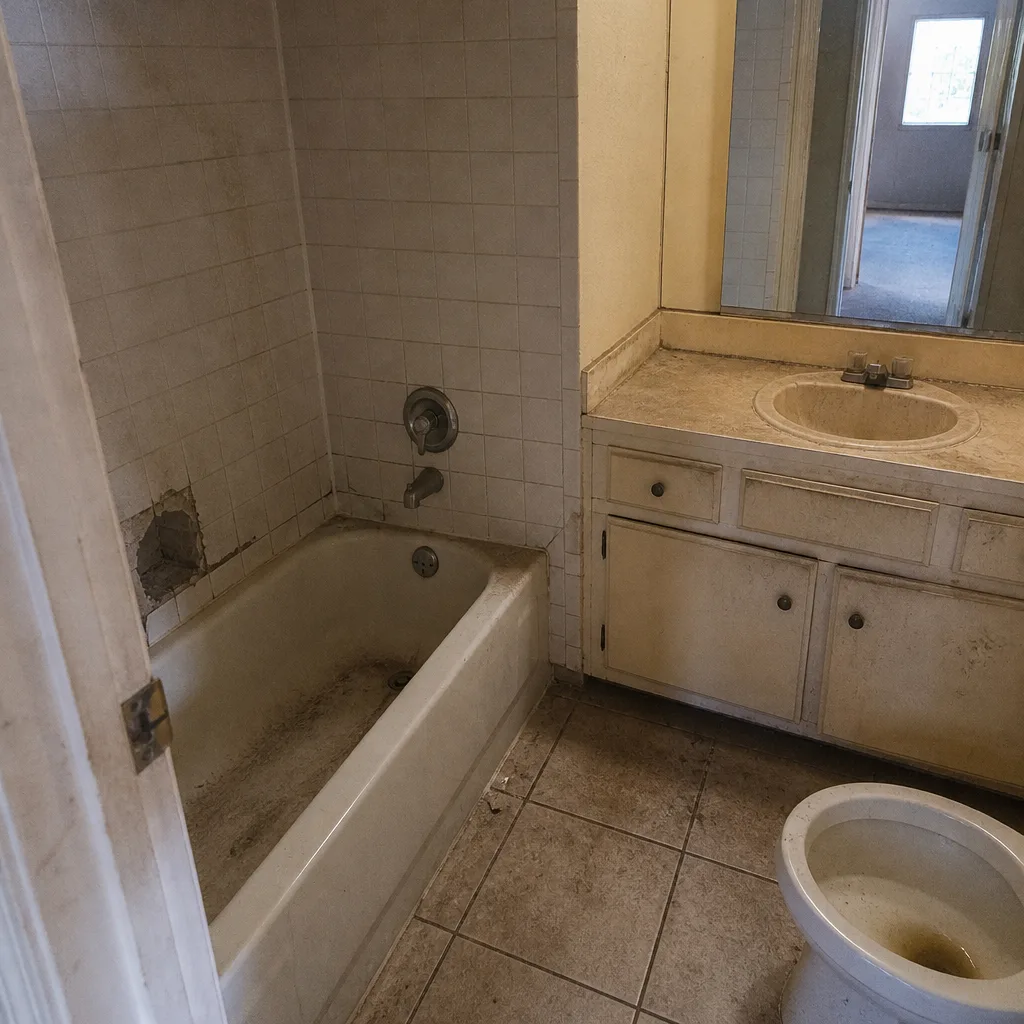 Before
 After
 Before
 After
When to Call a Professional
Some window and door problems are genuinely do-it-yourself: replacing a door sweep, clearing weep holes, refreshing exterior caulk, tightening a strike plate, or tightening a loose hinge screw. Those are the tier 1 items, and there’s no shame in handling them on a Saturday morning.
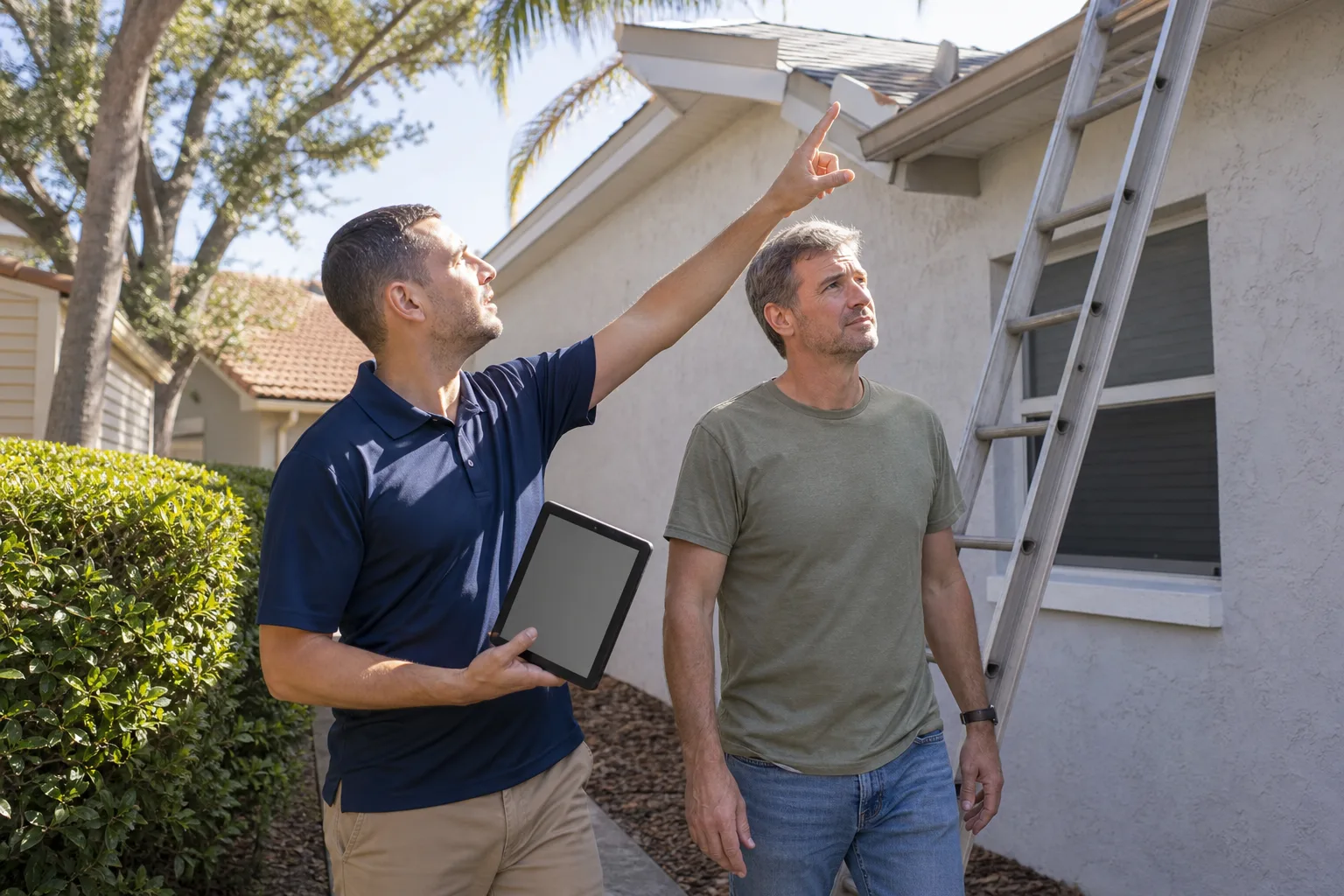
Other problems should be in a professional’s hands from the start. Fogged panes (any IGU replacement, because the glass assembly is heavy, the seal needs to be re-established cleanly, and the interior trim needs to be removed without cracking). Any door that fails the plumb or diagonal test, because the frame might be moving and a pro needs to trace whether it’s framing, threshold, or soil. Any water intrusion that has reached interior drywall, because the scope often extends behind the siding. Any window over 6 feet tall or on a second story, because the fall risk is real and the installation requires scaffolding.
If you’re not sure which tier you’re in, that’s exactly the kind of question a free estimate answers honestly. Groundwork Construction Co. of Henderson offers free estimates in Henderson. Call (844) 320-6757 to schedule yours.
Frequently Asked Questions
A tier 1 adjustment (weatherstripping, hinge work, caulk, weep-hole clearing) typically runs $75 to $250 for a service call. A failed IGU glass swap runs $180 to $320. A full window unit replacement runs $900 to $2,400 installed, and a full exterior door replacement runs $1,100 to $2,800 depending on material and frame condition. Call (844) 320-6757 for an exact written quote on your specific units, and estimates are free.
Fogging between the panes is a failed IGU seal, and the single biggest variable is exposure. West and south-facing windows in Henderson take the thermal cycling hit, and a homeowner on the shaded side of the street with north-facing windows can genuinely go 3 to 4 years longer before the same failure appears. It’s not the window brand or install quality, it’s the sun angle and the daily temperature swing.
Not always, but it’s the first thing to rule out. Hinge sag, worn weatherstripping, and a swollen wood slab all cause summer sticking, and each has a tier 1 fix. Do the plumb and diagonal test first. If the frame is square within 1/8 inch, it’s a hinge or weatherstrip problem; if it’s out by more than 1/4 inch, the frame is moving.
Condensation wipes off with a towel, fogging doesn’t. If the moisture is on the interior or exterior glass surface and clears with a cloth, it’s condensation and it’s not a failure. If there’s a milky or hazy film between the two layers of glass that won’t wipe away because it’s on the inside of a sealed unit, that’s IGU failure, and the glass assembly needs replacing.
Depends on the failure pattern. If your Henderson home has one or two failed IGUs and the frames are sound, patching individual panes is the honest call. If more than 30% of the units on the same exposure are fogged and the frames are original, a coordinated replacement usually saves money per unit and gets you a matched appearance. We walk each house individually rather than push a one-size answer.
Like-for-like replacement (same size and location) is generally categorized differently than enlarging or adding an opening, but requirements and inspection thresholds change, and the City of Henderson’s building department is the only source that gives you a definitive answer for your specific address. Any company doing the work should be willing to tell you the permit path in writing before work starts. Call (844) 320-6757 for a free estimate and we’ll walk through the permit question for your project.
The Bottom Line
Most window and door problems in Henderson are diagnostic, not replaceable. Read the symptom first: draft, condensation, sticking, daylight, or water intrusion. Then place it on the fix hierarchy (adjustment, component replacement, full unit replacement), and only move up a tier when the lower one has been ruled out. In Henderson specifically, watch for the thermal-cycling IGU seal failure on west and south exposures, the seasonal soil movement that makes door frames bind in late summer, and the monsoon-season weep-hole clogs that turn small sill leaks into wall damage. If you’re not sure which tier your issue falls in, that’s a free conversation. Groundwork Construction Co. covers every project under a 730-Day Done Right Promise, and every estimate walks through the diagnostic in writing before a number appears. Bathroom remodeling in Henderson and kitchen remodeling in Henderson often pair with window upgrades in the same project.
Call (844) 320-6757 for a free estimate on your window or door project. Our team answers live, and our technicians have up to 12 years of experience diagnosing exactly this kind of work.
Written by the team at Groundwork Construction Co. of Henderson.